
Why Omega-3s Matter for Brain and Mood Health
Omega-3 fatty acids are long-chain polyunsaturated fats that play structural and functional roles in the brain. Two forms - EPA and DHA - are especially significant for neural membrane integrity and the regulation of inflammatory pathways that research has linked to mood and cognition. A third form, ALA, is found in plant foods but must be converted to EPA and DHA by the body, a process that is metabolically inefficient.
For a detailed look at the mechanisms behind these effects, see how omega-3s interact with brain structure and mood regulation. Evidence also supports a connection between omega-3 intake and emotional health outcomes - though, as the research on omega-3s and emotional health shows, effect sizes vary and findings are not uniform across populations.
The practical upshot is that consistently including omega-3-rich foods in your diet is one of the more evidence-grounded nutritional strategies for supporting long-term brain health.
Best Practices for Building Omega-3 Intake Through Food
The following practices are grounded in current nutritional science and dietary guidance. They are intended as general information, not personal medical advice - always consult a qualified healthcare professional about your individual needs.
Prioritize oily fish two to three times per week as your primary EPA and DHA source.
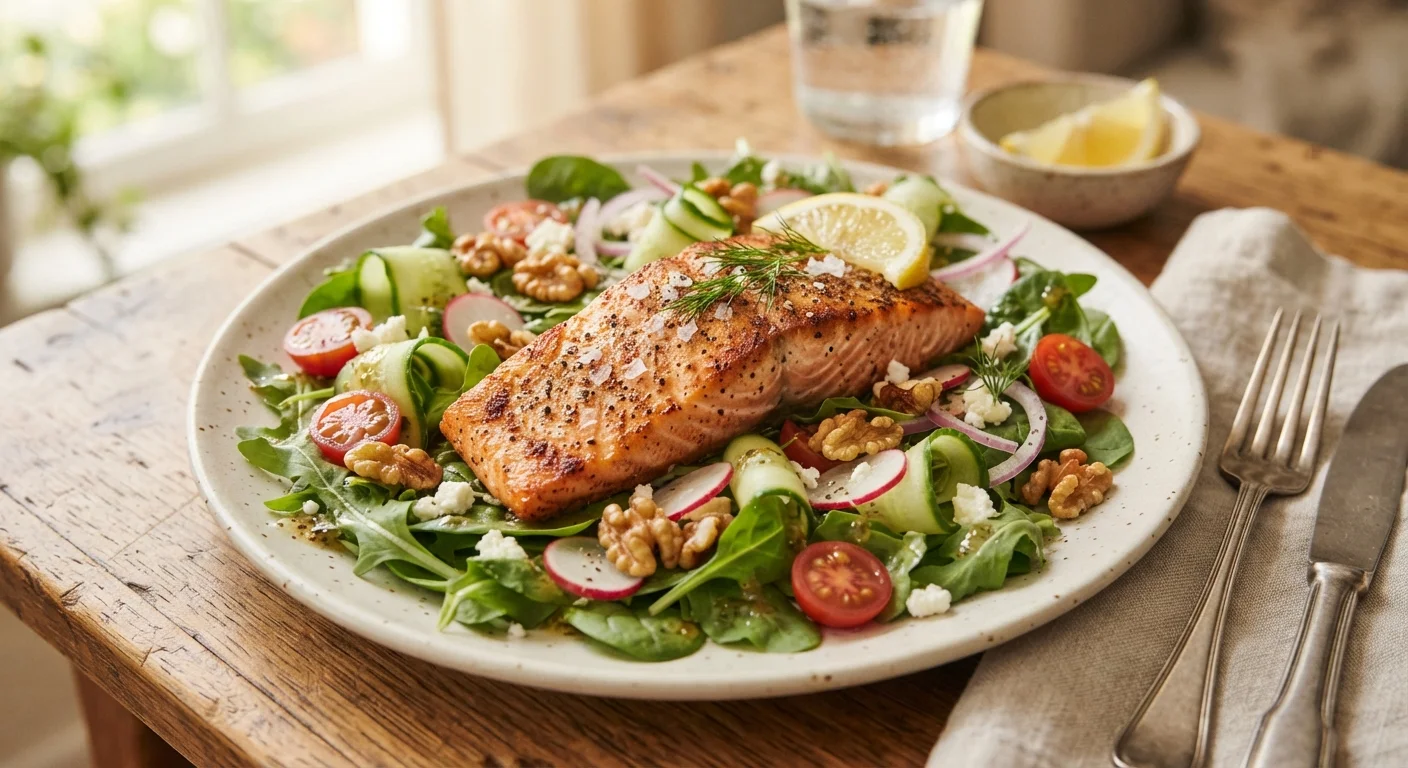
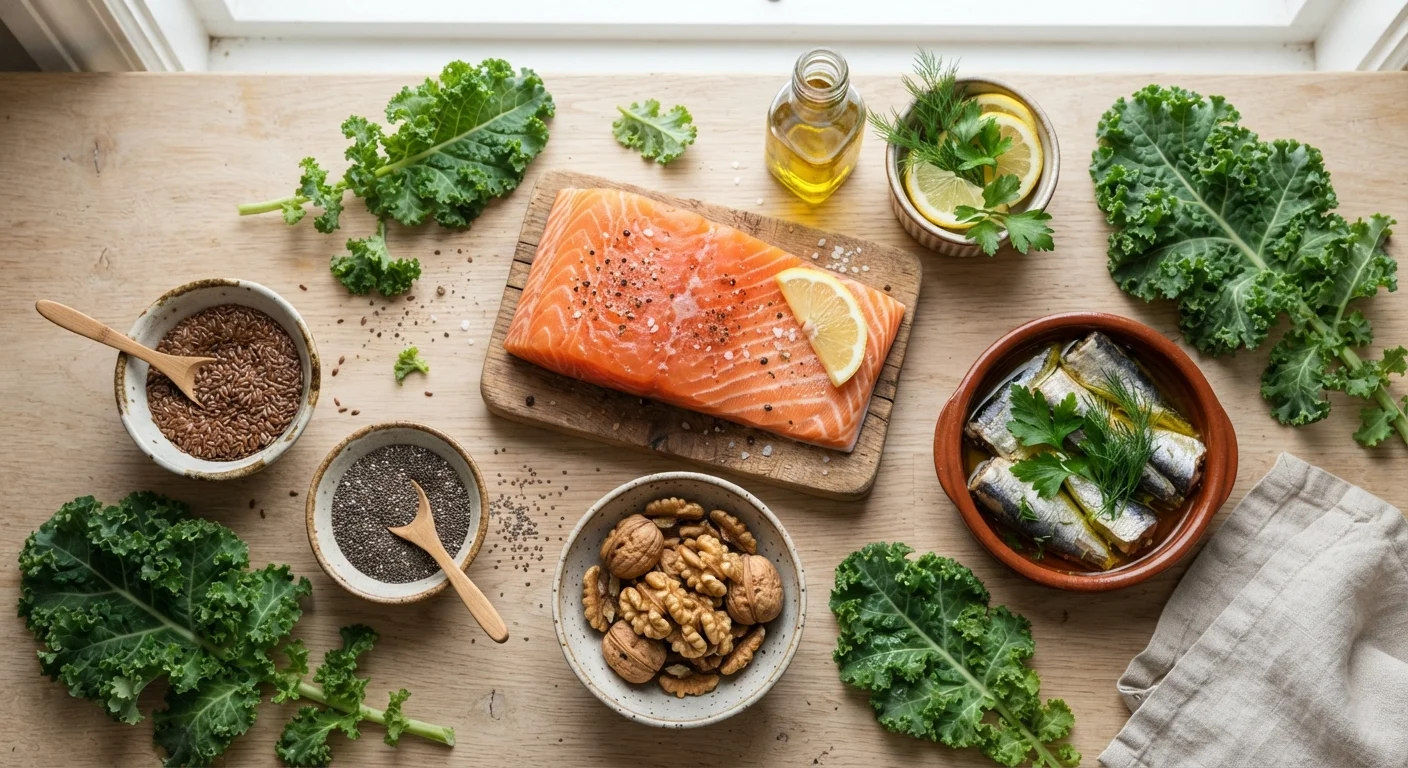
Oily fish such as salmon, mackerel, sardines, and herring provide preformed EPA and DHA - the forms the brain uses most directly. Most dietary guidelines recognize regular oily fish consumption as the most practical way to meet omega-3 needs for brain health. Consistent intake over time is more meaningful than occasional large portions.
Include ALA-rich plant foods daily, particularly if you eat little or no fish.
Walnuts, flaxseeds, chia seeds, and hemp seeds contribute ALA, which supports overall omega-3 status even if conversion to EPA and DHA is limited. For plant-based eaters, these sources remain valuable as part of a nutrient-dense diet alongside other strategies.
Reduce your intake of omega-6-heavy refined vegetable oils to improve your dietary omega ratio.
The ratio of omega-6 to omega-3 fatty acids in the diet influences how effectively omega-3s can exert their effects. Diets heavy in soybean, corn, and sunflower oils - common in processed and fast foods - tend to shift this ratio unfavorably. Replacing these oils with olive oil or avocado oil, which are lower in omega-6, supports a more balanced intake.
Choose whole food sources over highly processed omega-3-fortified products where possible.
Fortified foods (such as some margarines or packaged snacks) may contain omega-3s, but they often also carry high levels of sodium, added sugars, or refined carbohydrates. Whole food sources deliver omega-3s alongside other beneficial compounds - vitamins, minerals, and proteins - that packaged alternatives lack.
Apply mindful eating principles when building new omega-3 habits to sustain them long term.
Dietary changes that are rushed or feel restrictive tend not to last. Approaching new food choices with curiosity and attention - noticing flavor, texture, and satisfaction - makes it easier to identify preparations you genuinely enjoy. This increases the likelihood that changes stick. See mindful eating practices for practical techniques.
For a comprehensive look at which specific foods provide each omega-3 type and how they are absorbed, see our practical guide to dietary omega-3 sources.
Quick Wins: Where to Start Today
If you are new to thinking about omega-3 intake, these immediately actionable steps make it easier to shift your eating pattern without a complete overhaul. They complement the broader approach of building an anti-inflammatory eating pattern around real life.
Canned Fish Is a Practical Starting Point
Canned sardines, mackerel, and salmon are among the most accessible and shelf-stable omega-3 sources available. They require no cooking and can be added to salads, wholegrain crackers, or pasta. Look for varieties packed in water or olive oil rather than brine-heavy sauces to keep sodium reasonable.
Fitting Omega-3s Into a Broader Mood-Supportive Diet
Omega-3 intake does not operate in isolation. Research on dietary patterns - such as Mediterranean-style and traditional Japanese diets - consistently shows that brain-supportive eating involves a wide range of nutrients working together. Omega-3-rich foods often appear alongside vegetables, legumes, whole grains, and fermented foods in these patterns.
To see how omega-3 foods fit within a wider framework, explore dietary patterns associated with positive mood and sustaining the full range of brain-essential vitamins through diet.
~250-500 mg
Daily EPA + DHA intake associated with cardiovascular and brain benefits
This range appears in guidance from bodies including the World Health Organization and various national dietary advisory committees, though individual needs vary.
15:1
Estimated omega-6 to omega-3 ratio in typical Western diets
Research published in journals such as Biomedicine & Pharmacotherapy has highlighted the shift from historical ratios of around 4:1, suggesting modern diets are significantly omega-3 depleted relative to omega-6.
If you follow a plant-based diet, the considerations are somewhat different - plant-based omega-3s and brain health covers what the evidence says about meeting needs without marine sources. Those considering supplementation should read what to understand before starting omega-3 supplements first.
This article is for informational purposes only and does not constitute medical or nutritional advice. Consult a qualified healthcare professional before making significant changes to your diet, especially if you have a health condition or take medication.