
What Sets These Two Approaches Apart
Both fermented foods and probiotic supplements are marketed under the umbrella of gut health, but they differ substantially in how they work, what they contain, and what the evidence says about them.
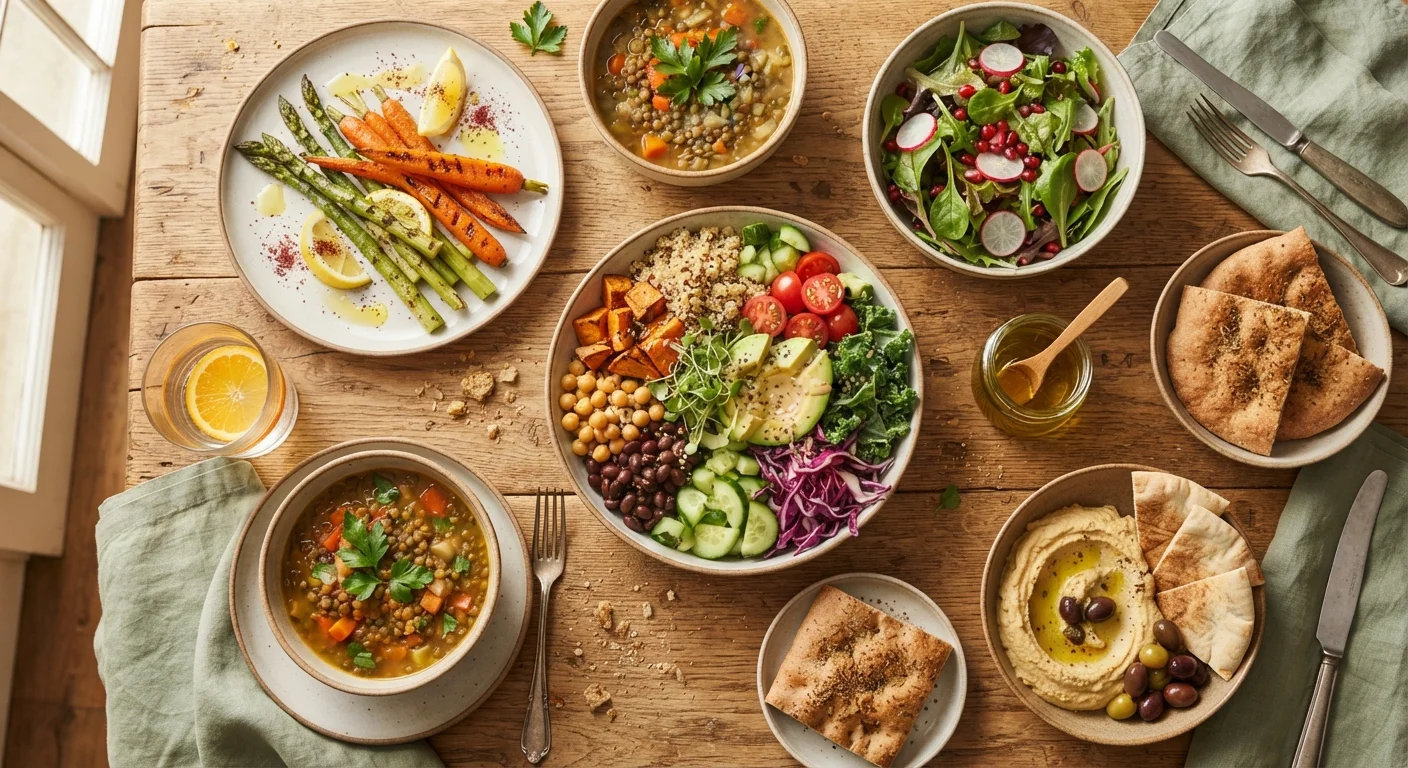
Fermented foods - including yoghurt, kefir, kimchi, sauerkraut, miso, and kombucha - are produced through microbial fermentation, a process that introduces live bacteria and yeasts into the food matrix. The resulting product contains not only live microorganisms but also vitamins, short-chain fatty acids, bioactive peptides, and other compounds generated during fermentation. This complexity matters: the food matrix may influence how microorganisms survive digestion and interact with gut tissue.
Probiotic supplements, by contrast, are concentrated preparations of one or more specific bacterial strains - most commonly Lactobacillus or Bifidobacterium species - delivered in capsule, tablet, or powder form. Their key advantage is precision: the strain, the count (measured in colony-forming units, or CFUs), and the delivery mechanism are defined and standardised.
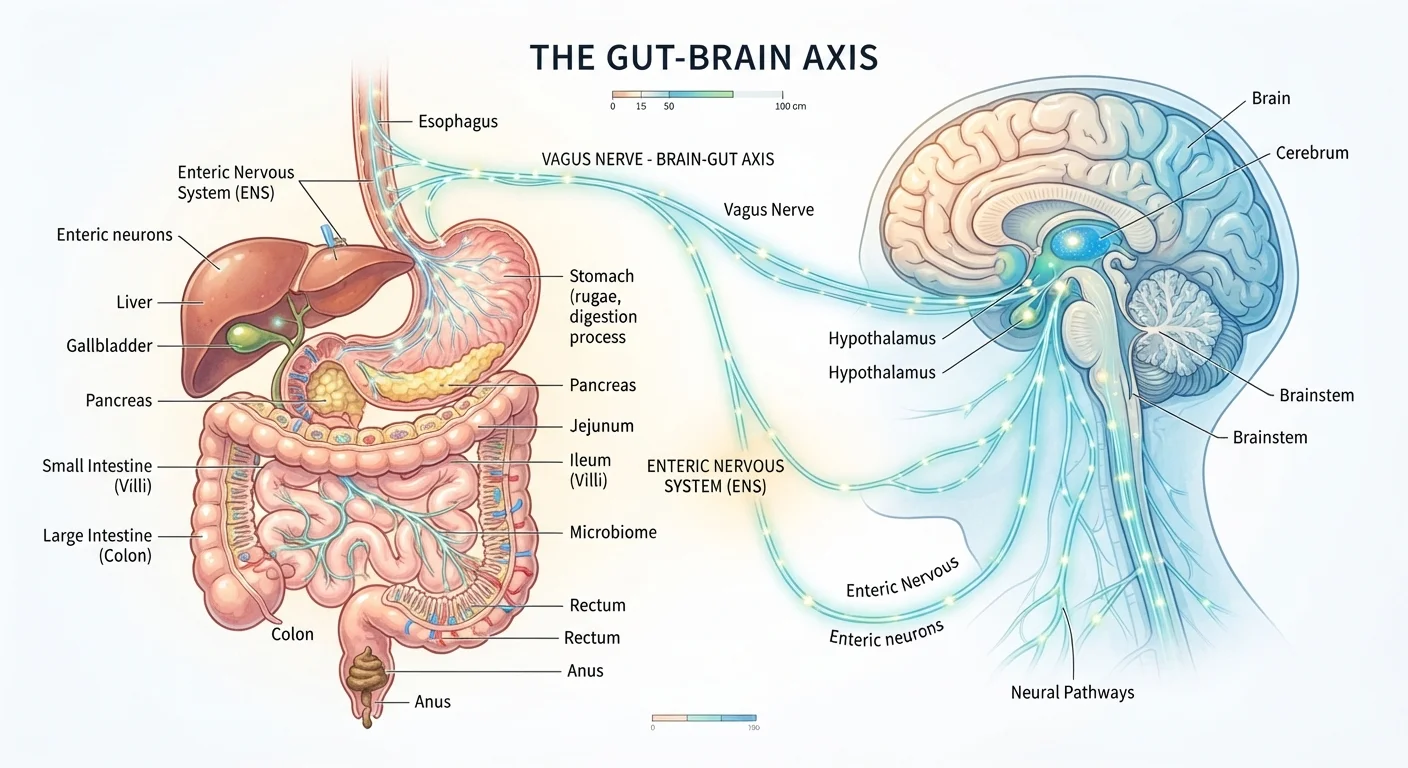
Understanding these structural differences is essential before assuming one is simply better than the other. For a broader look at how gut bacteria may connect to mood and mental wellness, see what the science actually says about your microbiome and mood.
| Criterion | Fermented Foods | Probiotic Supplements |
|---|---|---|
| Microbial content | Variable; multiple strains naturally present | Defined strain(s) at specified CFU count |
| Additional nutrients | Yes - vitamins, peptides, fiber compounds | Generally no, beyond excipients |
| Evidence quality | Mostly observational; some clinical trials | Strain-specific RCTs; varies widely |
| Dosage control | Low - varies by product and serving | High - standardised per capsule/dose |
| Ease of daily use | Integrated into meals naturally | Requires consistent supplementation habit |
| Cost | Varies; often moderate as food items | Varies; ongoing supplement cost |
| Safety for healthy adults | Generally well tolerated | Generally well tolerated; caution in immunocompromised |
What the Evidence Currently Shows
Research on fermented foods is largely observational. A notable 2021 study published in Cell (Wastyk et al.) found that a high-fermented-food diet increased microbiome diversity and reduced markers of immune activation in healthy adults - a finding that generated significant scientific interest, though it represents one trial rather than settled consensus.
Probiotic supplement research, while more controlled, is highly strain-specific. Evidence supporting supplements for conditions like antibiotic-associated diarrhea and certain irritable bowel syndrome (IBS) subtypes is more robust than evidence for mood or anxiety applications. Clinical trials exploring probiotics and psychological outcomes are growing but remain complex and sometimes contradictory. For a detailed breakdown, see reading the research on probiotics and anxiety.
Importantly, the benefits observed with one probiotic strain cannot be assumed to apply to another. A supplement containing Lactobacillus rhamnosus GG has a different evidence profile from one containing Bifidobacterium longum 1714. Generic claims on supplement labels do not reflect this nuance.
19
Fermented food types studied in gut diversity research
A 2021 Cell study (Wastyk et al.) examined a high-fermented-food diet comprising 19 different fermented food types and its effects on microbiome diversity.
~1,000+
Probiotic clinical trials registered globally
The US National Library of Medicine's ClinicalTrials.gov database lists over a thousand registered trials examining probiotic interventions across various health outcomes.
Strain-specific
Nature of clinically supported probiotic benefits
Regulatory and scientific bodies consistently note that probiotic health benefits are strain-specific and cannot be generalised across all products or formulations.
Practical Considerations for Everyday Choices
From a practical standpoint, fermented foods integrate naturally into a varied diet and contribute broader nutritional value beyond any single microorganism. They are generally considered safe for most healthy adults and pair well with the high-fibre, plant-rich dietary patterns most consistently associated with microbiome diversity. For more on how dietary patterns shape the gut-brain relationship, see how food choices shape the gut-brain conversation.
Probiotic supplements require more careful evaluation. Factors to consider include whether a specific strain has been studied for your area of interest, how the product is stored (many require refrigeration to maintain viability), and whether any underlying health condition might affect safety. People who are immunocompromised or critically ill should seek medical advice before using probiotic supplements, as rare but serious adverse events have been reported in these groups.
Neither approach operates in isolation. Sleep quality, physical activity, stress levels, and overall fibre intake all interact with gut microbiome composition. Daily habits that support a healthier gut-brain relationship explores how these factors work together as a system.
Fermented Foods and Mental Wellbeing
Interest in whether fermented foods specifically support mood is growing, but the evidence remains early-stage. Most studies to date focus on gut microbiome composition rather than direct psychological outcomes. For a careful look at what the research does and does not yet establish, see fermented foods and mental wellbeing: separating hype from evidence.
This article provides general health information and is not a substitute for personalised medical advice. Consult a qualified healthcare professional before making changes to your diet or supplement routine, particularly if you have an existing health condition.