What Sets These Two Apart
Both acute and chronic stress activate the body's stress response system — but they do so in meaningfully different ways. Understanding the distinction isn't just academic; it changes how you interpret your own experience and what kind of support might help.
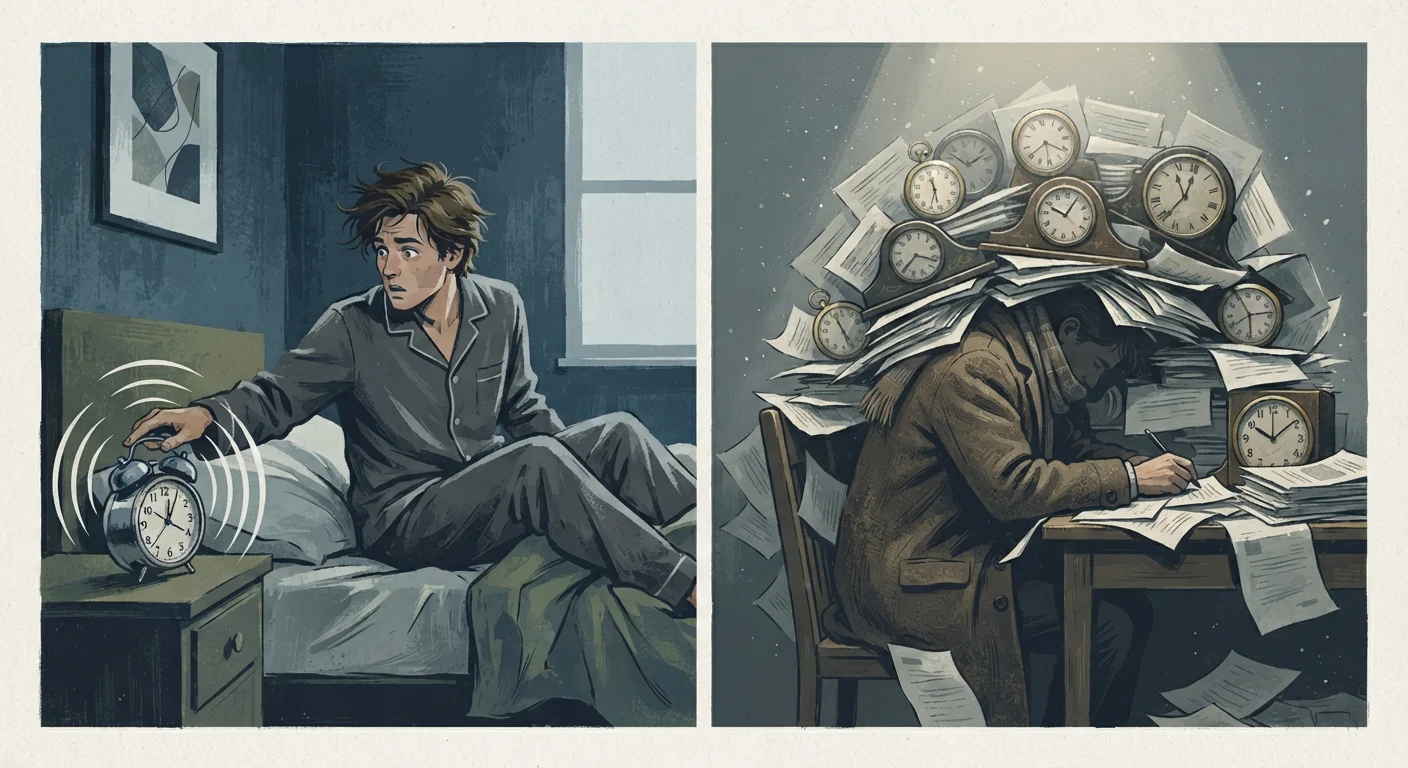
Acute stress is what you feel when something demanding happens right now: a near-miss while driving, a heated argument, or a looming presentation. The body releases stress hormones such as adrenaline and cortisol, sharpening focus and mobilising energy. Once the threat passes, those hormones recede and your system returns to baseline. This response is adaptive — it evolved to help humans deal with immediate challenges.
Chronic stress is a different animal. It develops when stressors persist over a prolonged period — weeks, months, or even years — without sufficient recovery. The body's alarm system stays partially activated, never fully returning to rest. Common sources include ongoing financial pressure, an unrelenting workload, or a difficult relationship. Unlike acute stress, there is often no clear endpoint.
| Criterion | Acute Stress | Chronic Stress |
|---|---|---|
| Duration | Short-term; minutes to hours | Ongoing; weeks, months, or longer |
| Trigger | Specific, identifiable event | Diffuse or persistent life circumstances |
| Resolution | Resolves when the situation passes | No clear endpoint; rarely fully resolves without intervention |
| Body's response | Sharp hormonal spike, then return to baseline | Sustained low-level activation; incomplete recovery |
| Long-term health risk | Low when episodic and resolved | Higher; linked to cardiovascular, immune, and mental health effects |
| Sense of control | Often feels manageable or temporary | Often feels uncontrollable or inescapable |
To explore how these two types diverge in their physical and emotional symptoms, see how the symptoms stack up over time.
Why the Source of Stress Changes the Response
The nature of a stressor — not just its intensity — shapes how the body and mind respond to it. Acute stress tends to have a defined trigger: a stressor you can point to and, crucially, anticipate ending. Chronic stress is often more diffuse, shaped by situations that feel inescapable or uncontrollable.
Research in psychoneuroimmunology (the study of how psychological stress affects immune function) suggests that perceived controllability is a key variable. When people believe a stressor will pass and that they have some agency over the outcome, physiological arousal tends to resolve more quickly. When stressors feel uncontrollable or open-ended, the stress response is sustained — and that sustained activation is where longer-term health consequences begin to emerge.
77%
Americans reporting physical stress symptoms
According to the American Psychological Association's Stress in America survey, a large majority of adults regularly experience physical symptoms they attribute to stress.
2–3×
Elevated cardiovascular risk with chronic stress
Research published in psychological health journals suggests individuals with high chronic stress exposure may face meaningfully elevated cardiovascular risk compared to those with lower stress burden.
This is one reason workplace stress feels distinct from other pressures — occupational stressors often combine high demand with limited control, a pairing that research has long associated with elevated chronic stress risk.
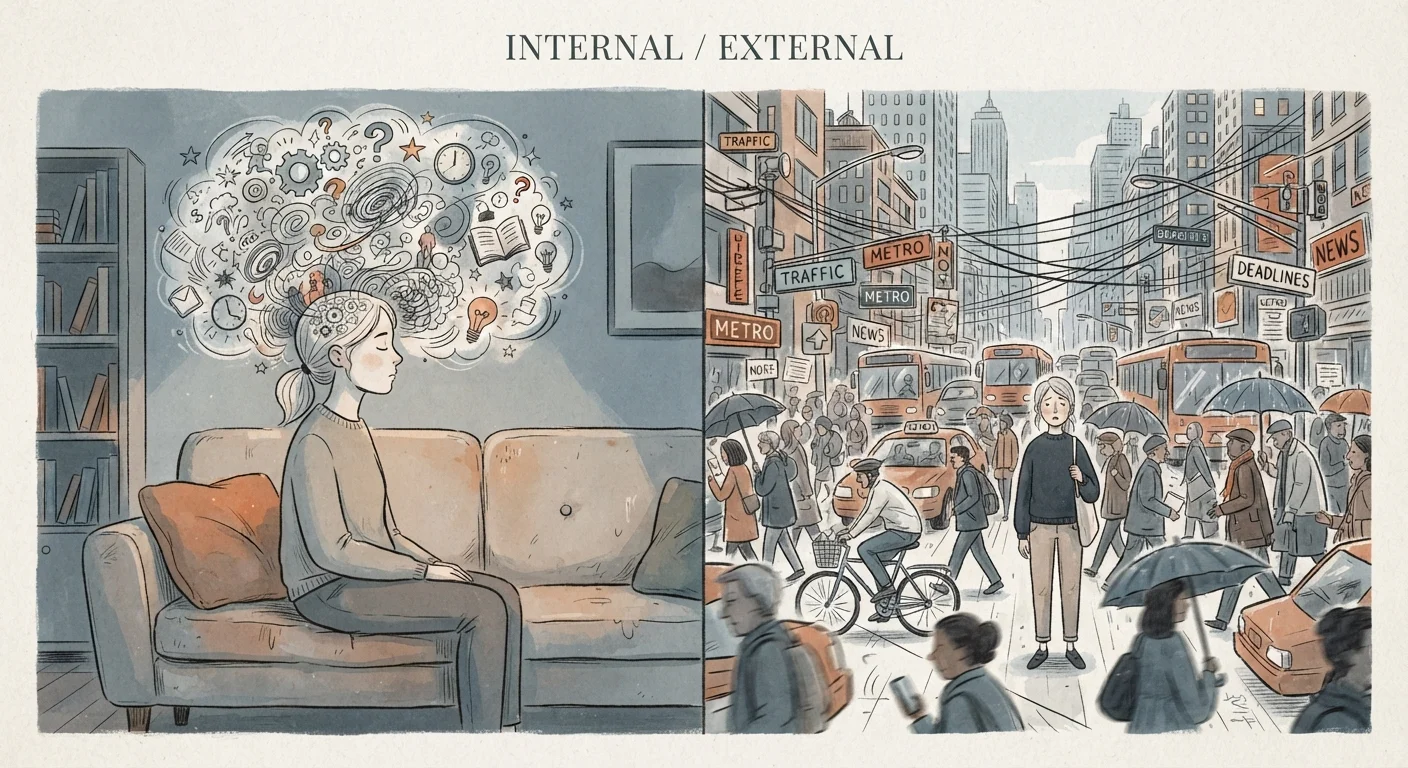
It's also worth noting that stress isn't always external. Internal triggers like self-criticism and uncertainty can sustain a stress response just as effectively as outside events — sometimes more so, because they travel with you.
Recognising Which Type You're Experiencing
One of the most useful things you can do for your wellbeing is simply to name what you're dealing with. Acute stress tends to be episodic — you can usually point to what set it off, and you notice when it eases. Chronic stress is more like background noise: pervasive, harder to attribute to a single cause, and often normalised over time because it becomes the baseline.
Some questions worth asking yourself:
- Is there a specific event or deadline driving this feeling, or has the pressure been present for weeks without a clear trigger?
- Does the tension ease at all between difficult moments, or does it feel constant?
- Are you experiencing physical symptoms — disrupted sleep, persistent muscle tension, fatigue — that don't resolve with rest?
If the pressure feels unrelenting, there are specific signs that short-term stress may have become a longer-term pattern worth paying attention to.
When to Seek Professional Support
Identifying your stress type is a helpful starting point, but it doesn't replace professional guidance. If stress — acute or chronic — is significantly affecting your sleep, relationships, work, or physical health, speaking with a mental health professional or your primary care provider is a worthwhile step. Chronic stress in particular benefits from structured support rather than self-management alone.
For a broader look at what makes chronic stress fundamentally different from everyday pressure, this overview explains what sets it apart at a physiological and psychological level.
This article is for general informational and educational purposes only and is not a substitute for professional medical advice. If you are concerned about your stress levels or mental health, please consult a qualified healthcare provider.