Why Consistency Beats Intensity in Brain Nutrition
Many people think about brain nutrition in terms of superfoods or supplement spikes - a high-dose B12 shot here, a handful of walnuts there. But the brain is a continuous consumer. It draws on circulating vitamins and cofactors every hour of every day to maintain neurotransmitter synthesis, myelin integrity, and cellular energy metabolism. That demand doesn't pause between meals.
The practical implication is that sustained adequacy - eating reliably across the week - does more for cognitive function than occasional nutritional windfalls. Deficiencies, when they develop, tend to do so quietly. As explored in how vitamin shortfalls erode cognitive performance over time, subtle gaps in B vitamins, vitamin D, or folate can chip away at memory and focus long before blood work flags a clinical problem.
Building a diet that maintains adequacy requires understanding which vitamins are most at risk, how food preparation and pairing affect availability, and where individual absorption differences matter.
~40%
US adults with insufficient vitamin D levels
National Health and Nutrition Examination Survey (NHANES) data has consistently found a large proportion of US adults fall below optimal serum 25-hydroxyvitamin D thresholds.
1 in 6
US adults estimated to have low B12 status
Research using NHANES data suggests suboptimal B12 status is more prevalent than clinical deficiency figures alone imply, particularly in older adults and plant-based eaters.
The Brain's Most Vulnerable Vitamins - and Where to Find Them
Not every vitamin presents equal risk of shortfall. Population data consistently identifies a handful of nutrients where dietary gaps are most common and neurological consequences most documented:
- Vitamin B12: Found almost exclusively in animal-sourced foods - meat, fish, eggs, and dairy. Absorption depends on a protein called intrinsic factor, produced in the stomach, which declines with age and certain medications. Older adults and those following plant-based diets are at particular risk.
- Folate (B9): Abundant in dark leafy greens, legumes, and fortified grains. Cooking significantly degrades folate; steaming or eating raw preserves more of it. Low folate is linked to elevated homocysteine, a compound associated with poorer cognitive outcomes.
- Vitamin D: Synthesized via sun exposure and found in fatty fish, egg yolks, and fortified foods. A large share of the US population has insufficient serum levels, particularly in northern latitudes during winter months.
- Thiamine (B1) and Riboflavin (B2): Involved in cerebral energy metabolism. Found in whole grains, legumes, and dairy; refined grain consumption without adequate compensation is a common route to insufficiency.
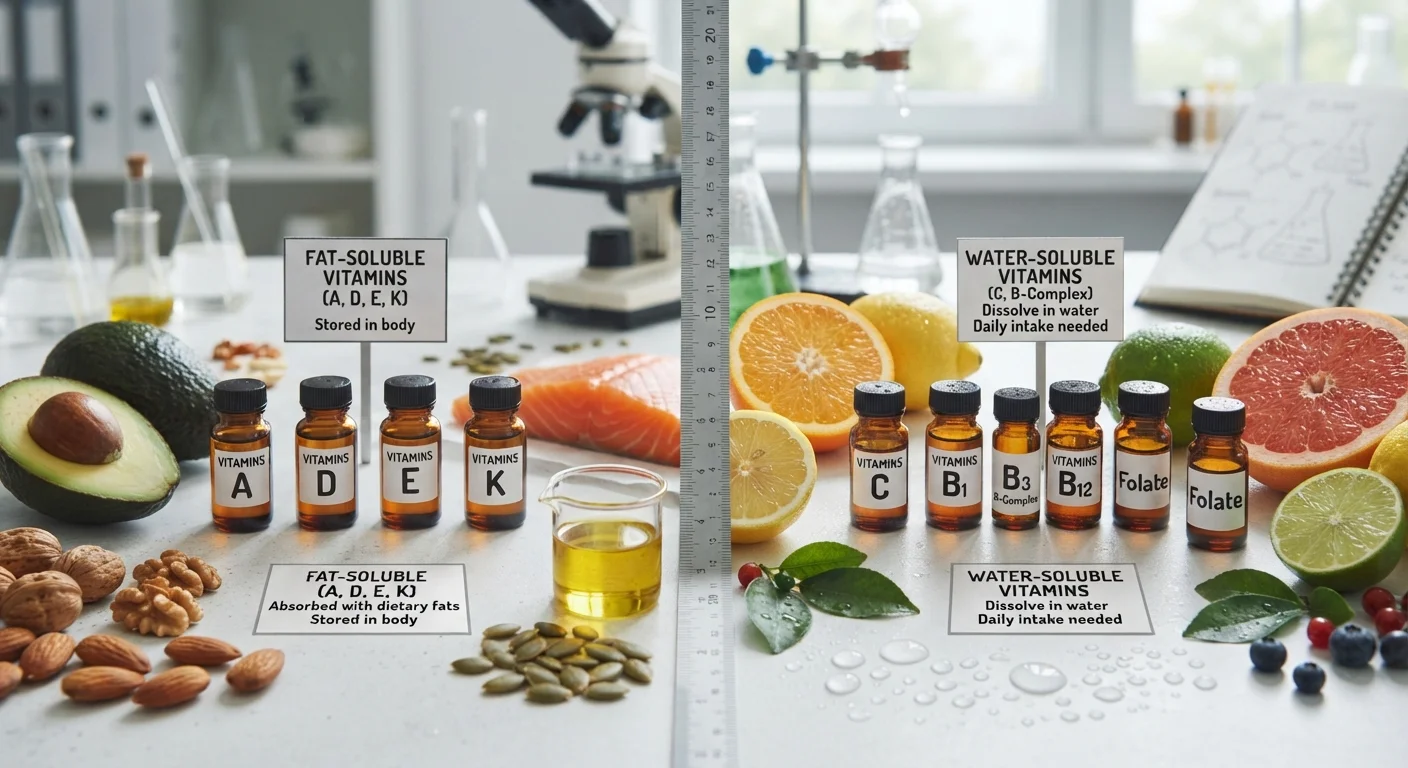
Understanding how these vitamins are stored and depleted is equally important. How a vitamin's solubility affects its storage and depletion rate shapes how urgently and frequently you need to replenish it through food.
Practical Dietary Principles for Sustained Adequacy
The following practices reflect evidence-based nutritional strategies for maintaining brain vitamin status over time - not a short-term protocol, but durable habits worth building.
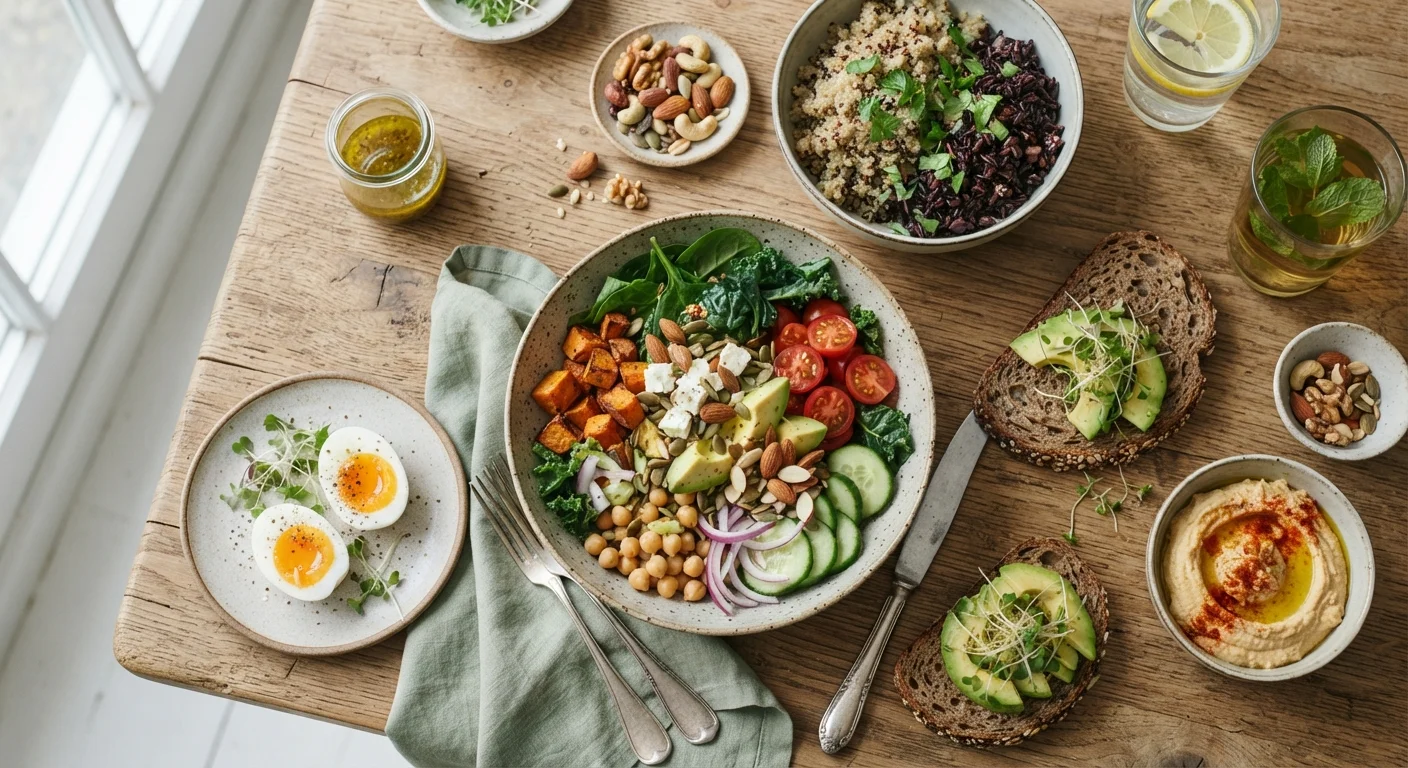
Anchor each day around at least two distinct vegetable colors.
Different pigment groups correspond to different vitamin and antioxidant profiles. Rotating colors - dark greens, oranges, reds - reduces the risk of narrowing your micronutrient intake to a small cluster of nutrients. Consistency over variety within a single day matters more than perfection.
Include a reliable B12 source at least once daily if you eat animal products, or plan for fortified foods if you do not.
B12 has no plant food sources, and absorption from animal foods is not guaranteed - especially as stomach acid production declines with age. Without consistent intake and adequate absorption, deficiency can develop over months or years without obvious early warning signs.
Minimize overcooking of B-vitamin-rich vegetables.
Water-soluble B vitamins, particularly folate, leach into cooking water and degrade with prolonged heat. Simple changes to preparation preserve a meaningfully larger fraction of what the food originally contained.
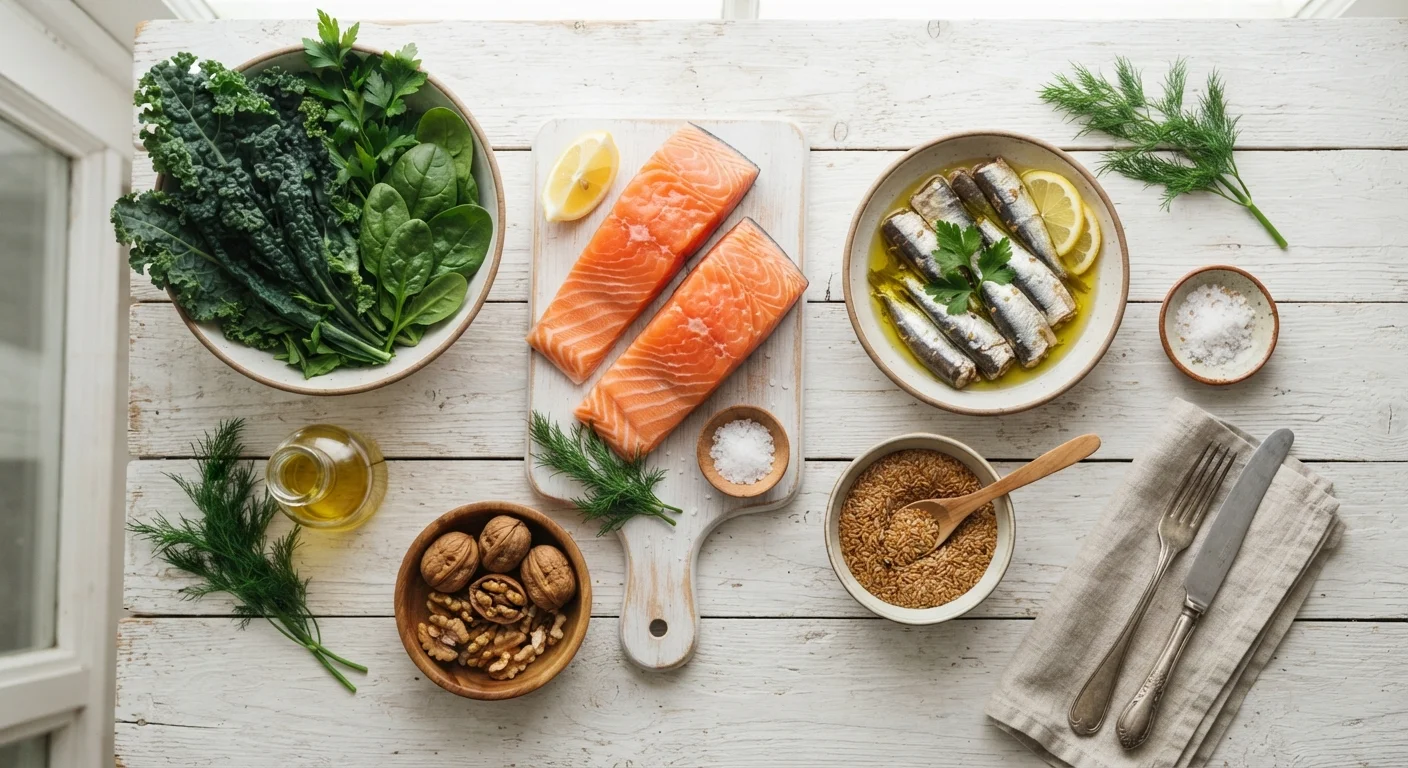
Eat fatty fish at least twice a week to support vitamin D and omega-3 status simultaneously.
Fatty fish such as salmon, sardines, and mackerel are among the few foods that provide meaningful dietary vitamin D alongside long-chain omega-3 fatty acids - both of which have documented roles in brain function. Two servings per week is a commonly referenced dietary target in US dietary guidance.
Pair vitamin E-rich foods with your main meals rather than eating them in isolation.
Vitamin E is fat-soluble and requires dietary fat present in the same meal for adequate absorption from the gut. Eating almonds or sunflower seeds as a standalone snack without fat co-ingestion reduces uptake efficiency. What research shows about vitamin E and cognitive ageing provides useful context on why this nutrient matters.
Pairing brain vitamin strategies with adequate dietary fat also matters. Fat-soluble vitamins like D, E, and K require fat for absorption. Including healthy fats - from olive oil, avocado, nuts, or fatty fish - at the same meal as vitamin-rich vegetables meaningfully improves uptake. For more on integrating brain-supportive fats, see building an omega-3-rich eating pattern for mental wellness.
When Diet Alone May Not Be Enough
Eating well is necessary but not always sufficient. Absorption is the variable most often overlooked. Gut inflammation, low stomach acid, certain medications (including metformin and proton pump inhibitors), and genetic variants in folate metabolism can all reduce how much of a vitamin actually enters circulation from food.
Absorption problems that undermine brain nutrition covers this territory in detail. If you have a chronic digestive condition, take long-term medications, or follow a highly restricted diet, discussing vitamin status with a healthcare provider is a reasonable and important step - blood testing can reveal gaps that dietary recall alone cannot.
This article is for general informational and educational purposes only and does not constitute medical or nutritional advice. Always consult a qualified healthcare professional before making changes to your diet, especially if you have a medical condition or take medication.