
Why Mental Health Vocabulary Matters
When you encounter words like psychosocial or emotional regulation for the first time, it is easy to feel like mental health is a subject only professionals can understand. It is not. Knowing what these terms actually mean can make conversations with doctors, therapists, or even yourself much less intimidating.
This glossary is designed for people who are just beginning to explore mental health - whether out of curiosity, concern, or a desire to feel more capable of taking a next step. For a broader introduction to the subject, see our plain-language introduction to mental health.
This Article Is General Information, Not Medical Advice
The definitions here are intended to build familiarity with mental health language, not to help you diagnose yourself or anyone else. If you have concerns about your mental health or that of someone you care about, please speak with a qualified healthcare professional.
Essential Terms at a Glance
The definitions below cover the most commonly used terms across mental health conversations, self-help resources, and general media. Each is written in plain English, without assuming any prior clinical knowledge.
Mental Health
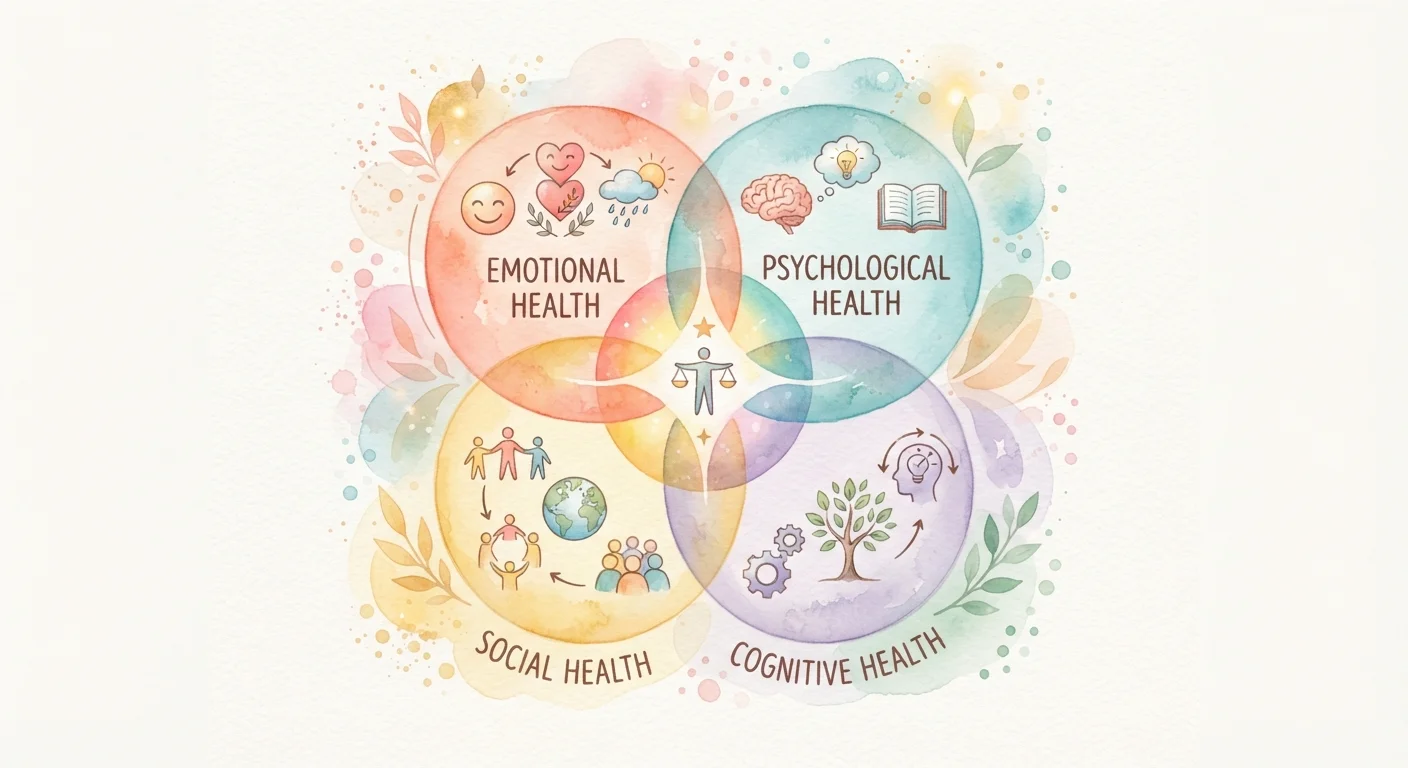
A state of emotional, psychological, and social wellbeing that affects how we think, feel, and interact with others. It is not simply the absence of illness - it includes how well we cope with everyday stress, relate to people, and make decisions.
Mental Illness
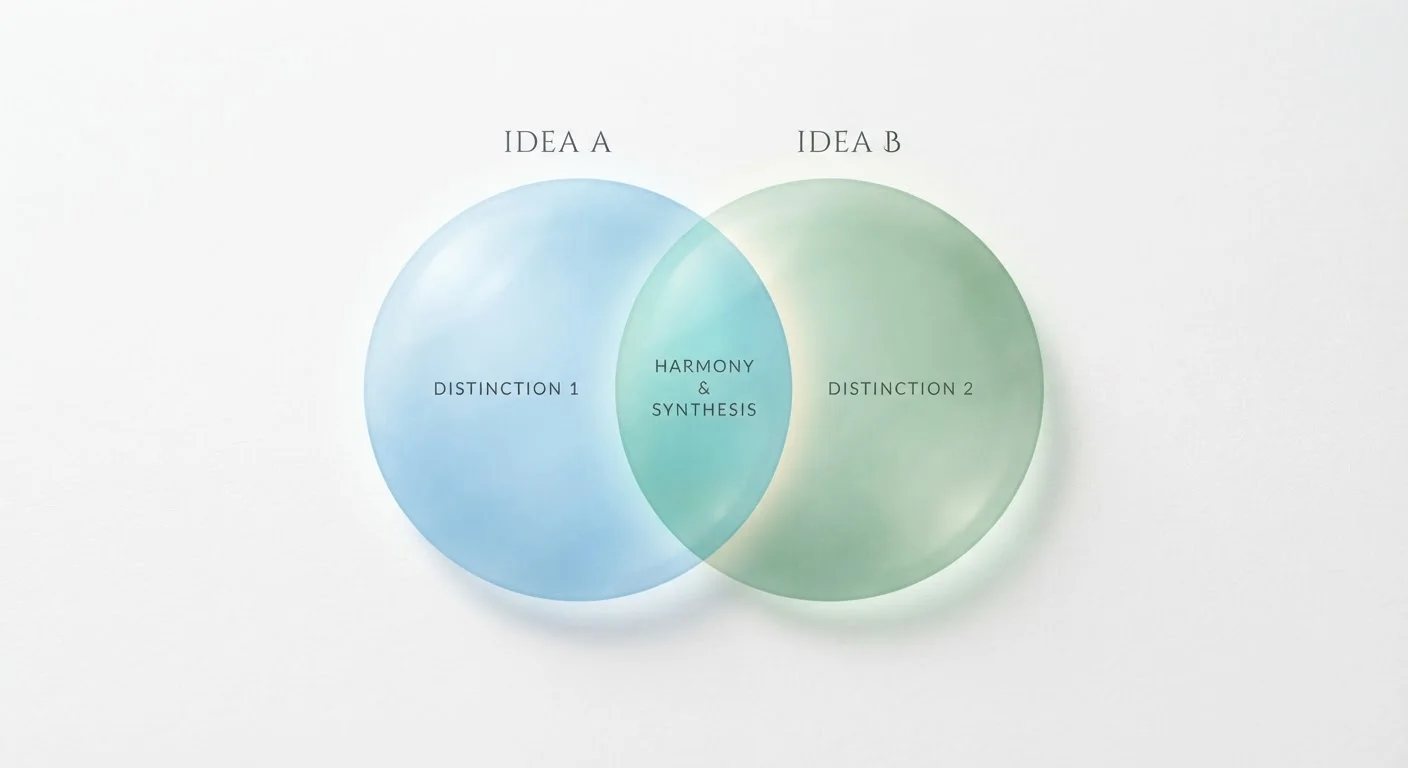
A diagnosable condition that significantly disrupts a person's thinking, mood, behavior, or daily functioning. Common examples include depression, anxiety disorders, and PTSD. Mental illness is distinct from general mental health - everyone has mental health, but not everyone has a mental illness.
Wellbeing
A broad sense of feeling good and functioning well across emotional, physical, and social dimensions. Wellbeing is dynamic - it shifts with circumstances - and is an important target of both personal habits and public health efforts.
Resilience
The capacity to adapt, recover, and keep functioning in the face of stress, adversity, or hardship. Resilience is not a fixed trait you either have or don't; it can be strengthened through skills and supportive relationships over time.
Psychosocial
Relating to the interaction between psychological factors (thoughts, emotions, mental processes) and social factors (relationships, environment, culture). Psychosocial support addresses both inner experience and external circumstances.
Emotional Regulation
The ability to recognize, understand, and manage one's emotional responses in a healthy way. Good emotional regulation does not mean suppressing feelings - it means responding to them constructively rather than being overwhelmed.
Coping Strategies
The specific thoughts and behaviors a person uses to manage stress or difficult emotions. Strategies can be adaptive (e.g., talking to someone, exercising) or maladaptive (e.g., avoidance, substance use).
Stigma
Negative attitudes, stereotypes, or discrimination directed at people with mental health conditions. Stigma can prevent people from seeking help and is addressed through education, open conversation, and lived-experience advocacy.
Cognitive
Relating to mental processes such as thinking, memory, perception, learning, and problem-solving. 'Cognitive' is frequently used in mental health to describe how our thought patterns influence our feelings and behaviors.
Protective Factors
Conditions, skills, or relationships that reduce a person's vulnerability to mental health difficulties. Examples include strong social connections, access to care, financial stability, and a sense of purpose.
Mental Health Continuum
The idea that mental health exists on a spectrum from thriving to struggling, rather than as a binary of 'healthy' or 'ill.' Everyone's position on this continuum can shift with life circumstances.
Psychotherapy
A structured, evidence-based treatment in which a trained professional helps a person explore thoughts, feelings, and behaviors to improve mental health. Often called 'talk therapy,' it encompasses approaches such as CBT, DBT, and others.
One of the most useful distinctions to internalize early is the difference between mental health and mental illness. These two terms are often used interchangeably, but they describe different things - a point explored in more depth in Mental Health and Mental Illness Are Not the Same Thing.
Key Facts and Context
A few numbers and framings help anchor these terms in real-world context.
| WHO Definition of Mental Health | A state of wellbeing enabling individuals to cope with life's stresses, work productively, and contribute to their community (World Health Organization) |
| Mental Health vs. Mental Illness | Distinct concepts - everyone has mental health; not everyone has a diagnosable mental illness |
| Resilience | A learnable skill set, not an innate personality trait (American Psychological Association) |
| Stigma Impact | One of the most frequently cited barriers to people seeking mental health support (National Alliance on Mental Illness (NAMI)) |
| Continuum Model | Mental health is best understood as a spectrum, not an on/off state |
Understanding that mental health sits on a continuum - rather than existing as a simple healthy/unhealthy divide - changes how we think about everyday experiences. For a deeper look at how this continuum plays out across multiple dimensions, The Four Dimensions of Mental Health Most People Overlook is a helpful next read.
1 in 5
U.S. adults experience a mental illness each year
According to the National Institute of Mental Health (NIMH), approximately 20% of U.S. adults live with a mental illness in any given year.
50%
of lifetime mental illness begins by age 14
The NIMH estimates that half of all mental health conditions have their onset by mid-adolescence, underscoring the importance of early awareness and education.
If you want to explore what good mental health actually looks like in practice, Mental Wellness Indicators: A Plain-Language Reference pairs well with this glossary. And for terms specific to the therapy setting - like therapeutic alliance or CBT - see The Language of the Therapy Room: Key Terms Explained.
This article is for informational purposes only and is not a substitute for professional medical advice, diagnosis, or treatment. If you have concerns about your mental health, please consult a qualified healthcare provider.