
Why Daily Habits Matter for the Gut-Brain Axis
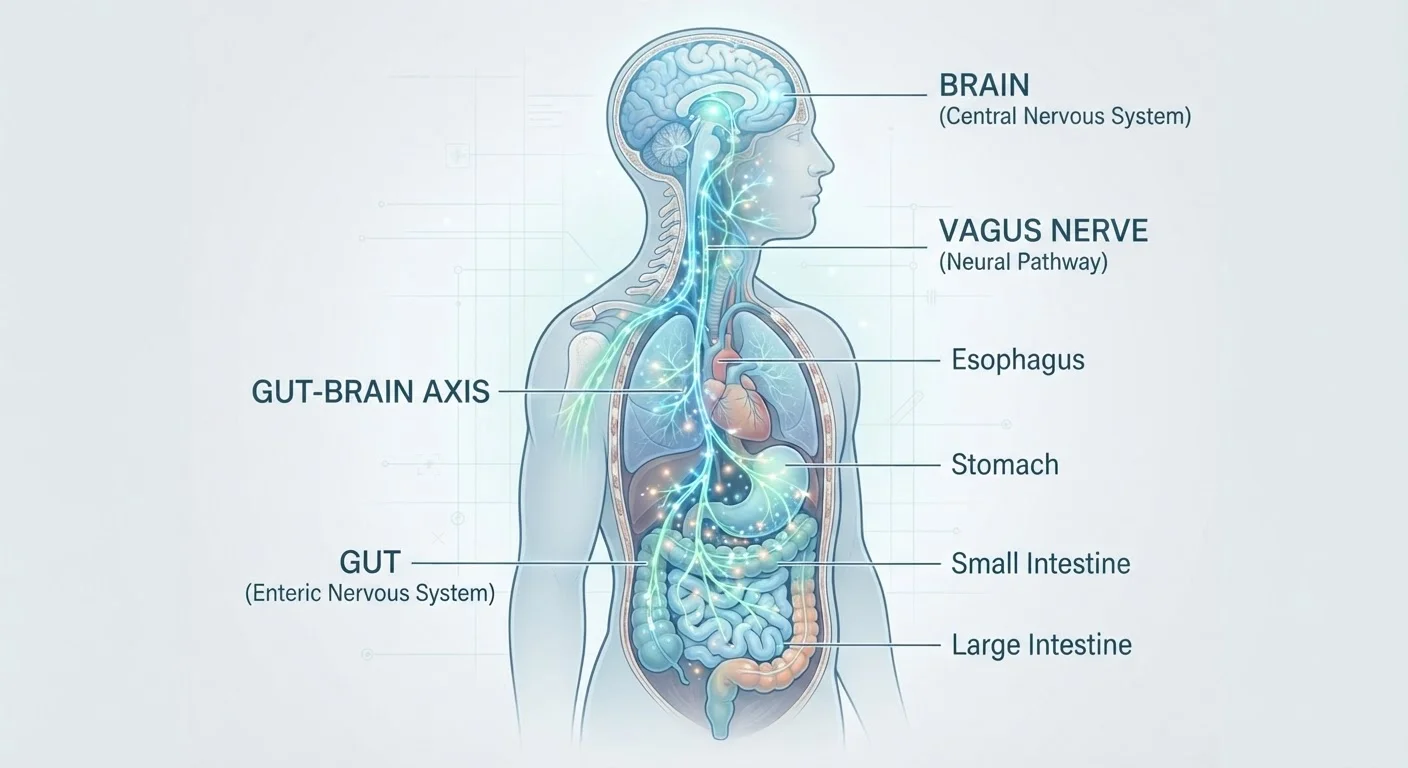
The gut-brain axis is a bidirectional communication network linking the enteric nervous system - sometimes called the "second brain" - with the central nervous system. As our introduction to the gut-brain connection explains, this relationship operates through the vagus nerve, immune signalling pathways, and chemical messengers produced by gut microbes.
What makes this relevant to daily life is that the microbial community living in your gut - your microbiome - responds to inputs you control: what you eat, how you sleep, how much you move, and how you manage stress. Shifts in microbiome composition can alter the production of short-chain fatty acids and neurotransmitter precursors, which may in turn influence mood, cognition, and stress response. The key word is may: this science is still developing, and individual variation is significant.
That said, the habits below are grounded in plausible mechanisms and are broadly consistent with good health - making them worthwhile regardless of how the gut-brain research continues to evolve.
Evidence-Informed Practices to Build Into Your Routine
The following practices reflect current nutritional and lifestyle science. None should be treated as a prescription, and none replaces professional medical guidance.
Prioritise consistent, adequate sleep every night.
Sleep disruption alters gut microbiome diversity and increases intestinal permeability - a condition sometimes described as a weakened gut barrier. The gut-brain axis is particularly sensitive to sleep quality because cortisol and inflammatory markers that spike with poor sleep also affect microbial balance. Consistent sleep schedules appear to support more stable microbiome composition over time.
Increase dietary fibre from diverse plant sources.
Fibre feeds beneficial bacteria, supporting the production of short-chain fatty acids such as butyrate, which nourish gut lining cells and have been associated with anti-inflammatory effects. Variety matters as much as quantity: different microbial species ferment different fibre types, so eating a wide range of plant foods tends to sustain greater microbiome diversity. Current dietary guidelines suggest most adults fall well short of recommended daily fibre intake.
Incorporate regular moderate-intensity physical activity.
Exercise has been shown to influence gut microbiome composition independently of diet, potentially increasing microbial diversity and abundance of butyrate-producing bacteria. Movement also reduces circulating stress hormones - a relevant factor given that chronic stress can compromise the gut barrier. Even modest increases in activity appear to have measurable effects. For context on how lifestyle factors interact with stress, see our lifestyle and stress hub.
Develop an active stress-management practice.
Psychological stress activates the hypothalamic-pituitary-adrenal (HPA) axis, releasing cortisol and inflammatory cytokines that can directly alter gut microbiome composition and intestinal barrier function. Practices that down-regulate the stress response - such as diaphragmatic breathing, mindfulness, or progressive muscle relaxation - may help buffer these effects. The gut-brain relationship runs in both directions: supporting one system tends to support the other.
Include fermented foods as part of a varied diet.
Fermented foods such as plain live-culture yogurt, kefir, kimchi, and sauerkraut contain live microorganisms that may contribute to gut microbial diversity. A randomised trial published in Cell (Sonnenburg et al., 2021) found that a high-fermented-food diet increased microbiome diversity and decreased markers of immune activation in healthy adults - though researchers caution that findings need replication at scale. For a detailed comparison of food-based versus supplement approaches, see fermented foods vs. probiotic supplements.
Where to Start Today
Making sweeping changes at once rarely sticks. Instead, pick one or two actions from the list below and build from there. For a broader view of how eating patterns fit into this picture, see our companion piece on dietary patterns and mental health.
This Science Is Still Developing
Much of the gut-brain axis research is promising but preliminary - many studies are small, short-term, or conducted in animal models. The habits described here are consistent with general wellbeing guidance, but it would be premature to treat any of them as a guaranteed intervention for mental health conditions. For a clear-eyed look at where the evidence stands, see our article on common misconceptions about the gut-brain link.
This article is for general informational purposes only and does not constitute medical or nutritional advice. Consult a qualified healthcare professional before making significant changes to your diet or lifestyle, especially if you have an existing health condition.