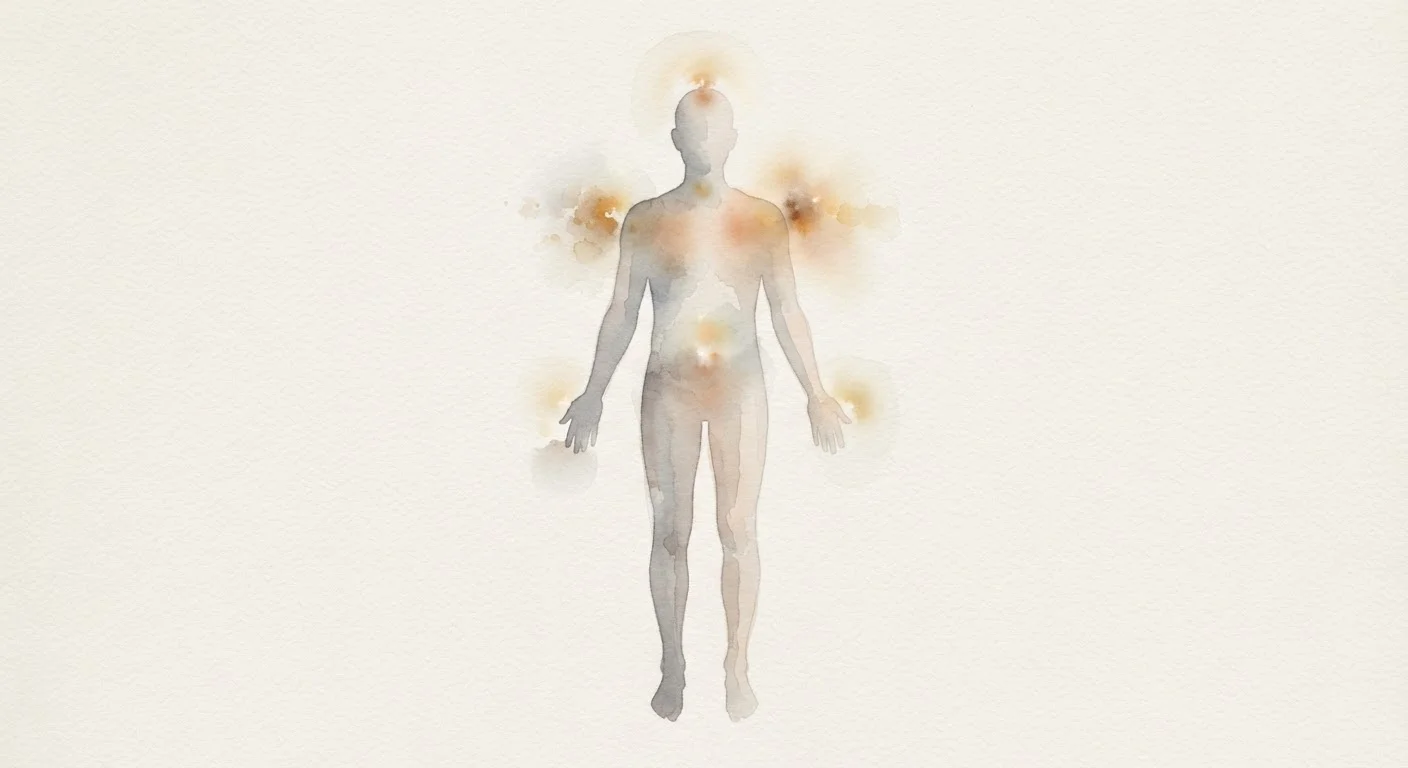

What Depression Actually Looks Like
Depression is more than feeling sad for a day or two. Clinically, it is a mood disorder characterized by a persistent low mood or loss of interest that interferes with daily functioning. The DSM-5 identifies a specific cluster of symptoms that mental health professionals use to diagnose major depressive disorder - but many people encounter these signs well before they ever speak to a clinician.
This reference breaks those symptoms into plain language so you can recognize what each one looks like in real daily life. It covers emotional, physical, and cognitive symptoms. Because depression can look different depending on the person, no single symptom is definitive on its own. If several of these descriptions feel persistently familiar - lasting most of the day, nearly every day, for two weeks or more - that is a signal worth taking seriously with a qualified healthcare provider.
For broader context, see the Depression Basics hub, which introduces common forms of depression and how they affect daily functioning.
| Core diagnostic requirement | 5 or more symptoms present for at least 2 weeks (DSM-5 criteria for Major Depressive Disorder) |
| Must-have symptom | Depressed mood OR loss of interest/pleasure (or both) (DSM-5) |
| US adults affected annually | Approximately 1 in 5 at some point in their lifetime (National Institute of Mental Health (NIMH)) |
| Symptom categories | Emotional, physical, and cognitive |
| Common misread sign | Irritability (often mistaken for stress or personality) |
| When to seek help | Symptoms interfering with daily life, or any thoughts of self-harm |
Emotional Symptoms
These are the mood-level changes most people associate with depression, though they can be subtle and easy to rationalize away.
- Persistent low mood: A heavy, flat, or empty feeling that doesn't lift the way ordinary sadness does. It isn't always tearful - some people describe it as feeling numb or hollow.
- Anhedonia: Losing interest or pleasure in activities that used to feel rewarding - hobbies, socializing, food, or sex. This is one of the most clinically significant markers of depression.
- Hopelessness: A belief that things will not get better, not as a passing thought but as a persistent outlook that shapes decisions.
- Irritability or agitation: Especially common in men and adolescents, depression can show up as frustration or a short fuse rather than visible sadness.
- Feelings of worthlessness or excessive guilt: Disproportionate self-blame for past events, or a pervasive sense of being a burden to others.
To understand how these emotional signs differ from stress-related mood changes, the stress symptoms reference offers a useful side-by-side view.
Anhedonia
The reduced ability to feel pleasure or interest in activities that were previously enjoyable. It is considered one of the core markers of major depressive disorder.
Psychomotor changes
Observable slowing of physical movement and speech, or conversely, visible restlessness and agitation. In depression, these changes are typically noticeable to others, not just the person experiencing them.
Hypersomnia
Sleeping excessively - often more than nine or ten hours - and still feeling unrefreshed. It is one possible sleep disturbance associated with depression.
Major Depressive Episode
A clinical term for a period of at least two weeks during which a person experiences a depressed mood or loss of interest along with several other specific symptoms that interfere with daily life, as defined by the DSM-5.
Dysthymia
Now formally called persistent depressive disorder, dysthymia refers to a chronic low-grade depression lasting at least two years. Symptoms are less severe than a major depressive episode but longer-lasting.
Physical and Cognitive Symptoms
Depression is a whole-body experience. Physical and thinking-related symptoms are just as real as emotional ones and are often what first prompts someone to visit a doctor.
Physical
- Sleep changes: Either sleeping far more than usual (hypersomnia) or struggling to fall or stay asleep (insomnia) - both are common.
- Fatigue and low energy: A tiredness that rest doesn't fix. Simple tasks like showering or cooking can feel disproportionately exhausting.
- Appetite and weight changes: Eating significantly more or less than usual, often without making a conscious choice to do so.
- Psychomotor changes: Moving or speaking more slowly than usual, or feeling physically restless and unable to settle - noticeable enough that others may observe it.
- Unexplained physical pain: Headaches, digestive problems, or generalized aches that don't have a clear medical cause and don't respond well to treatment.
Cognitive
- Difficulty concentrating: Trouble focusing on reading, conversations, or work tasks that previously felt manageable.
- Memory problems: Forgetting things more often or feeling mentally foggy.
- Indecisiveness: Even small choices - what to eat, what to wear - can feel overwhelming.
- Thoughts of death or suicide: Recurrent thoughts about dying, wishing to be dead, or - in more serious cases - thinking about ending one's life. This symptom requires immediate professional attention.
For a checklist-style guide to these signs and practical next steps, see Recognising Depression in Yourself or Someone You Care About. You can also find definitions for clinical terms like anhedonia and dysthymia in our key terms and concepts guide.
Depression Is Not a Character Flaw
Depression is a recognized medical condition with biological, psychological, and social contributing factors - not a sign of weakness or a choice. Research consistently shows it involves changes in brain chemistry and structure. Recognizing symptoms is the first step toward getting appropriate support, not a reason for self-judgment.
This article is for informational purposes only and is not a substitute for professional medical advice, diagnosis, or treatment. If you or someone you know is experiencing thoughts of suicide or self-harm, contact a crisis line or seek emergency care immediately.