
Why an Eating Pattern - Not a Single Food - Matters
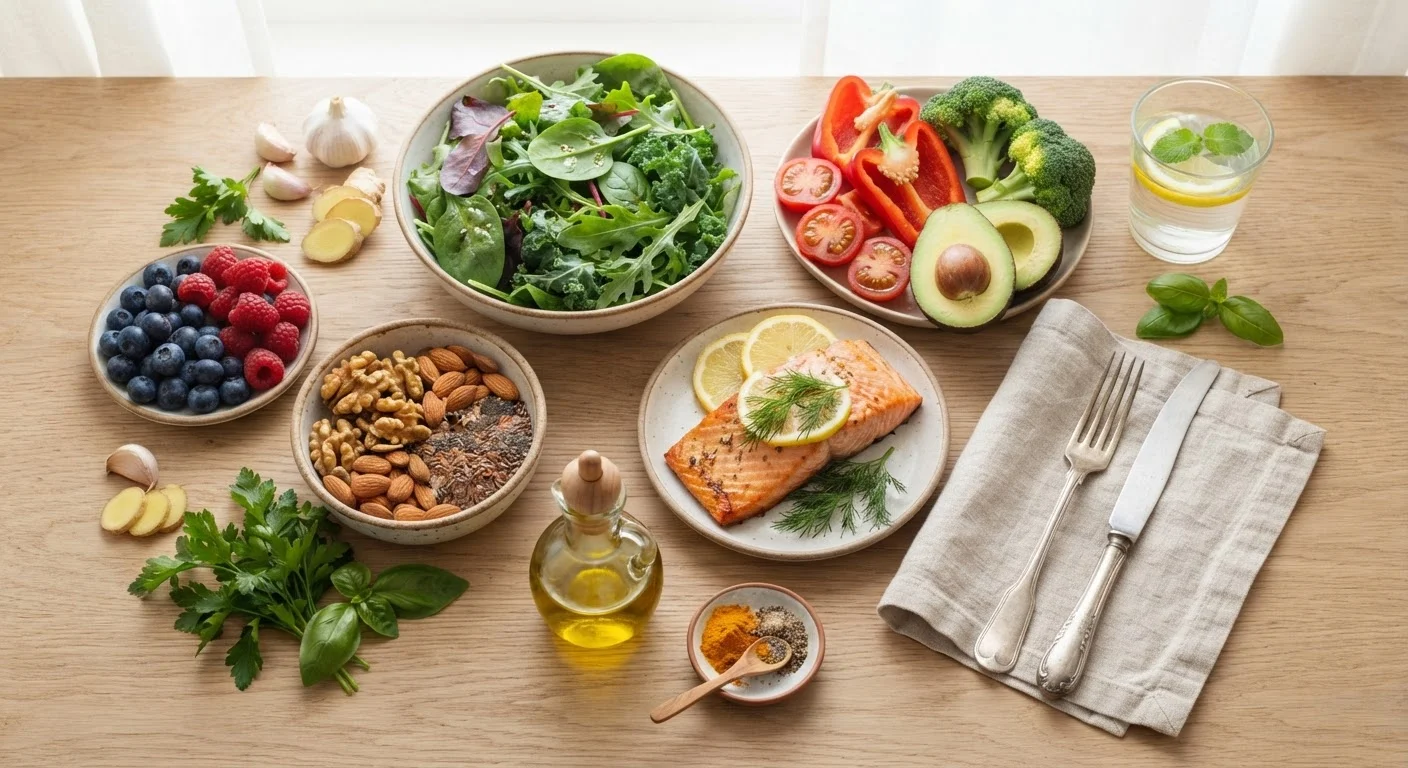
Nutritional science has moved decisively away from the idea that single superfoods drive meaningful health outcomes. What matters more is the overall dietary pattern - the combination and consistency of foods across days and weeks. Anti-inflammatory eating is best understood as a pattern rather than a protocol: it emphasizes whole, minimally processed foods, abundant plant variety, and moderate amounts of omega-3-rich proteins, while limiting refined sugars and ultra-processed products.
The connection to mental wellbeing is grounded in several biological pathways. Chronic low-grade inflammation has been implicated in the neurobiology of depression and anxiety, and dietary quality is one modifiable factor that influences systemic inflammation. Gut microbiome health - shaped significantly by dietary fiber - also plays a role in producing neurotransmitter precursors and regulating the gut-brain axis. For a thorough look at what the evidence currently supports and where uncertainty remains, see our overview of anti-inflammatory eating patterns and mental health.
This Is General Education, Not Medical Advice
The information in this article is intended for general educational purposes only and does not constitute medical or dietary advice. If you have a diagnosed health condition, are pregnant, or take medications, please consult a qualified healthcare professional before making significant changes to your eating habits.
What You Need Before Starting
What you will need
Weekly meal planner (paper or digital)
Helps you map out meals in advance to make anti-inflammatory choices the default, not the exception.
Pantry staples checklist
Ensures whole grains, legumes, nuts, seeds, and herbs are routinely on hand for quick, low-effort anti-inflammatory meals.
Registered dietitian
Provides personalized dietary guidance, especially important for individuals with chronic conditions or specific nutritional needs.
Step-by-Step: Shifting Your Pattern Over Time
Avoid All-or-Nothing Thinking
Framing your eating pattern in rigid "allowed" and "forbidden" categories can promote a stressful relationship with food, which itself may undermine wellbeing. The goal here is gradual, flexible improvement - not a strict elimination protocol.
Audit Your Current Pattern Honestly
Before making changes, spend one week noticing - without judgment - what you typically eat. Look for recurring sources of ultra-processed foods, refined carbohydrates, and added sugars, as these are consistently associated with elevated inflammatory markers in nutritional research. Equally, note where vegetables, whole grains, legumes, or oily fish already appear. You are identifying a baseline, not assigning moral value to your food choices.
Choose One or Two Anchor Swaps to Start
Select one or two straightforward substitutions based on your audit. Common high-impact starting points include replacing refined grain staples with whole-grain equivalents, swapping sweetened beverages for water or herbal tea, or adding a handful of leafy greens to a meal you already make regularly. Research on dietary behavior change suggests that small, specific swaps are more sustainable than broad overhauls - and that habit stacking (linking a new behavior to an existing one) improves follow-through.
Increase Plant Diversity Across the Week
Aim to expand the variety of plant foods - vegetables, fruits, legumes, whole grains, nuts, seeds, and herbs - across your weekly meals rather than eating the same few options repeatedly. Gut microbiome research suggests that a wider range of plant fibers supports a more diverse microbial community, and emerging evidence links gut diversity to mood-regulating pathways. A practical target used in some dietary studies is 30 or more different plant foods per week, though any increase from your current baseline is meaningful.
Build In Reliable Omega-3 Sources
Omega-3 fatty acids - particularly the long-chain forms EPA and DHA found in oily fish such as salmon, sardines, and mackerel - are among the most studied dietary components in relation to inflammation and brain health. Aim to include oily fish two or more times per week if that fits your dietary pattern. Plant-based sources such as flaxseed, chia seeds, and walnuts provide ALA, a shorter-chain omega-3; conversion to EPA and DHA in the body is limited, though these foods still contribute to an overall health-supportive pattern. For more detail, see our guide on building an omega-3-rich eating pattern.
Reduce Ultra-Processed Food Gradually
Ultra-processed foods - characterized by long ingredient lists, industrially modified components, and high levels of added sugar, salt, and refined fats - have been associated with higher depressive symptom scores in several large observational studies. Rather than eliminating them abruptly, identify the one or two ultra-processed items that appear most frequently in your diet and look for whole-food alternatives you genuinely enjoy. Gradual displacement tends to be more durable than sudden restriction.
Embed Mindful Eating Moments Into the Pattern
How you eat can interact with what you eat. Eating quickly, while distracted, or in a stressed state may affect satiety signals and food choices. Incorporating even brief moments of attention - pausing before eating, eating one meal per day away from screens - can support a more intentional relationship with food. Our article on bringing awareness to a meal provides accessible techniques to begin this practice.
Track Progress Weekly, Not Daily
Daily food choices naturally vary. Assessing your pattern over a full week gives a far more accurate picture of your overall dietary quality. Consider using a simple checklist - our weekly anti-inflammatory diet audit is a practical starting point.
Sustaining the Pattern in Real Life
The most research-supported dietary patterns - Mediterranean, DASH, and similar whole-food approaches - share a common feature: they are flexible enough to accommodate real life. Social meals, travel, and time constraints are not failures of the pattern; they are the context within which the pattern must function. Building in flexibility from the outset, rather than treating deviation as a reason to abandon the approach, is itself an evidence-informed strategy.
Reassess your eating pattern periodically rather than obsessing over individual meals. Small, consistent shifts in the direction of more plant diversity, less ultra-processed food, and adequate omega-3 intake are likely to accumulate into meaningful dietary quality improvements over weeks and months. If you want a structured way to reflect on your progress, our weekly anti-inflammatory diet audit offers a practical, non-restrictive framework for ongoing self-assessment.
This article is for general informational and educational purposes only and does not constitute medical, nutritional, or psychiatric advice. Individual nutritional needs vary. Please consult a qualified healthcare professional or registered dietitian before making significant changes to your diet, especially if you have a health condition or are taking medication.