Why the Gut-Brain Axis Gets Misread So Often
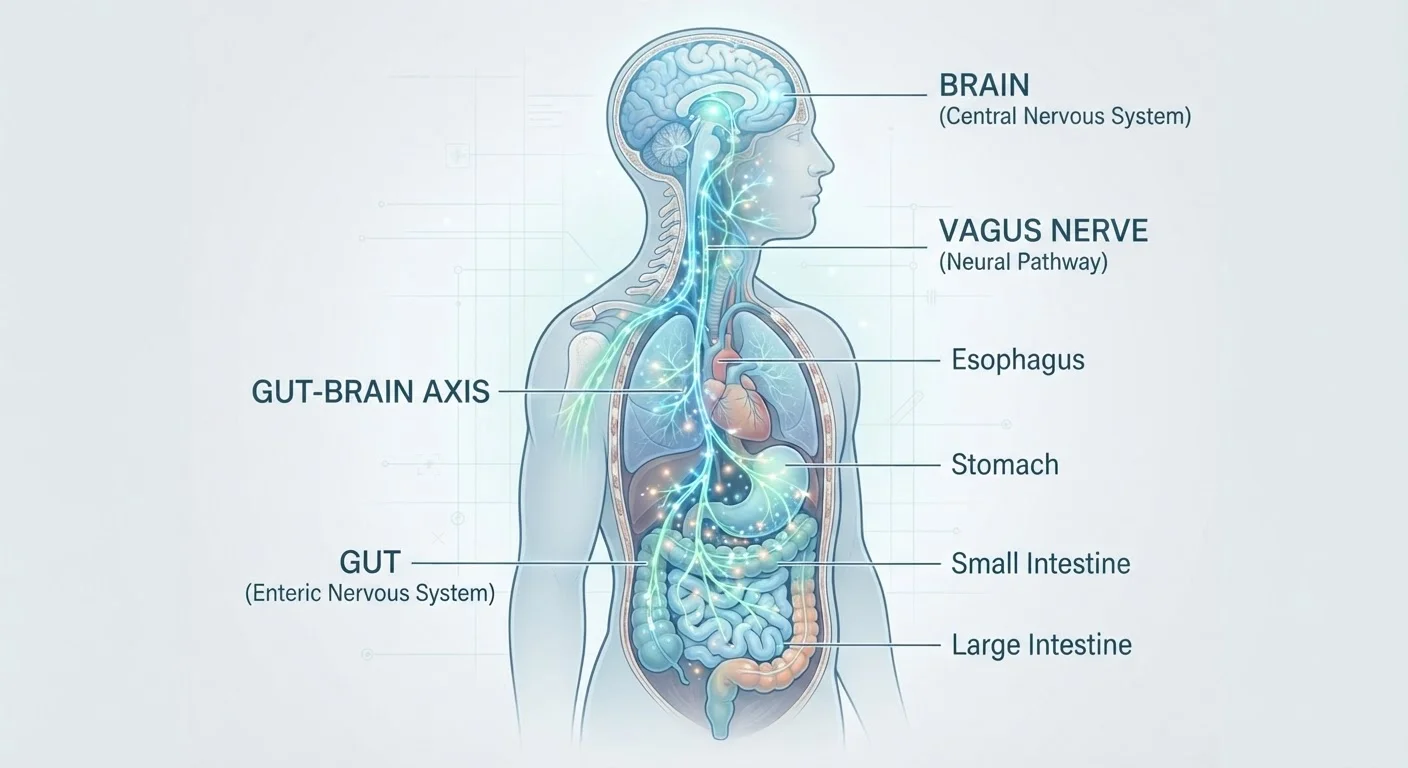
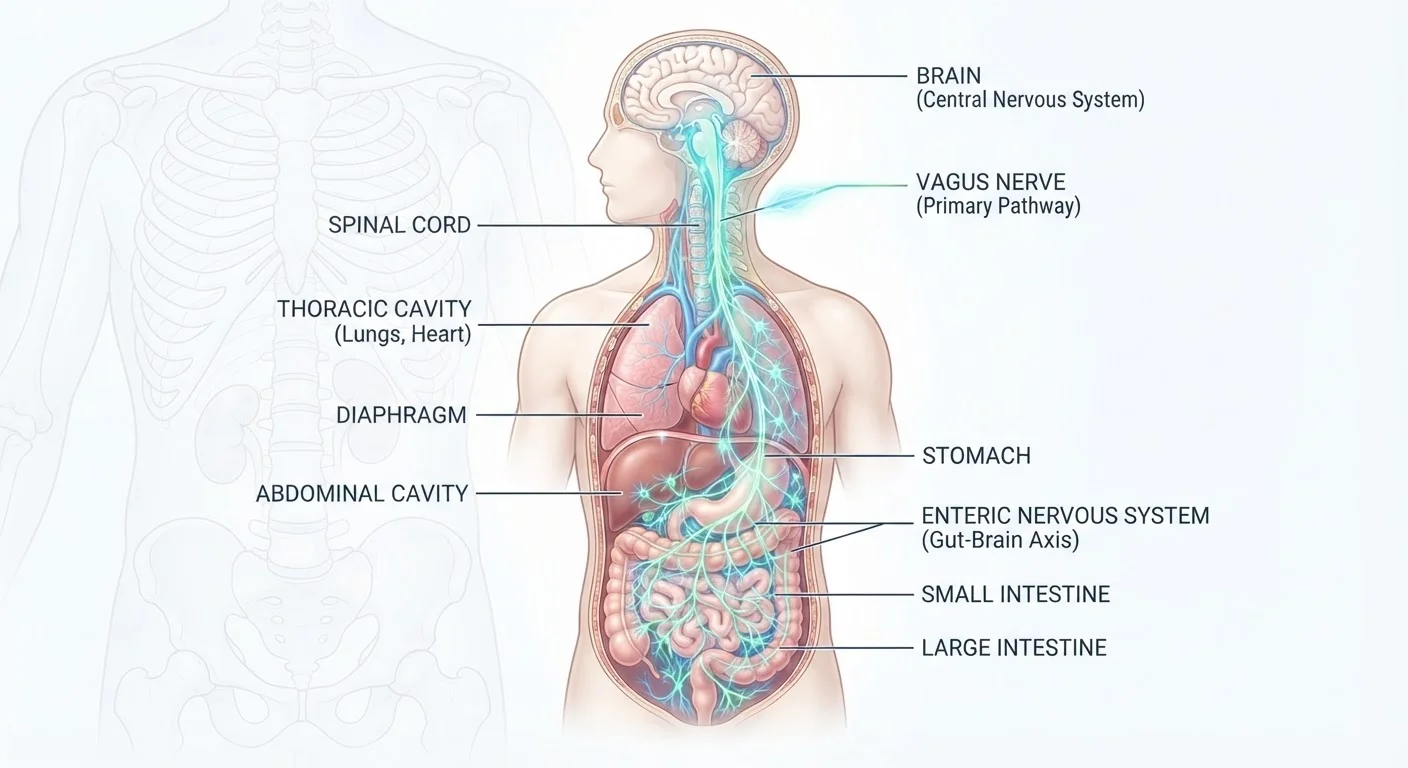
The gut-brain axis - the two-way communication network linking the enteric nervous system, the vagus nerve, immune signalling, and the gut microbiome to the central nervous system - is one of the most genuinely exciting areas in contemporary neuroscience and nutritional research. For a plain-language introduction to how this system works, the science is compelling enough without embellishment.
The problem is that popular accounts frequently compress a complicated, probabilistic science into tidy cause-and-effect stories. Phrases like "your gut controls your mood" or "fix your microbiome, fix your mental health" circulate freely on social media and in wellness marketing. These framings feel intuitive, but they misrepresent the state of the evidence - and can lead people to make poorly informed decisions about their health.
Below, we examine the most common misconceptions, explain why they take hold, and offer a more accurate way to think about each one.
Treating 'gut health affects mood' as equivalent to 'gut health controls mood.'
Why it happens: Headlines that simplify research findings often omit the word 'may' or 'is associated with,' converting cautious correlational language into direct causation.
Believing the gut produces most of the body's serotonin in a way that directly elevates mood.
Why it happens: The statistic that roughly 90-95% of serotonin is produced in the gut is accurate but routinely misapplied. Gut serotonin primarily regulates intestinal movement and does not cross the blood-brain barrier to act as a brain mood signal.
Assuming probiotic supplements are a proven treatment for depression or anxiety.
Why it happens: Early 'psychobiotic' research generated significant media coverage, and supplement marketing has amplified those preliminary findings well beyond what the science currently supports.
Expecting that improving gut health will produce rapid, noticeable improvements in mental wellbeing.
Why it happens: Wellness content often frames dietary changes as quick interventions, while microbiome science shows that meaningful shifts in bacterial communities develop over weeks to months - and their relationship to mood is indirect and variable.
Conflating microbiome diversity with mental health in a linear, more-is-better way.
Why it happens: Research consistently associates greater microbial diversity with health benefits, but this finding is often oversimplified into the idea that any action increasing diversity will proportionally improve mental health.
What a More Accurate Picture Looks Like
None of the corrections above mean gut health is irrelevant to mental wellness - the evidence strongly suggests it plays a meaningful contributory role. Understanding what the gut-brain axis actually is makes it easier to separate credible guidance from overreach.
~38
Psychobiotic trials reviewed in recent meta-analyses
A 2019 systematic review in General Psychiatry examined dozens of probiotic trials and found modest positive signals, while noting that study quality and standardisation remain significant limitations.
~100 trillion
Microbial cells in the human gut
Estimates suggest the gut microbiome contains trillions of microbial cells from thousands of species, underscoring why no single supplement or food can replicate the complexity of a diverse diet.
In practical terms, a dietary pattern rich in diverse plant foods, fermented foods, and adequate fibre appears to support microbiome diversity - which is associated (not causally proven) with more favourable mental health markers in population studies. Building daily habits that support the whole gut-brain system - including sleep, stress management, and physical movement - is a reasonable, evidence-informed strategy.
What it is not is a substitute for professional care when mental health symptoms are significant. If you are managing anxiety, depression, or another mental health condition, gut-focused dietary changes may complement - but should never replace - treatment recommended by a qualified clinician.
Don't Delay Professional Care
If you or someone you know is experiencing persistent low mood, anxiety, or other mental health symptoms, gut-focused dietary changes are not a substitute for professional evaluation. Delaying evidence-based treatment in favour of unproven gut health interventions can allow conditions to worsen. Please speak with a licensed healthcare provider.
This article is for general informational and educational purposes only and does not constitute medical advice. Always consult a qualified healthcare professional before making decisions about your health, diet, or treatment.