
Why the Brain Depends on Dietary Fat
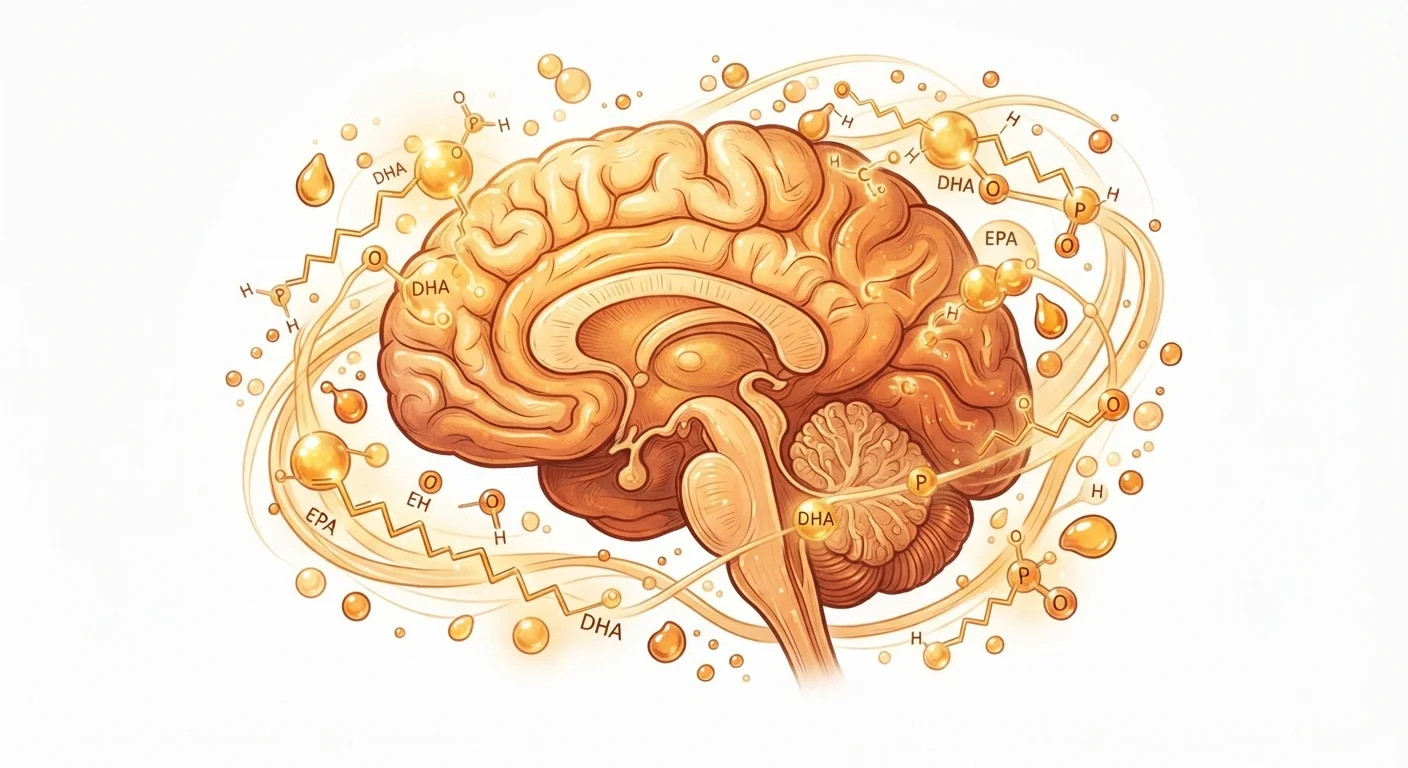
The brain is roughly 60% fat by dry weight, making it the most lipid-rich organ in the body. That fact alone signals why the type of fat you consume matters. Among all dietary fats, omega-3 fatty acids - particularly DHA (docosahexaenoic acid) - are uniquely concentrated in brain tissue and are essential for maintaining the integrity of neural cell membranes.
Because the body cannot synthesize DHA in sufficient quantities, consistent dietary intake is necessary throughout life. Inadequate omega-3 availability during key developmental periods or in adulthood is associated with changes in membrane fluidity, reduced synaptic signaling efficiency, and increased markers of neuroinflammation. For a deeper look at the biology, see how the brain uses fat.
~60%
Brain dry weight that is fat
DHA alone accounts for roughly 10-15% of fatty acids in the cerebral cortex, according to neuroanatomical research.
<1%
ALA converted to DHA in adults
Conversion of plant-derived ALA to DHA is highly inefficient in most adults, underscoring the value of direct dietary sources.
2-3×/week
Fatty fish servings linked to brain benefit
Observational research and dietary guidelines frequently reference this intake pattern as associated with favorable cognitive outcomes.
The Three Omega-3s: Not All Equal in Brain Terms
Understanding omega-3s for brain health requires distinguishing between the three main forms:
- ALA (alpha-linolenic acid): Found in flaxseeds, chia seeds, walnuts, and hemp seeds. ALA is a precursor to EPA and DHA, but human conversion is inefficient - estimated at under 10% for EPA and well under 1% for DHA in most studies.
- EPA (eicosapentaenoic acid): Found primarily in fatty fish and algae. EPA is more involved in modulating inflammatory and immune signaling, and several studies link EPA specifically to mood regulation pathways.
- DHA (docosahexaenoic acid): Also from fatty fish and algae; the dominant structural omega-3 in the brain. DHA supports membrane fluidity, neuroplasticity, and neurotransmitter receptor function.
These distinctions matter when interpreting research. Studies that use EPA-dominant formulations often show different results from those using DHA-dominant or mixed preparations - an important nuance frequently lost in popular health coverage.
Reading Omega-3 Research Critically
When evaluating studies on omega-3s and brain health, check whether the preparation used was EPA-dominant, DHA-dominant, or a combined formulation - and at what dose. Results can differ significantly depending on these variables. A finding from one type of preparation does not automatically apply to another.
What the Research Actually Supports
The scientific literature on omega-3s and brain health spans observational studies, randomized controlled trials, and mechanistic research. Here is an honest summary of where the evidence stands:
Brain structure and development: Evidence is robust that DHA is essential for fetal brain development and remains important in early childhood. Observational data in adults also link higher DHA status with greater gray matter volume in brain regions associated with memory and emotional regulation.
Cognitive aging: Population studies suggest associations between higher dietary omega-3 intake and slower cognitive decline in older adults, but large randomized trials have produced mixed results. The picture is more encouraging for individuals who begin with low baseline omega-3 status. For a comparison with another commonly cited nutrient, see what the evidence shows for vitamin E and cognitive aging.
Mood and mental health: This is an active area of investigation. Meta-analyses have found modest but statistically significant effects of EPA-rich omega-3s on depressive symptoms, particularly as an adjunct to standard care. Evidence for anxiety and other conditions remains more preliminary. Our follow-up article on omega-3s and depression examines the nuances in detail.
“The relationship between omega-3 fatty acids and brain function is one of the more biologically plausible nutrition-cognition links we have, grounded in decades of mechanistic and epidemiological work - though translating that into clinical recommendations still requires careful interpretation of the trial evidence.”
— Nutritional Neuroscience Research Perspective, Reflected across multiple peer-reviewed reviews in the field of nutritional psychiatry
Dietary Sources and Practical Considerations
For most people, diet remains the primary and most reliable route to adequate omega-3 intake. Fatty fish such as salmon, mackerel, sardines, and herring are the richest sources of preformed EPA and DHA. Algae-based options provide DHA - and sometimes EPA - making them a viable route for those following plant-based diets.
If you are considering supplements, it is worth approaching the decision carefully and with professional guidance. Our overview of omega-3 supplements outlines the key questions to raise with a healthcare provider before starting.
Omega-3 intake does not exist in isolation. Broader dietary patterns, gut health, and overall nutrient status all influence how effectively the body uses these fatty acids. The gut-brain connection is one context worth exploring alongside omega-3 science. For a broader view of nutrients linked to cognition, the brain vitamins hub provides useful reference material.
This article is for general informational and educational purposes only. It is not a substitute for professional medical advice, diagnosis, or treatment. Always consult a qualified healthcare professional before making changes to your diet or starting any supplement.