Why Your Plate May Matter for Your Mood
The relationship between what we eat and how we feel is a rapidly growing area of nutritional science. While diet alone cannot treat or prevent any mental health condition, a substantial body of research suggests that consistent dietary patterns - the overall mix of foods eaten regularly - are meaningfully associated with emotional wellbeing. For a deeper look at the science underpinning this connection, see our guide to dietary patterns and the gut-brain conversation.
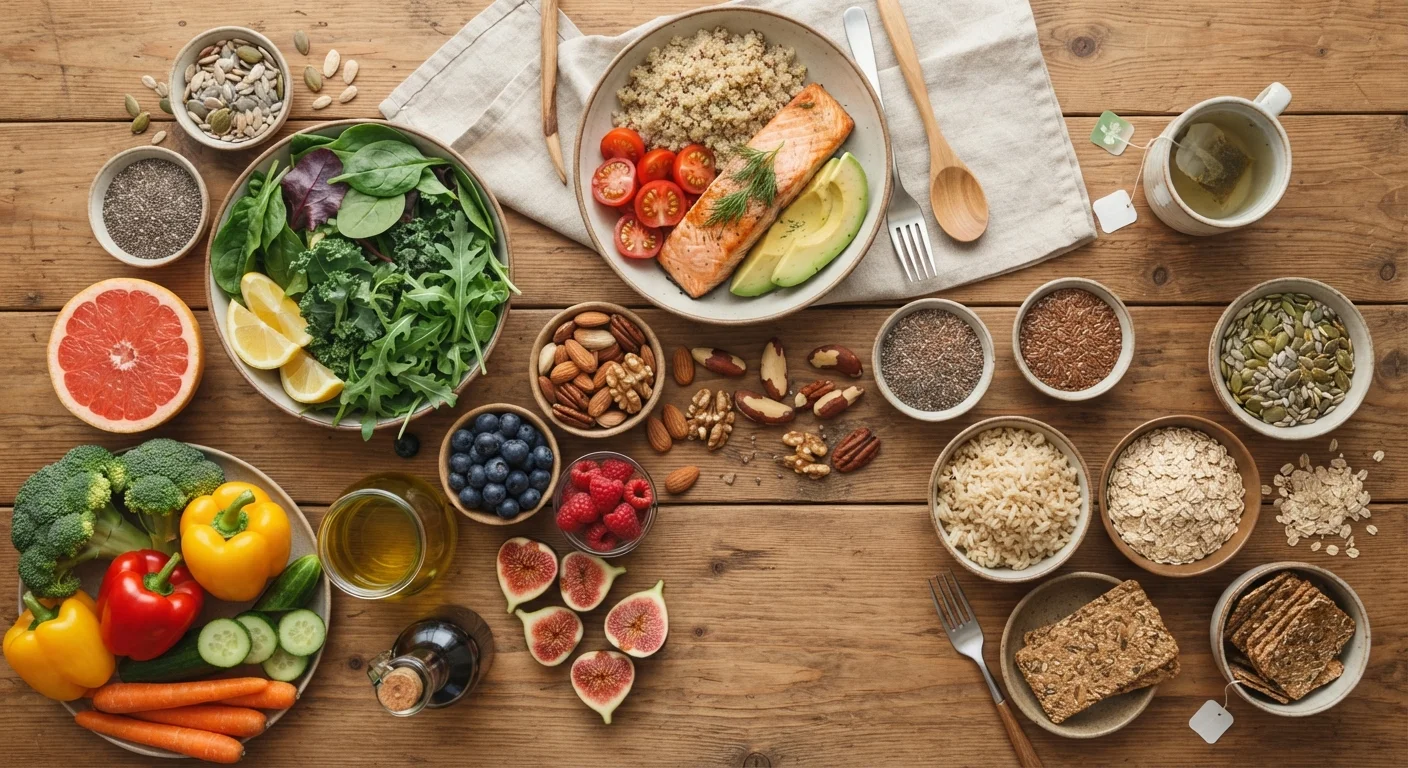
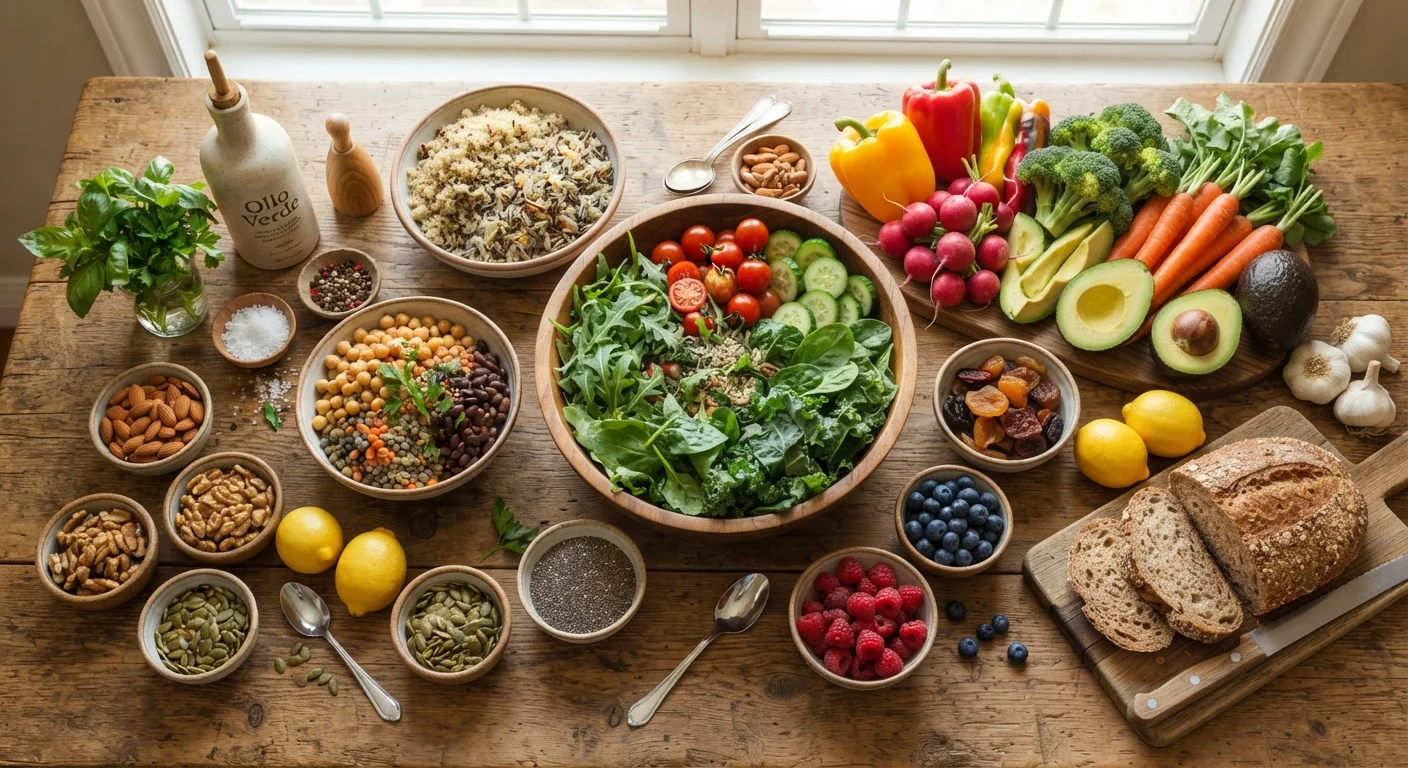
The food groups below appear most consistently across peer-reviewed literature on diet and mood. None should be read as a cure or prescription - but together, they sketch a practical picture of what a mood-supportive plate might look like. If you are managing a mental health condition, always work with a qualified healthcare professional alongside any dietary changes.
Dark Leafy Greens
Spinach, kale, Swiss chard, and similar greens are concentrated sources of folate (vitamin B9), magnesium, and vitamin K. Folate plays a well-documented role in the synthesis of neurotransmitters, including serotonin and dopamine - chemical messengers that influence mood regulation. Low folate status has been associated in several observational studies with higher rates of depressive symptoms, though causality is not fully established.
Magnesium is equally relevant: it is involved in hundreds of enzymatic reactions, including those governing the hypothalamic-pituitary-adrenal (HPA) stress-response axis. Adequate magnesium intake from food sources is linked in population studies to lower self-reported anxiety levels. Aim to include leafy greens in at least one meal daily - sautéed, blended into a smoothie, or added raw to salads.
Folate in leafy greens contributes to neurotransmitter synthesis that underpins everyday mood regulation.
Legumes (Beans, Lentils, and Chickpeas)
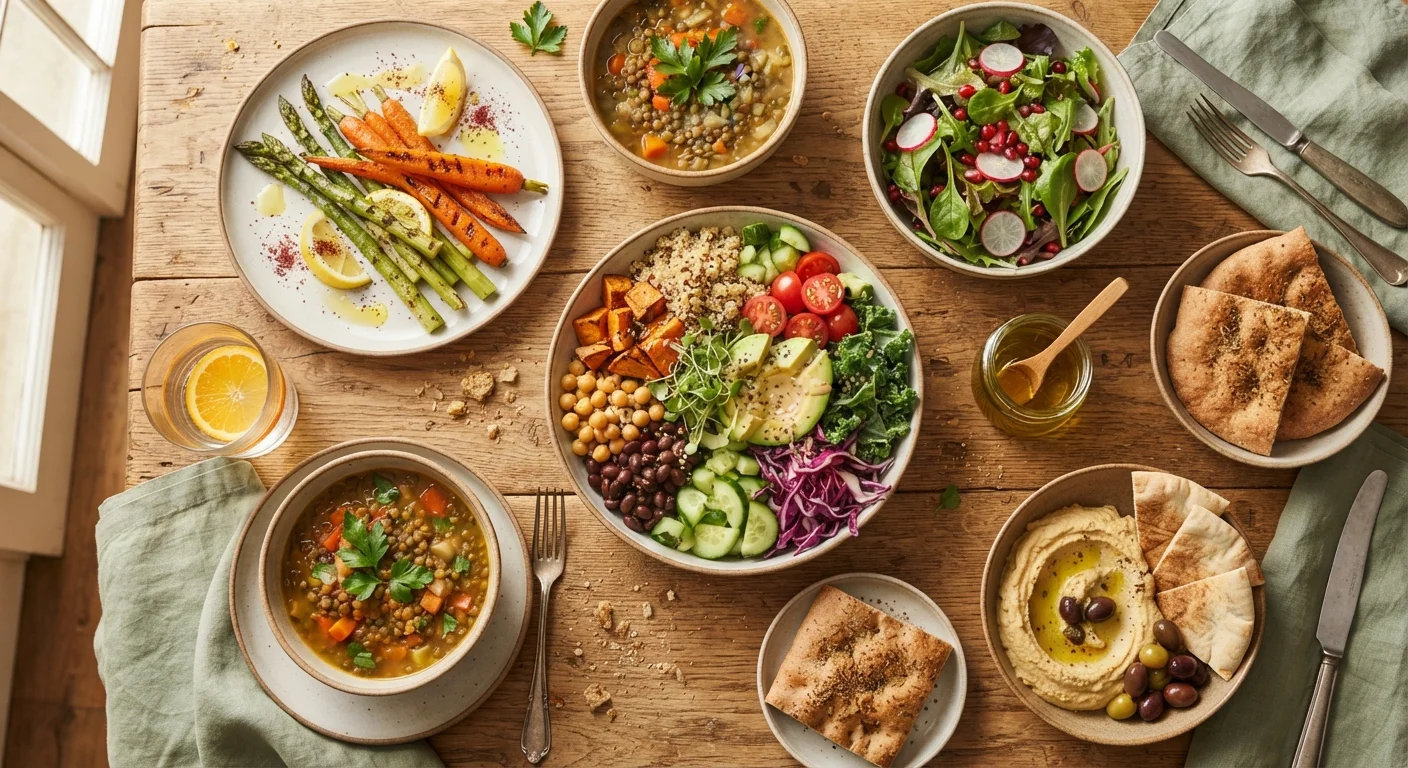
Legumes are a nutrient-dense category that delivers plant protein, complex carbohydrates, fiber, B vitamins, zinc, and iron in one package. The slow-digesting carbohydrates in legumes help maintain steadier blood glucose levels compared to refined starches - relevant because blood sugar swings are associated with irritability and fatigue in healthy adults.
Their high fiber content also serves as a prebiotic fuel source for beneficial gut bacteria, which connects to the gut-brain axis - the bidirectional communication pathway between the digestive system and the brain. Including legumes three to four times per week is a practical, affordable dietary shift supported by multiple healthy-eating frameworks worldwide.
Legumes feed beneficial gut bacteria, linking directly to the gut-brain communication pathway.
Fatty Fish
Salmon, mackerel, sardines, and trout are among the richest dietary sources of long-chain omega-3 fatty acids - specifically EPA (eicosapentaenoic acid) and DHA (docosahexaenoic acid). DHA is a structural component of neuronal cell membranes, and EPA has been studied for its role in neuroinflammation pathways that are increasingly implicated in mood disorders.
Meta-analyses of randomized controlled trials - considered the highest level of evidence - suggest omega-3 supplementation may have a modest positive effect on depressive symptoms, though dietary sources are generally preferred as part of a balanced eating pattern. Two servings of fatty fish per week aligns with widely cited guidance from major dietary frameworks. For a food-first approach to omega-3s, see our omega-3 eating pattern resource.
EPA and DHA from fatty fish are among the most-studied dietary compounds in mood-related nutrition research.
Fermented Foods
Yogurt with live cultures, kefir, kimchi, sauerkraut, miso, and tempeh introduce live microorganisms - probiotics - into the digestive tract. A growing field of research in psychobiotics (the study of how gut microbiota influence brain function) suggests that a more diverse, balanced gut microbiome is associated with more stable mood states, lower perceived stress, and better cognitive resilience.
While the science is still emerging and no single fermented food has been shown to definitively improve mood in clinical settings, regular consumption of a variety of fermented foods is associated with greater microbial diversity - itself considered a marker of a healthy gut. Start with small portions if you are new to fermented foods, as some people experience initial digestive adjustment.
Regular fermented food consumption is linked to greater gut microbial diversity, a key marker of digestive health.
Nuts, Seeds, and Whole Grains
Walnuts, pumpkin seeds, flaxseeds, quinoa, oats, and brown rice collectively provide tryptophan (an amino acid precursor to serotonin), B vitamins, magnesium, selenium, and zinc. Selenium in particular has drawn research interest: studies in populations with lower selenium intake have reported associations with lower mood scores, though dietary selenium from mixed food sources is the safest approach - excess supplementation can be harmful.
Whole grains contribute slow-release energy that avoids the sharp glucose spikes and subsequent crashes associated with refined carbohydrates. Swapping refined bread, white rice, or processed snacks for whole-grain alternatives is one of the most consistently recommended dietary transitions across global nutrition guidelines. Nuts and seeds are also practical snack options that pair protein, healthy fats, and micronutrients in a convenient form. Mood is also sensitive to seasonal influences - for context, see how seasonal changes affect mood.
Whole grains and seeds provide tryptophan and slow-release energy that support stable serotonin production.
Putting It All Together
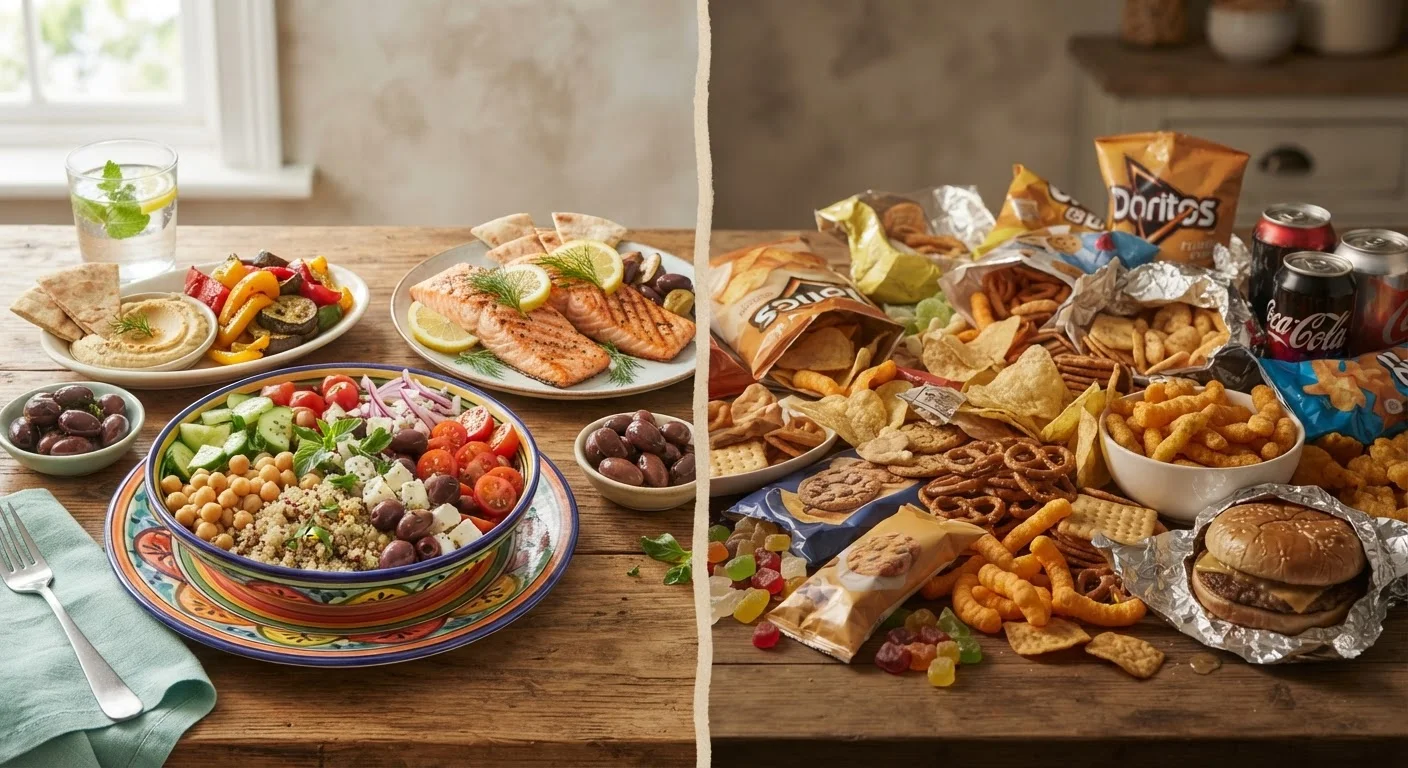
A mood-supportive plate is less about individual foods and more about an overall pattern - one that resembles what nutrition researchers often describe as a whole-food, plant-forward diet. The Mediterranean versus ultra-processed diet comparison illustrates this well: the gap in emotional wellbeing outcomes is driven by pattern, not by any single ingredient.
Start with One Swap, Not a Reinvention
Research on dietary behavior change consistently shows that small, targeted swaps are more sustainable than complete dietary overhauls. Try replacing one refined-grain serving with a whole grain, or adding a handful of leafy greens to a meal you already enjoy. Over weeks, these incremental changes tend to compound into meaningful dietary shifts - without the fatigue that often accompanies drastic restriction.
For those interested in the specific nutrients behind these food groups - including magnesium, B vitamins, and zinc - our nutrients and mood reference guide provides a concise breakdown. And if omega-3 fatty acids caught your attention, the omega-3 eating pattern guide offers practical steps for including more in your daily routine.
This article is for general informational and educational purposes only. It is not a substitute for professional medical or nutritional advice, diagnosis, or treatment. Consult a qualified healthcare provider before making significant changes to your diet, particularly if you have an existing health condition.