Why Food-First Matters for Omega-3 Intake
Omega-3 fatty acids are long-chain polyunsaturated fats that the body cannot synthesize on its own - making dietary intake essential. They play documented roles in cell membrane integrity, inflammation regulation, and brain signaling. For anyone interested in nutritional support for mental wellness, understanding where omega-3s come from in food is a logical starting point.
The three forms most relevant to human health are ALA (alpha-linolenic acid), EPA (eicosapentaenoic acid), and DHA (docosahexaenoic acid). Each behaves differently in the body. For a detailed breakdown of how these three forms compare, see ALA, DHA, and EPA: The Omega-3 Family Explained.
Dietary sources fall into two broad categories: marine sources, which deliver EPA and DHA directly, and plant sources, which supply ALA - a precursor the body converts to EPA and DHA only in limited amounts.
| Essential nutrient status | Cannot be synthesized by the body; must come from diet |
| Main dietary forms | ALA (plant-based), EPA and DHA (marine and algae-based) |
| Recommended seafood intake (adults) | At least 8 oz per week (Dietary Guidelines for Americans, 2020-2025) |
| ALA-to-DHA conversion efficiency | Estimated below 1-4% in most adults (Burdge & Calder, Reproduction Nutrition Development, 2005) |
| Richest plant ALA source per serving | Ground flaxseed (~1.6g ALA per tablespoon) (USDA FoodData Central) |
| Vegan DHA option | Algae-derived DHA oil (bypasses fish entirely) |
Marine Sources: Direct EPA and DHA
Oily fish represent the most efficient dietary pathway to EPA and DHA. These fatty acids are found concentrated in the flesh and oils of cold-water species, where they serve a structural role in the fish's own cell membranes.
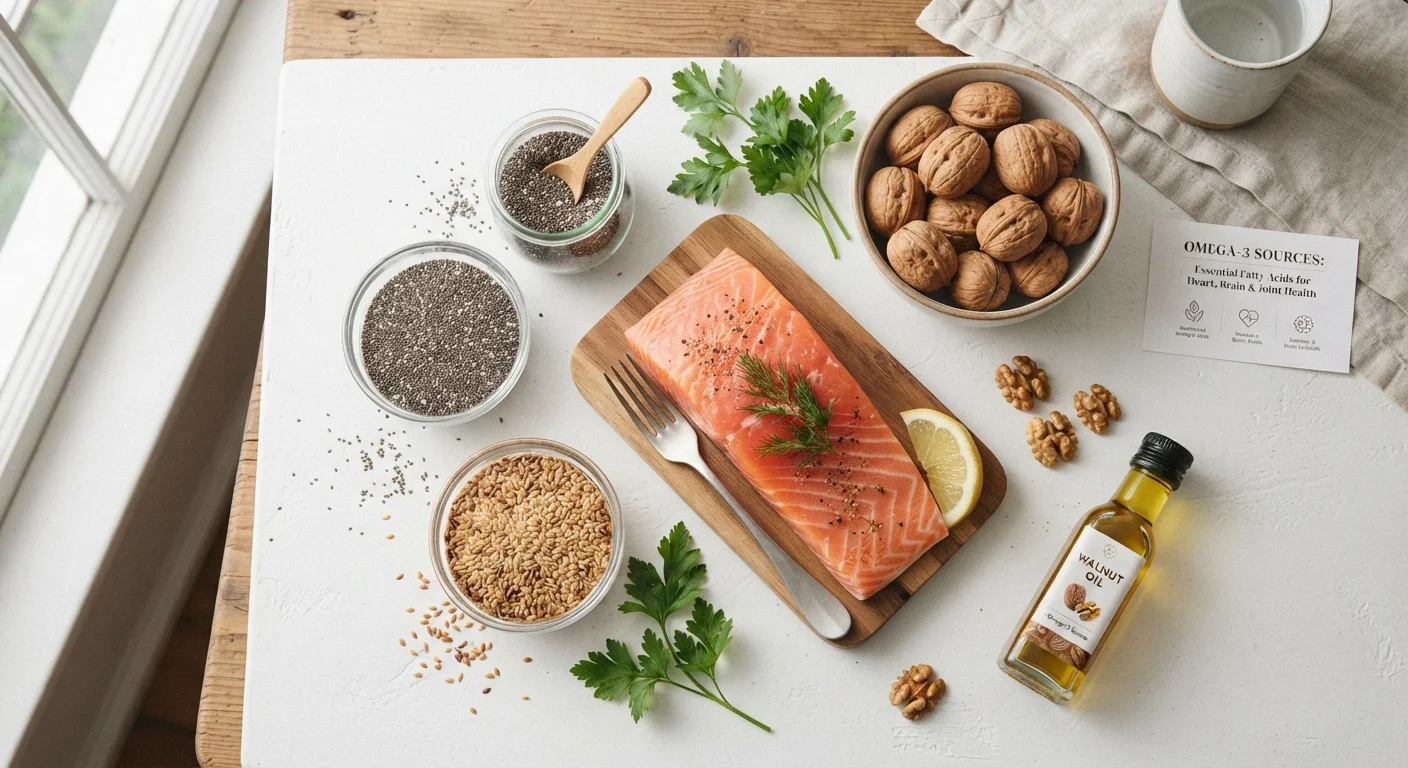
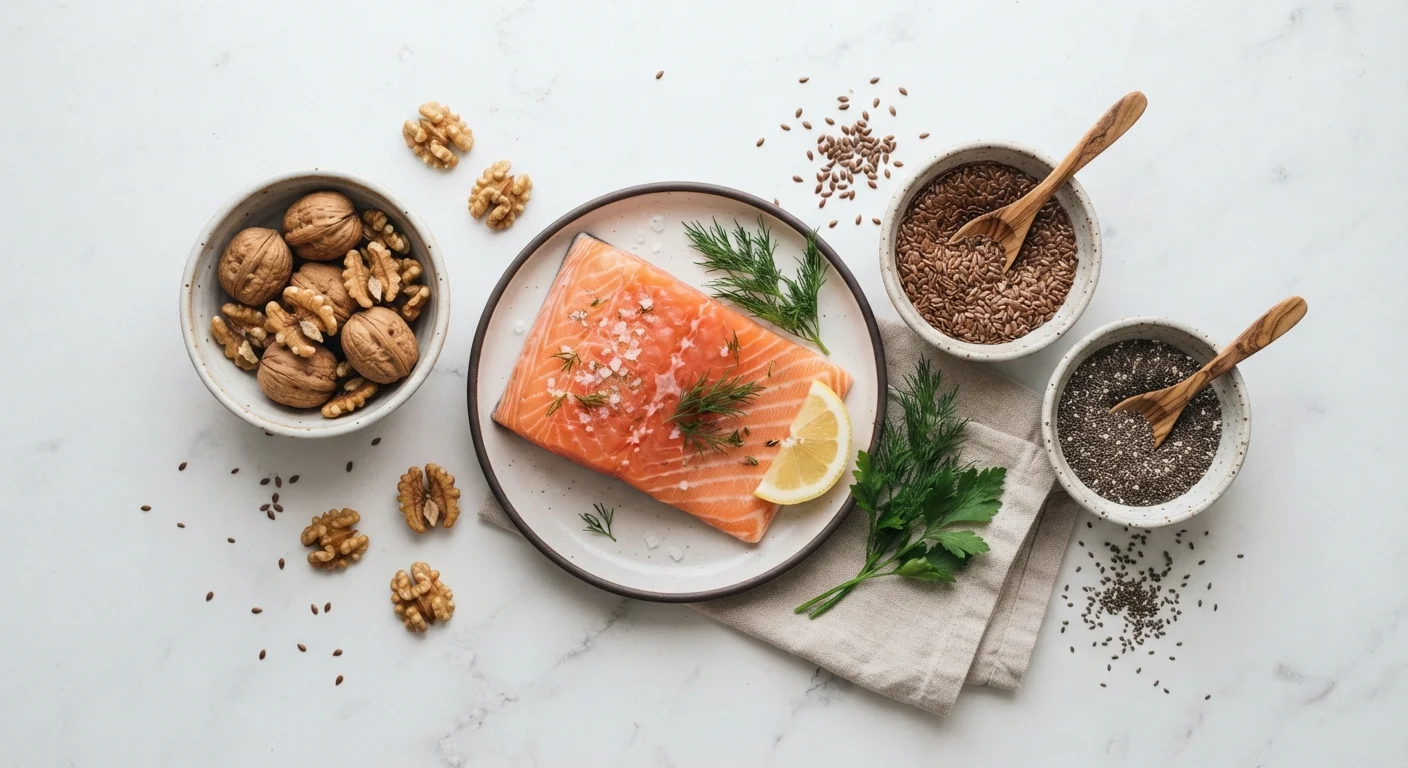
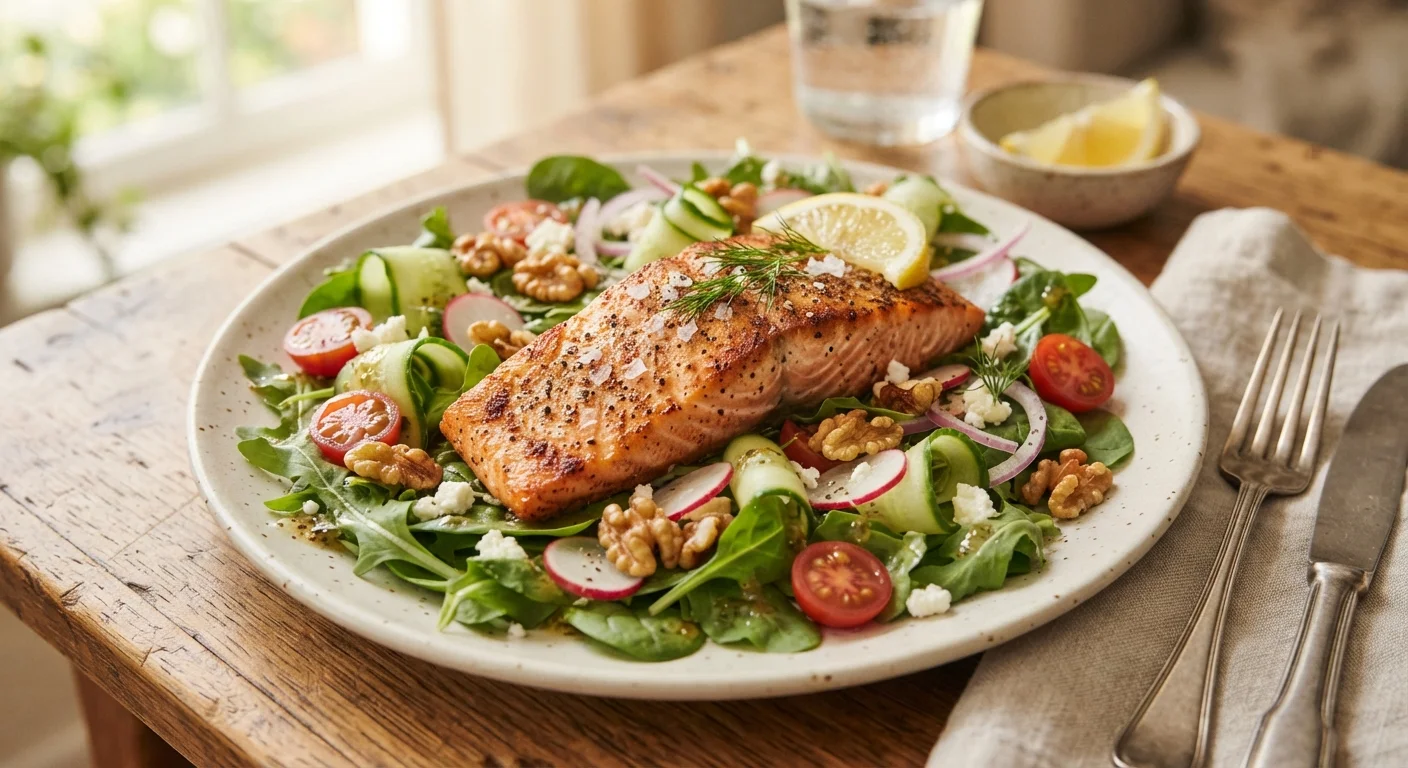
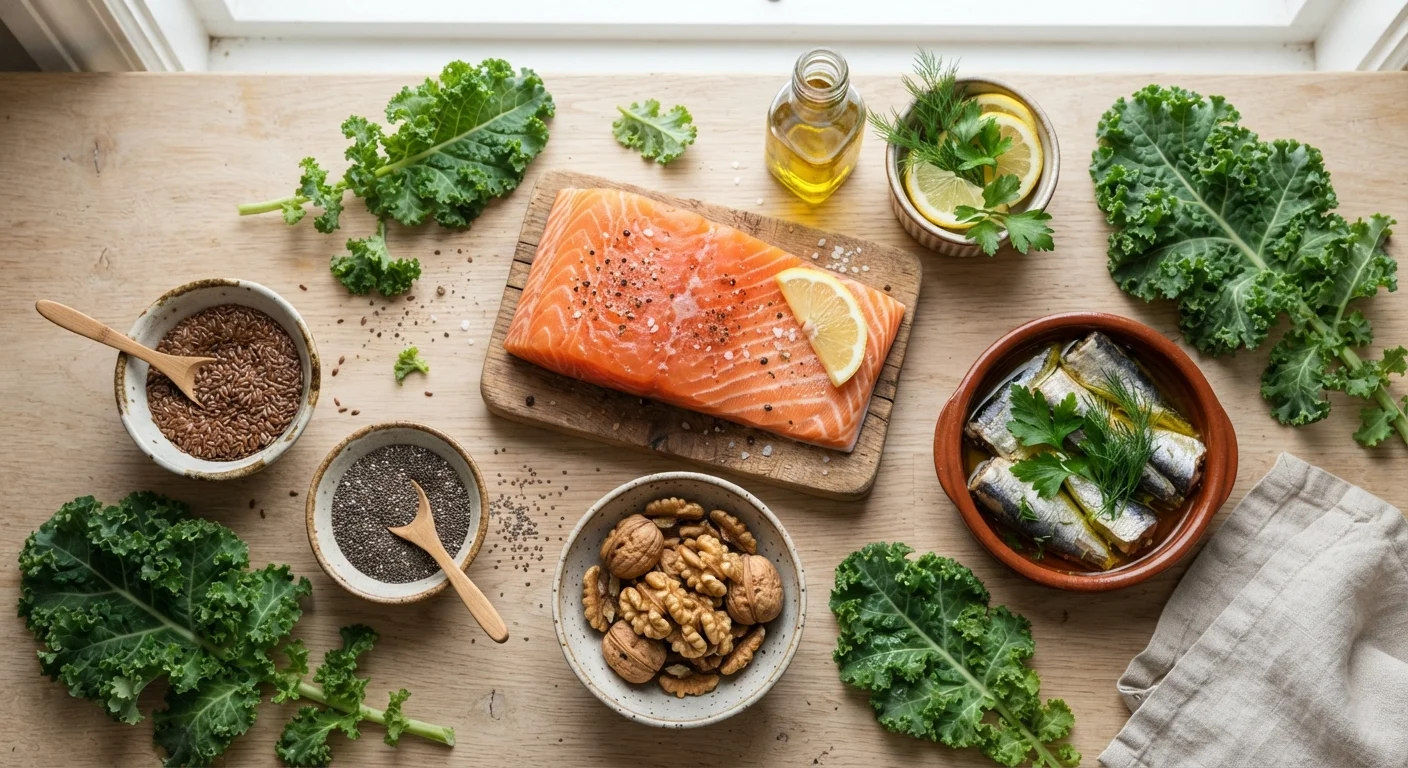
- Salmon - Among the richest sources; a 3.5 oz (100g) serving of farmed Atlantic salmon provides roughly 2-3g of combined EPA and DHA, though wild-caught varieties vary.
- Mackerel - Particularly high in EPA and DHA; also a cost-accessible option in most US markets.
- Sardines - Canned sardines retain meaningful EPA and DHA levels and are shelf-stable.
- Herring - Comparable to sardines; commonly available smoked or pickled.
- Anchovies - Small serving sizes still contribute useful amounts of EPA and DHA.
- Tuna - Canned light tuna contains moderate EPA and DHA; albacore tends to be higher but also carries higher mercury consideration.
- Oysters and mussels - Shellfish are an overlooked marine source, providing modest but genuine EPA and DHA content.
The Dietary Guidelines for Americans recommend at least 8 oz of seafood per week for most adults, which typically supports adequate EPA and DHA intake for general health.
<10%
ALA converted to EPA in the body
Conversion from plant-based ALA to the active marine forms EPA and DHA is limited in most healthy adults, per published metabolic studies.
8 oz
Weekly seafood target for US adults
The Dietary Guidelines for Americans (2020-2025) recommend at least 8 oz of a variety of seafood per week for most adults.
2-3g
EPA + DHA per 100g serving of farmed salmon
Farmed Atlantic salmon is among the highest dietary sources of combined EPA and DHA per serving, according to USDA nutrient data.
Plant Sources: ALA and Its Conversion Limits
For those who do not eat fish, plant foods supply ALA - the shortest-chain omega-3. The body can convert ALA into EPA and then DHA, but conversion efficiency is low. Research estimates suggest fewer than 10% of ALA is converted to EPA, and conversion to DHA is substantially lower still. This matters most for people relying exclusively on plant sources.
- Flaxseed (ground) - One tablespoon of ground flaxseed provides approximately 1.6g of ALA. Ground form improves bioavailability compared to whole seeds.
- Chia seeds - Around 5g of ALA per ounce; also a useful source of fiber and minerals.
- Walnuts - A 1 oz serving provides roughly 2.5g of ALA, making them the most ALA-dense nut.
- Hemp seeds - Contain ALA alongside a notable ratio of omega-6, though total omega-3 content is lower than flaxseed.
- Flaxseed oil - Concentrated ALA source; heat-sensitive and best used cold.
- Canola oil and soybean oil - Common cooking oils with moderate ALA content; not primary sources but contribute to overall intake.
- Edamame and tofu - Provide small amounts of ALA alongside plant protein.
Algae-based DHA oil is an increasingly available option for vegans, as it bypasses the conversion problem by delivering DHA directly from the same microalgae that fish consume.
To understand the brain-specific roles of EPA and DHA in more depth, see Omega-3 Fatty Acids and the Brain: What the Science Actually Says. For an overview of what research shows about omega-3s and emotional wellbeing, see Omega-3 Fatty Acids and Emotional Health: What the Research Actually Shows.
ALA (Alpha-Linolenic Acid)
The plant-derived omega-3 fatty acid found in flaxseed, walnuts, and chia seeds. It is considered essential because the body cannot produce it, but must convert it to EPA and DHA to fulfill most omega-3 functions.
EPA (Eicosapentaenoic Acid)
A long-chain omega-3 found primarily in marine sources. EPA plays a role in regulating inflammation and has been studied for its potential influence on mood and emotional health.
DHA (Docosahexaenoic Acid)
The most abundant omega-3 in the brain and retina. DHA is critical to brain cell membrane structure and is found in high concentrations in oily fish and algae-based oils.
Bioavailability
The proportion of a nutrient that is absorbed and available for use by the body. Bioavailability affects how much nutritional value is actually gained from a food source.
Algae-based DHA
DHA derived from microalgae rather than fish. Because fish accumulate DHA by consuming algae, algae-based oils deliver the same fatty acid directly, making them suitable for vegans.
Practical Considerations for Improving Intake
Translating food knowledge into consistent dietary habits requires some practical grounding:
- Prioritize oily fish if appropriate - Two servings of oily fish per week covers general EPA and DHA needs for most adults. Preparation method matters: baking or grilling preserves omega-3 content better than deep frying.
- Use ground flaxseed, not whole - Whole flaxseeds largely pass through undigested; grinding them allows ALA to be absorbed.
- Store sensitive oils correctly - Flaxseed oil degrades quickly when exposed to heat or light; refrigerate and use within weeks of opening.
- Balance omega-6 intake - Most Western diets are high in omega-6 fatty acids (from processed vegetable oils), which compete with omega-3 metabolic pathways. Reducing processed food intake supports better omega-3 utilization.
- Consider algae-based DHA if plant-based - Those following vegan or vegetarian diets who are concerned about DHA adequacy should discuss algae-derived DHA with a healthcare professional.
If you are considering supplementation alongside dietary changes, Omega-3 Supplements: What to Understand Before You Start provides a balanced overview of the evidence and key questions to discuss with your provider.
This article is for general informational and educational purposes only and does not constitute medical or dietary advice. Individual nutritional needs vary. Consult a qualified healthcare professional or registered dietitian before making significant changes to your diet, particularly if you have an existing health condition or are pregnant.