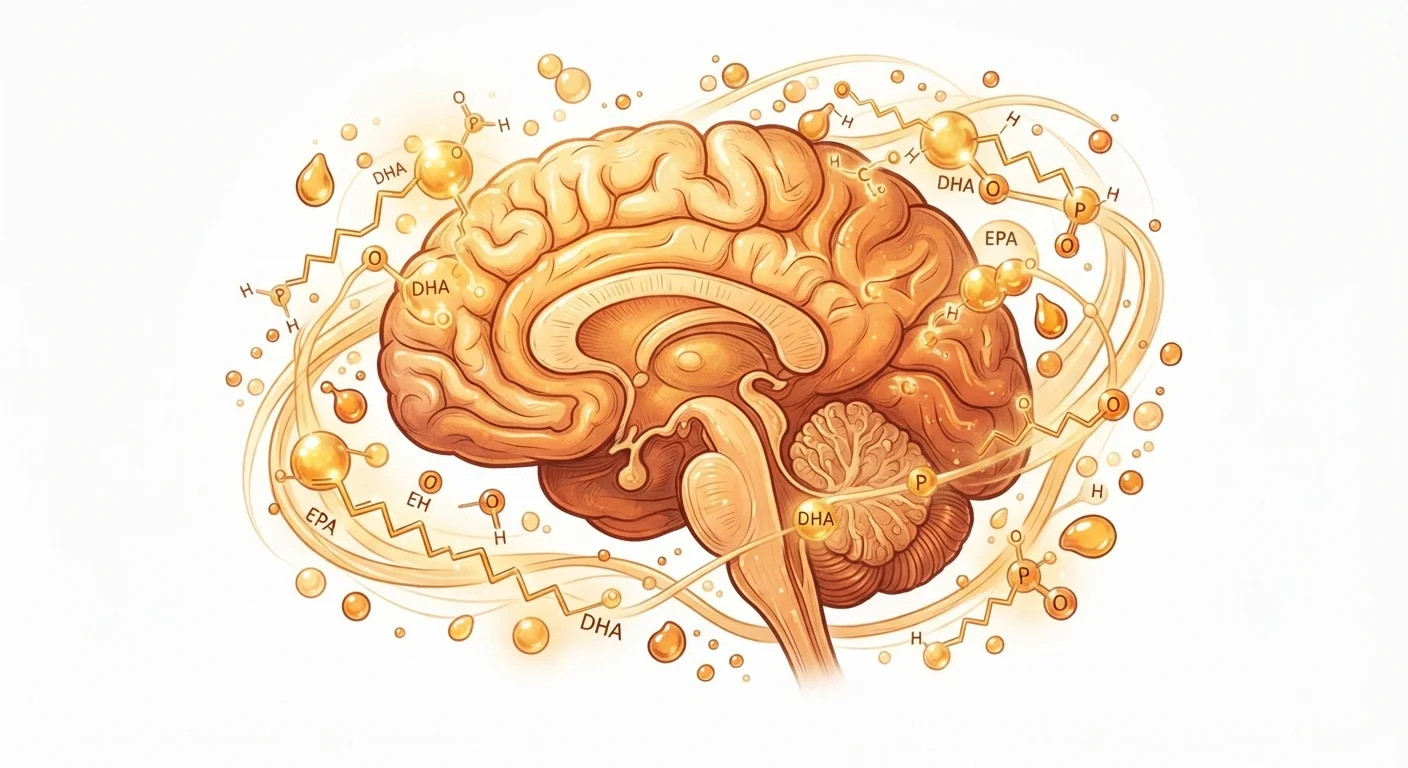

What Are Omega-3 Fatty Acids?
Omega-3 fatty acids are a family of polyunsaturated fats that the human body requires for a wide range of functions - from building cell membranes to supporting the immune response. Unlike saturated fats, which the body can manufacture on its own, the primary omega-3 precursor must come from the diet, making adequate intake a genuine nutritional concern.
There are three omega-3s most relevant to human health: ALA (alpha-linolenic acid), EPA (eicosapentaenoic acid), and DHA (docosahexaenoic acid). Each has a distinct source, chemical structure, and role in the body. Understanding these differences is the foundation for making sense of omega-3 nutrition.
ALA (Alpha-Linolenic Acid)
A plant-based omega-3 fatty acid found in foods like flaxseed and walnuts. It is classified as essential because the human body cannot produce it on its own.
EPA (Eicosapentaenoic Acid)
A long-chain omega-3 fatty acid found mainly in fatty fish and marine sources. It plays a role in reducing inflammation and has been studied for its effects on mood.
DHA (Docosahexaenoic Acid)
A long-chain omega-3 that is a major structural component of the brain and retina. It is critical for brain development and ongoing cognitive function.
Essential fatty acid
A fat that the body needs but cannot manufacture itself, so it must come from food or supplements.
Conversion efficiency
How effectively the body transforms one nutrient into another - in this context, how much dietary ALA the body actually converts into EPA and DHA.
Anti-inflammatory pathway
A biological process that helps reduce chronic inflammation in the body, which research has linked to mood disorders and other health conditions.
ALA: The Plant-Based Omega-3
ALA is classified as an essential fatty acid - the body cannot synthesize it, so it must be obtained through food. It is the most widely consumed omega-3 in many Western diets, found in flaxseed, chia seeds, walnuts, hemp seeds, and certain plant oils.
ALA serves as the metabolic starting point for the omega-3 pathway. In theory, the body can use enzymes to convert ALA into the longer-chain forms EPA and DHA. In practice, this process is limited in most people, which has significant implications for those relying on plant sources alone.
For more on how plant-based diets relate to omega-3 intake, see what vegans and vegetarians should know about plant-based omega-3s.
EPA and DHA: The Marine Omega-3s
EPA and DHA are long-chain omega-3 fatty acids found primarily in fatty fish such as salmon, mackerel, sardines, and herring, as well as in certain algae. They are structurally more complex than ALA and serve different physiological purposes.
EPA is most associated with anti-inflammatory activity. It influences the production of signaling molecules called eicosanoids and resolvins, which help regulate inflammation. Emerging research suggests this anti-inflammatory role may have relevance for mood disorders, though the evidence remains active and nuanced.
DHA is a structural cornerstone of the brain. It makes up a substantial proportion of the fatty acid content in the cerebral cortex and is integral to the fluidity and function of neural cell membranes. The role of omega-3s in neural structure explains in more detail how the brain depends on DHA at the cellular level.
Think About Your Omega-3 Source, Not Just Quantity
When reviewing your diet, it helps to identify which type of omega-3 you are actually consuming. Eating flaxseed provides ALA, while eating salmon provides EPA and DHA directly. These are not interchangeable in the body, and knowing the difference helps you make more informed choices. If you are uncertain about your intake, a registered dietitian can help assess your diet.
Why Conversion Efficiency Matters
The body's ability to convert ALA into EPA and DHA is real but limited. Research estimates suggest that less than 10% of dietary ALA is converted to EPA in most adults, and DHA conversion is considerably lower still - often under 1%. Several factors influence conversion rates, including overall diet composition, sex, age, and genetics.
Conversion From ALA Is Not Guaranteed
Many people assume that eating plenty of plant-based omega-3 foods automatically provides sufficient EPA and DHA. Research consistently shows that human conversion of ALA to these longer-chain forms is limited - often well below 10% for EPA and far less for DHA. Relying solely on ALA-rich foods may not meet the body's needs for these specific fatty acids, particularly for brain health.
This gap between ALA intake and EPA/DHA availability is particularly relevant for people on plant-based diets, those with higher physiological demand (such as during pregnancy), and anyone whose diet is low in direct sources of EPA and DHA. Algae-based supplements represent one plant-derived alternative that delivers DHA - and sometimes EPA - directly, bypassing the conversion step altogether.
For a practical look at dietary sources, see how to get omega-3s from food.
Omega-3s and Mental Wellness: The Bigger Picture
Of all the nutrients studied in relation to mental health, omega-3 fatty acids - particularly EPA and DHA - have attracted some of the most sustained scientific interest. DHA's role as a structural component of brain tissue gives it a foundational relevance that few other dietary fats can claim. EPA's involvement in inflammatory pathways adds another dimension, given growing evidence linking chronic low-grade inflammation to mood and cognitive outcomes.
Omega-3 Research Is Still Evolving
While the role of DHA in brain structure is well-established, the clinical significance of supplementing EPA and DHA for mental health conditions is still being actively researched. Some findings are promising, but not all studies agree, and effects can vary by individual, condition, and baseline intake. Always interpret emerging findings in this area with appropriate caution.
This does not mean omega-3s are a treatment for any mental health condition. Rather, they represent a nutritional foundation that supports the biological systems underlying brain health. For a thorough look at what the current evidence actually shows, see omega-3 fatty acids and the brain.
If you are considering whether supplements might be relevant for you, what to understand before starting omega-3 supplements offers a balanced starting point. As always, decisions about supplementation should be made in consultation with a qualified healthcare professional.
Omega-3 Fatty Acids and the Brain: What the Science Actually Says
A deeper look at the research on omega-3s and brain function, covering how these fats interact with neural structure and mood regulation.
Getting Omega-3s from Food: A Practical Guide to Dietary Sources
Explore which foods contain ALA, EPA, and DHA, and how different dietary sources are absorbed and used by the body.
Plant-Based Omega-3s and Brain Health: What Vegans and Vegetarians Should Know
A focused look at how those following plant-based diets can approach omega-3 intake, including the role of algae-based sources.
Omega-3 Supplements: What to Understand Before You Start
A balanced overview of the evidence on omega-3 supplementation, including limitations and questions to raise with a healthcare professional.
This article is for general informational purposes only and does not constitute medical or dietary advice. Consult a qualified healthcare professional before making changes to your diet or starting any supplement.