
The Core Biological Difference
Vitamins are classified by how they dissolve and move through the body - and this single biological fact determines everything about how they interact with the brain. Fat-soluble vitamins (A, D, E, and K) dissolve in lipids and are packaged into chylomicrons for transport through the lymphatic system before entering the bloodstream. Surplus amounts are deposited in adipose tissue and the liver, where they can persist for weeks or months.
Water-soluble vitamins - the eight B vitamins and vitamin C - dissolve directly in water, absorb readily through the intestinal wall, travel in the blood plasma, and are excreted by the kidneys when intake exceeds immediate need. The body holds very little in reserve.
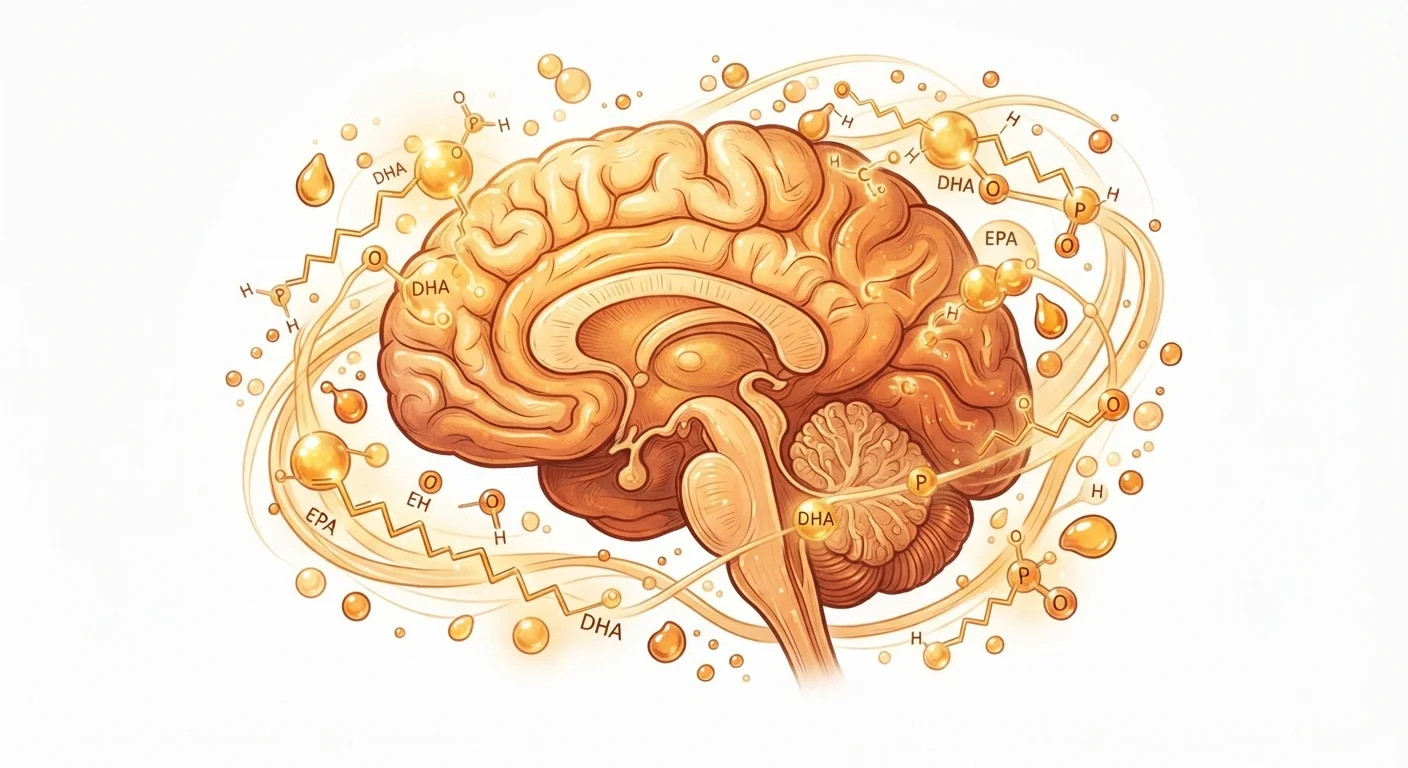
For the brain, which is approximately 60% fat by dry weight (see how dietary fat supports neural structure), this distinction has real consequences. Fat-soluble vitamins must travel in lipid carriers to cross into brain tissue. Water-soluble vitamins must be replenished continuously because the brain cannot call on large stored reserves when dietary intake falters.
| Criterion | Fat-Soluble (A, D, E, K) | Water-Soluble (B-complex, C) |
|---|---|---|
| Storage in body | Stored in fat tissue and liver | Minimal storage; excreted in urine |
| Speed of deficiency onset | Slow - months of poor intake | Faster - weeks under stress or poor diet |
| Toxicity risk from excess | Possible with high-dose supplements | Low; excess typically excreted |
| Key brain roles | Neuroprotection, mood, neurogenesis | Energy metabolism, neurotransmitter synthesis, myelin |
| Absorption requirement | Requires dietary fat for uptake | Absorbed directly; no fat required |
| Primary cognitive risk of deficiency | Low mood, oxidative damage, memory decline | Brain fog, poor focus, mood instability |
How Each Category Affects Brain Chemistry
Fat-soluble vitamins support neural architecture and neuroprotection over longer timeframes. Vitamin D functions more like a hormone than a classic vitamin: its receptors are found throughout the brain, and research consistently associates low vitamin D status with increased risk of low mood and cognitive decline. Vitamin E acts as an antioxidant within cell membranes, protecting neurons from oxidative damage. Vitamin A influences neurogenesis - the formation of new nerve cells - particularly in the hippocampus, a region central to memory.
Water-soluble vitamins, by contrast, operate in the moment. B vitamins are cofactors in nearly every energy-producing pathway neurons depend on. B12 and folate are critical for synthesizing the myelin sheath that insulates nerve fibers and for regulating homocysteine, an amino acid that at elevated levels is associated with cognitive impairment. B6 is required for producing serotonin, dopamine, and GABA - neurotransmitters central to mood, motivation, and anxiety regulation. B1 (thiamine) is so important for glucose metabolism in the brain that severe deficiency can cause acute neurological crisis.
~42%
US adults with vitamin D insufficiency
Data from the National Health and Nutrition Examination Survey (NHANES) indicate that roughly 42% of US adults have insufficient vitamin D serum levels.
1 in 6
US adults low in vitamin B12
Research using NHANES data estimates that approximately 1 in 6 American adults has low or marginally low B12 status, with older adults and those avoiding animal products at highest risk.
8
B vitamins acting as neural cofactors
All eight B vitamins function as enzymatic cofactors in pathways the nervous system depends on, including energy production, DNA synthesis, and neurotransmitter formation.
Because these nutrients are cleared quickly, anyone under chronic stress, consuming a restricted diet, or relying on alcohol as a caloric source is at meaningful risk of water-soluble vitamin gaps - gaps that erode cognitive performance gradually rather than all at once.
Deficiency Patterns and What They Mean for Mental Performance
Because fat-soluble vitamins are stored, deficiency typically develops slowly - often over months of chronically poor intake or malabsorption. Vitamin D insufficiency is a notable exception: large segments of the adult population in northern latitudes are deficient year-round due to limited sun exposure, and dietary sources alone rarely compensate. Low vitamin D status has been linked in multiple observational studies to depressive symptoms and reduced executive function, though it is important to note these associations do not confirm causation.
Water-soluble vitamin deficiencies can emerge more quickly and announce themselves through cognitive symptoms first. Mild B12 insufficiency, which is common in older adults and in those following strict plant-based diets, may present as brain fog, difficulty concentrating, and mood instability before any blood marker moves dramatically into the deficient range. B1 deficiency, common in heavy alcohol use, can impair working memory within weeks.
Special Populations Need Extra Attention
Older adults, pregnant individuals, those following strict vegan or vegetarian diets, and people with gastrointestinal conditions affecting absorption face elevated risk of deficiency in both vitamin categories. Certain common medications - including metformin and proton pump inhibitors - are also associated with reduced B12 absorption. If you fall into any of these groups, a conversation with your healthcare provider about routine vitamin status monitoring is particularly warranted.
Dietary variety remains the most reliable strategy for maintaining adequacy across both categories. Pairing fat-soluble vitamin sources with a small amount of dietary fat improves absorption - a consideration also relevant to omega-3 fatty acid intake and overall brain membrane health. Anyone concerned about their vitamin status should discuss testing and any supplementation with a qualified healthcare provider before making changes.
This article is for general informational and educational purposes only. It is not a substitute for professional medical advice, diagnosis, or treatment. Always consult a qualified healthcare professional about any health concerns or before making changes to your diet or supplement routine.