
Why Food and Mood Are Connected
The idea that what you eat affects how you feel is not simply folk wisdom - it has a growing body of nutritional science behind it. The mechanism most researchers point to is the gut-brain axis: a two-way communication network linking your gastrointestinal tract and your central nervous system via the vagus nerve, immune signals, and microbial metabolites.
Your gut microbiome - the trillions of bacteria living in your digestive system - produces and regulates many of the neurotransmitters involved in mood, including roughly 90% of the body's serotonin. When the diet is low in fiber and high in ultra-processed foods, microbial diversity tends to decline, and this can disrupt those signaling pathways. For a comprehensive look at how these biological mechanisms translate into daily habits, see Diet and Mood: The Whole Picture.
Gut-brain axis
A two-way communication system connecting the digestive tract and the brain through nerves, hormones, and immune signals. It means the state of your gut can directly influence your mood and vice versa.
Gut microbiome
The vast community of bacteria and other microorganisms living in your intestines. These microbes help digest food, regulate immunity, and produce chemicals that affect brain function.
Neurotransmitter
A chemical messenger in the brain and nervous system that carries signals between nerve cells. Serotonin and dopamine are examples that strongly influence mood and motivation.
Neuroinflammation
Inflammation occurring within the brain or nervous system. Chronic neuroinflammation has been linked to depressive symptoms in some research, and diet is one factor thought to influence it.
Dietary pattern
The overall combination of foods and drinks a person regularly consumes, rather than any single food or nutrient. Research increasingly looks at patterns because nutrients interact and work together.
Omega-3 fatty acids
A type of polyunsaturated fat found in oily fish, flaxseed, and walnuts. EPA and DHA - forms found mainly in marine sources - are particularly studied for their roles in brain health.
Key Nutrients That Support Emotional Health
No single nutrient is a magic fix, but several have well-characterized roles in brain function and mood regulation:
- Omega-3 fatty acids (especially EPA and DHA, found in fatty fish and some algae) are structural components of brain cell membranes and are involved in reducing neuroinflammation. For practical guidance on incorporating them, see Building an Omega-3-Rich Eating Pattern.
- B vitamins - particularly folate (B9), B6, and B12 - are essential co-factors in synthesizing serotonin and dopamine. Deficiencies are associated with depressive symptoms in several observational studies.
- Magnesium plays a role in over 300 enzymatic reactions, including those regulating the stress response. Many adults in the US consume less than the recommended amount.
- Zinc is involved in neurogenesis and has been studied in relation to both anxiety and depression.
For a structured reference covering these and other nutrients, Nutrients Linked to Mood Regulation is a useful companion resource.
Food First, Supplements Second
Whole foods deliver nutrients within a complex matrix of fiber, phytonutrients, and other compounds that supplements cannot fully replicate. Where a deficiency is suspected - for example, low B12 in someone following a vegan diet - a healthcare provider can test and advise on targeted supplementation. Don't assume supplementation is needed without guidance.
Dietary Patterns Linked to Mood Stability
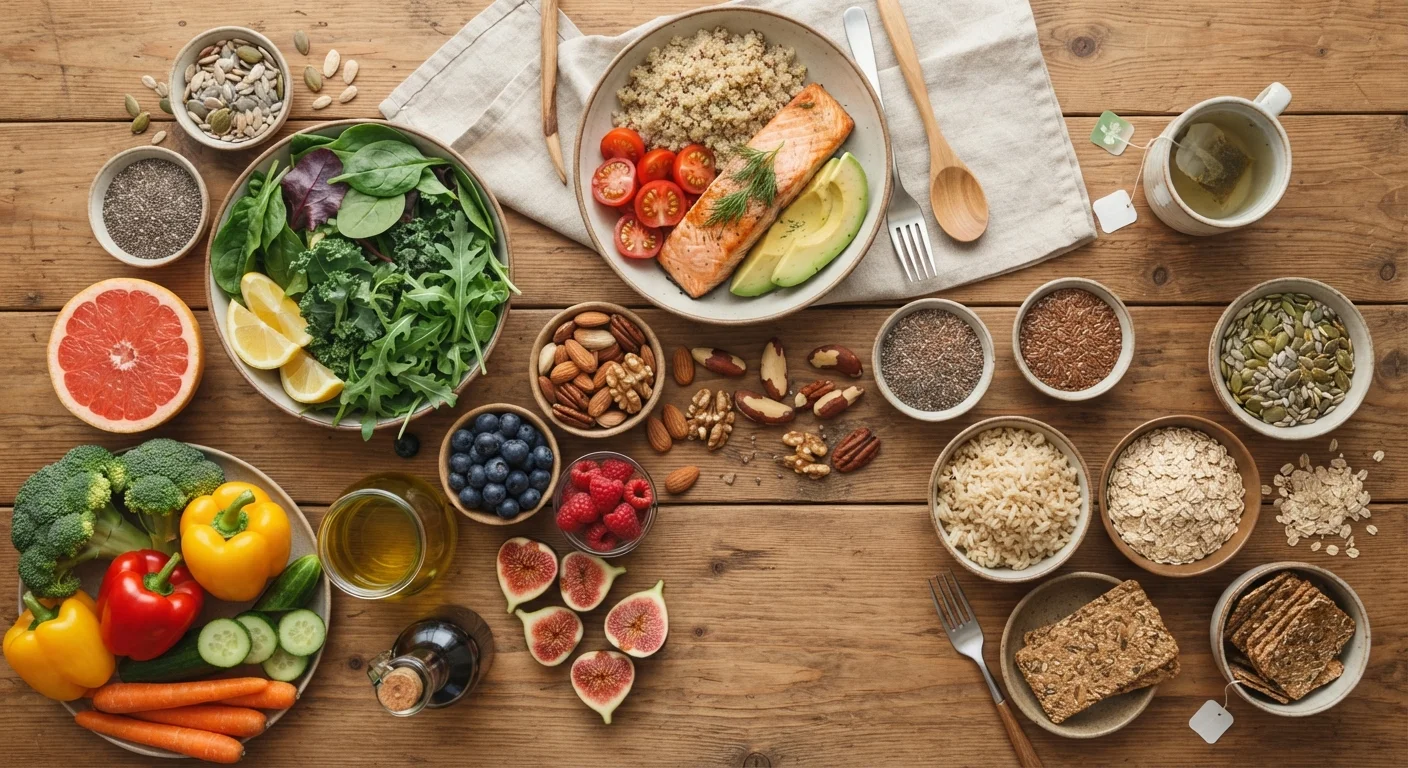
Research increasingly looks at patterns of eating rather than isolated nutrients. The Mediterranean dietary pattern - characterized by abundant vegetables, legumes, whole grains, olive oil, nuts, and moderate oily fish - has shown the most consistent associations with lower rates of depression in large observational studies. Plant-rich diets high in dietary fiber also tend to support gut microbiome diversity, which feeds back into mood pathways.
Contrast this with so-called Western dietary patterns high in refined grains, added sugars, and ultra-processed foods, which are associated with higher rates of depressive and anxiety symptoms across multiple population studies. This doesn't mean occasional treats derail your emotional health - cumulative pattern is what appears to matter most.
For a practical breakdown of mood-supportive food groups and how to incorporate them, see Building a Mood-Supportive Plate. If you're interested in how anti-inflammatory principles overlap with this approach, The Anti-Inflammatory Diet offers a useful contrasting perspective.
Habits That Can Work Against You
It's worth recognizing that some common eating behaviors may quietly undermine emotional stability, even when intentions are good. Skipping meals leads to blood sugar dips that can amplify irritability and difficulty concentrating. Leaning heavily on caffeine - particularly without adequate food - can heighten anxiety in susceptible individuals. Cutting entire food groups without clinical guidance may create micronutrient gaps that affect brain function over time.
For a more detailed look at these patterns, Nutrition Habits That Can Undermine Emotional Wellbeing covers this territory in depth.
Avoid Extreme Dietary Restrictions
Severely restricting calories, eliminating entire food groups, or following highly rigid eating rules can create nutritional deficiencies and may worsen mood and anxiety rather than improve them. If you're considering a significant dietary change for mental health reasons, discuss it first with a registered dietitian or your healthcare provider - particularly if you have any history of disordered eating.
Practical First Steps
Starting doesn't require a complete dietary overhaul. Consider these evidence-informed entry points:
- Add before subtracting. Focus first on incorporating more vegetables, legumes, and whole grains rather than immediately cutting foods you enjoy.
- Eat regularly. Consistent meal timing helps stabilize blood sugar and reduces the mood-disrupting effects of energy dips.
- Include oily fish or plant-based omega-3 sources at least twice per week if possible.
- Notice how eating affects your mood. Pausing briefly before and after meals builds self-awareness over time. The Mindful Eating hub and the companion guide Bringing Awareness to a Meal can support this practice.
These steps also align with broader self-help foundations that support everyday mental well-being - diet is one part of a larger picture that includes sleep, movement, and social connection.
This article is for general informational and educational purposes only and does not constitute medical or dietary advice. If you have concerns about your mental health or nutritional status, please consult a qualified healthcare professional or registered dietitian.