What Is Chronic Inflammation - and Why Does It Matter for Mental Health?
Inflammation is the body's natural defense response - a short-term process that helps fight infection and heal injury. Chronic low-grade inflammation is different: it persists without a clear threat, quietly affecting multiple body systems over time, including the brain.
Over the past two decades, researchers have identified connections between elevated inflammatory markers and conditions such as depression and anxiety. This relationship is bidirectional - poor mental health can promote inflammation, and ongoing inflammation may worsen mental health outcomes. The precise mechanisms are still being studied, but pathways involving the gut-brain axis, immune signaling, and neurotransmitter regulation are considered important contributors.
Chronic low-grade inflammation
A state where the immune system remains mildly activated over a long period, even without an infection or injury. Unlike acute inflammation, it is often silent but can affect multiple body systems including the brain.
Gut-brain axis
The two-way communication network between the digestive system and the brain, involving nerves, hormones, and immune signals. The health of gut bacteria can influence mood, stress response, and cognitive function.
Inflammatory markers
Measurable substances in the blood - such as C-reactive protein (CRP) or certain cytokines - that indicate the presence and degree of inflammation in the body.
Polyphenols
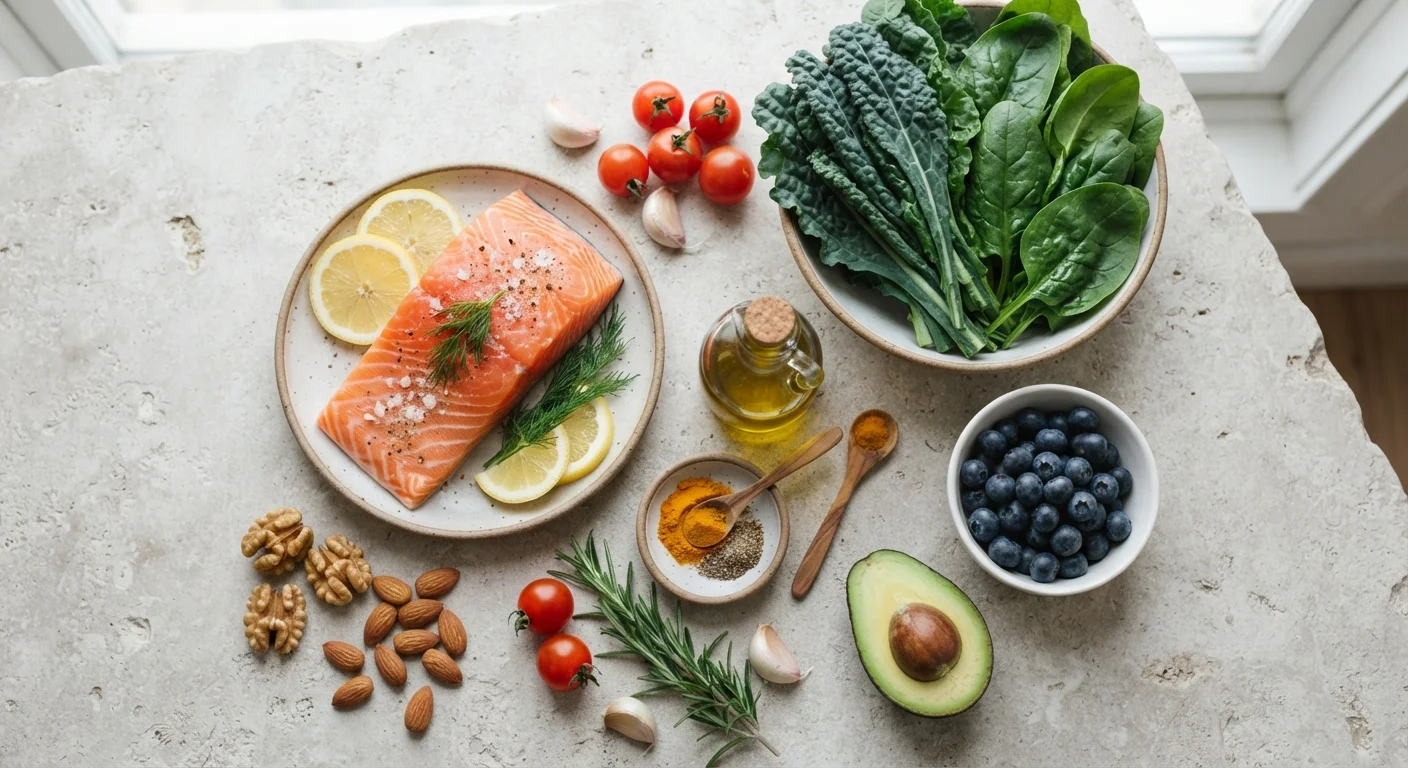
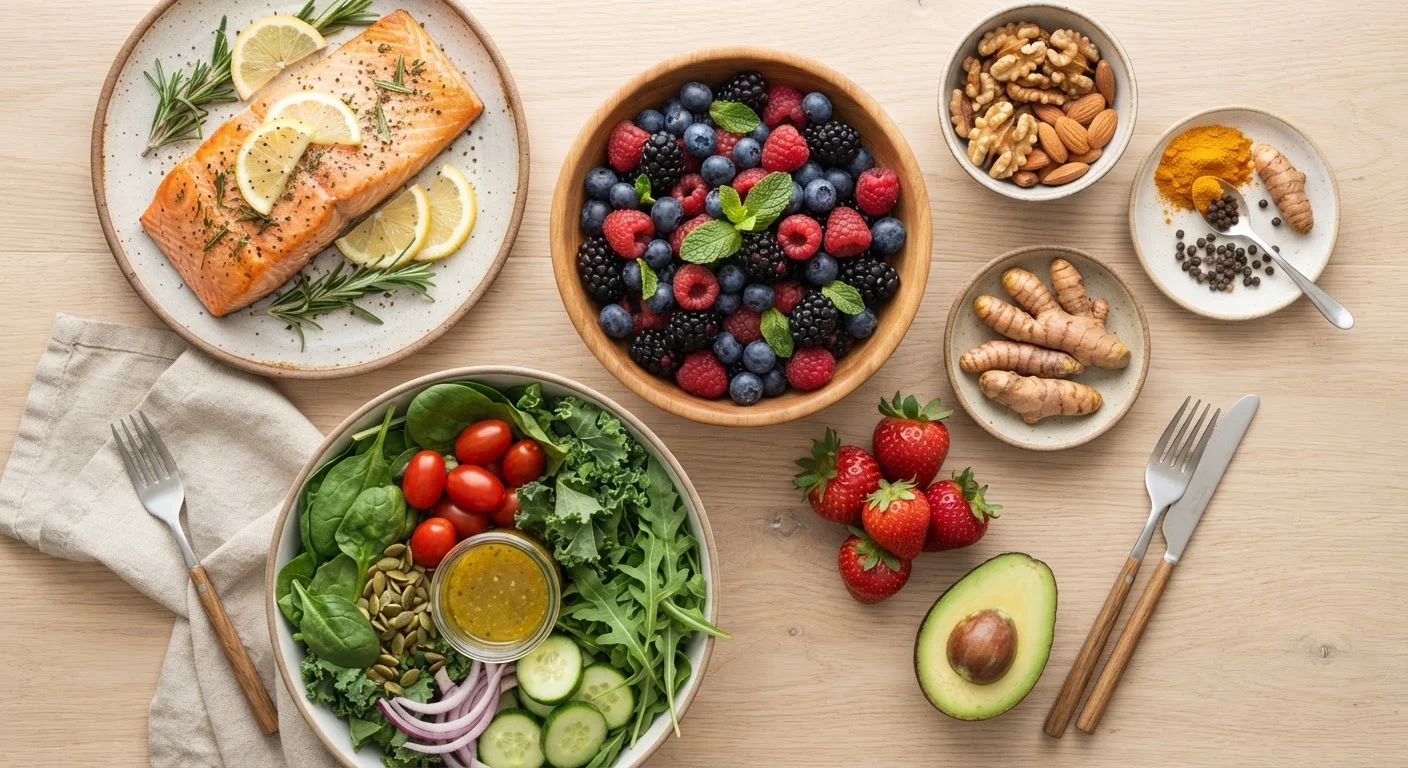
Natural plant compounds found in foods like berries, leafy greens, tea, and olive oil that have antioxidant properties and are associated with reduced inflammation in research.
Omega-3 fatty acids
A type of polyunsaturated fat found in oily fish, walnuts, and flaxseed that has well-documented anti-inflammatory effects and is being studied for its role in brain health.
Ultra-processed foods
Industrial food products containing additives, preservatives, artificial flavors, and refined ingredients that go well beyond basic cooking. High intake is associated with increased inflammation in observational research.
This growing body of evidence has prompted interest in whether dietary changes that reduce systemic inflammation could support mental wellbeing - not as a cure, but as a meaningful foundation. For a broader look at eating for emotional balance, our introductory primer covers the wider dietary principles linked to mood support.
This article is for general informational purposes only and does not constitute medical or dietary advice. Please consult a qualified healthcare professional for guidance specific to your health needs.
Core Principles of an Anti-Inflammatory Diet
Rather than a rigid meal plan, an anti-inflammatory diet is best understood as a set of evidence-informed principles applied flexibly to everyday eating.
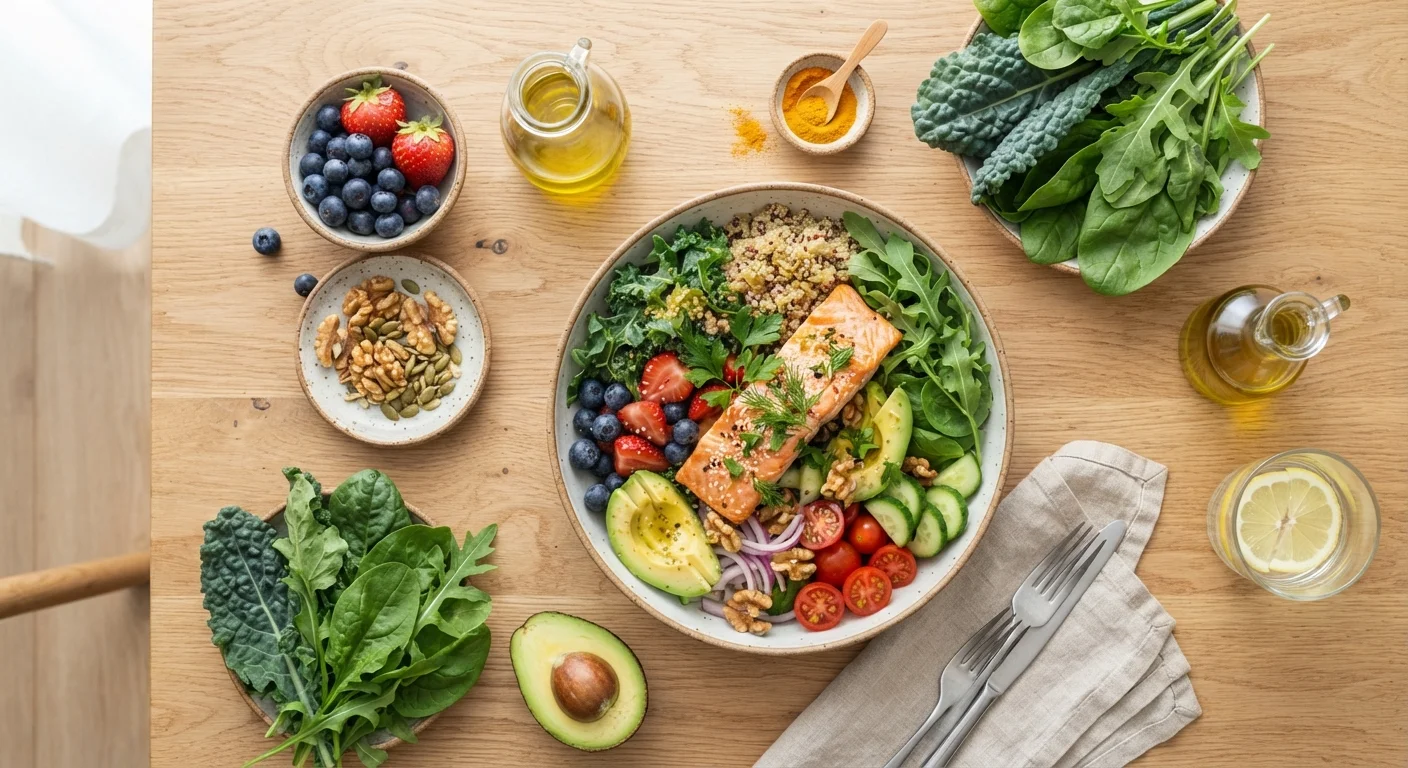
- Prioritize diverse plant foods. Vegetables, fruits, legumes, and whole grains supply fiber, polyphenols, and antioxidants - compounds that research consistently associates with lower inflammatory markers.
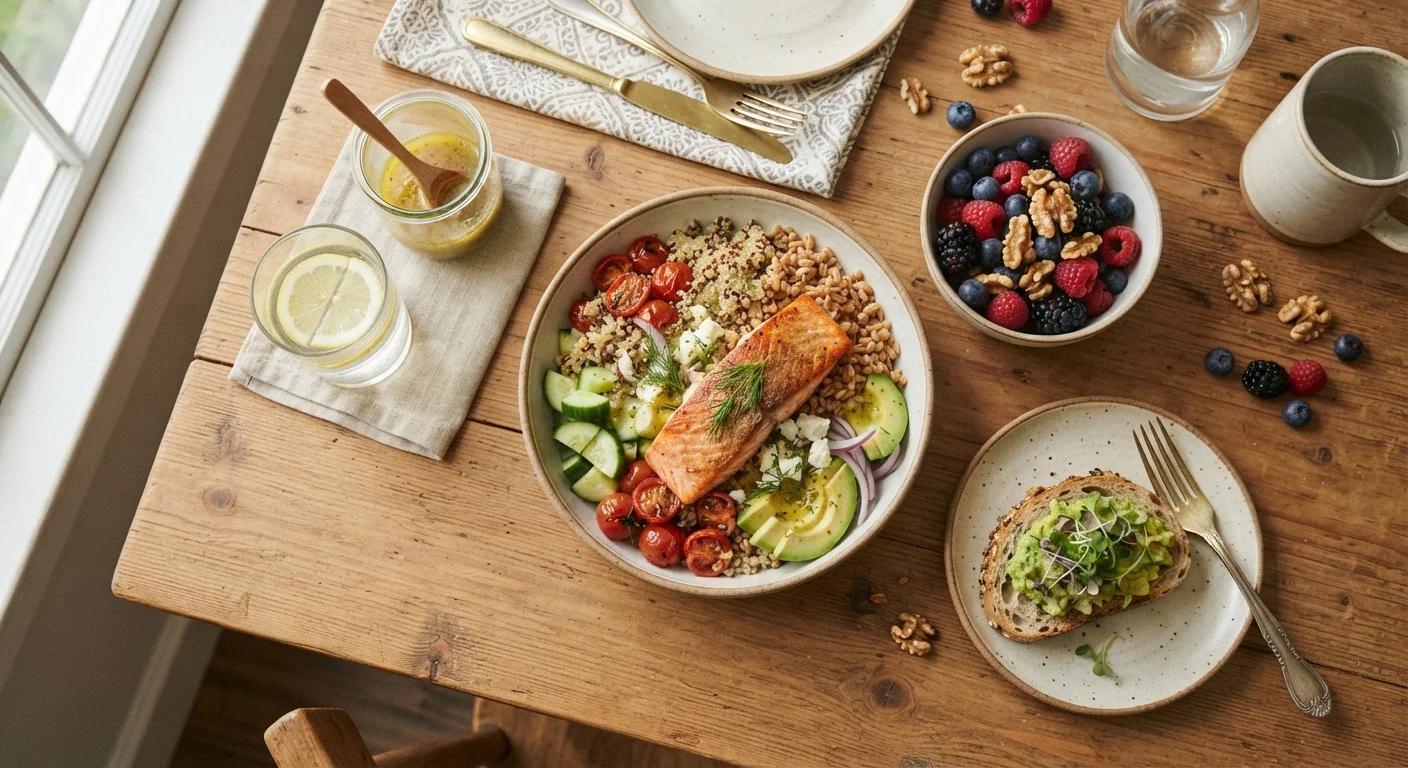
- Choose healthy fats. Omega-3 fatty acids (found in oily fish, walnuts, and flaxseed) and monounsaturated fats (found in olive oil and avocado) are associated with anti-inflammatory effects. Limiting saturated and trans fats is equally important.
- Limit ultra-processed foods and added sugars. These are among the most consistently pro-inflammatory dietary components identified in large observational studies.
- Support the gut microbiome. Fermented foods (such as yogurt, kefir, and kimchi) and high-fiber foods feed beneficial gut bacteria, which play a role in immune regulation and the gut-brain axis.
- Moderate alcohol. Regular excess alcohol consumption is associated with increased systemic inflammation.
For a detailed look at which specific foods researchers most consistently link to reduced inflammation, see our reference overview: foods linked to lower inflammation and stress.
Start With What You Add, Not What You Remove
A common barrier to dietary change is focusing on restriction. Researchers studying behavior change suggest that adding one or two anti-inflammatory foods per week - rather than cutting entire food groups immediately - tends to support longer-term adherence. Variety and enjoyment of food matter for sustainability.
What the Research Currently Suggests
The evidence connecting an anti-inflammatory diet to mental wellbeing is growing - but it is important to characterize it accurately. The majority of human studies are observational, meaning they identify associations rather than proving direct causation. Randomized controlled trials in this area are increasing but remain limited in scale and duration.
Key findings from the current literature include:
- Higher adherence to anti-inflammatory dietary patterns is associated with a lower risk of depression in multiple large cohort studies.
- Dietary interventions have shown measurable improvements in depressive symptoms in some clinical trials, though effect sizes vary and study populations differ.
- The gut microbiome - influenced significantly by diet - is an active area of research in relation to anxiety and mood regulation.
Diet Is One Piece of a Larger Picture
Mental wellbeing is shaped by many interacting factors: sleep quality, physical activity, social connection, stress levels, and access to professional care. An anti-inflammatory diet may be a meaningful contributing factor, but it is not a standalone solution. If you are experiencing significant mental health symptoms, please reach out to a qualified healthcare provider.
It is also worth acknowledging what the evidence does not yet support: specific dietary prescriptions for individual mental health conditions, clear dose-response relationships, or the ability to separate dietary effects from broader lifestyle factors like sleep, exercise, and social connection.
For an honest assessment of what this approach may and may not offer, our companion article weighs the mental health evidence in detail.
How to Start Without Overhauling Everything
Sustainable dietary change rarely comes from a complete overhaul. Research on behavior change consistently supports a gradual, additive approach - adding anti-inflammatory foods rather than immediately eliminating everything else.
Practical starting points include:
- Add one additional serving of vegetables or fruit to one daily meal.
- Swap refined grains for whole grains in one regular meal per week, then build from there.
- Include oily fish (such as salmon, sardines, or mackerel) two to three times per week where possible.
- Replace cooking oils high in saturated fat with olive oil for everyday use.
- Reduce sugary beverages by substituting sparkling water, herbal teas, or unsweetened alternatives.
Pairing dietary changes with complementary lifestyle practices - such as mindful eating or mindfulness for stress - may reinforce both habits and their potential benefits.
When you feel ready to take a more structured approach, our guide to building an anti-inflammatory meal pattern around real life offers practical steps, and your weekly anti-inflammatory diet audit can help you reflect on your current habits.
Weekly Anti-Inflammatory Diet Audit
A structured checklist to reflect on your current eating habits and identify small, evidence-informed adjustments that may support mental wellbeing.
Building an Anti-Inflammatory Meal Pattern Around Real Life
Practical steps for gradually shifting everyday eating toward an anti-inflammatory pattern - designed for real schedules, not ideal conditions.
This article provides general health information only and is not a substitute for professional medical or dietary advice. If you have a health condition or specific dietary needs, please speak with a qualified healthcare professional or registered dietitian.