Why Diet and Mood Are Linked
The relationship between what we eat and how we feel is not simply folk wisdom - it has a growing body of scientific evidence behind it. The brain is a metabolically demanding organ, consuming roughly 20% of the body's total energy, and it depends on a steady supply of nutrients to produce neurotransmitters, maintain nerve cell structure, and regulate inflammation. When that nutritional supply is inconsistent or poor in quality, brain function - including mood regulation - can be affected.
Mental health is shaped by many interacting factors, including genetics, life experiences, and social environment. Diet is one modifiable piece of that larger picture. Understanding how food choices feed into emotional wellbeing empowers readers to make informed decisions - while keeping expectations grounded in the evidence.
~90%
Serotonin produced in the gut
Research estimates that approximately 90% of the body's serotonin is synthesized in the gastrointestinal tract, underscoring the gut's role in mood chemistry.
20%
Body energy consumed by the brain
The brain accounts for roughly 20% of total resting energy expenditure, making it highly dependent on consistent nutritional input.
32%
Reduction in depression scores (SMILES trial)
The 2017 SMILES randomized controlled trial found a Mediterranean-style dietary intervention led to significantly greater reductions in depression scores versus a social support control group.
The Gut-Brain Axis: Your Second Brain
One of the most significant discoveries in nutritional neuroscience is the gut-brain axis - a bidirectional communication network linking the gastrointestinal tract and the brain via the vagus nerve, immune signaling, and the bloodstream. The gut microbiome (the trillions of bacteria, fungi, and other microorganisms living in the intestines) plays a central role in this system.
Gut bacteria help produce or modulate neurotransmitters including serotonin - approximately 90% of the body's serotonin is synthesized in the gut, not the brain. They also influence inflammation, which is increasingly recognized as a factor in conditions like depression. A diet rich in diverse plant foods feeds beneficial microbial species, while ultra-processed, high-sugar diets are associated with reduced microbial diversity.
For a deeper look at this system, see our gut-brain link hub, which examines how microbiome research is evolving. You can also explore daily habits that may support a healthier gut-brain relationship, including sleep and fiber intake.
Microbiome Research Is Still Maturing
While the gut-brain connection is scientifically well-established in its basic mechanisms, specific dietary recommendations based on microbiome science are still evolving. Many studies in this area are small, conducted in animals, or observational in design. Treat microbiome-focused claims with proportionate skepticism and look for findings replicated across multiple independent studies.
Key Nutrients and Their Role in Emotional Health
While no single nutrient is a mood cure, several have emerged consistently in research on emotional wellbeing:
- Omega-3 fatty acids (found in fatty fish, walnuts, and flaxseed): Associated with reduced neuroinflammation. Multiple meta-analyses suggest omega-3 supplementation may offer modest benefits for depressive symptoms, though individual responses vary.
- B vitamins (especially B6, B9/folate, and B12): Essential cofactors in neurotransmitter synthesis and homocysteine regulation. Deficiency - particularly of B12 and folate - is associated with increased risk of depressive symptoms in some populations.
- Magnesium: Involved in over 300 enzymatic reactions, including those governing the stress response. Low magnesium intake has been correlated with higher rates of depression in observational studies.
- Dietary fiber and prebiotics: Feed beneficial gut bacteria, supporting the gut-brain axis. Fermented foods (yogurt, kefir, kimchi) have attracted research interest for their potential role in microbiome diversity.
- Vitamin D: Receptors for vitamin D are found throughout the brain. Deficiency is common in northern latitudes and has been associated with mood disturbances, though causality is not firmly established.
When evaluating omega-3 intake, consider the ratio of omega-6 to omega-3 in your overall diet - not just absolute omega-3 amounts. Most Western diets are heavily skewed toward omega-6, which can blunt omega-3's anti-inflammatory effects.
Dietary omega-6 and omega-3 fatty acids compete for the same metabolic enzymes. A high omega-6 to omega-3 ratio is associated with greater neuroinflammation in preclinical research, making balance as important as quantity.
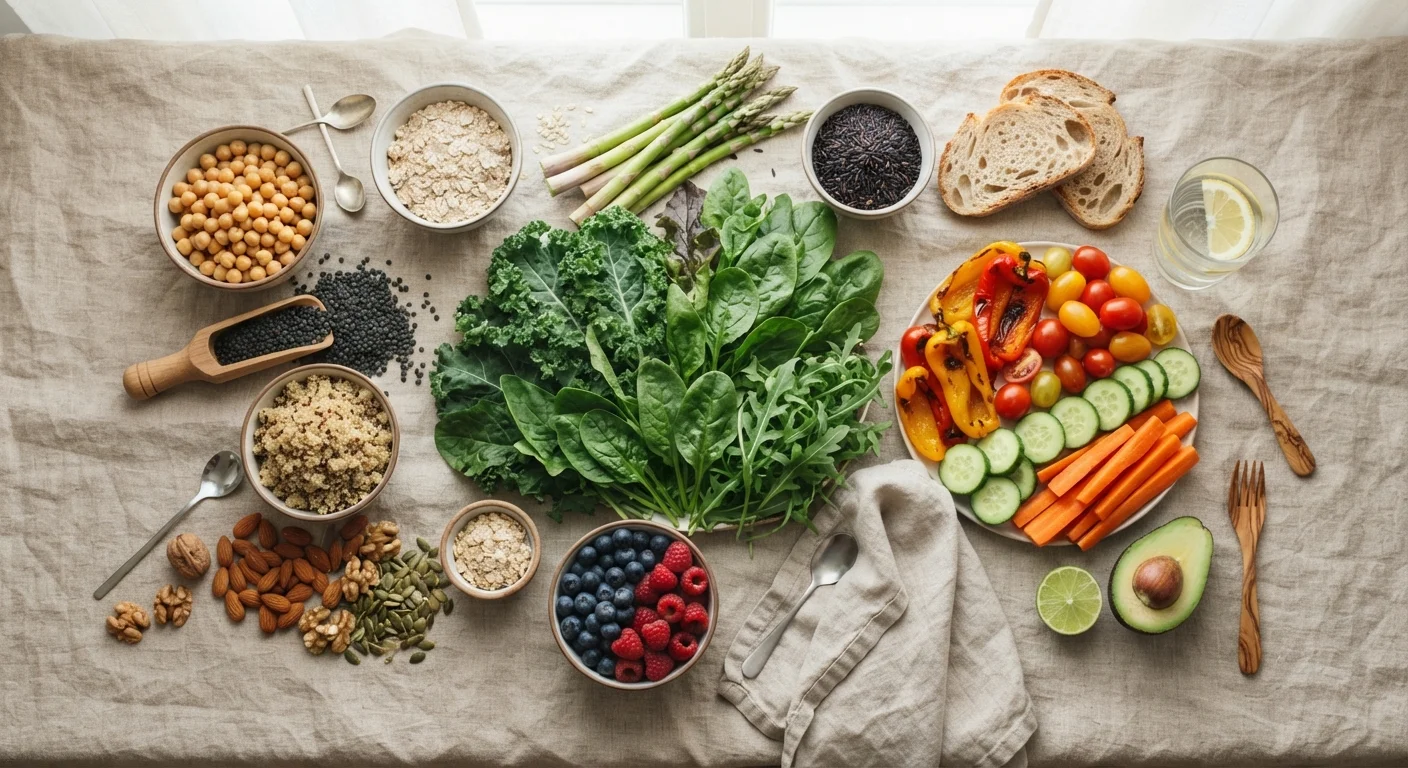
For folate, prioritize food sources (dark leafy greens, legumes, fortified foods) rather than defaulting to supplements, unless a clinician has identified a deficiency or you have specific absorption concerns.
Folate from whole foods comes packaged with other bioactive compounds and fiber that supplements cannot replicate. Excessive folic acid from supplements may mask B12 deficiency in some individuals, which has its own neurological implications.
Dietary Patterns That Research Supports
Nutrient-by-nutrient analysis can miss the forest for the trees. Researchers increasingly study dietary patterns - the overall combination and balance of foods - because whole diets interact in ways that isolated nutrients cannot replicate.
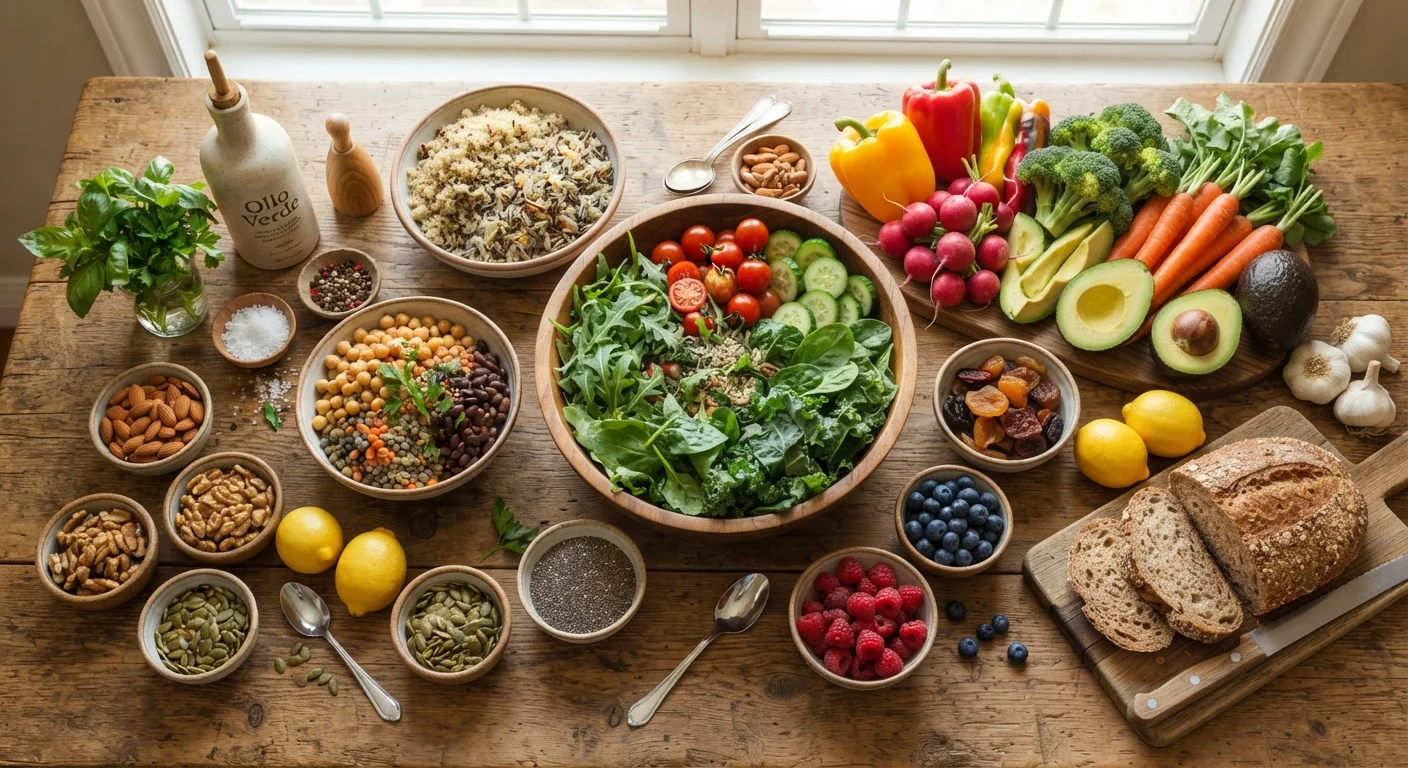
The Mediterranean dietary pattern, characterized by high intake of vegetables, fruits, whole grains, legumes, olive oil, and fish, with limited red meat and processed foods, has the strongest and most consistent evidence base for mood-related outcomes. The SMILES trial (published in BMC Medicine, 2017) found that a Mediterranean-style dietary intervention produced significantly greater reductions in depression scores compared to social support alone in adults with moderate-to-severe depression. This is noteworthy, though the study was modest in scale and researchers appropriately call for replication.
For practical guidance on building meals along these lines, see Building a Mood-Supportive Plate, which identifies the food groups most consistently linked to positive mood in the research literature.
“Food is not just fuel - it is information that talks to your genes, your microbiome, and your brain chemistry. The quality of the information you send matters.”
— Drew Ramsey, Psychiatrist and author specializing in nutritional psychiatry
Realistic Expectations: What Diet Can and Cannot Do
Framing matters enormously here. Improving dietary quality is a meaningful, evidence-informed step toward better emotional wellbeing - but it is not a standalone treatment for clinical depression, anxiety disorders, or other mental health conditions.
Mental Health Treatment Requires Professional Guidance
Improving diet may support emotional wellbeing as part of a broader healthy lifestyle, but it is not a clinically validated treatment for diagnosed mental health conditions on its own. Do not discontinue or alter any prescribed medication or therapy based on dietary changes alone. Always discuss significant health decisions with a licensed healthcare provider.
Diet also interacts with other lifestyle factors. Physical activity has its own well-documented effects on brain chemistry, and even mild dehydration can affect mood and concentration. Viewing diet as one component of an integrated lifestyle - alongside sleep, movement, social connection, and stress management - reflects the current scientific consensus more accurately than treating food as a mood fix.
Practical Steps to Get Started
Sustainable dietary change rarely comes from dramatic overhauls. The following approaches align with the evidence and are realistic for most adults:
- Add before you subtract: Focus first on incorporating more vegetables, legumes, whole grains, and oily fish rather than immediately eliminating foods. This reduces the psychological burden of restriction.
- Prioritize dietary fiber: Aim for a variety of plant foods daily to support microbiome diversity. Beans, lentils, oats, and vegetables are practical, affordable sources.
- Reduce ultra-processed food gradually: Highly processed foods are associated with poorer mental health outcomes in epidemiological studies. Replacing one or two ultra-processed items per day with whole-food alternatives is a manageable starting point.
- Eat regularly: Blood sugar fluctuations from skipped meals or high-sugar snacks can contribute to irritability and low energy. Regular, balanced meals help stabilize energy levels.
- Practice mindful eating: Eating with attention - rather than distracted - supports better food choices and a healthier relationship with food. Our mindful eating hub offers practical techniques.
Start With One Meal, Not a Complete Diet Overhaul
Research on behavior change consistently shows that small, specific targets outperform sweeping resolutions. Try improving one meal per day - for example, adding a serving of vegetables to lunch - before expanding changes elsewhere. Consistency over weeks matters more than perfection over a single day.
This article is for general informational and educational purposes only and does not constitute medical or dietary advice. If you are experiencing mental health symptoms, please consult a qualified healthcare professional for personalized guidance.