How Inflammation Gets Into Your Brain
The immune system uses proteins called cytokines to coordinate inflammatory responses throughout the body. When pro-inflammatory cytokines are chronically elevated - as often happens with a diet consistently high in ultra-processed foods and refined sugars - they can cross the blood-brain barrier or signal to the brain indirectly through the vagus nerve and circulating immune cells.
Once inside the brain's environment, these signals can activate microglia, the brain's resident immune cells. Prolonged microglial activation is associated with neuroinflammation - a process researchers increasingly link to shifts in mood, cognition, and stress sensitivity. This does not mean inflammation directly causes mental illness, but it is considered one plausible contributing pathway under active scientific investigation.
For a broader view of how food choices ripple into emotional wellbeing, the gut-brain link is a helpful starting point.
Inflammation Is Not Always the Enemy
Acute inflammation is an essential immune response - it helps the body fight infection and repair tissue. The concern in nutritional psychiatry research centers specifically on chronic, low-grade inflammation sustained by habitual dietary patterns. This distinction matters: the goal is balance, not the elimination of all inflammatory response.
What Dietary Inflammation Does to Brain Chemistry
One of the more studied mechanisms involves tryptophan metabolism. Tryptophan is an amino acid and the precursor to serotonin, a neurotransmitter central to mood regulation. During states of chronic inflammation, the enzyme indoleamine 2,3-dioxygenase (IDO) is upregulated, diverting tryptophan away from serotonin production and toward the kynurenine pathway - some metabolites of which may themselves be neurotoxic at elevated levels.
Inflammatory cytokines are also associated with reduced availability of brain-derived neurotrophic factor (BDNF), a protein that supports neuronal growth and resilience. Lower BDNF levels have been observed in people with depression, though the relationship is complex and multidirectional.
~30%
Higher depression risk with pro-inflammatory diets
A 2019 meta-analysis published in Public Health Nutrition found that individuals with the highest dietary inflammatory index scores had approximately 30% greater odds of depression compared to those with the lowest scores.
~40%
Of immune cells in the body reside in the gut
According to immunology literature, the gastrointestinal tract houses a substantial proportion of the body's immune system, underscoring why diet directly shapes systemic and neurological inflammation.
Dietary patterns that are rich in omega-3 fatty acids have received considerable scientific attention for their ability to modulate these pathways. The omega-3 and brain health hub offers a deeper look at the relevant evidence.
The Gut as an Inflammatory Control Center
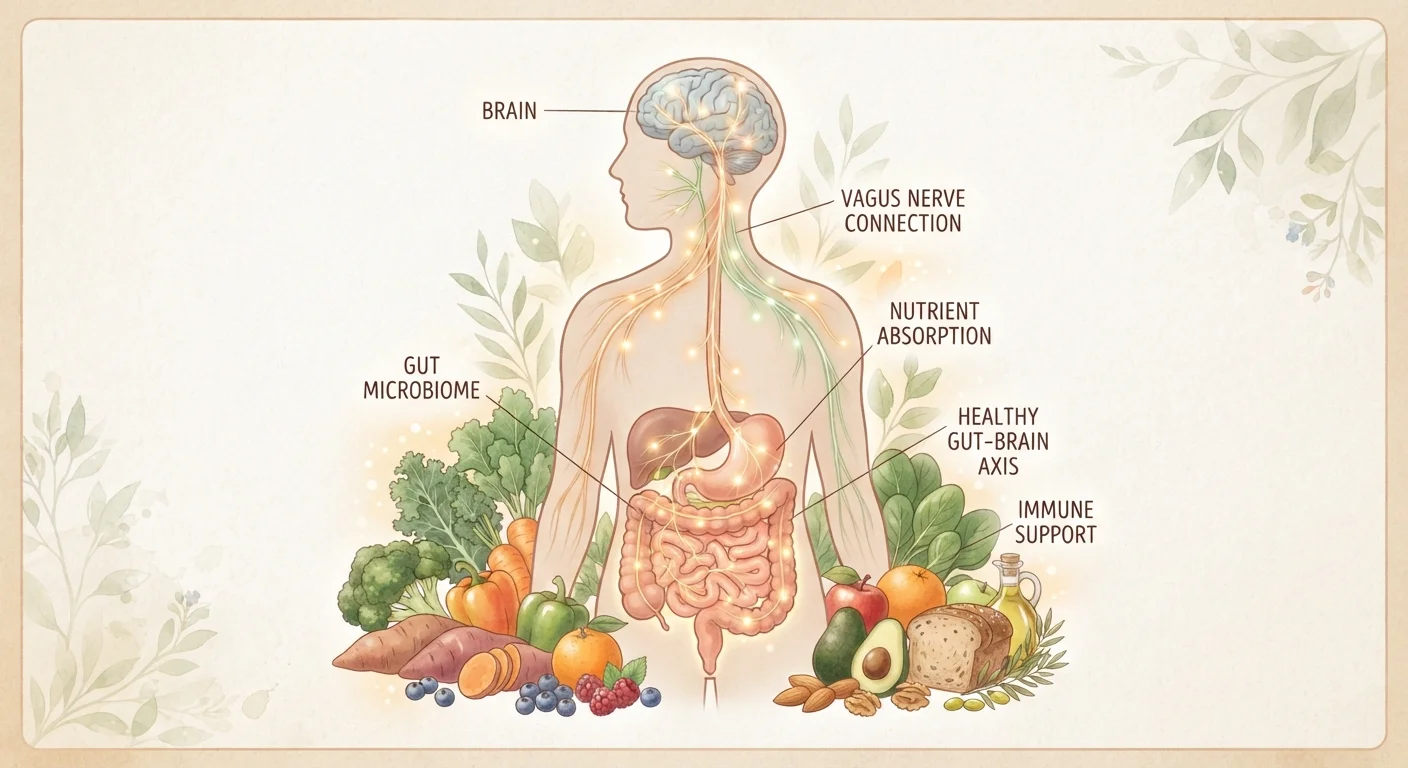
A significant portion of dietary inflammation's influence on the brain operates through the gut-brain axis - the bidirectional communication network linking the enteric nervous system, microbiome, immune cells, and central nervous system. When the gut microbiome is disrupted by a diet low in fiber and high in additives, a condition sometimes described as dysbiosis can emerge.
Dysbiosis can compromise the integrity of the gut lining, allowing bacterial byproducts to enter the bloodstream - a process researchers informally call "leaky gut." This can trigger a systemic immune response that ultimately reaches the brain. Conversely, a diverse, fiber-rich diet supports the production of short-chain fatty acids by beneficial gut bacteria, which appear to have anti-inflammatory and neuroprotective properties.
To understand these pathways in greater depth, see our article on how gut health can shift how you feel.
Moving Toward an Anti-Inflammatory Eating Pattern
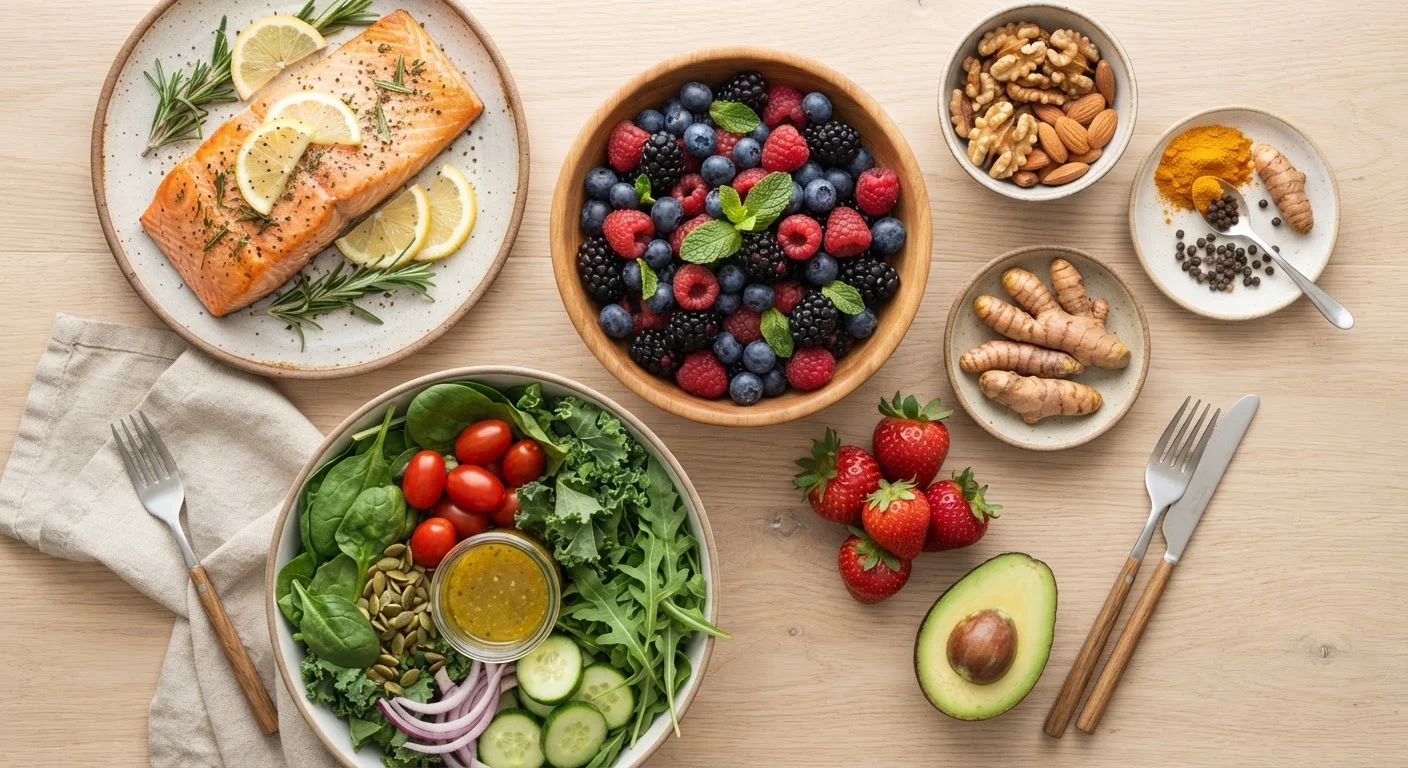
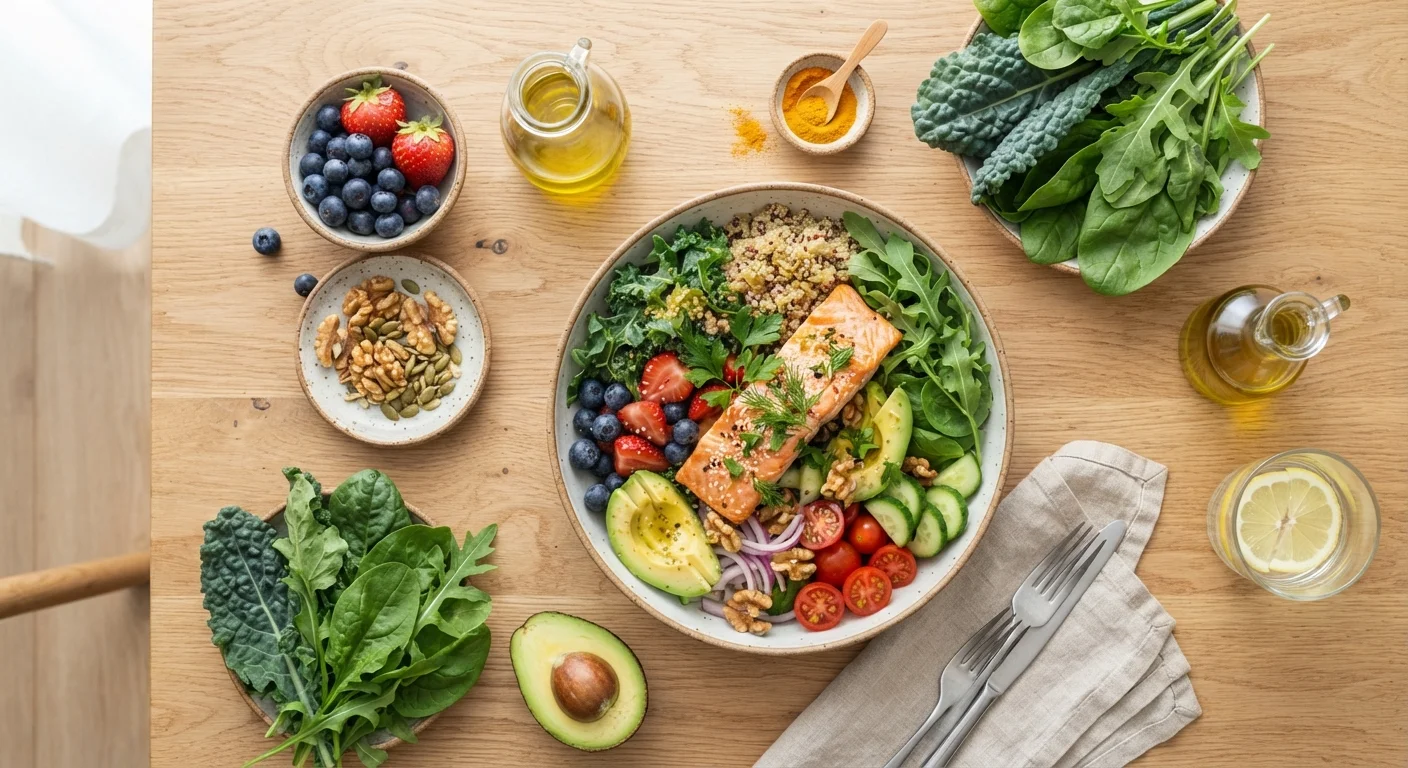
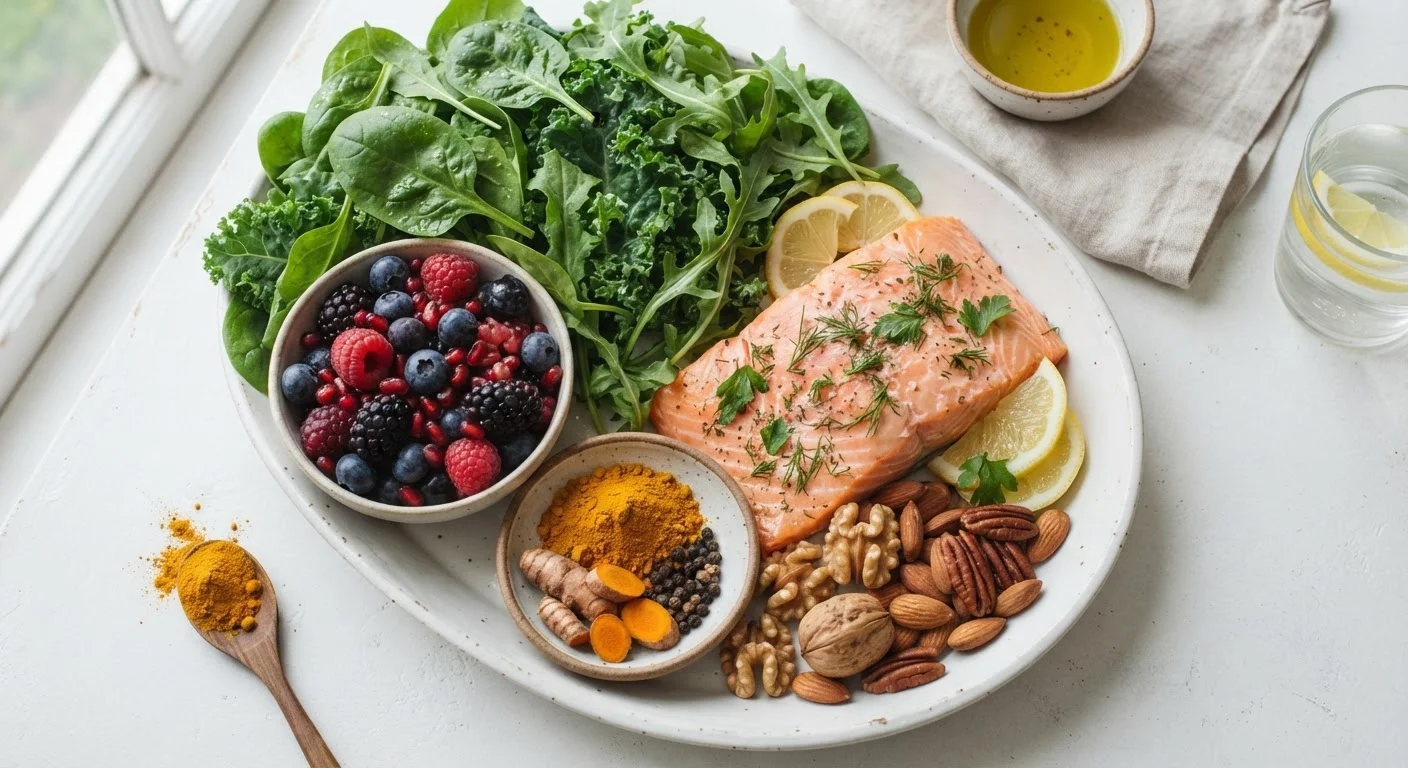
The research does not point to a single superfood or supplement as a solution. Instead, it consistently highlights overall dietary patterns as the meaningful variable. Patterns characterized by abundant vegetables, legumes, whole grains, fatty fish, nuts, and polyphenol-rich fruits tend to score lower on inflammatory indices and are associated with better mental health outcomes in large observational studies.
Start With Patterns, Not Single Foods
Rather than adding one "superfood" to an otherwise pro-inflammatory diet, focus on gradually shifting the overall balance of your plate. Increasing vegetables, swapping refined grains for whole grains, and including more fatty fish are straightforward pattern-level changes supported by the current evidence. Small, consistent steps tend to have more durable effects than dramatic short-term overhauls.
It is worth noting that most of the existing evidence is observational - meaning researchers have identified associations between diet quality and mental wellbeing, but randomized controlled trials in this area, while growing, remain limited. Our article on weighing the mental health evidence discusses these limitations honestly.
If you are new to eating for mental health, the anti-inflammatory diet foundations guide offers accessible, research-grounded starting principles. For those curious about how specific dietary patterns compare, Mediterranean vs. Western diet and mood provides a useful comparison.
This article is for general informational and educational purposes only and does not constitute medical advice. If you are experiencing mental health symptoms, please consult a qualified healthcare professional.