Two Dietary Patterns, Two Inflammatory Profiles
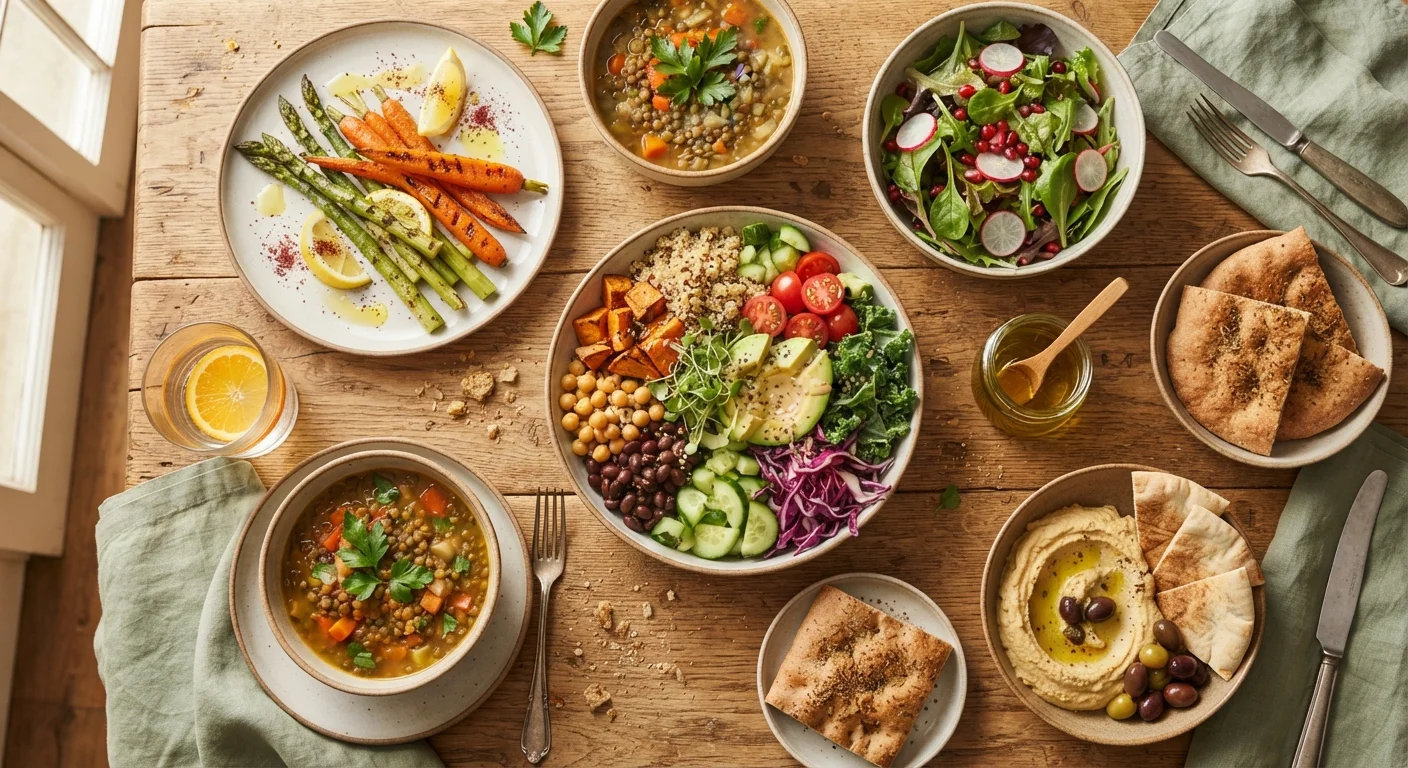
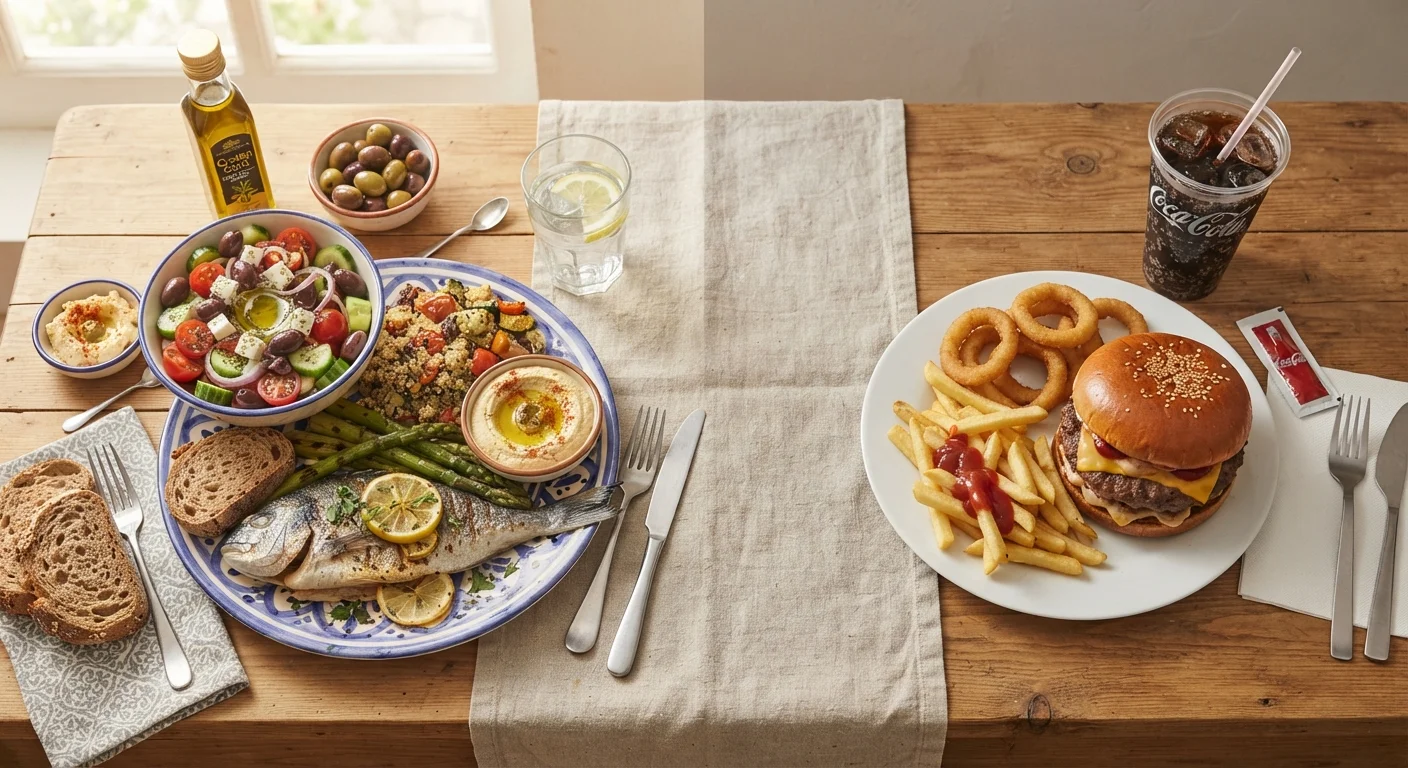
The Mediterranean diet centers on vegetables, legumes, whole grains, olive oil, nuts, fish, and moderate amounts of dairy and wine. The typical Western diet - prevalent across much of the United States - leans heavily on refined grains, added sugars, red and processed meats, and ultra-processed convenience foods. These aren't just differences in food preference; they represent profoundly different inflammatory environments inside the body.
Chronic low-grade inflammation has emerged as a credible biological pathway linking poor diet to depression and anxiety. Biomarkers such as C-reactive protein (CRP), interleukin-6 (IL-6), and tumor necrosis factor-alpha (TNF-α) are elevated more frequently in people whose diets resemble Western patterns, according to a body of epidemiological research. The Mediterranean diet, by contrast, is associated with lower circulating levels of these same markers.
For a broader overview of how eating patterns interact with gut health and brain chemistry, see our guide to dietary patterns and mental health.
| Criterion | Mediterranean Diet | Western Diet |
|---|---|---|
| Primary fat source | Olive oil, oily fish (unsaturated) | Butter, processed oils (saturated/trans) |
| Inflammatory marker impact | Associated with lower CRP, IL-6 | Associated with elevated CRP, IL-6 |
| Fiber intake | High (legumes, vegetables, whole grains) | Low (refined grains, few vegetables) |
| Gut microbiome effect | Promotes microbial diversity | Reduces diversity, may increase permeability |
| Depression risk (observational data) | Consistently lower in studies | Consistently higher in studies |
| Omega-3 content | High (fish, nuts, seeds) | Low; omega-6 dominant |
| Polyphenol content | High (olive oil, berries, vegetables) | Low |
| Clinical trial evidence | Supports reduced depressive symptoms | Associated with worse mood outcomes |
What the Clinical Evidence Shows
The landmark SMILES trial (2017), published in BMC Medicine, is among the most cited dietary intervention studies in nutritional psychiatry. Researchers found that participants with major depressive disorder who received dietary support toward a Mediterranean-style diet showed significantly greater reductions in depressive symptoms compared to a social support control group. Around 32% of the dietary intervention group achieved remission, versus roughly 8% in the control group - a difference the researchers attributed in part to dietary quality improvements.
Observational data reinforce this picture. A 2019 meta-analysis in Molecular Psychiatry found that higher adherence to a Mediterranean-style dietary pattern was associated with a roughly 33% lower odds of depression. Conversely, higher adherence to a Western dietary pattern was associated with increased risk. These figures represent associations, not causal proof; confounders including socioeconomic status, physical activity, and sleep all require consideration.
~33%
Lower odds of depression with Mediterranean eating
A 2019 meta-analysis in Molecular Psychiatry found this association across multiple large observational studies.
32% vs 8%
Remission rates: dietary intervention vs. control
The SMILES trial (2017, BMC Medicine) reported these remission rates among participants with major depressive disorder.
~40%
Of US calories come from ultra-processed foods
Research published in BMJ Open estimated that ultra-processed foods account for a substantial portion of daily energy intake in American adults.
The biological mechanisms are increasingly well understood. The gut-brain axis - the bidirectional communication network between gut microbiota and the central nervous system - is significantly shaped by diet. Mediterranean-aligned eating promotes microbial diversity and short-chain fatty acid production; Western eating patterns tend to reduce diversity and increase gut permeability, a state sometimes referred to as "leaky gut," which may amplify systemic inflammation.
Key Nutrients Driving the Difference
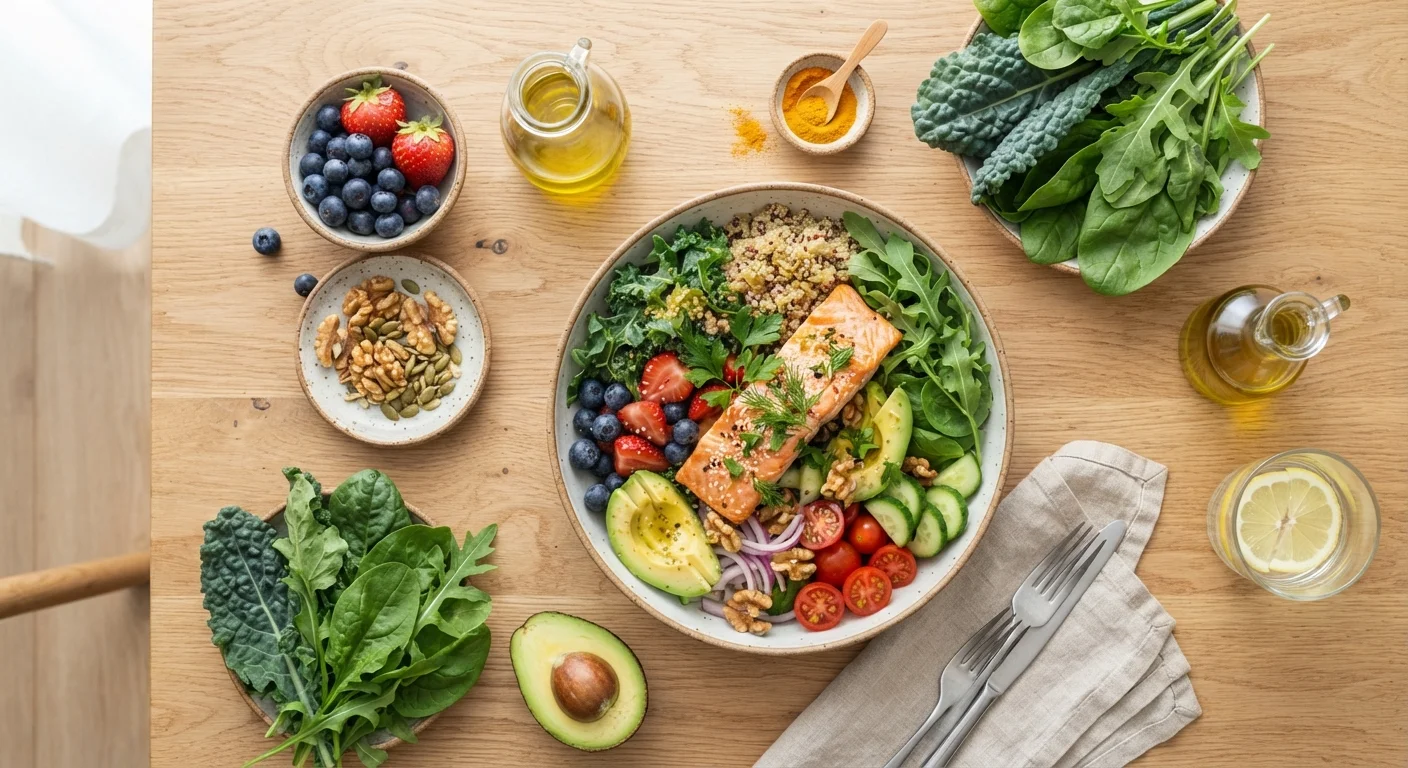
The Mediterranean diet's mental health advantages are not attributable to any single ingredient but to a synergy of nutrients that collectively moderate inflammation and support neurotransmitter function.
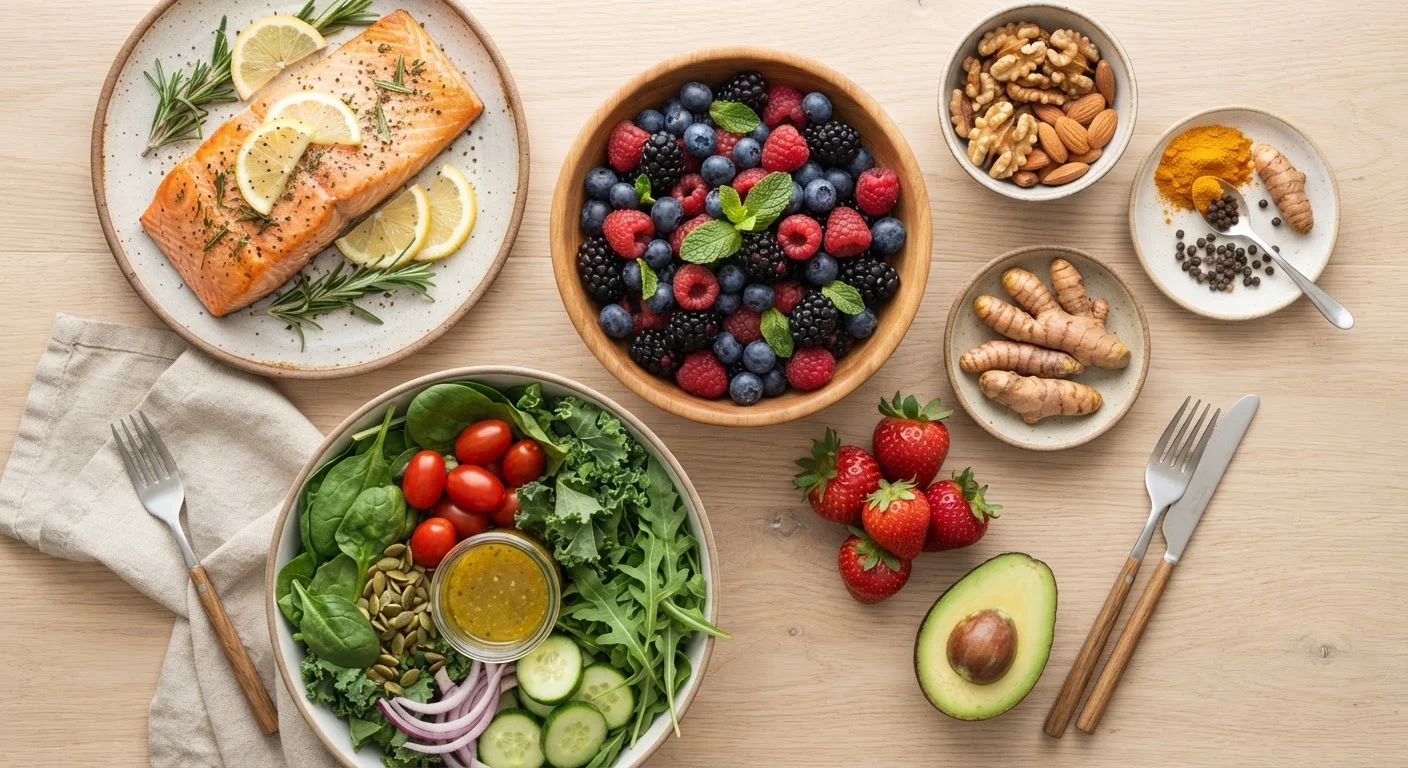
- Omega-3 fatty acids (from oily fish, walnuts, and flaxseed) support brain membrane fluidity and have been studied for their role in moderating depressive symptoms. The omega-3 and brain health hub covers this evidence in depth.
- Polyphenols (from olive oil, berries, and vegetables) have demonstrated antioxidant and anti-neuroinflammatory properties in preclinical and some human studies.
- B vitamins and magnesium, abundant in legumes and whole grains, are cofactors in serotonin and dopamine synthesis.
- Fiber from plant foods feeds beneficial gut bacteria, supporting the gut-brain communication network.
The Western diet is largely deficient in all of the above while providing excess refined sugar, sodium, and industrial trans fats - compounds linked to oxidative stress and inflammatory signaling in the brain.
For a foundation-level primer on these principles, our article on the anti-inflammatory diet and mental wellbeing is a useful starting point.
A Note on Causality and Study Design
Most dietary-mood research is observational, meaning it identifies associations rather than proving that diet directly causes changes in mental health. People who eat Mediterranean-style diets may also differ in other lifestyle factors - exercise, sleep, social connection - that independently affect mood. Randomized controlled trials like SMILES provide stronger evidence but are harder to conduct at scale with dietary interventions. Treat the emerging findings as promising and plausible, not definitive.
What This Means in Practice
Framing diet as a mental health tool does not mean food replaces professional care. Depression and anxiety are complex conditions requiring individualized, often multi-modal treatment. What the evidence does support is that dietary pattern is a modifiable factor that may meaningfully contribute to overall mental wellbeing when addressed alongside - not instead of - appropriate clinical support.
The good news from behavioral nutrition research is that complete dietary transformation is not required to see benefit. Studies assessing diet quality scores suggest even moderate shifts - replacing refined grains with whole grains, increasing vegetable servings, substituting olive oil for butter - can improve dietary quality meaningfully within weeks. For a realistic appraisal of what anti-inflammatory eating can and cannot offer, see our balanced look at the mental health evidence.
Access, cost, cooking skills, and cultural context all influence what any individual can reasonably adopt. Dietary advice should be personalized; anyone managing a mental health condition should discuss nutritional changes with a qualified healthcare provider before making significant adjustments.
This article is for general informational and educational purposes only and does not constitute medical or nutritional advice. Always consult a qualified healthcare professional for guidance tailored to your individual health needs.