What 'Anti-Inflammatory Eating' Actually Means
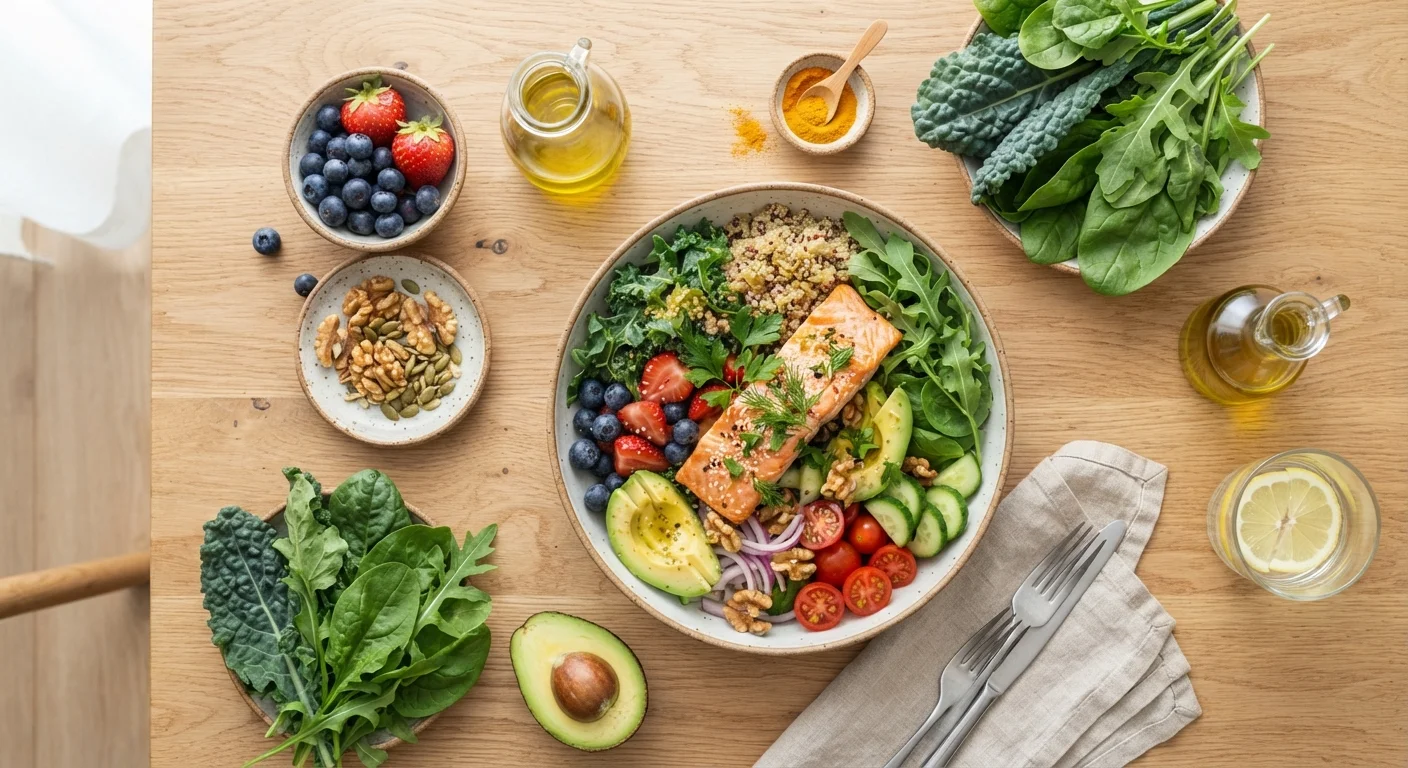
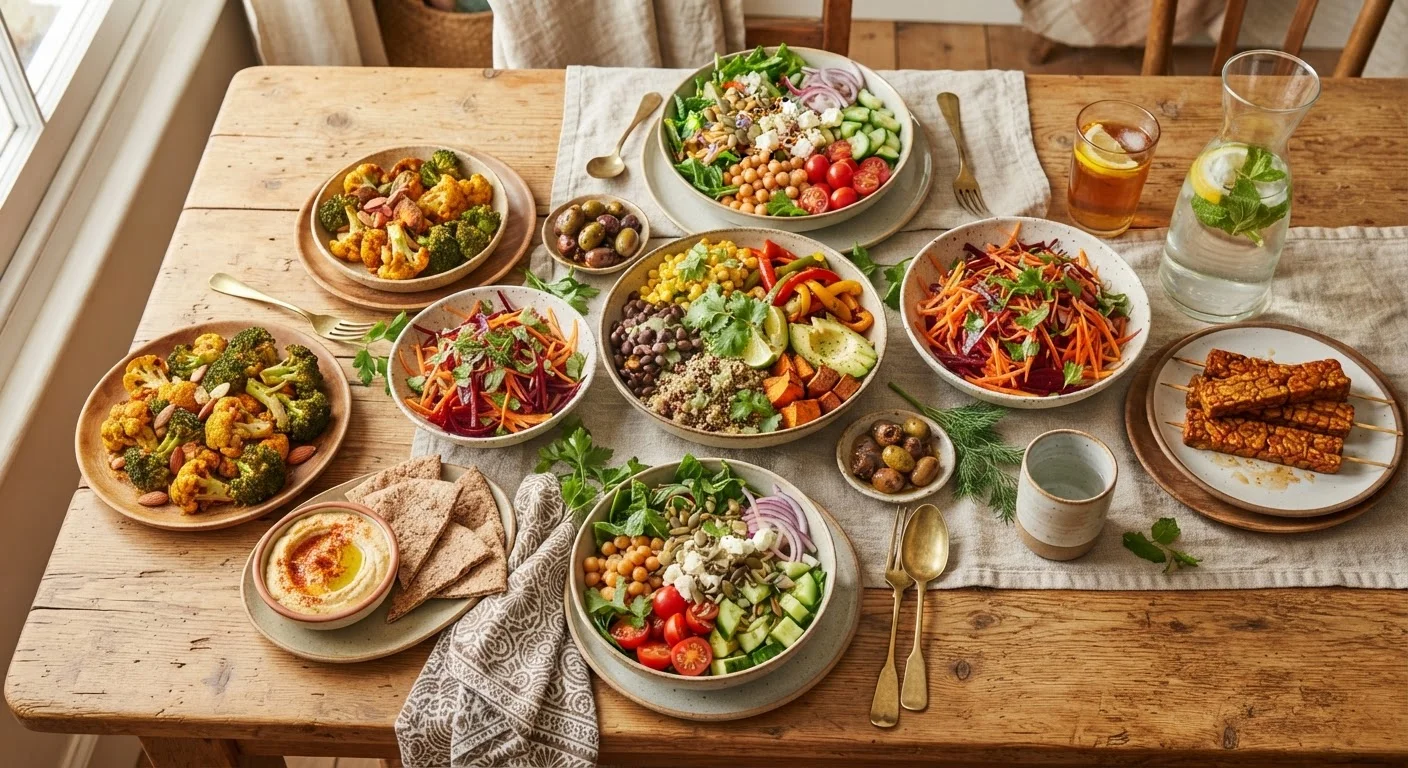
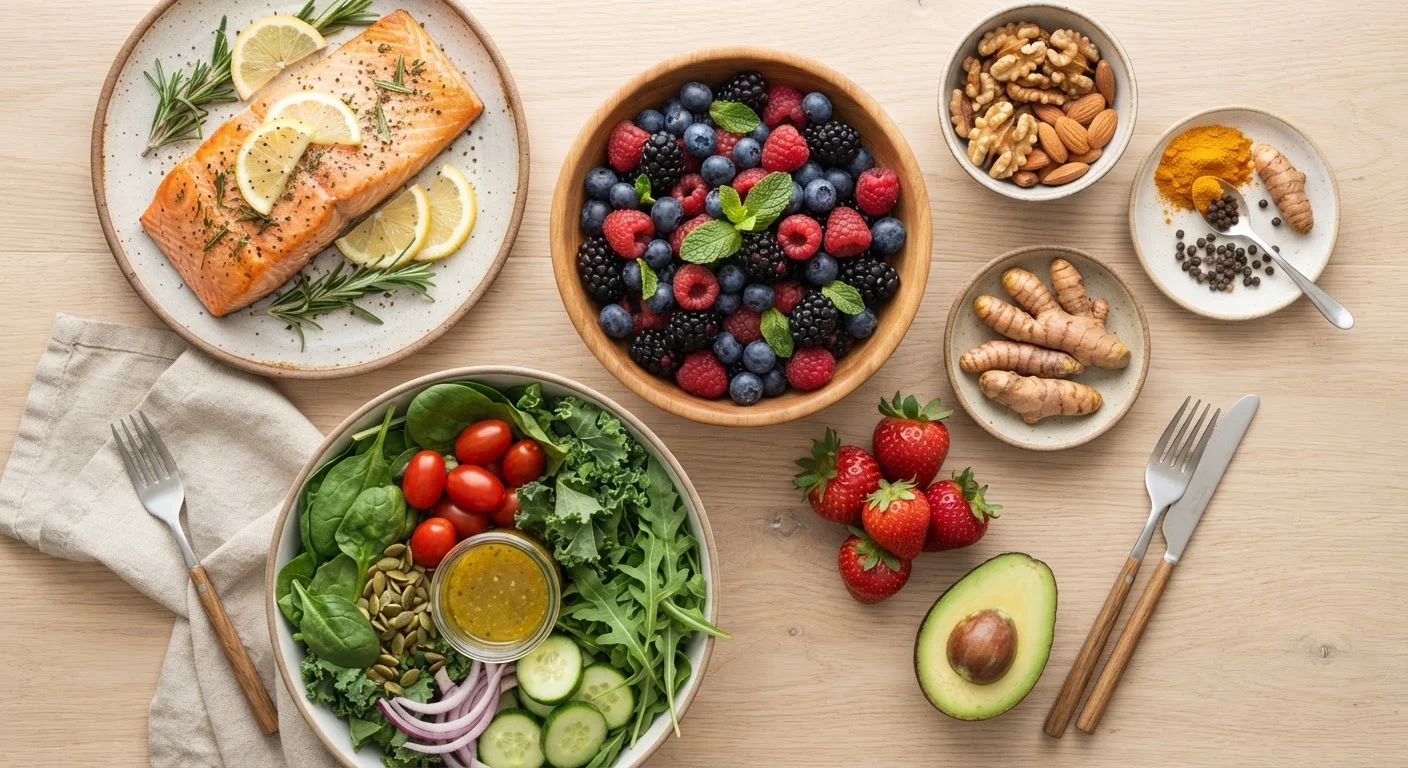
The term anti-inflammatory diet refers not to a single rigid plan but to a broad eating pattern characterised by foods associated with lower levels of systemic inflammation - a chronic, low-grade immune response increasingly linked to depression, anxiety, and cognitive decline. Core features include an emphasis on vegetables, fruits, whole grains, legumes, fatty fish, nuts, and olive oil, while limiting ultra-processed foods, refined carbohydrates, and excess added sugars.
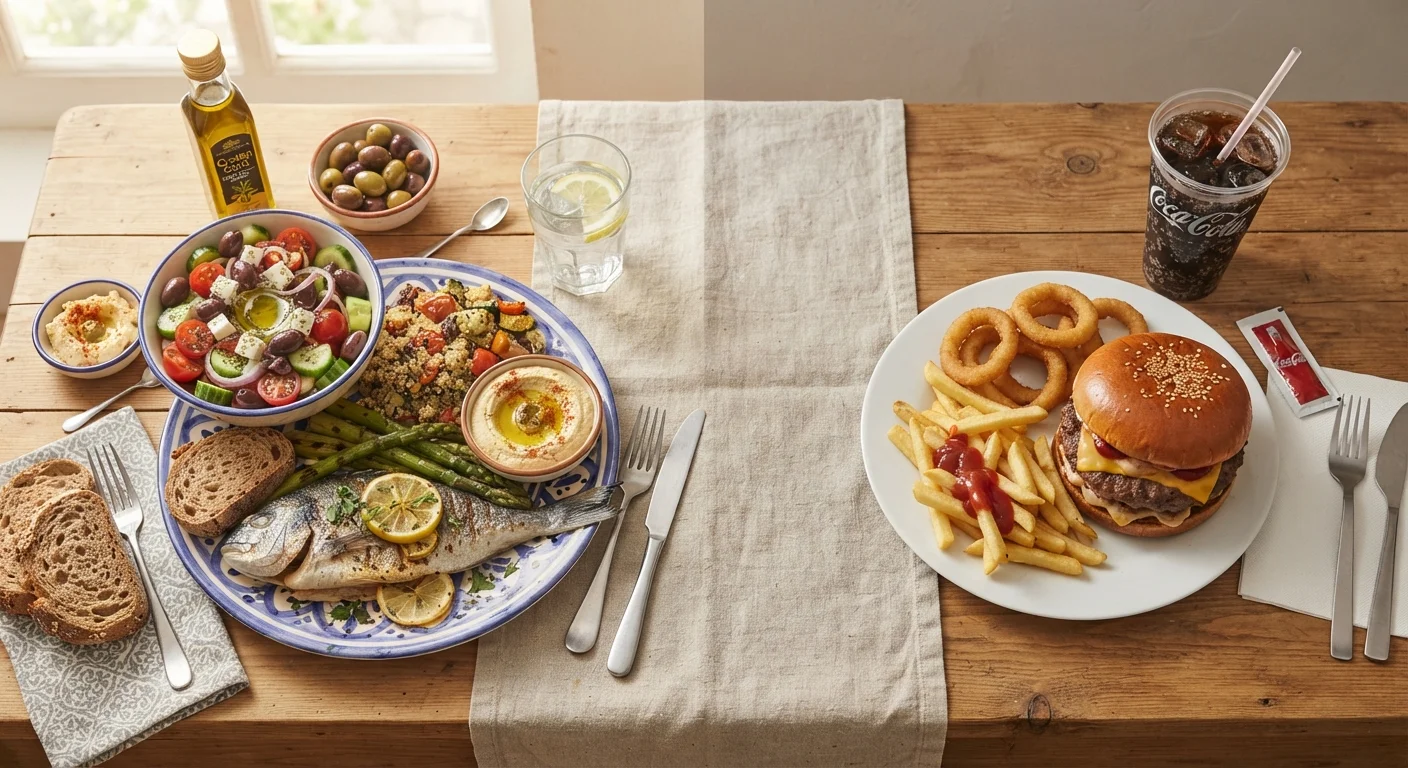
For a grounding in these core principles, see our foundational guide to anti-inflammatory eating. The Mediterranean diet is the most rigorously studied example of this pattern - for a direct comparison with typical Western dietary habits and what research says about mood outcomes, see Mediterranean Diet vs. Western Diet: What the Evidence Says About Mood.
The Case For: Potential Mental Health Benefits
Research into the diet-mental health connection has accelerated significantly over the past decade, with several lines of evidence suggesting a real, if modest, benefit.
Associated with lower depression risk in large studies
Multiple meta-analyses of observational data - including a widely cited 2019 analysis published in Molecular Psychiatry - have found that higher adherence to healthy dietary patterns correlates with meaningfully reduced odds of depression. While correlation does not confirm causation, the pattern is consistent across populations.
May reduce inflammatory biomarkers linked to mood disorders
Elevated markers such as C-reactive protein (CRP) and interleukin-6 (IL-6) appear more frequently in people with major depression. Diets rich in omega-3 fatty acids, polyphenols, and dietary fibre have demonstrated the ability to lower these markers in controlled trials.
Supports gut microbiome diversity with brain benefits
Fibre-rich, plant-forward eating nourishes a diverse gut microbiome. Emerging gut-brain axis research suggests that microbiome composition influences the production of neurotransmitters and mood-regulating metabolites, though much of this science is still in early stages.
Aligns with broad nutritional guidance for overall health
Anti-inflammatory eating patterns closely mirror dietary recommendations from major public health bodies for heart disease, type 2 diabetes, and metabolic health - meaning adopters gain multiple potential benefits beyond mental wellbeing.
Accessible entry point for lifestyle-based self-help
For people seeking concrete, actionable self-help steps, adjusting eating habits is a tangible starting point that does not require a clinical referral and can be approached gradually at one's own pace.
~30%
Reduction in depression odds with healthy diet adherence
A 2019 meta-analysis in Molecular Psychiatry pooling data from multiple large cohort studies found approximately 30% lower odds of depression among those with the highest-quality dietary patterns compared to the lowest.
16
Randomised trials reviewed in a key nutritional psychiatry meta-analysis
A 2019 systematic review and meta-analysis published in Psychosomatic Medicine identified 16 RCTs and found significant improvements in depression symptoms from dietary interventions, though effect sizes varied considerably.
Combining anti-inflammatory eating with mindful eating practices may further amplify benefit by improving a person's relationship with food itself - an often-overlooked dimension of mental wellbeing.
The Case Against: Limitations and Real-World Challenges
Enthusiasm for nutritional psychiatry should be tempered by an honest reading of its current limitations.
Most evidence is observational, not causal
The majority of studies linking anti-inflammatory diets to better mental health are cross-sectional or prospective observational studies, which cannot rule out reverse causation - for example, people with better mental health may simply eat better. Randomised controlled trials specifically targeting mental health endpoints remain relatively few and small in scale.
Effect sizes appear modest for clinical conditions
Where intervention trials do exist, the magnitude of mental health benefit tends to be modest. Dietary change is unlikely to be sufficient as a standalone treatment for diagnosed conditions such as major depressive disorder or generalised anxiety disorder.
Cost and food access create real barriers
Fresh produce, quality protein sources, and extra-virgin olive oil can be significantly more expensive than ultra-processed alternatives. Food insecurity and geographic access to whole foods mean this eating pattern is not equally available to all.
Time and cooking demands may not suit everyone
Preparing diverse whole-food meals consistently requires time, cooking skills, and planning that can be unrealistic for people managing heavy work schedules, caring responsibilities, or mental health symptoms that reduce motivation.
Risk of nutritional anxiety or orthorexic thinking
For individuals with a history of disordered eating or health anxiety, an emphasis on 'eating correctly' for mental health can inadvertently heighten food-related stress and rigid thinking, which is counterproductive to wellbeing.
A Note on Study Design and Causality
Much of the nutritional psychiatry literature relies on self-reported dietary data, which is inherently imprecise. Participants who improve their diet in intervention studies often simultaneously improve sleep, exercise, and social engagement - making it difficult to isolate diet as the active variable. Researchers in the field acknowledge these methodological constraints and continue working toward more rigorously designed trials. This does not mean the evidence is without value, but it does warrant appropriately measured conclusions.
These limitations do not invalidate dietary change as a strategy - but they do underscore that it is one tool among many. Mindfulness-based stress management, therapy, adequate sleep, and social connection all carry independent evidence and work best alongside, not instead of, dietary improvements.
Putting It Into Practice Responsibly
For most people, gradually shifting toward an anti-inflammatory pattern is low-risk and aligns with widely endorsed general nutrition guidance. The key is sustainability. Wholesale dietary overhauls tend to fail; incremental changes are far more likely to stick.
Building an Anti-Inflammatory Meal Pattern Around Real Life offers a practical framework for doing exactly that - without dismantling your existing habits overnight. You can also use the Weekly Anti-Inflammatory Diet Audit to reflect on your current habits and identify small, evidence-informed adjustments.
Anyone managing a diagnosed mental health condition, chronic disease, or taking medication should discuss dietary changes with a qualified healthcare professional before proceeding. Dietary patterns can interact with medications and underlying conditions in ways that require individualised guidance.
This article is for general informational and educational purposes only. It does not constitute medical or dietary advice. Always consult a qualified healthcare professional for guidance tailored to your personal health circumstances.