Why Diet and Inflammation Connect to Stress
Chronic low-grade inflammation is increasingly recognized in nutritional science as a factor that intersects with psychological stress. When the body's inflammatory signaling stays elevated - due to diet, sleep disruption, or other lifestyle pressures - it can influence neurotransmitter pathways and the stress-response system. Understanding which foods researchers consistently associate with lower inflammatory markers is a practical starting point for anyone exploring dietary self-help strategies.
This reference draws on findings from observational studies, clinical trials, and systematic reviews. It is general health information, not a substitute for personalized medical or nutritional guidance. For a broader explanation of the mechanisms involved, see what dietary inflammation actually does to your brain.
| Inflammatory biomarker most studied | C-reactive protein (CRP) (Widely used in dietary inflammation research) |
| Dietary pattern with strongest anti-inflammatory evidence | Mediterranean-style diet (Multiple systematic reviews and meta-analyses) |
| Key omega-3 fatty acids in oily fish | EPA and DHA (Established in nutritional biochemistry literature) |
| Gut-inflammation link | Dietary fiber → short-chain fatty acids → reduced intestinal inflammation (Emerging microbiome research) |
| Curcumin bioavailability challenge | Poor absorption without co-factors (e.g., black pepper piperine) (Noted in pharmacokinetic studies) |
| Content type | General health information, not medical advice |
Key Food Categories Linked to Lower Inflammation
Research consistently highlights several food groups whose regular consumption correlates with reduced biomarkers of inflammation - such as C-reactive protein (CRP) and interleukin-6 (IL-6).
Fatty Fish and Omega-3-Rich Foods
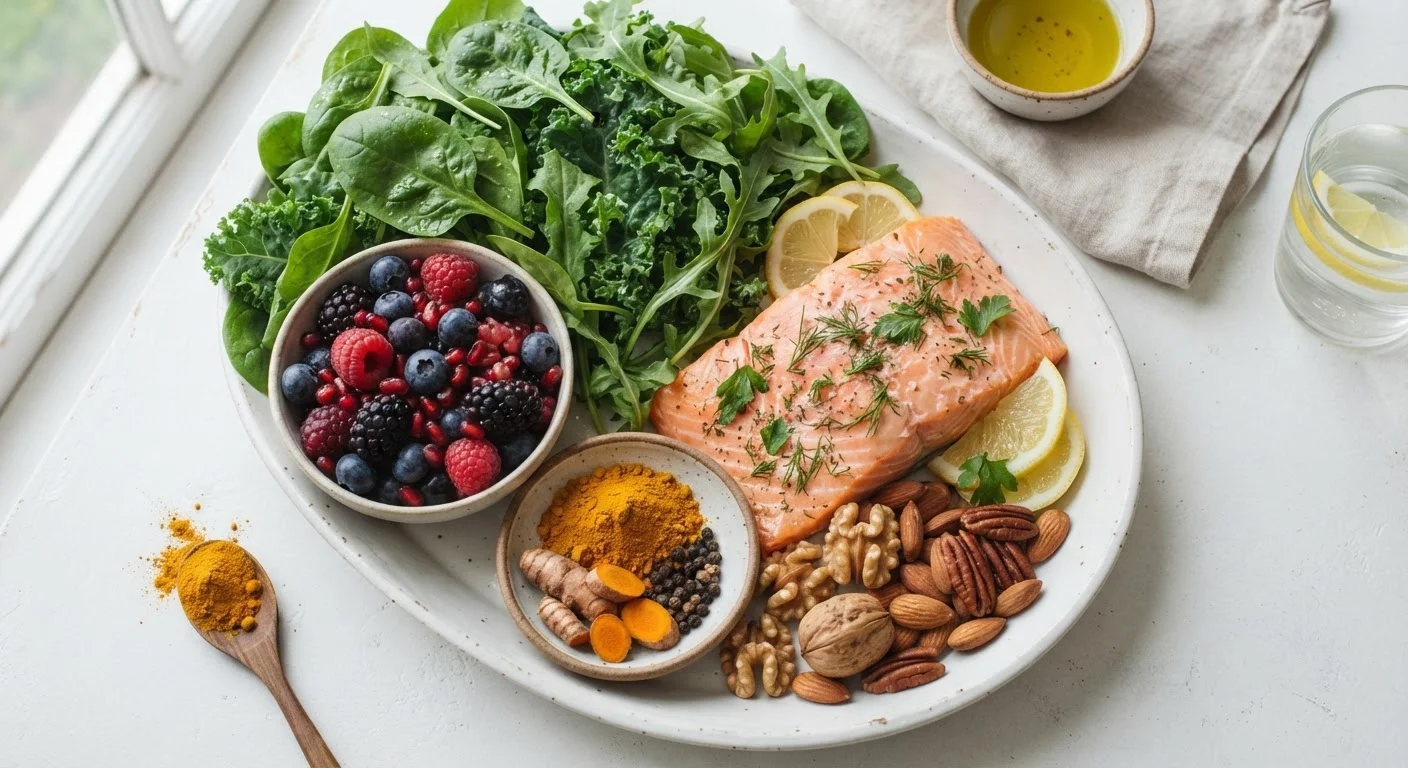
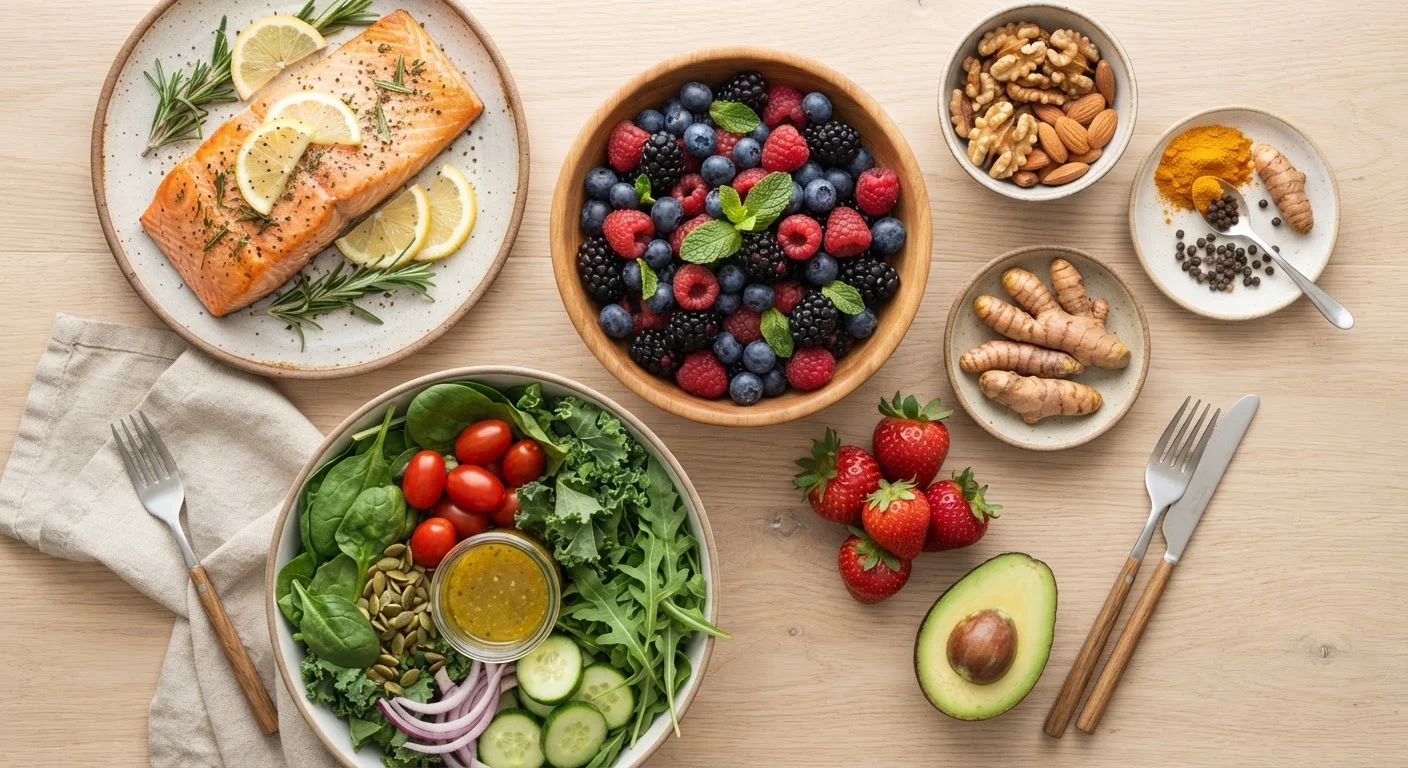
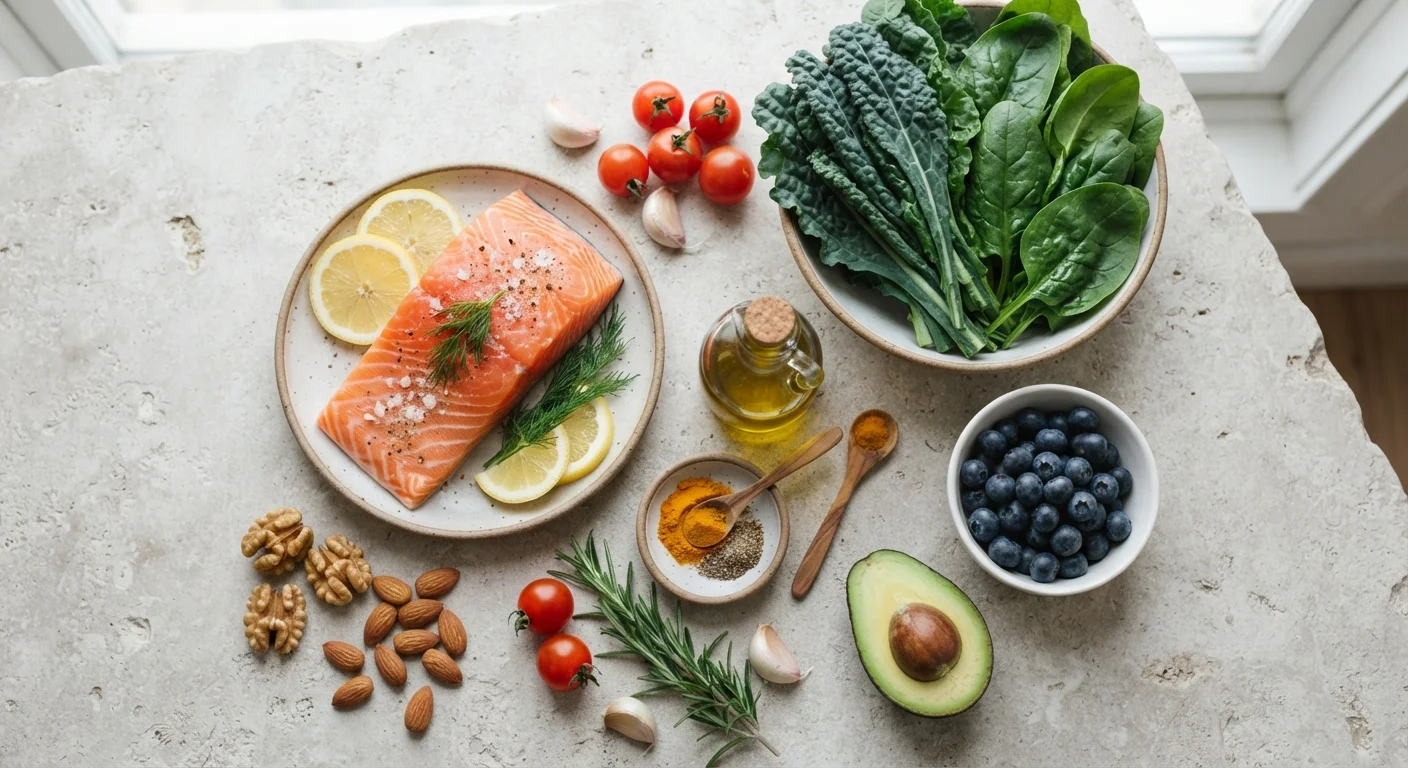
Salmon, mackerel, sardines, and other oily fish provide eicosapentaenoic acid (EPA) and docosahexaenoic acid (DHA) - long-chain omega-3 fatty acids that have demonstrated anti-inflammatory activity in multiple controlled trials. Plant-based alpha-linolenic acid (ALA) from flaxseed and walnuts also contributes, though conversion to EPA and DHA in the body is limited.
Colorful Fruits and Vegetables
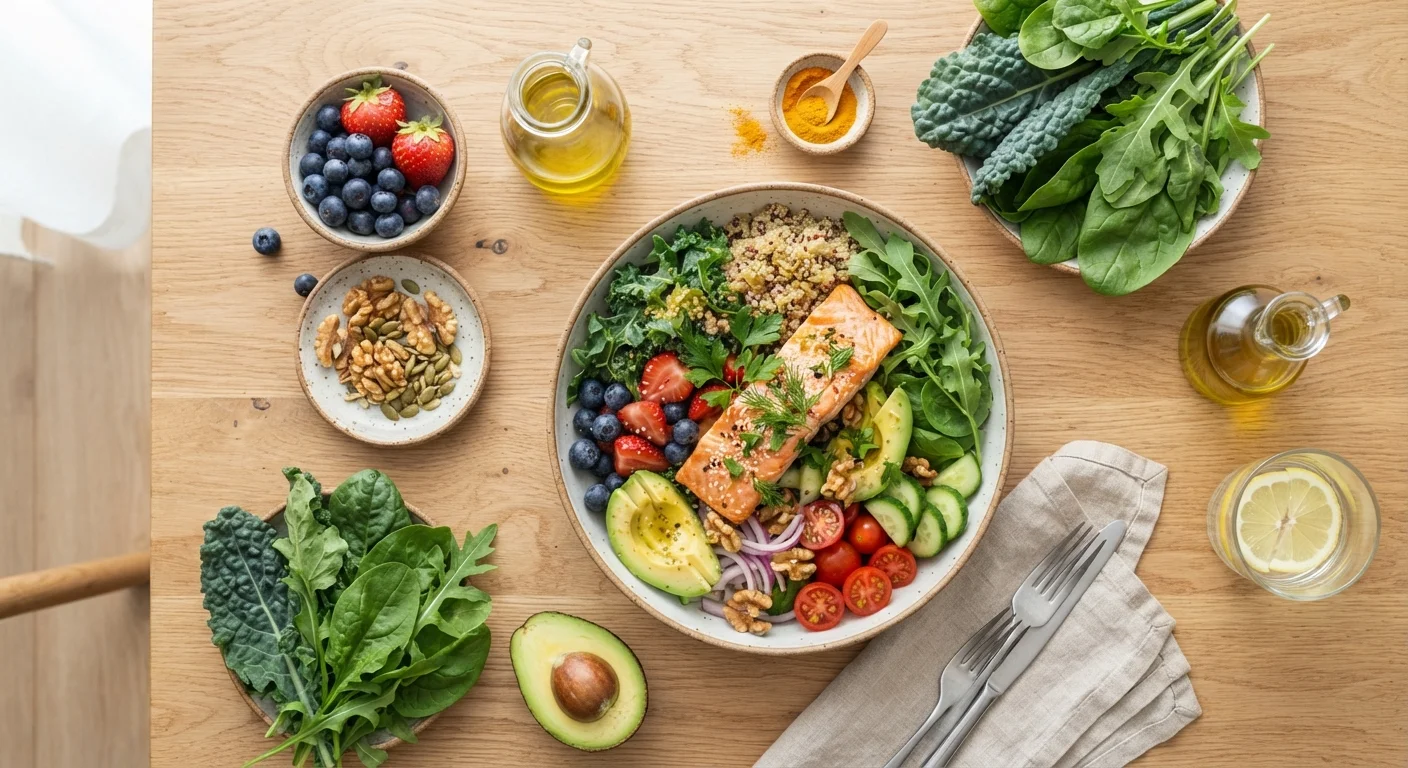
Dark berries (blueberries, cherries, blackberries), leafy greens, tomatoes, and cruciferous vegetables supply polyphenols, flavonoids, and carotenoids. These compounds are studied for their capacity to modulate oxidative stress and inflammatory signaling. Higher fruit and vegetable intake is one of the most replicated dietary findings in inflammation research.
Whole Grains and Legumes
Replacing refined carbohydrates with whole grains (oats, brown rice, quinoa) and legumes (lentils, chickpeas, beans) is associated with lower CRP levels in several prospective studies. Dietary fiber feeds beneficial gut microbiota, which in turn produce short-chain fatty acids that help regulate intestinal and systemic inflammation.
Extra-Virgin Olive Oil and Nuts
Extra-virgin olive oil contains oleocanthal, a compound with COX-inhibiting properties studied in the context of inflammation. Nuts - especially walnuts and almonds - contribute healthy unsaturated fats, magnesium, and polyphenols linked to favorable inflammatory profiles.
Spices: Turmeric and Ginger
Curcumin (turmeric's active compound) and gingerols have been studied in clinical trials for their anti-inflammatory properties, though bioavailability varies considerably. Current evidence is promising but preliminary; these spices are best regarded as useful additions to an overall dietary pattern rather than standalone remedies.
C-reactive protein (CRP)
A protein produced by the liver in response to inflammation. Blood levels of CRP are commonly used in research as a marker of systemic inflammatory activity; elevated CRP has been associated with various chronic health conditions.
Cytokines
Small signaling proteins released by immune cells that regulate the body's inflammatory response. Certain pro-inflammatory cytokines, such as interleukin-6 (IL-6) and tumor necrosis factor-alpha (TNF-α), are frequently measured in diet and mental health research.
Polyphenols
A large family of plant-derived compounds found in fruits, vegetables, tea, and whole grains. Many polyphenols have been studied for antioxidant and anti-inflammatory properties, though human evidence varies by compound and dose.
Short-chain fatty acids (SCFAs)
Metabolites produced when gut bacteria ferment dietary fiber. SCFAs such as butyrate help maintain the intestinal lining and are thought to play a role in regulating both gut and systemic inflammation.
Omega-3 fatty acids
A class of polyunsaturated fats that includes EPA and DHA (found in oily fish) and ALA (found in flaxseed and walnuts). EPA and DHA have the most direct evidence for anti-inflammatory effects in human studies.
What This Means for Stress - and What It Doesn't
The connection between anti-inflammatory eating and stress is indirect but plausible. Research suggests that elevated inflammatory cytokines may amplify stress reactivity, disrupt sleep, and affect serotonin metabolism - all of which bear on mood regulation. Some intervention studies report that participants following Mediterranean-style or otherwise anti-inflammatory dietary patterns show modest improvements in self-reported psychological wellbeing.
However, important caveats apply. Most studies are observational, making causation difficult to establish. Effect sizes in dietary intervention trials for mental health outcomes are generally modest, and individual responses vary. Diet is one component of a broader lifestyle picture that includes sleep, physical activity, and social connection. For a balanced view of what the evidence does and does not support, see weighing the mental health evidence for anti-inflammatory eating.
Individual Responses to Diet Vary Considerably
No single food or dietary pattern works identically for every person. Genetics, gut microbiome composition, existing health conditions, and overall lifestyle all influence how dietary changes affect inflammatory markers. Use this reference as a starting point for informed conversations with a registered dietitian or physician rather than a self-prescribing checklist.
If you are new to this area, the anti-inflammatory diet foundations guide provides accessible background on core principles. For practical eating strategies, mindful eating habits that support stress recovery covers evidence-informed approaches you can incorporate gradually.
~33%
Reduction in CRP linked to Mediterranean diet adherence
A meta-analysis published in Nutrients (2020) estimated that high Mediterranean diet adherence was associated with meaningfully lower CRP compared to low adherence.
2-3 servings/week
Oily fish intake associated with lower inflammatory markers
Prospective cohort data, including findings from the PREDIMED study, suggest this intake level correlates with favorable inflammatory profiles.
This article is for general informational purposes only and does not constitute medical or nutritional advice. Always consult a qualified healthcare professional before making significant changes to your diet, particularly if you have an existing health condition.