Why the Confusion Exists
If you've ever felt your heart slam against your chest while your mind raced with dread, you may have wondered: Was that a panic attack? An anxiety attack? Are they the same thing? You're not alone in asking. The terms are used interchangeably in everyday conversation, on social media, and even in some media coverage - which makes the confusion completely understandable.
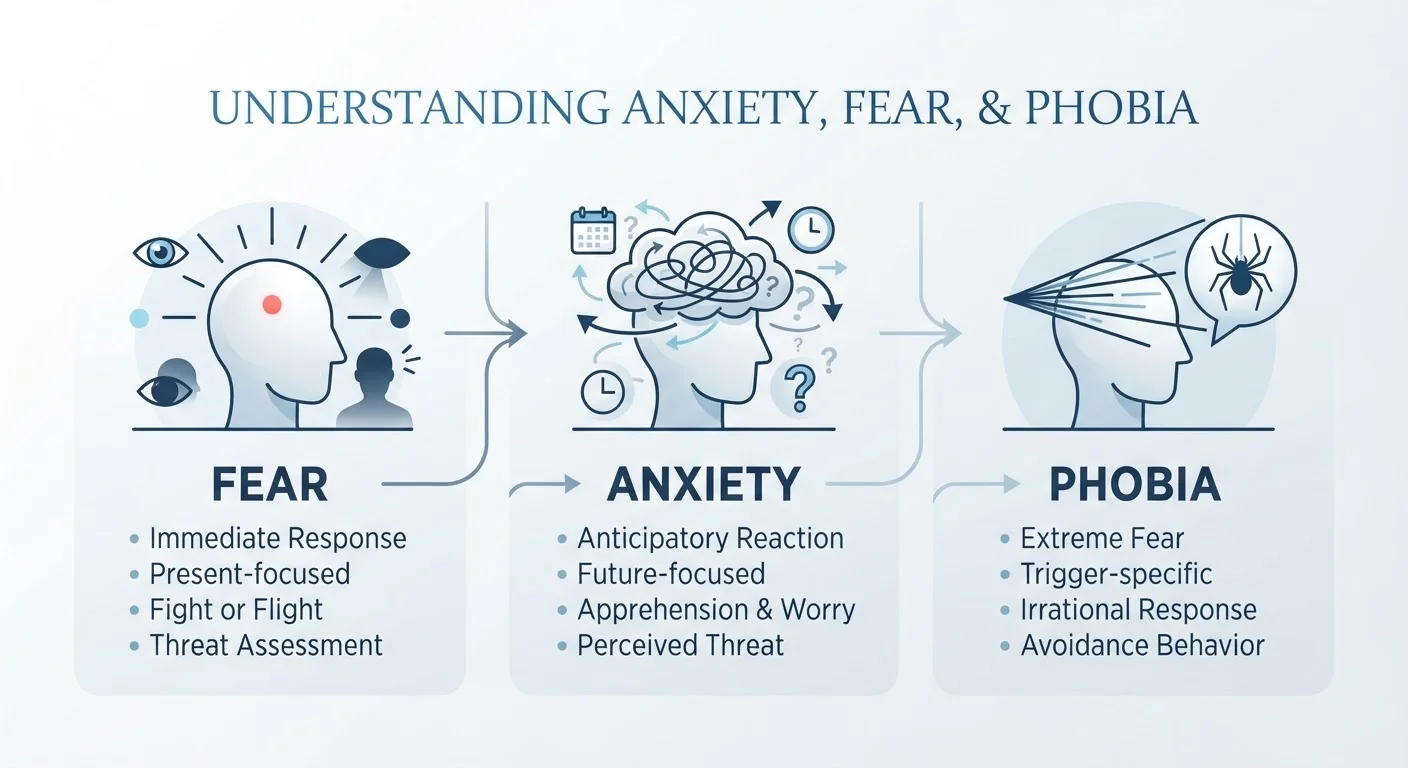
Here's the key starting point: panic attack is a defined clinical term found in the DSM-5, the standard reference guide used by mental health professionals in the United States. Anxiety attack is not a clinical term - it's colloquial shorthand people use to describe an intense period of anxiety. That distinction matters, because the two experiences actually differ in meaningful ways. For a broader grounding in the language around fear and worry, see our guide to fear, anxiety, and phobia terminology.
How Each Experience Actually Feels
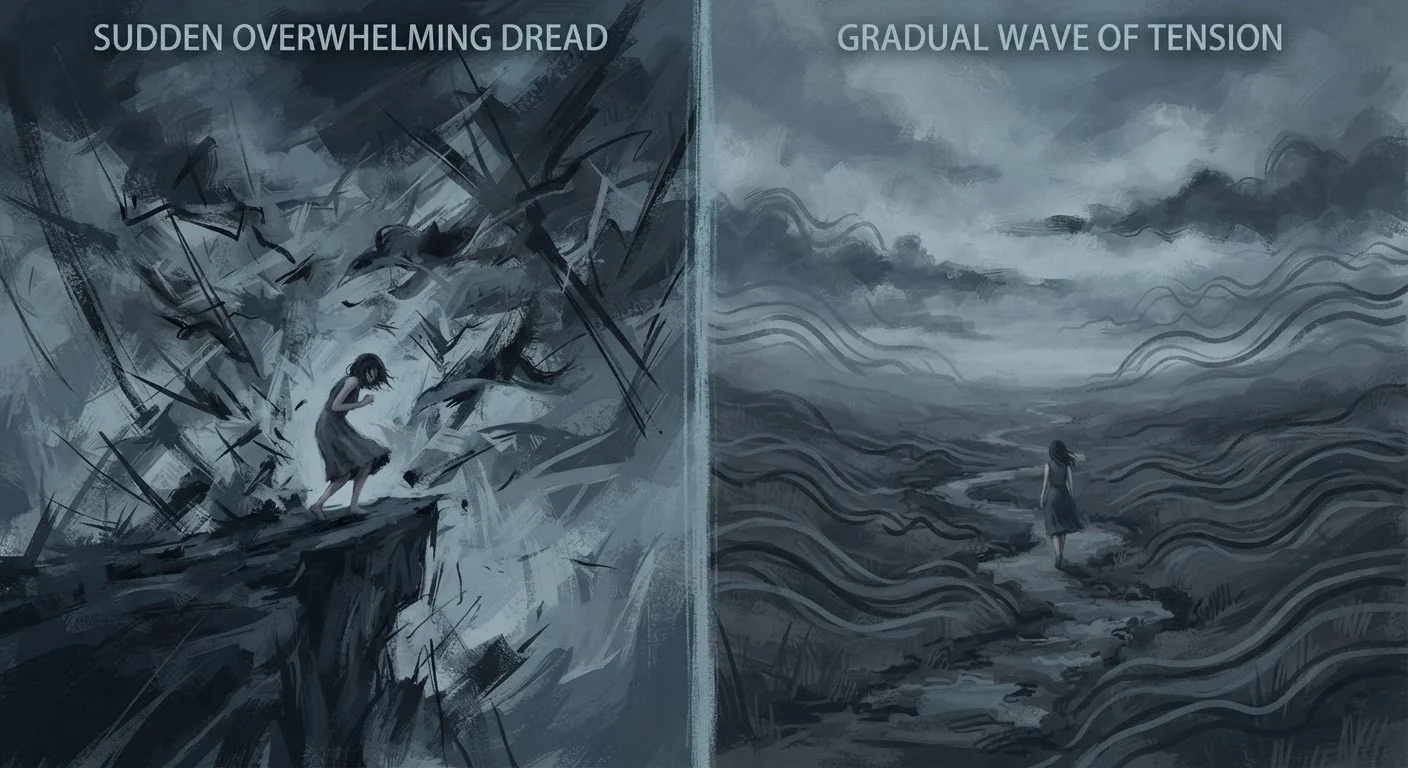
A panic attack arrives suddenly and intensely - often with no obvious trigger. The DSM-5 describes it as a surge of intense fear or discomfort that peaks within minutes and includes at least four of thirteen specific symptoms. Common ones include a pounding or racing heart, shortness of breath, trembling, chest pain, dizziness, numbness or tingling, and a frightening sense that something catastrophic is happening. Some people describe feeling detached from themselves or convinced they are dying or losing control. Then, often as abruptly as it began, it subsides - typically within 20 to 30 minutes.
What people describe as an anxiety attack tends to look different. It usually builds gradually in response to a stressor - an upcoming medical procedure, a difficult conversation, financial pressure, or sustained uncertainty. The physical sensations are real (muscle tension, upset stomach, rapid breathing, fatigue) but generally less explosive. Importantly, the intensity is usually proportional to the perceived threat, and it tends to ease once the situation resolves.
| Criterion | Panic Attack | Anxiety Attack (colloquial) |
|---|---|---|
| Clinical definition | Yes - defined in DSM-5 | No - informal term |
| Onset | Sudden, abrupt | Gradual build-up |
| Typical duration | Peaks within 10 min; resolves in 20-30 min | Can persist for hours |
| Trigger | Often absent or unclear | Usually an identifiable stressor |
| Intensity of physical symptoms | Typically severe | Moderate to severe |
| Sense of impending doom | Very common | Less typical |
| Associated conditions | Panic disorder, PTSD, phobias, others | GAD, stress responses, situational worry |
It's worth noting that anxiety itself is highly individual. Why anxiety can feel so different from person to person explores how biology, environment, and personal history shape the experience.
Causes and Context
Panic attacks can occur in the context of several mental health conditions - including panic disorder, social anxiety disorder, post-traumatic stress disorder (PTSD), and others - or they may happen in isolation. A panic attack that seems to come out of nowhere is sometimes called an unexpected or uncued panic attack. Others are situationally cued, meaning they are triggered by a specific situation, like flying or crowds.
Anxiety, by contrast, is almost always linked to a recognizable concern. Generalized, persistent anxiety that is difficult to control and interferes with daily functioning may indicate generalized anxiety disorder (GAD). Understanding the difference between GAD and other forms of anxiety can be clarifying - see generalized anxiety disorder vs. social anxiety for a side-by-side look.
~11%
U.S. adults who experience a panic attack annually
The National Institute of Mental Health estimates roughly 11% of adults in the U.S. have a panic attack in any given year.
2-3x
Higher rate of panic disorder in women than men
Research consistently shows panic disorder is diagnosed approximately two to three times more often in women than in men, according to epidemiological studies.
10 min
Typical time for a panic attack to reach peak intensity
The DSM-5 notes that panic attacks generally reach their peak within 10 minutes of onset.
It's also important to know that experiencing one panic attack does not mean a person has panic disorder. Panic disorder and panic attacks are related but distinct - a separate article walks through that difference in detail.
What to Do With This Knowledge
Naming your experience accurately can feel empowering, but it isn't something you need to do alone or get exactly right. What matters most is recognizing that both panic attacks and intense anxiety are real, distressing experiences that deserve care - not dismissal. Common myths surround panic attacks in particular; things people commonly misunderstand about panic attacks is a useful follow-up read if you've been told to "just calm down" or worried something was medically wrong.
When Panic Leads to Avoidance
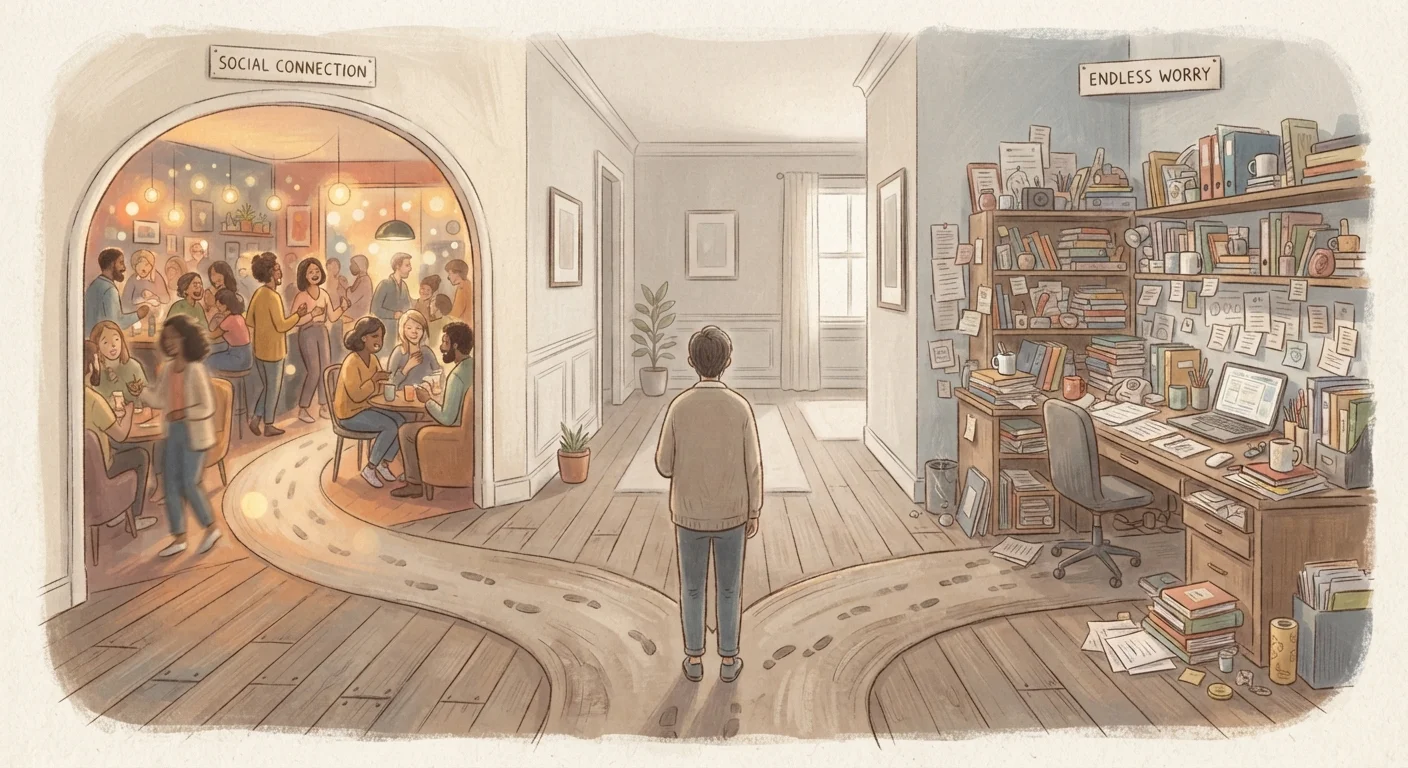
Some people who experience repeated panic attacks begin avoiding places or situations where they fear another attack might occur. This pattern can sometimes develop into agoraphobia. If you notice yourself restructuring your life around fear of panic, it's worth discussing with a professional. You can learn more about this connection in our article on agoraphobia and panic disorder.
If intense anxiety or panic episodes are happening frequently, are difficult to predict, or are causing you to avoid situations you'd normally engage in, speaking with a licensed mental health professional is a meaningful next step. They can offer an accurate assessment and, if needed, discuss evidence-based approaches such as cognitive behavioral therapy (CBT). You can also explore the broader panic and phobias hub for more context on related conditions.
This article is for general informational and educational purposes only and is not a substitute for professional medical or mental health advice, diagnosis, or treatment. If you are experiencing distressing symptoms, please consult a qualified healthcare professional.