
Why Mental Wellbeing Is Never Static
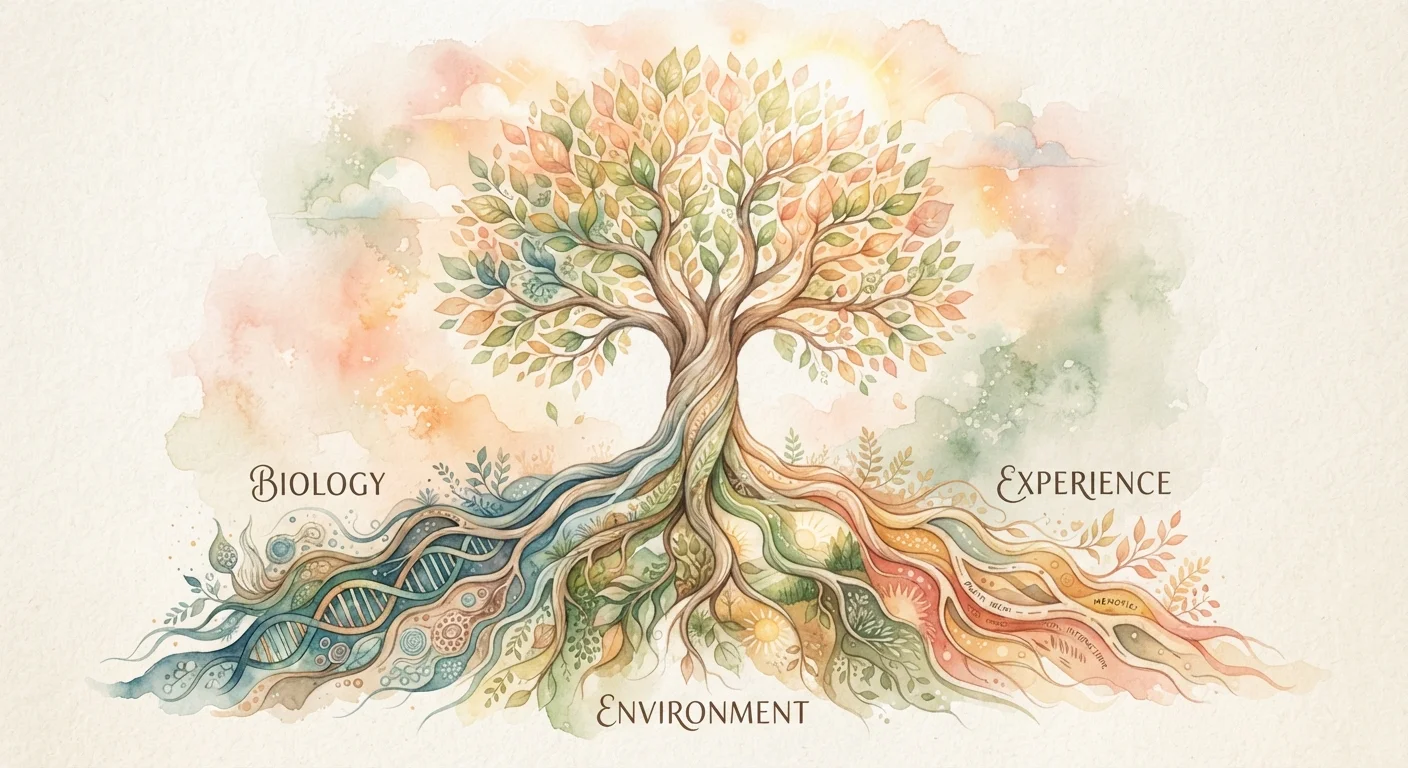
If you've ever noticed that you handled stress differently at 25 than you do now, or that a friend seems more emotionally settled in their 50s than they were in their 30s, you've already observed something important: mental wellbeing moves. It responds to the world around us and the changes happening within us.
The full meaning of mental health goes far beyond the absence of a diagnosis. It encompasses how we think, feel, relate to others, and adapt to change - all of which evolve as we grow. Understanding that mental wellbeing is a moving target, not a fixed state, is one of the most freeing insights anyone can have. It means that where you are right now is not where you have to stay.
Childhood and Adolescence: Foundations and Firsts
The earliest years of life lay down the emotional architecture that shapes everything that follows. Children develop their first sense of safety, attachment, and self-worth primarily through relationships with caregivers. When those relationships are consistent and nurturing, they build a foundation of emotional security. When they're strained or unpredictable, that too leaves a mark - though it is rarely permanent.
Adolescence introduces a new layer of complexity. The teenage brain undergoes significant restructuring, particularly in areas governing impulse control, risk assessment, and emotional regulation. This biological reality explains why teenagers often feel emotions so intensely and why the adolescent years carry elevated risk for the onset of conditions like anxiety and depression. Peer relationships, identity formation, and academic pressure all converge during this period.
Family dynamics play a significant role here. How families communicate and set boundaries can either buffer young people against stress or amplify it.
Young Adulthood and Midlife: Pressure and Purpose
Young adulthood is often characterized by rapid transitions - leaving home, forming intimate relationships, entering the workforce, and establishing identity outside of family. These milestones can be exhilarating, but they also carry substantial pressure. Research consistently identifies young adulthood as a period of heightened psychological vulnerability, not because something is wrong with the people in it, but because so much is changing so fast.
Midlife tends to bring a different kind of reckoning. Career demands, caregiving responsibilities (often for both children and aging parents), and the beginning of physical changes can converge into what is sometimes called the "midlife squeeze." It is also a period when many people begin to reflect seriously on meaning and purpose. That reflection, while sometimes uncomfortable, can be a genuine driver of growth.
The growth mindset framework is particularly relevant here: people who approach midlife challenges as opportunities to adapt - rather than as signs of failure - tend to navigate this phase with greater resilience.
Older Adulthood: Loss, Wisdom, and Overlooked Strengths
Older adulthood is frequently misunderstood from a mental health perspective. While it brings real challenges - physical health changes, bereavement, retirement transitions, and the risk of social isolation - it also carries underappreciated strengths. Many studies suggest that emotional regulation often improves with age, as older adults tend to prioritize meaningful relationships and have greater perspective on what truly matters.
That said, loneliness remains a serious concern. Social isolation looks different in later life than it does in younger years, and its effects on mental and physical health are well-documented. Staying connected - whether through community, family, or structured programs - is one of the most evidence-supported ways to protect wellbeing in this phase.
This article is for general informational and educational purposes only and is not a substitute for professional medical or mental health advice. If you have concerns about your mental health at any stage of life, please consult a qualified healthcare professional.