What Is a Panic Attack?
A panic attack is a sudden surge of intense fear or discomfort that peaks within minutes. During an episode, a person may experience a racing or pounding heart, shortness of breath, chest tightness, dizziness, sweating, trembling, or a feeling of unreality - known clinically as derealization or depersonalization. Some people feel convinced they are dying or losing control.
Critically, panic attacks are not exclusive to people with anxiety disorders. They can be triggered by physical stressors, stimulants like caffeine, sleep deprivation, or major life stress - and they can also appear to come out of nowhere, which clinicians call an unexpected or uncued panic attack.
Most attacks resolve within 10 to 30 minutes. While they are genuinely distressing, they are not medically dangerous in themselves. For more on common misconceptions, see what people commonly misunderstand about panic attacks.
| Criterion | Panic Attack | Panic Disorder |
|---|---|---|
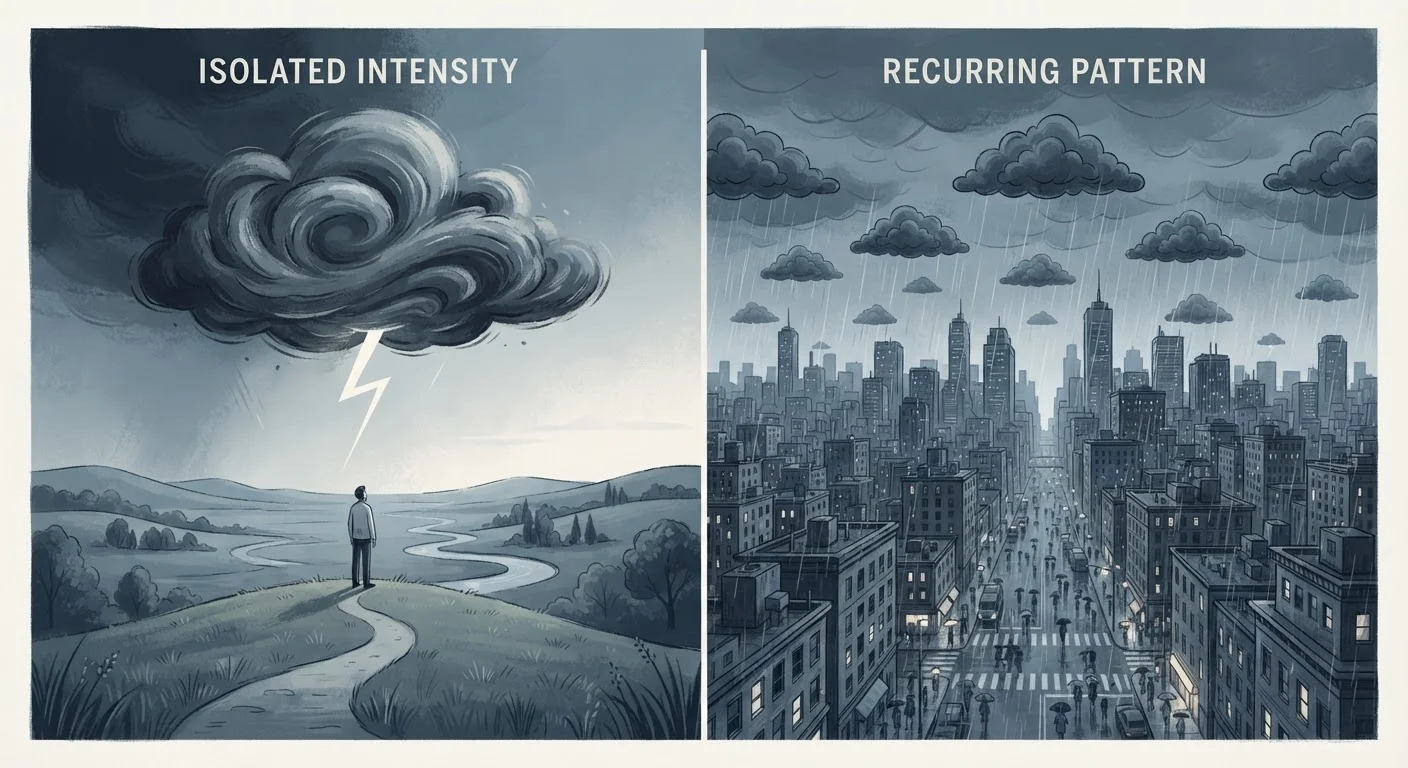
| Definition | A single episode of intense fear | A pattern of recurring attacks plus follow-on impact |
| Diagnosis required? | No - it's a symptom, not a condition | Yes - diagnosed by a clinician using DSM-5 criteria |
| Duration | Minutes (typically 10-30) | Ongoing - weeks to months without treatment |
| Persistent worry between episodes | Not necessarily present | Required for diagnosis (at least 1 month) |
| Behavioral avoidance | May or may not occur | Common and often defining feature |
| Who experiences it | Anyone - no disorder needed | Estimated 2-3% of US adults in a given year |
| Treatment focus | Stress management, ruling out medical causes | CBT, medication, structured clinical care |
What Is Panic Disorder?
Panic disorder is a diagnosable anxiety condition in which a person experiences recurrent, unexpected panic attacks and develops significant follow-on reactions. According to DSM-5 criteria - the standard diagnostic manual used by US clinicians - a diagnosis requires that at least one attack is followed by a month or more of either:
- Persistent worry about having additional attacks or their consequences, or
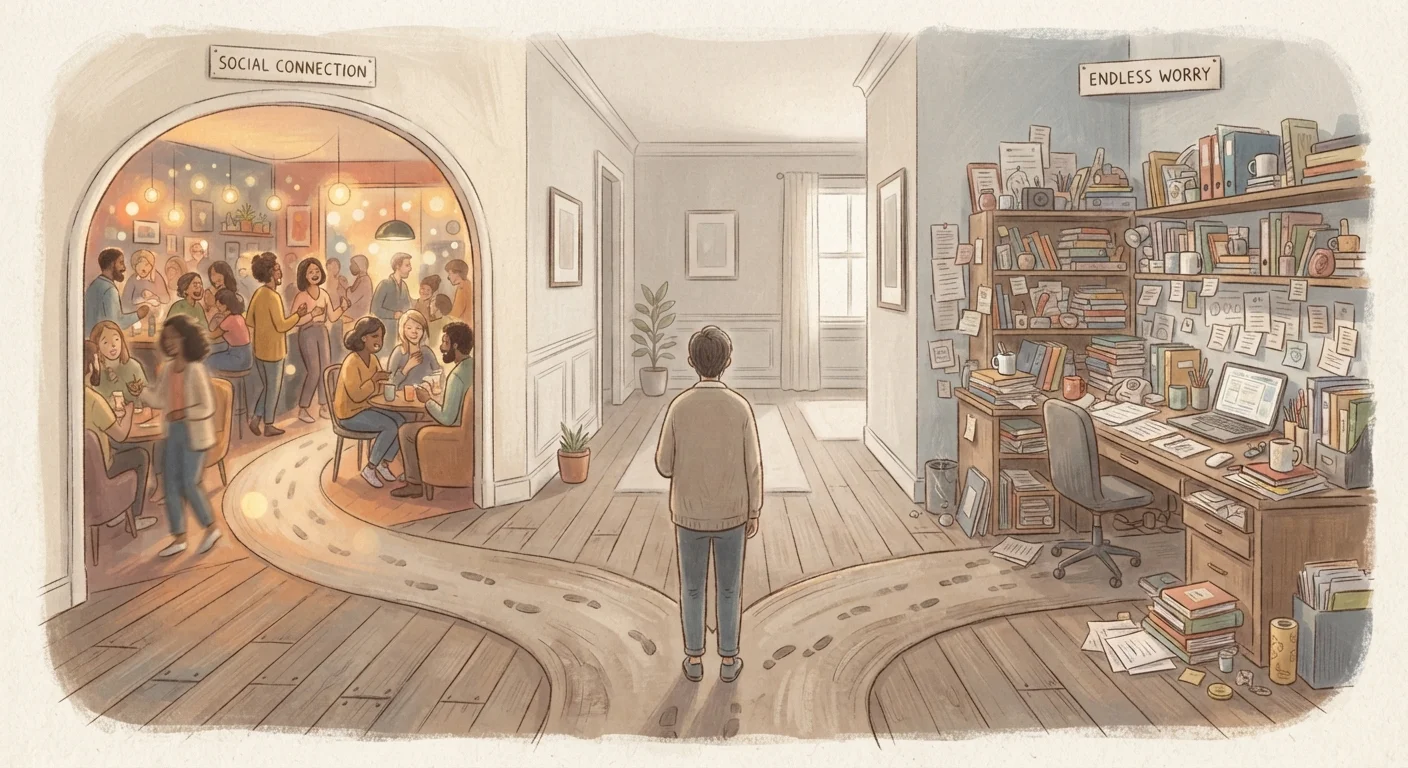
- Significant behavioral changes to avoid situations associated with attacks - such as avoiding exercise, crowds, or driving.
This distinction matters enormously. The panic attacks themselves are the symptom; the sustained pattern of fear and avoidance is what constitutes the disorder. It's that ongoing disruption to daily life that crosses the clinical threshold.
2-3%
US adults with panic disorder annually
National Institute of Mental Health data suggests panic disorder affects approximately 2-3% of US adults in any given year.
~11%
Adults who experience a panic attack in their lifetime
Epidemiological studies indicate roughly 1 in 10 adults will experience at least one panic attack, most without developing panic disorder.
Panic disorder can sometimes lead to agoraphobia - a fear of places or situations where escape might be difficult - making early recognition and treatment especially valuable. Learn more about how agoraphobia and panic disorder are connected.
Why the Distinction Matters for Getting Help
Conflating a panic attack with panic disorder can lead people in two problematic directions: dismissing a real condition that warrants treatment, or catastrophizing an isolated episode into a chronic identity. Neither serves the person well.
If panic attacks are recurring and your life is organized around avoiding them, a mental health evaluation is appropriate. Cognitive behavioral therapy (CBT) - particularly a technique called interoceptive exposure, which gradually reduces fear of physical sensations - is among the most well-studied treatments. Certain medications, including SSRIs and SNRIs, are also established options that a psychiatrist or physician can discuss.
Panic disorder is also meaningfully different from other anxiety conditions. If you're comparing experiences, it helps to understand how generalized anxiety disorder and social anxiety differ - because treatment approaches vary. And if trauma is part of the picture, understanding the difference between acute stress disorder and PTSD may also be relevant.
If you're unsure whether you're experiencing panic attacks, anxiety attacks, or something else entirely, this comparison of panic attacks and anxiety attacks can help you sort through the language.
Panic Attacks Can Have Medical Causes
Conditions such as hyperthyroidism, heart arrhythmias, and inner ear disorders can produce symptoms that closely resemble panic attacks. A clinician will typically rule out medical causes before assigning a psychiatric diagnosis. If you experience sudden, intense physical symptoms for the first time, seeking medical evaluation is a reasonable first step.
This article is for general informational purposes only and is not a substitute for professional medical advice, diagnosis, or treatment. If you are experiencing distressing symptoms, please speak with a qualified healthcare provider.