No Two Anxiety Experiences Are Quite the Same
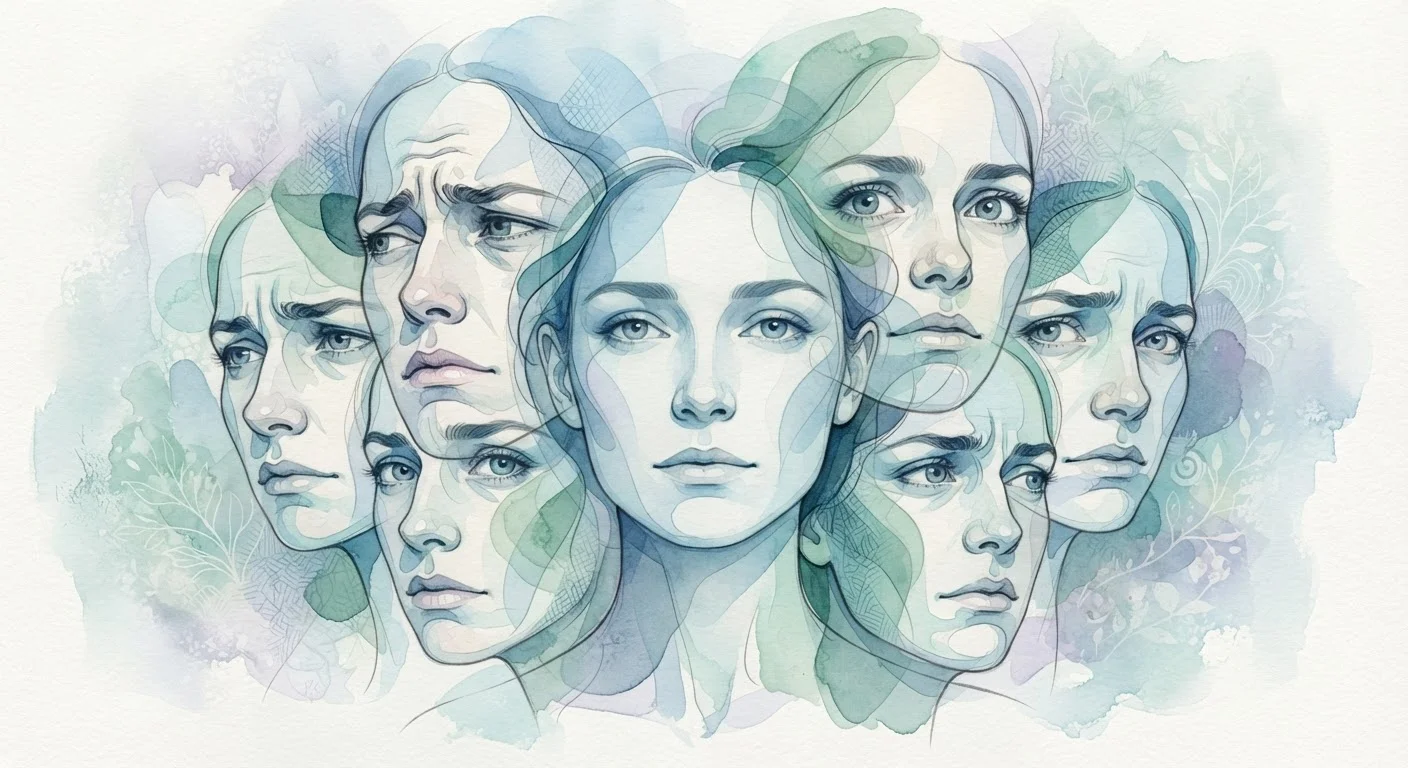
If you've ever described feeling anxious to a friend and sensed they couldn't quite relate, you're not imagining it. Anxiety is one of the most common mental health experiences in the world - yet it can feel profoundly different depending on who is experiencing it.
One person's anxiety might show up as a constant, low-level hum of worry about the future. Another person's might arrive as a sudden wave of physical symptoms - a pounding heart, shallow breath, or a tight chest - with no obvious trigger. Someone else might avoid social situations without fully recognizing that fear is driving the choice.
This variation isn't random. It reflects the fact that anxiety is shaped by an intricate combination of biological tendencies, life experiences, and psychological patterns that are unique to each individual. Understanding these influences can help you make sense of your own experience - and feel less alone in it.
Anxiety also takes many clinical forms, from generalized worry to phobias, which adds another layer to how differently it can present.
The Role of Biology and the Nervous System
Some people are simply born with a nervous system that responds more intensely to perceived threats. Research in behavioral genetics suggests that anxiety has a hereditary component - meaning that if anxiety runs in your family, you may have a somewhat higher baseline sensitivity to stress. This isn't a certainty or a sentence; it's one piece of a larger picture.
The autonomic nervous system - the part of your body that governs the fight-or-flight response - also varies in its reactivity between individuals. People with a more easily activated stress response may notice stronger physical symptoms like rapid heartbeat, sweating, or nausea when anxious. Others may experience more cognitive symptoms, such as repetitive worried thoughts or difficulty concentrating, with fewer physical signals.
~31%
U.S. adults affected by anxiety at some point
According to the National Institute of Mental Health, approximately 31% of U.S. adults experience an anxiety disorder at some point in their lives.
~40%
Heritability estimate for anxiety disorders
Twin and family studies suggest anxiety disorders have a heritability of roughly 30-40%, meaning genes contribute meaningfully but are not the whole story.
Neurochemistry plays a role too. Differences in how the brain regulates neurotransmitters like serotonin and gamma-aminobutyric acid (GABA) can influence how quickly anxiety escalates and how easily it settles.
How Life Experiences Shape Anxiety
Biology sets a foundation, but lived experience does a great deal of the building. Early childhood environments - including how safe, supported, and predictable the world felt - can calibrate the nervous system's default threat-detection settings. A child who grew up in an unpredictable or stressful home may develop a higher baseline state of alertness that persists into adulthood.
Significant stressful events or trauma can also reshape how anxiety presents. Someone who experienced a frightening medical episode may develop health-related anxiety. Someone who went through a difficult social experience may find that anxiety clusters around interpersonal situations - something explored in more depth when looking at what social anxiety actually looks like day to day.
Notice Where You Feel Anxiety First
Paying attention to where anxiety shows up in your body - tightness in your chest, a knot in your stomach, tension in your shoulders - can be a practical starting point for self-awareness. Keeping a simple journal of what you notice, and what was happening at the time, can help you (and any professional you work with) identify your personal patterns.
It's worth noting that anxiety can also emerge in people with relatively calm childhoods. Life experiences interact with individual biology in complex, nonlinear ways - which is one reason anxiety is so hard to predict or pin down to a single cause.
Personality, Coping Style, and What You've Learned
Certain personality traits are associated with higher anxiety sensitivity - for example, a strong need for certainty, a tendency toward self-criticism, or a deep awareness of other people's emotions. These traits aren't flaws; they often come with real strengths. But they can also make anxiety feel more intense or harder to dismiss.
The coping strategies a person learns - often unconsciously - also shape how anxiety is expressed. Someone who learned early on that expressing fear was unsafe may internalize anxiety, experiencing it mainly as rumination or physical tension. Someone else might externalize it through restlessness or reassurance-seeking.
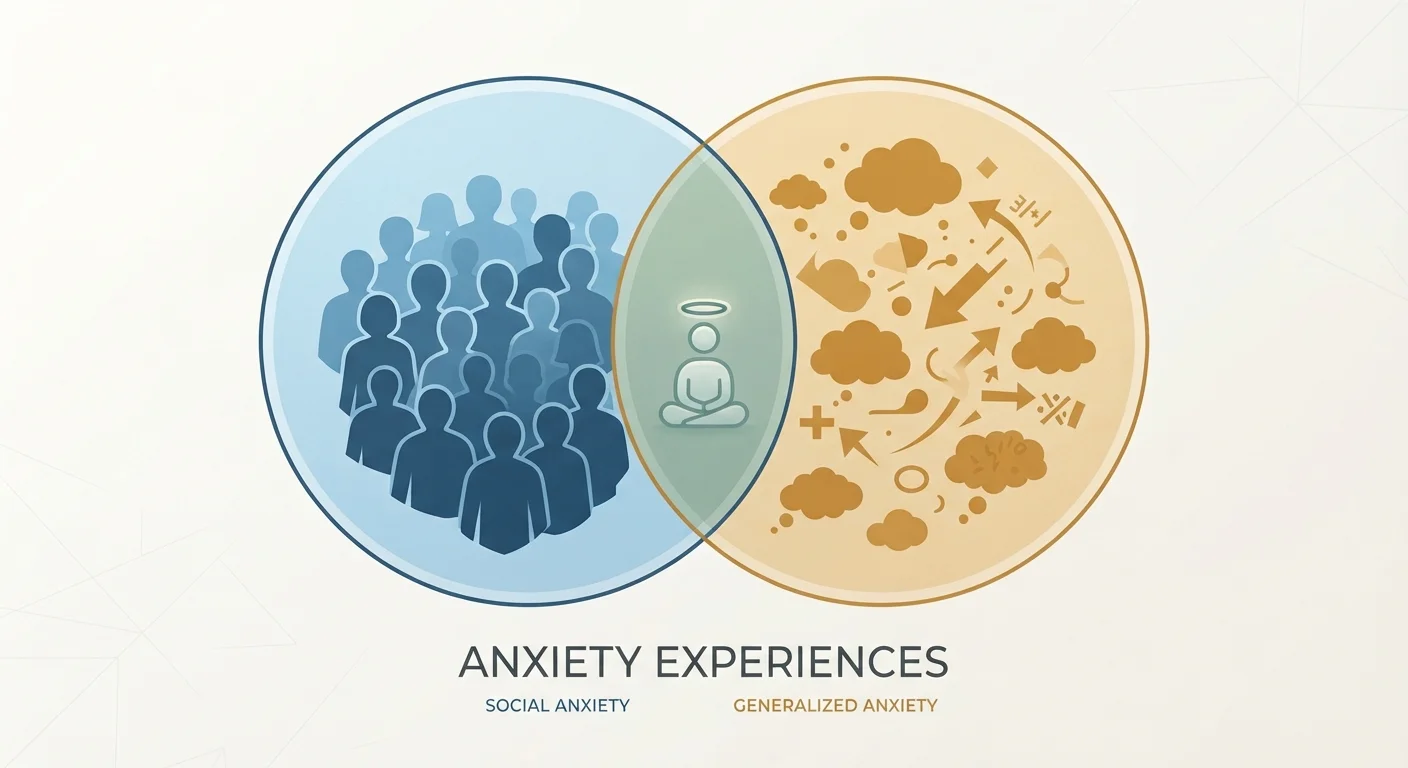
Understanding your own patterns - what triggers your anxiety, where you feel it in your body, and how you tend to respond - is genuinely useful information. It's also why anxiety subtypes can look so different from one another: social anxiety and generalized anxiety disorder share some symptoms but have meaningfully different roots.
Anxiety Looks Different Across Subtypes Too
Beyond individual variation, anxiety disorders themselves have distinct presentations. Panic disorder, generalized anxiety disorder, and social anxiety disorder each have their own triggers, symptoms, and trajectories. If you're trying to understand which type might resonate with your experience, understanding the difference between panic and anxiety attacks can be a useful place to start.
This article is for informational purposes only and is not a substitute for professional medical or mental health advice. If you're concerned about anxiety you're experiencing, please reach out to a qualified healthcare provider.