
When Stress Hides in Plain Sight
Most people can identify obvious relationship stress — a serious argument, a betrayal, or a painful breakup. What's far harder to see are the quieter, more persistent patterns that slowly drain energy and erode wellbeing without ever announcing themselves as problems.
These hidden stressors matter. Research in relationship psychology consistently links chronic interpersonal tension — even low-intensity tension — to elevated stress hormones, disrupted sleep, and reduced emotional resilience. If you've ever felt vaguely worn down by a relationship without being able to explain why, a subtle trigger may be at work. For a broader map of where relationship stress fits among other major stressors, see our guide to common stress triggers.
The list below covers the interpersonal patterns most frequently overlooked — not to assign blame, but to help you identify and name what may be affecting you.
Unspoken expectations
One of the most common hidden stressors is the gap between what we expect and what we've actually communicated. When a partner, friend, or family member doesn't meet an expectation they were never told about, repeated disappointment accumulates — and it can feel like something is fundamentally wrong with the relationship rather than with the communication.
Expectations around effort, affection, availability, or shared responsibilities are particularly prone to staying unspoken. Bringing them into conversation — even when it feels awkward — tends to reduce this kind of low-grade friction significantly.
Disappointment from unspoken expectations can feel like a relationship problem when it's really a communication gap.
Imbalanced emotional labour
Emotional labour refers to the ongoing work of managing feelings, maintaining harmony, anticipating others' needs, and keeping relationships running smoothly. When this work falls consistently on one person, it creates a quiet but real form of stress — the kind that builds over months or years without a single identifiable cause.
This imbalance often goes unnoticed by the person doing less of the work, which can make it especially frustrating for the person carrying more. Recognising that emotional labour is real and unevenly distributed is itself an important first step.
Emotional labour that falls consistently on one person creates stress that accumulates silently over time.
Chronic low-level conflict avoidance
Avoiding conflict can feel like keeping the peace, but when it becomes a persistent pattern, it tends to do the opposite. Unresolved tensions don't disappear — they accumulate beneath the surface, shaping interactions in ways both people can feel but neither can easily name.
Research on relationship satisfaction suggests that couples and close friends who develop ways to address disagreements constructively tend to experience less chronic stress than those who habitually sidestep them. Understanding the difference between healthy conflict and chronic harm can help clarify when avoidance has become its own problem.
Avoiding disagreements consistently creates its own form of relationship stress — tension stored rather than resolved.
Emotional withholding
Emotional withholding occurs when someone consistently pulls back from sharing feelings, offering reassurance, or engaging warmly — often without being fully aware they're doing it. For the person on the receiving end, this can produce a persistent sense of uncertainty or inadequacy that is genuinely stressful, even when nothing overtly negative is said.
This pattern is distinct from introversion or a naturally reserved temperament. The key signal is a felt disconnection that persists across many interactions and leaves one or both people feeling unseen.
Consistent emotional withdrawal creates a quiet stress of uncertainty that is difficult to name but easy to feel.
Role rigidity and loss of identity
Over time, people in close relationships can become locked into fixed roles — the caretaker, the decision-maker, the peacekeeper — in ways that feel comfortable at first but gradually limiting. When a role no longer fits who you're becoming, the mismatch becomes a source of stress, sometimes experienced as restlessness, resentment, or a vague sense of being stuck.
This is particularly common in long-term partnerships and in family relationships where roles were established in earlier life stages. The stress here isn't about the other person being wrong — it's about the relationship needing to evolve.
Being locked into a relationship role that no longer fits can generate stress that's easy to misidentify as something else.
Digital boundary erosion
The expectation of constant availability — via text, messaging apps, or social media — is a relatively new but increasingly significant relationship stressor. When someone feels obligated to respond immediately at all hours, or when a relationship dynamic is played out through digital monitoring or comparison, stress accumulates in ways that have little precedent in prior generations.
This connects to broader patterns explored in habits that quietly raise stress levels. Setting shared expectations around response times and digital space can reduce this stressor meaningfully.
The expectation of constant digital availability has become a genuine and underappreciated relationship stressor.
Recognising These Patterns in Your Own Life
Naming a stressor doesn't mean a relationship is failing — it means you're paying attention. Many of these patterns are addressable once they're visible. Honest, low-stakes conversations, boundary-setting, or simply adjusting expectations can make a meaningful difference. For situations where patterns feel entrenched or painful, working with a licensed therapist or counselor is a well-supported option worth considering.
Start with curiosity, not criticism
When you notice one of these patterns in a relationship, approaching the conversation with curiosity tends to be more productive than leading with frustration. Try naming what you've noticed rather than assigning intent: 'I've been feeling disconnected lately — can we talk about it?' This framing invites reflection rather than defensiveness and makes it easier to move forward together.
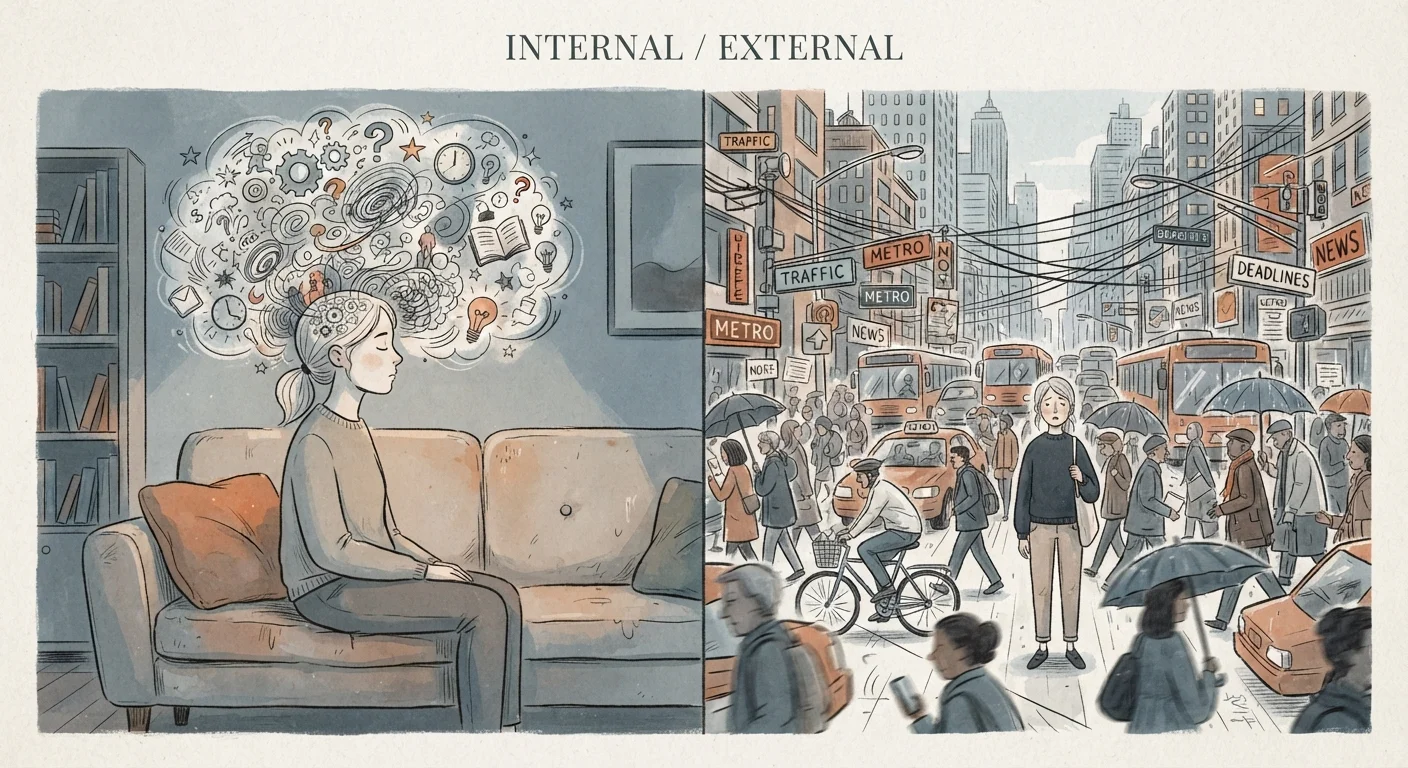
It's also worth reflecting on whether any of these triggers might interact with internal patterns — self-criticism, avoidance, or fear of conflict — that amplify relationship stress from the inside. Understanding the difference between internal and external stress triggers can help clarify which part of the dynamic is yours to work on. And if you notice physical or emotional symptoms building, these subtle signs of stress are worth taking seriously.
This article is for general informational purposes only and does not constitute medical or psychological advice. If you are experiencing significant distress in a relationship, please consult a qualified mental health professional.