
Why This Distinction Matters
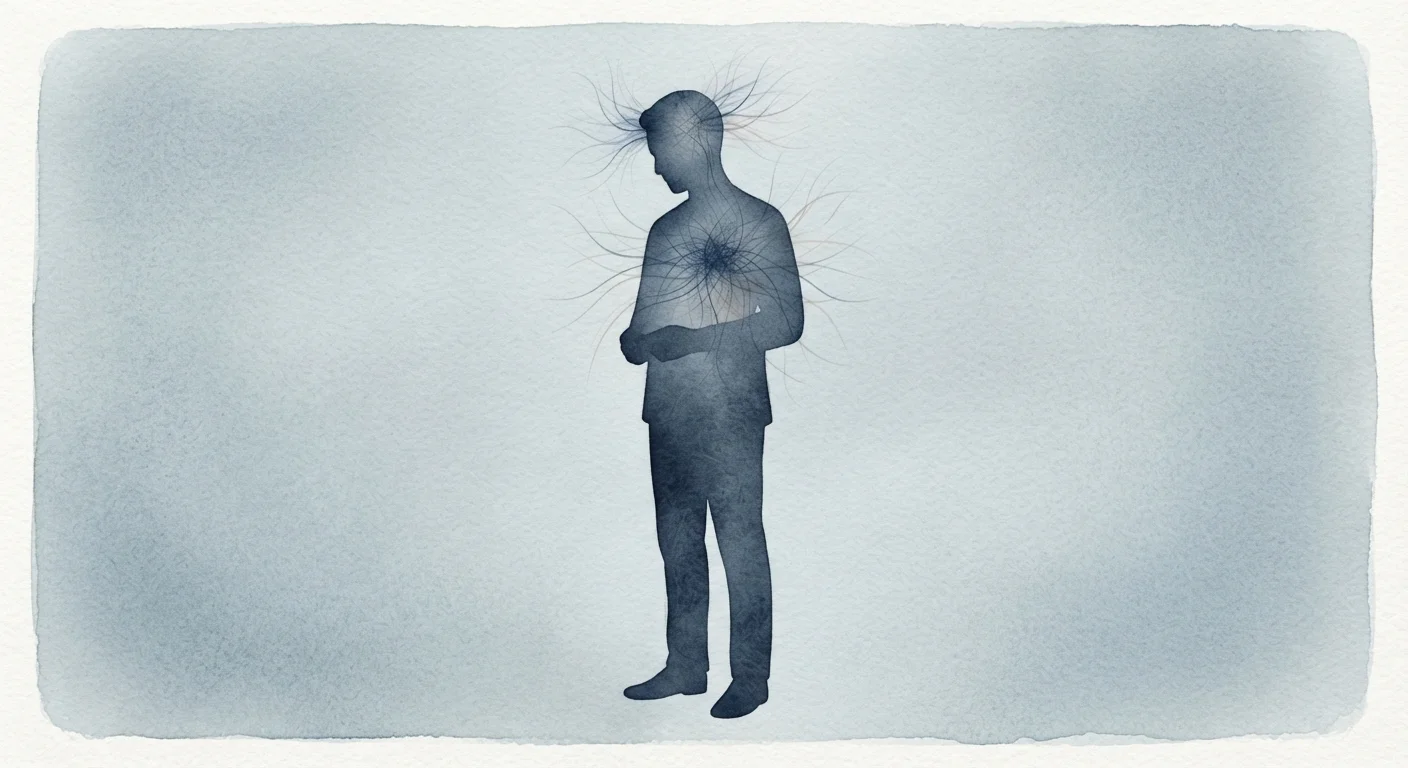
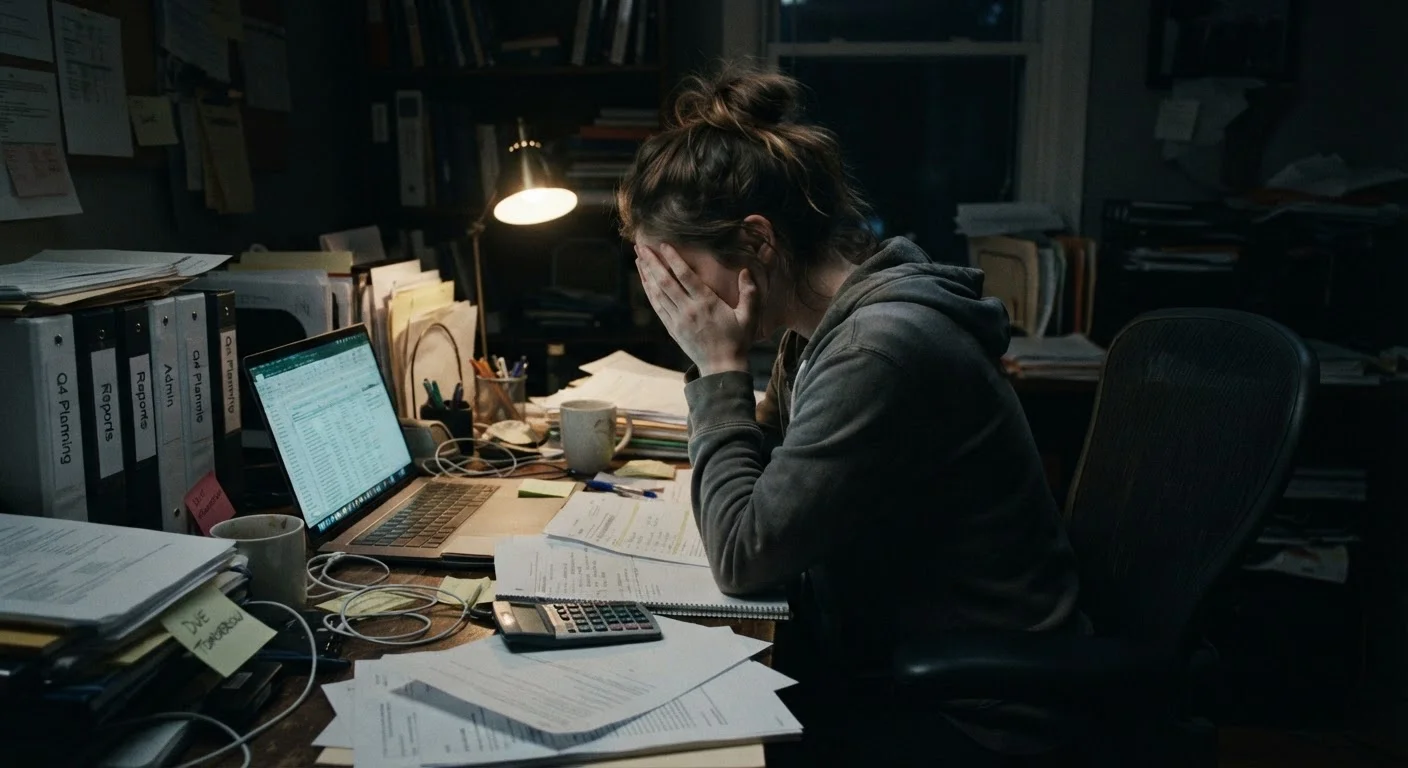
Not all stress is created equal. Short-term, or acute stress, is a natural response to a defined challenge — a deadline, a difficult conversation, an unexpected bill. Once the situation resolves, your nervous system settles. Chronic stress is different: it persists beyond the triggering event, or stacks up so continuously that your body never fully returns to baseline.
This distinction matters because prolonged activation of your body's stress response has measurable effects on physical and mental health over time. To understand more about those downstream effects, see what chronic stress actually does to your body over time. The checklist below is designed to help you notice whether what you're experiencing has shifted from temporary pressure to a more entrenched pattern — not to diagnose anything, but to give you a clearer picture.
Work through the items honestly. Check off anything that has been true for you consistently over weeks or months, not just on a hard day. The pattern matters more than any single item.
Duration and Pattern Are the Key Indicators
A single stressful week does not signal chronic stress. What matters is whether these experiences have persisted consistently over weeks or months, and whether they feel like your new normal rather than a temporary spike. Chronic stress tends to become invisible precisely because we adapt to it — which is why this kind of deliberate self-review is so useful.
Your Chronic Stress Checklist
Use this checklist as a personal audit. The items are organized into four areas: physical signals, sleep and energy, emotional and cognitive patterns, and behavioral changes. Each category offers different windows into how your system is coping — or struggling to cope.
For a broader look at how these symptoms compare with those of acute stress, see how chronic and acute stress symptoms stack up.
Physical Signals
Sleep and Energy
Emotional and Cognitive Patterns
Behavioral Changes
If you checked several items — especially across multiple categories — it may be worth exploring this further. Chronic stress is often invisible until it isn't, which is precisely why a structured self-review like this one can be useful.
Some Symptoms Need Professional Evaluation
Persistent physical symptoms — including chest discomfort, significant changes in appetite or weight, or worsening mood — should be evaluated by a healthcare professional rather than attributed to stress alone. This checklist is a starting point for self-reflection, not a clinical tool. If you are experiencing thoughts of self-harm or feel unable to cope day to day, please reach out to a mental health professional or a crisis support line without delay.
What to Do With Your Results
Ticking several boxes on this list is not a diagnosis — it is information. Think of it as a signal that something in your current load or coping capacity deserves attention. Chronic stress is remarkably common and, importantly, addressable. Understanding when stress stops being useful is often the first step toward doing something constructive about it.
Here are a few grounded next steps:
- Talk to a healthcare provider. If physical symptoms are present — persistent headaches, digestive issues, frequent illness — a clinician can rule out other causes and discuss options with you.
- Reflect on duration and source. How long has this been going on? Is there a clear, ongoing stressor, or has the feeling of pressure become free-floating? Identifying this helps you and any professional you work with understand the pattern.
- Start small with self-care fundamentals. Sleep, movement, and social connection are three of the most evidence-supported buffers against chronic stress — not cures, but genuine supports.
For more on the physical toll of long-term stress and what consistent habits can do to address it, explore the science of chronic stress and lasting relief habits.
This article is for general informational purposes only and is not a substitute for professional medical advice, diagnosis, or treatment. If you are concerned about your health or mental well-being, please consult a qualified healthcare professional.