
What Sets Occupational Stress Apart
Stress is stress, right? Not quite. While all stress involves the same core biological response — a surge of cortisol and adrenaline preparing the body to act — the context of that stress changes how long it lasts, how severe it feels, and how hard it is to shake.
Workplace stress sits in a category of its own for several reasons. First, there's the element of obligation. Most people cannot easily walk away from a job without serious financial consequences. That sense of being trapped in a stressful situation amplifies its psychological weight considerably. Second, workplaces involve social hierarchy — relationships with managers, colleagues, and clients that carry unspoken rules about how you can respond. You may not be able to express frustration the way you might with a friend or family member.
Third, work is simply relentless in a way many other stressors are not. A difficult conversation with a relative ends. A health scare resolves. But a toxic team dynamic or an unmanageable workload can repeat, unchanged, five days a week. This sustained exposure is what can push ordinary job pressure into something more damaging. Our broader overview of common stress triggers across life domains shows how work compares to other major sources of strain.
Stress Responses Vary From Person to Person
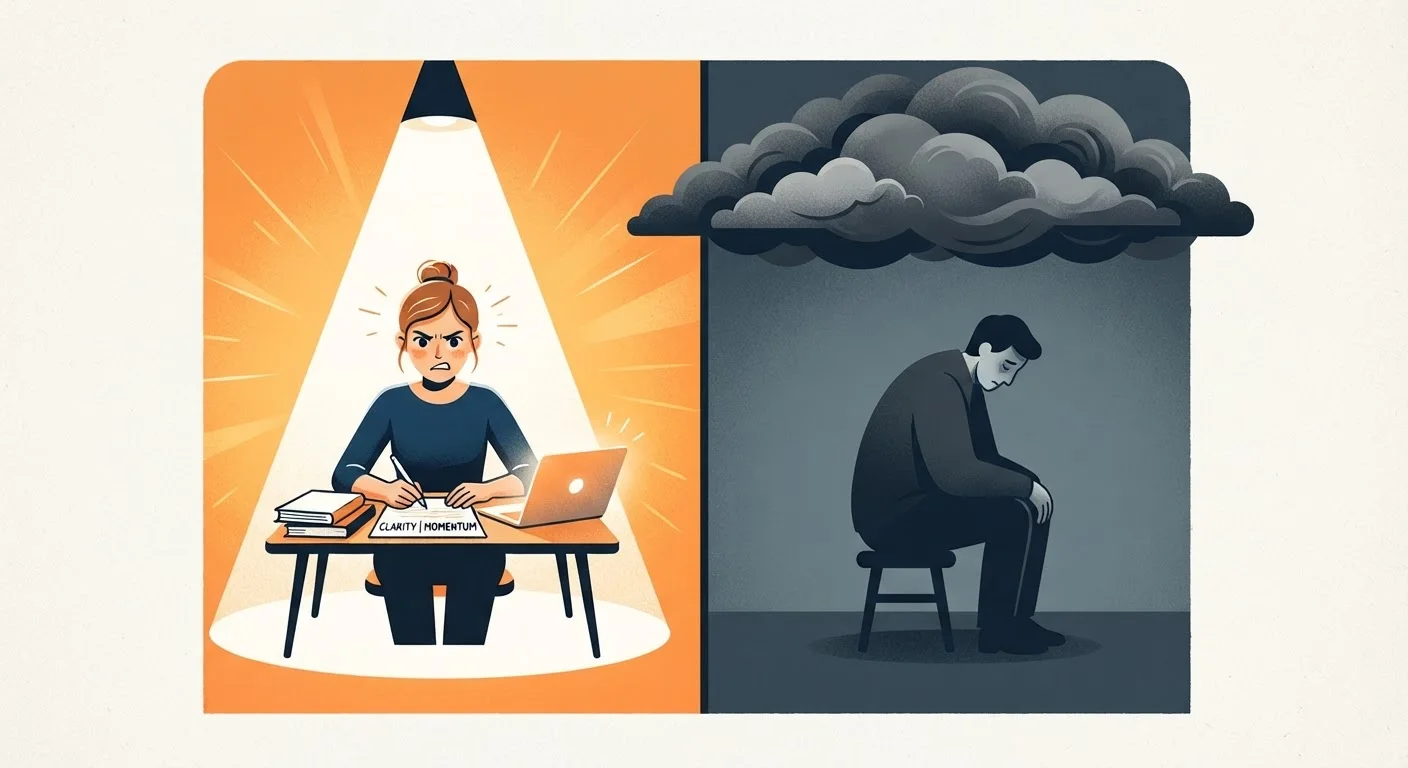
Two people in identical jobs can experience very different levels of stress. Factors like prior experience, personality, social support, and personal history all shape how workplace demands are perceived and processed. If your colleague seems unbothered by something that significantly affects you, that doesn't mean your response is wrong — it means stress is personal. Our article on why stress feels different from person to person explores this in more depth.
The Specific Stressors Most Likely to Affect You
Not all workplace stress comes from the same place. Research in occupational psychology identifies several distinct stressor types, and knowing which one you're dealing with can help you respond more effectively.
- Workload overload: Too many tasks, too little time. This is the most recognised form, but volume alone isn't always the culprit — unclear priorities often make a moderate workload feel unmanageable.
- Role ambiguity: Not knowing exactly what your job requires, or receiving conflicting messages from different supervisors, creates a chronic low-grade tension. The brain dislikes unresolved uncertainty.
- Lack of control: When people feel they have little say over how, when, or where they do their work, stress intensifies. Autonomy is a well-documented psychological need, and its absence is a significant stressor.
- Job insecurity: The threat of layoffs or contract non-renewal triggers the same threat-response system as physical danger — and it can persist for months, keeping the nervous system in a state of low-level activation.
- Interpersonal conflict: Difficult relationships with managers or colleagues add emotional labour on top of core job demands, draining resources that would otherwise help you cope.
You can explore how these patterns connect to broader stress symptoms and what they may look like in daily life.
83%
U.S. workers reporting work-related stress
According to the American Institute of Stress, the vast majority of American workers report experiencing stress related to their jobs.
~1 million
Workers absent due to stress daily
The American Institute of Stress estimates approximately one million employees are absent from work each day due to stress-related issues.
60%
Workplace absences attributed to stress
Research cited by the CDC suggests that a majority of workplace absences have a stress-related component, underscoring the scale of occupational stress as a public health issue.
Why Workplace Stress Can Quietly Escalate
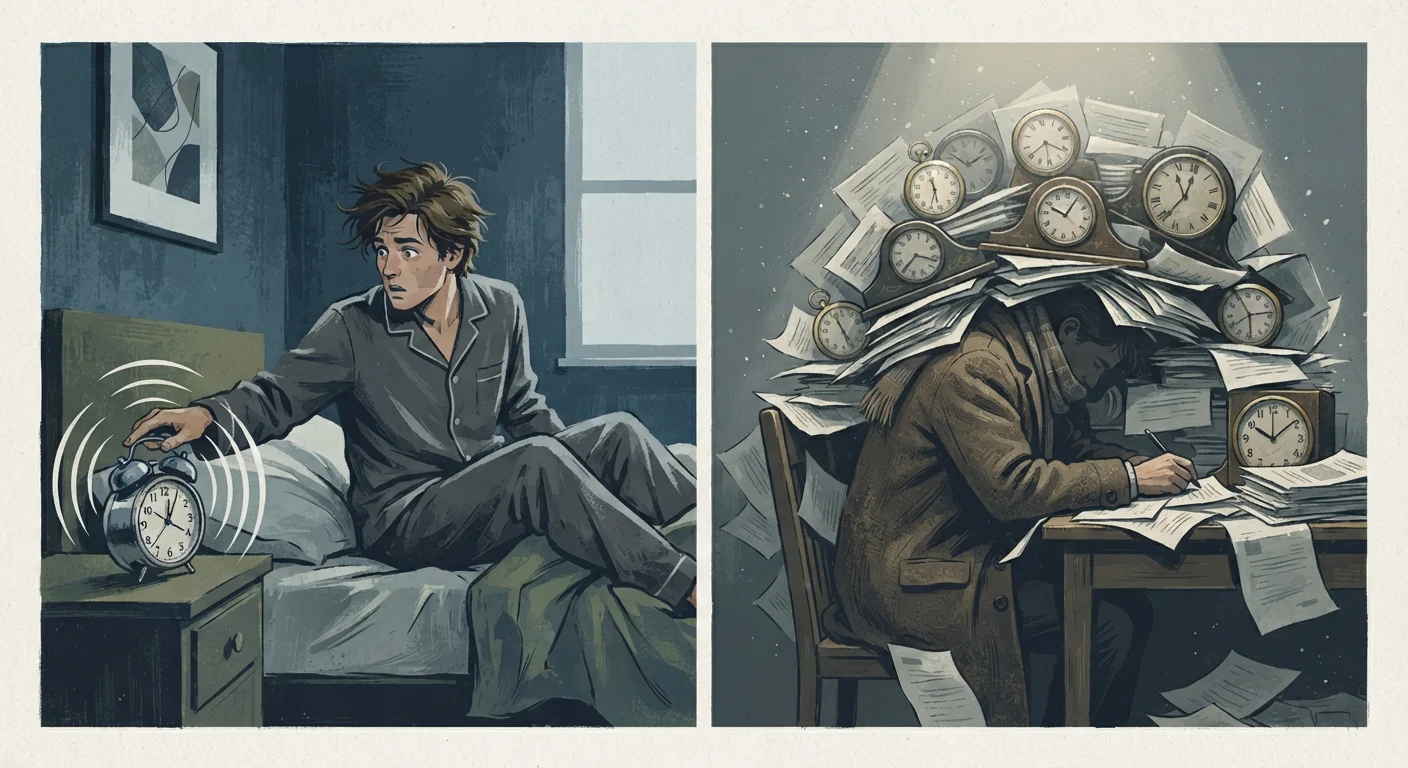
One of the trickiest things about occupational stress is how gradually it intensifies. People often adapt to rising pressure without noticing, normalising what is actually a significant burden. Over time, what began as deadline-driven tension can evolve into a persistent, draining state that colours sleep, relationships, and physical health.
This is the pathway from acute to chronic stress — and work is one of the most common routes into it. Unlike a sudden shock, workplace stress tends to accumulate in small, unremarkable increments. By the time it becomes hard to ignore, it may already be affecting the body in measurable ways. Understanding why chronic and acute stress affect you differently can help you catch this shift early.
It's also worth noting that workplace stress and burnout, while related, are not the same thing. Stress typically involves feeling overwhelmed; burnout involves a deeper sense of depletion and disconnection. Understanding what distinguishes the two is an important step in figuring out what kind of support you may need.
Start by Naming Your Specific Stressor
Rather than thinking 'work is stressful,' try to identify the precise source: Is it your workload volume, unclear expectations, a specific relationship, or fear about job security? Naming the stressor accurately helps you decide what kind of response — a conversation with a manager, a boundary change, or professional support — is most likely to help. General feelings of stress can be hard to act on; specific stressors are more manageable.
This article is for general informational purposes only and does not constitute medical or mental health advice. If workplace stress is significantly affecting your health or wellbeing, please consult a qualified healthcare professional.