
How Stress Triggers Work
When your brain perceives a threat — real or imagined — it sends an alert through the nervous system, triggering a cascade of hormonal changes designed to prepare you to react. This is the body's stress response, and a trigger is simply whatever sets it off.
Triggers don't have to be dramatic. A passive-aggressive email, a pile of unpaid bills on the counter, or the sound of a phone buzzing late at night can all activate the same underlying system as a genuinely dangerous event. The brain is pattern-matching constantly, flagging anything that resembles a past threat or an uncertain future.
Once activated, you may notice physical and emotional stress symptoms — a tightening chest, irritability, difficulty concentrating, or disrupted sleep. These are signs that your stress response has been engaged, not character flaws or weaknesses.
Not All Stress Is the Same
Psychologists distinguish between acute stress (short-term, tied to a specific event) and chronic stress (ongoing, often from persistent triggers). Both activate the stress response, but chronic activation without recovery can have cumulative effects on physical and mental health. Understanding which type you're experiencing can guide the kind of support you seek.
External vs. Internal Triggers
It helps to think of stress triggers in two broad categories:
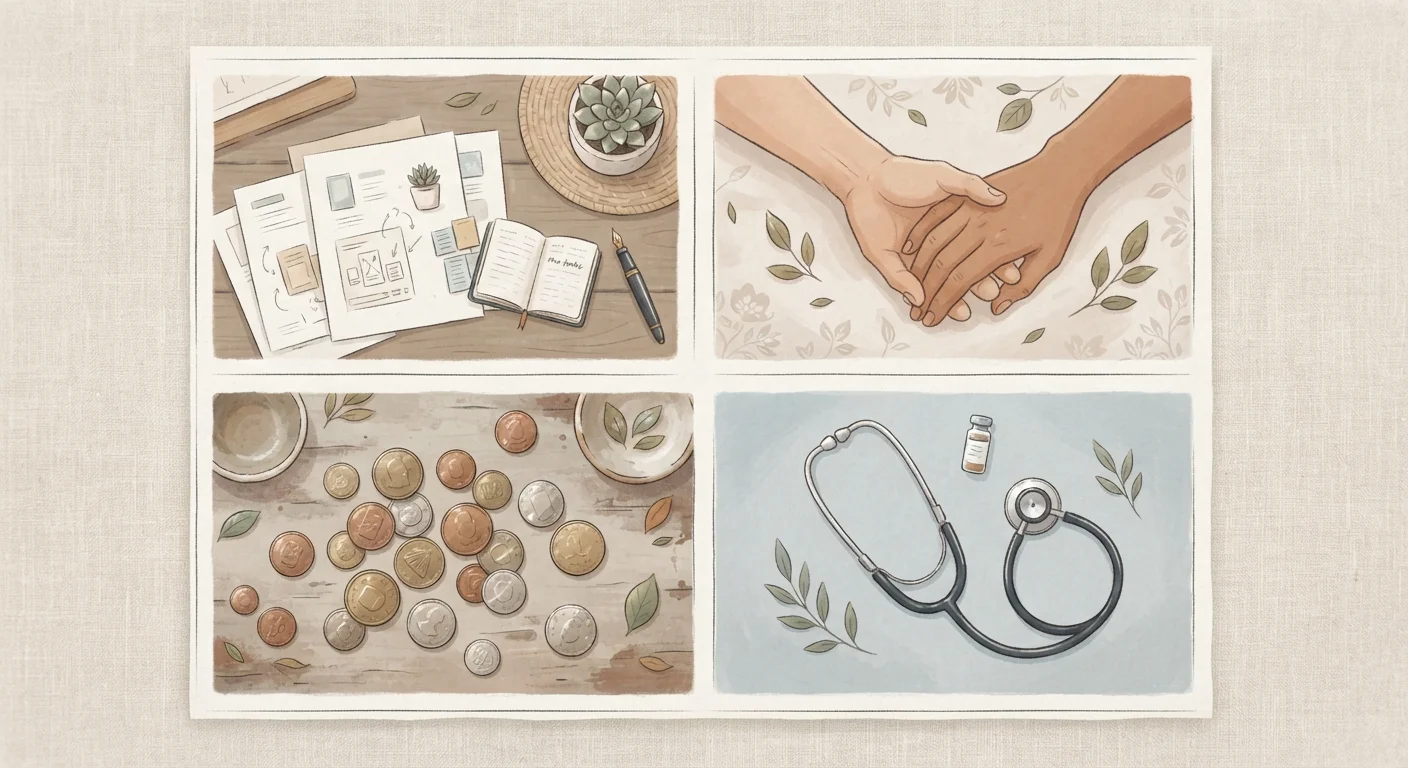
- External triggers come from your environment and circumstances. Common examples include workplace demands, relationship conflicts, financial pressures, and major life changes. Our deeper guide on common stress trigger categories maps these in detail.
- Internal triggers originate within your own mind and body. These include self-critical thoughts, core beliefs like "I'm not good enough," physical sensations such as fatigue, and memories of past difficult experiences.
Internal triggers are frequently overlooked because they feel like part of who you are rather than something separate that can be examined and addressed. Recognizing them as triggers — not permanent truths — is a meaningful shift in perspective.
Start Small: Notice Before You Analyze
You don't need to immediately understand why something triggers you — just begin by noticing that it does. Jot down the moment, the situation, and your physical reaction. Over time, patterns will emerge naturally. A trigger journal is one of the simplest and most effective tools for this.
Why Trigger Identification Matters
You cannot manage what you cannot name. When stress feels like a vague, constant presence, it can seem impossible to address. But once you identify specific triggers, you gain genuine options: you can work to reduce exposure to a stressor, change how you interpret it, or build skills to respond more calmly.
Research in cognitive-behavioral psychology consistently shows that awareness of stressors is a prerequisite for effective coping. This is not about eliminating all tension from life — some stress is normal and even motivating — but about preventing unrecognized triggers from quietly draining your wellbeing over time.
Subtle, recurring stressors in relationships can be particularly easy to miss. Our article on hidden relationship stress triggers examines the interpersonal patterns most likely to wear you down without your realizing it.
77%
Adults reporting physical stress symptoms
According to the American Psychological Association's Stress in America survey, approximately 77% of adults regularly experience physical symptoms caused by stress.
3 in 4
People unable to name their top stressor
Mental health researchers note that many individuals experiencing chronic stress struggle to pinpoint a specific trigger, often describing their stress as general or diffuse rather than tied to identifiable causes.
If you're ready to start mapping your own triggers, mindfulness practices for stress can also help you tune in to when and how your stress response activates in real time.
This article is for general informational and educational purposes only and is not a substitute for professional medical or mental health advice. If stress is significantly affecting your daily life, please consult a qualified healthcare professional.