Why Stress Doesn't Always Look Like Stress
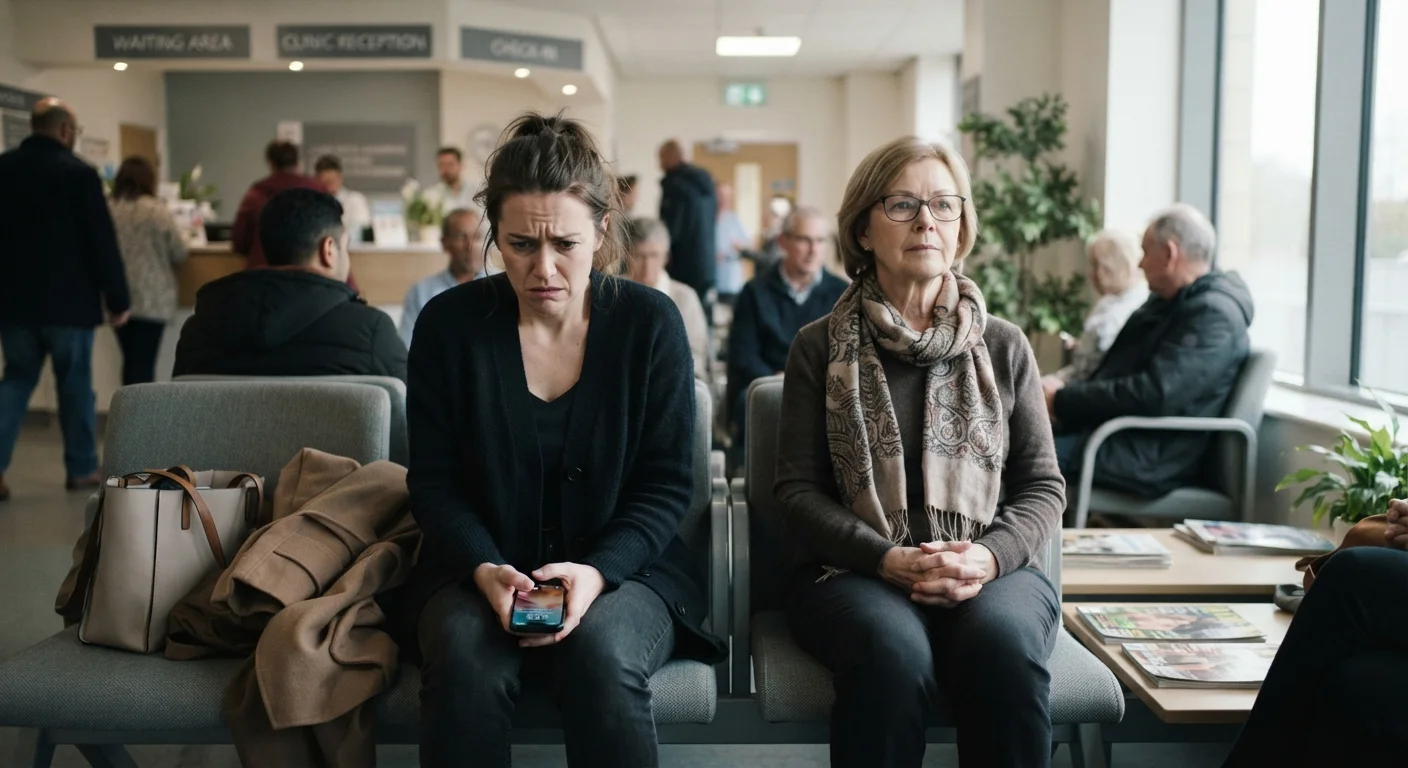
Most people picture stress as obvious anxiety — a racing heart, worried thoughts, trouble sleeping. But stress is a whole-body experience, and the way it expresses itself varies widely from person to person. For some, it arrives as short-temperedness that seems to come from nowhere. For others, it's a creeping emotional blankness, or a quiet retreat from the people they care about.
These responses aren't random. They reflect how your nervous system manages threat and overload. When pressure builds beyond what feels manageable, the body recruits different coping mechanisms — and not all of them look like distress from the outside. Understanding your own pattern matters. See also: why stress can feel so different from person to person.
77%
Adults who report physical or emotional stress symptoms
According to the American Psychological Association's Stress in America surveys, a substantial majority of U.S. adults regularly experience stress-related physical or emotional symptoms.
1 in 3
People who cite irritability as a stress symptom
Irritability and anger are among the most commonly self-reported emotional consequences of stress, according to research published in behavioral health literature.
Anger and Irritability as Stress Signals
Irritability is among the most commonly reported — and most frequently dismissed — stress symptoms. When the body is in a sustained state of stress, the nervous system's threat-detection system stays on high alert. This lowers your frustration tolerance, meaning everyday friction that you'd normally brush off suddenly feels intolerable.
This isn't a personality problem. It's a physiological one. The stress hormone cortisol, when chronically elevated, affects the prefrontal cortex — the brain region responsible for emotional regulation and impulse control. The result is a hair-trigger reactivity that can damage relationships and leave you feeling guilty or confused about your own behavior.
Pause Before You React
When you notice irritability spiking, a brief pause — even 60 seconds of slow breathing before responding — can create enough space to interrupt the reactive cycle. This isn't about suppressing the feeling, but about giving your prefrontal cortex a chance to re-engage. Mindfulness practices for stress can support this kind of intentional pause over time.
If you notice you're snapping at people you love, losing patience in traffic, or feeling a low-level simmer of resentment without a clear cause, it's worth asking whether stress is the underlying driver. Check out the subtle signs of stress that are easy to dismiss for a broader picture of what else might be building beneath the surface.
Numbness and Emotional Detachment Under Pressure
Some people under chronic stress don't feel more — they feel less. Emotions that should register don't. Joy feels muted. Sadness doesn't arrive when it normally would. There's a sense of moving through life on autopilot, disconnected from both the present moment and the people in it.
This emotional flatness is a recognized stress response, sometimes described in behavioral health as a shutdown state. When the system is overwhelmed, it can effectively dampen emotional processing as a form of self-protection. It's the nervous system saying: I can't take in any more right now.
Numbness can be easy to mistake for calm, which is part of why it often goes unaddressed. But it's worth distinguishing between genuine ease and a quiet disconnection that's costing you something. The warning signs your body is sending about chronic stress can help you tell the difference.
Numbness vs. Depression: Know the Difference
Stress-related emotional numbness is typically tied to specific high-pressure periods and eases as stress reduces. If emotional flatness persists beyond a stressful period, is accompanied by hopelessness, or significantly impairs your ability to function, it may indicate depression rather than stress alone. In that case, connecting with a mental health professional is an important next step — not something to put off.
Social Withdrawal as a Coping Response
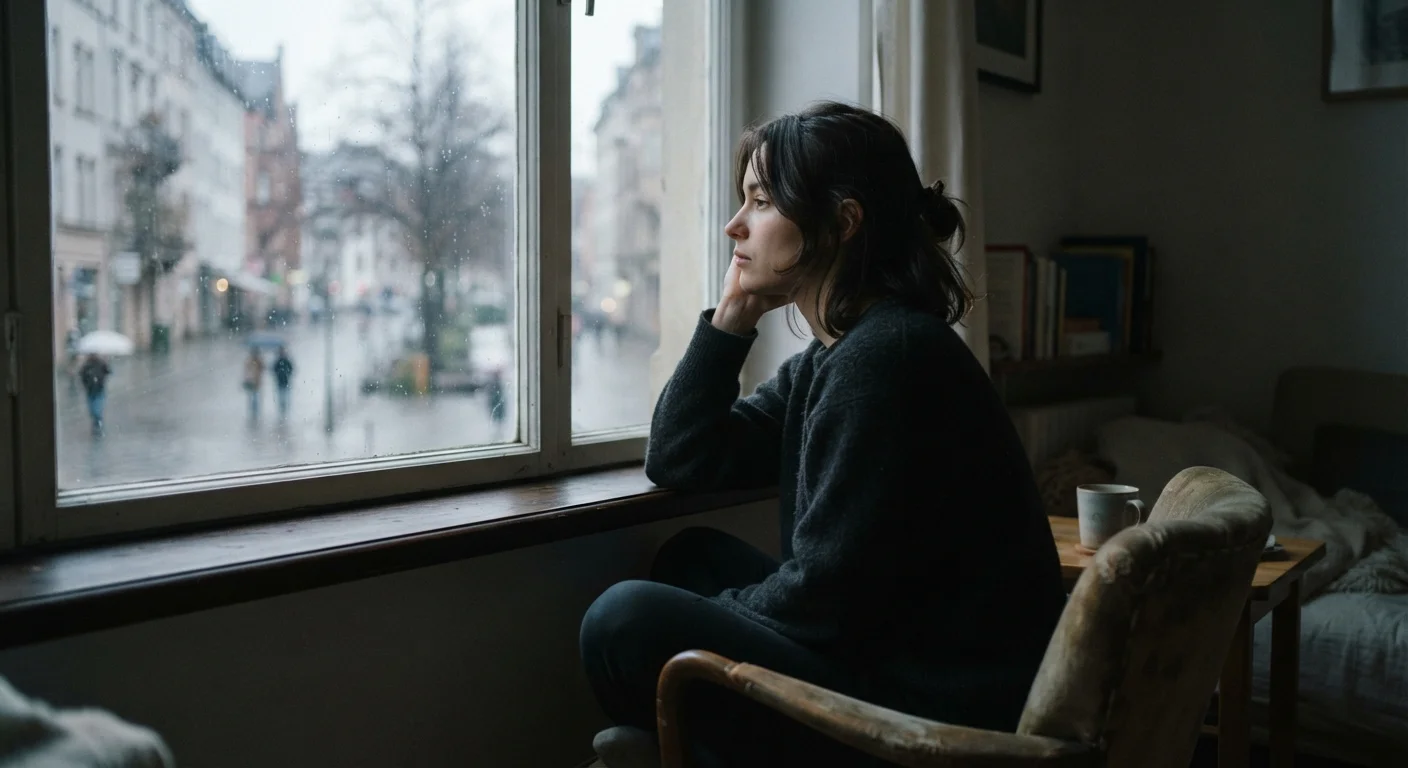
Pulling back from friends, family, and social commitments is another way stress hides in plain sight. It can look like busyness, introversion, or just needing a quiet night in — but when it becomes a pattern of avoidance, it often signals that the nervous system is seeking relief from stimulation it can no longer easily process.
Social connection typically buffers stress. When withdrawal cuts people off from that support, stress tends to intensify over time rather than ease. Recognizing withdrawal as a stress response — rather than a preference or a mood — opens the door to addressing it more directly.
It's also worth noting that stress-driven withdrawal can overlap with symptoms of anxiety or depression. Hidden ways anxiety shows up in daily life explores some of these parallels, and a mental health professional can help distinguish between them if you're unsure.
If you suspect your stress has moved beyond a temporary response into something more persistent, signs your stress has shifted from temporary to chronic offers a helpful framework for understanding the difference.
This article is for general informational purposes only and is not a substitute for professional medical or mental health advice. If you are concerned about your mental health, please speak with a qualified healthcare provider.