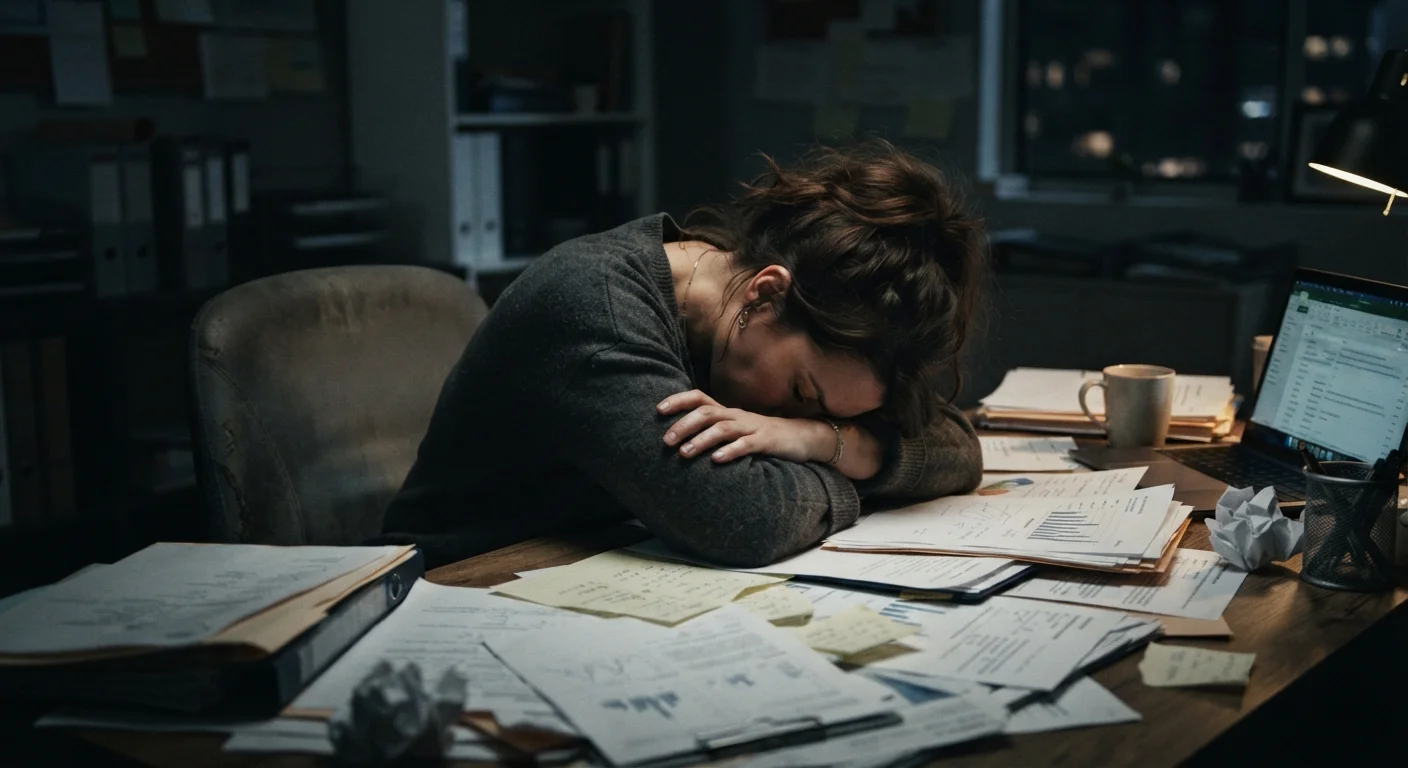

When Stress Becomes Something More
Everyone feels stressed sometimes - a deadline, a difficult conversation, a week that doesn't let up. That kind of short-term pressure is something the body handles reasonably well. But when stress lingers week after week without real relief, it shifts into something different: chronic stress. And at that point, the body starts sending signals that are easy to write off as unrelated problems.
Understanding the difference matters. Chronic stress often builds gradually, which is exactly what makes it so easy to overlook. The signs rarely announce themselves clearly. Instead, they show up as recurring headaches, a gut that won't settle, or a tiredness that sleep doesn't fix.
This article is general health information, not a diagnosis. If you're concerned about symptoms you're experiencing, please speak with a qualified healthcare professional.
| Stress response type | Fight-or-flight (sympathetic nervous system activation) (APA, general physiology) |
| Key difference from acute stress | Persists weeks or months without adequate recovery |
| Common physical symptoms | Fatigue, headaches, digestive issues, frequent illness |
| Common emotional symptoms | Irritability, difficulty concentrating, emotional numbness |
| Systems affected over time | Immune, cardiovascular, digestive, and nervous system (American Psychological Association) |
| When to seek support | If symptoms persist beyond a few weeks or affect daily life |
Physical Signals Worth Paying Attention To
The body's stress response - sometimes called the fight-or-flight response - is designed for short bursts. When it stays activated over time, systems that aren't essential for immediate survival start to feel the strain. Here are some of the most common physical warning signs:
- Persistent fatigue: Feeling exhausted even after a full night's sleep is one of the hallmark signs that stress has moved beyond the temporary. This isn't ordinary tiredness - it's a heaviness that doesn't lift.
- Frequent headaches or muscle tension: Tightness in the neck, shoulders, or jaw, and recurring tension headaches, are common physical expressions of a stress load the body is carrying constantly.
- Digestive complaints: Stress and gut health are closely connected. Ongoing nausea, bloating, changes in appetite, or an unsettled stomach that has no clear medical cause can all point toward chronic stress.
- Getting sick more often: Prolonged stress can dampen immune function, making it easier to catch colds or take longer to recover. Research shows measurable effects on the cardiovascular and immune systems when stress is sustained over time.
- Sleep problems: Difficulty falling asleep, waking in the middle of the night, or waking early with your mind already racing are all signs the nervous system hasn't found its way back to calm.
Chronic stress
A prolonged state of physiological and psychological tension that persists over weeks or months without adequate relief. Unlike short-term stress, it does not resolve once a trigger passes.
Fight-or-flight response
The body's automatic survival mechanism that releases stress hormones like cortisol and adrenaline to prepare for a perceived threat. It is helpful in short bursts but can cause harm when sustained.
Burnout
A state of physical, emotional, and mental exhaustion typically caused by prolonged, unmanaged stress - most often associated with work or caregiving demands.
Cortisol
A hormone released by the adrenal glands in response to stress. Elevated cortisol over long periods is associated with disrupted sleep, immune changes, and other health effects.
Nervous system dysregulation
A state in which the body's automatic stress-response system struggles to return to a calm baseline, often resulting in persistent tension, irritability, or fatigue.
Emotional and Behavioural Signs
Chronic stress doesn't only show up in the body - it shapes how you think, feel, and respond to others. Some of these signals are easy to dismiss as personality quirks or bad days, but patterns are worth noticing.
- Irritability or short fuse: Snapping at people over small things, or feeling disproportionately frustrated, can reflect an overloaded nervous system rather than a character flaw. Stress doesn't always look like anxiety - sometimes it looks like anger or withdrawal.
- Difficulty concentrating: Chronic stress interferes with working memory and focus. If you're re-reading the same sentence or losing track of conversations, stress may be a factor.
- Emotional numbness or detachment: Feeling flat, disconnected from people you care about, or just going through the motions can signal that the system is overwhelmed rather than resilient.
- Loss of enjoyment: When activities you normally find meaningful feel like obligations, it's worth checking whether stress has become the background noise of your life.
If several of these resonate over a sustained period, it may be worth exploring whether you're approaching burnout. Many burnout symptoms look like ordinary stress - which is why awareness matters early.
77%
Adults reporting physical stress symptoms
According to the American Psychological Association's Stress in America surveys, a significant majority of US adults report experiencing physical symptoms they associate with stress.
3 in 4
People who say stress affects their health
The APA has consistently found that most US adults link their stress levels to negative physical and mental health effects.
~60%
Doctor visits linked to stress-related complaints
Estimates from health researchers suggest a majority of primary care visits involve stress-related components, though figures vary by study.
What to Do With This Awareness
Recognising these signals is genuinely meaningful - it's the first step toward addressing something that's affecting your health. You don't need to have all the answers right now. Simply naming what you're experiencing, rather than pushing through it, is a shift worth making.
Some people find it helpful to track patterns: noting when symptoms appear, how long they last, and what's happening in life at the time. Over time, patterns reveal a clearer picture - one you can bring to a doctor, therapist, or counselor.
Certain patterns signal that stress has crossed into something harder to shake. That doesn't mean things can't change - it means this is the moment to take them seriously and seek appropriate support.
This article is for informational and educational purposes only and is not a substitute for professional medical advice, diagnosis, or treatment. Always consult a qualified healthcare provider with questions about your health.