
What Each Approach Actually Does
Stress relief isn't one-size-fits-all — and two of the most researched approaches, mindfulness and relaxation techniques, work in fundamentally different ways. Understanding those differences helps you choose what to practice and when.
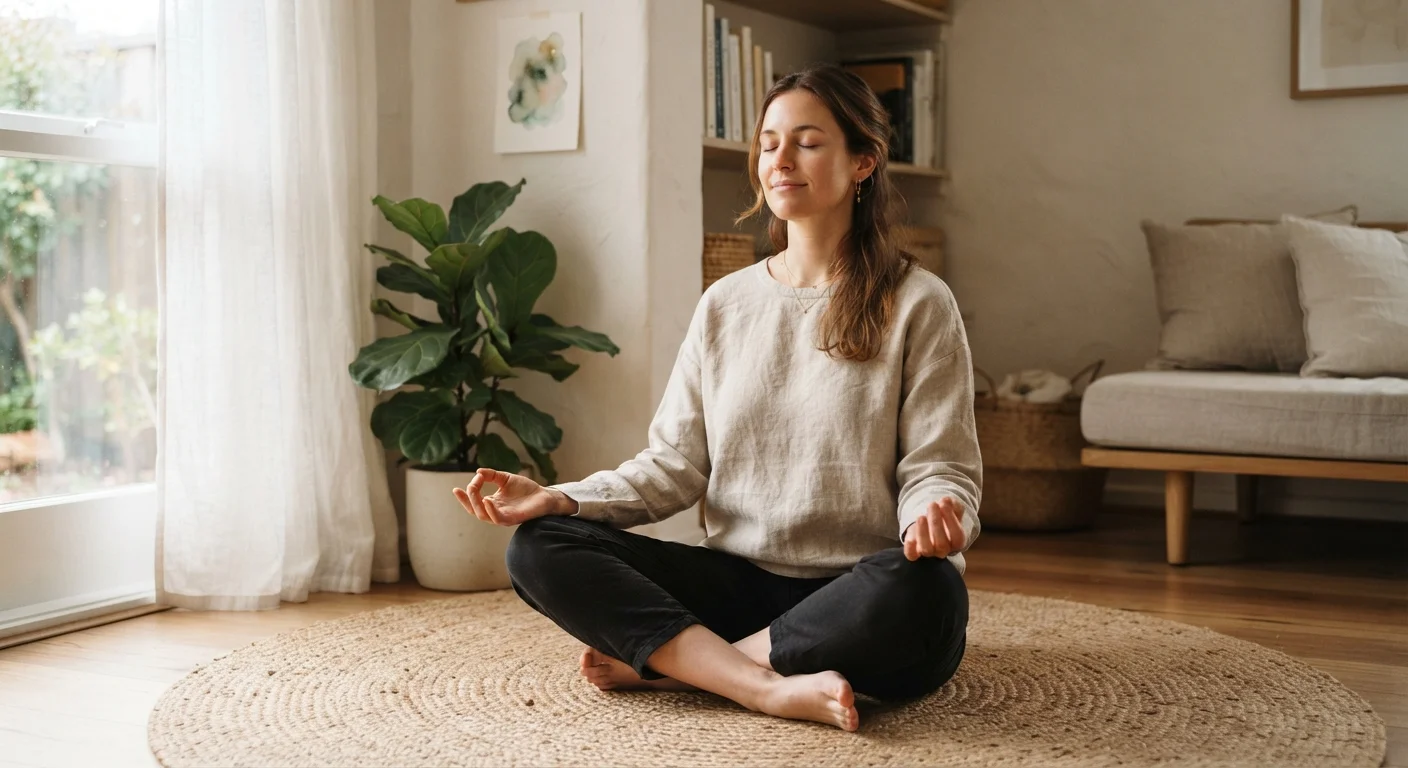
Mindfulness is the practice of intentionally paying attention to the present moment — thoughts, sensations, and emotions — without judging what you notice. Rather than trying to eliminate stress, mindfulness trains you to relate to it differently. Over time, this shift in awareness can reduce how intensely stress affects you. To understand how this interacts with the body's stress-response system, see the science behind mindfulness and the stress response.
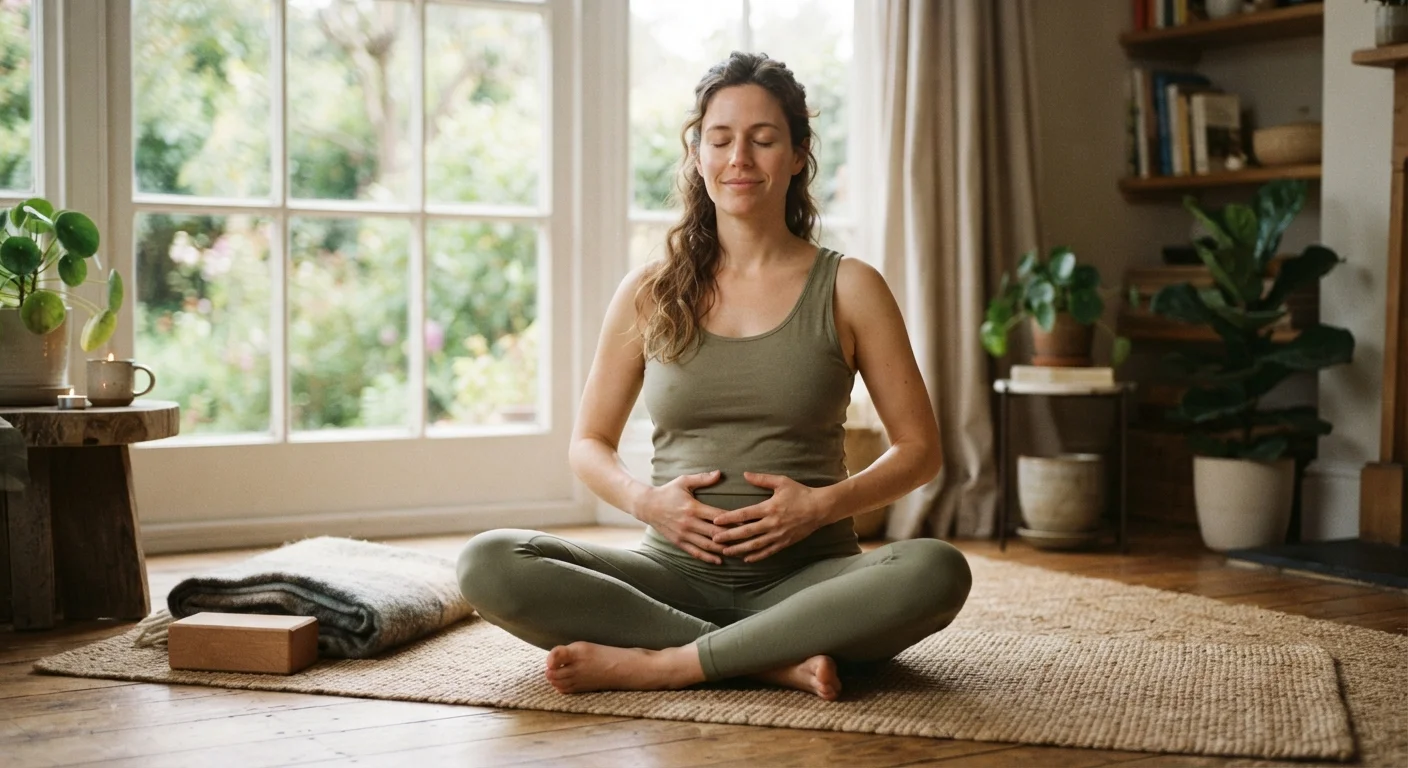
Relaxation techniques — such as deep breathing, progressive muscle relaxation (PMR), guided imagery, and body scans — are practices designed to directly counteract the body's physiological stress response. They work by activating the parasympathetic nervous system (often called the "rest and digest" system), slowing heart rate, lowering blood pressure, and releasing muscle tension. For a broader overview, the Relaxation Techniques hub covers the full range of options.
| Criterion | Mindfulness | Relaxation Techniques |
|---|---|---|
| Primary mechanism | Shifts awareness and perception of stress | Calms the body's physiological stress response |
| Speed of effect | Builds gradually over weeks | Often felt within minutes |
| Learning curve | Moderate — benefits from consistent practice | Low — most techniques easy to learn quickly |
| Session length | Typically 10–45 minutes | Can be as short as 2–5 minutes |
| Best use case | Long-term resilience and thought patterns | Immediate relief from acute stress symptoms |
| Evidence base | Strong, especially for MBSR programs | Strong, especially for breathing and PMR |
| Can be used together? | Yes — many programs combine both | Yes — relaxation often precedes mindfulness |
How the Evidence Compares
Both approaches have meaningful research behind them, though they've been studied differently.
Mindfulness-Based Stress Reduction (MBSR), an eight-week structured program developed in clinical settings, has been examined across numerous studies. Research has associated regular mindfulness practice with reductions in perceived stress, anxiety, and depression symptoms, as well as changes in brain regions involved in emotional regulation. These benefits tend to emerge gradually — most studies report meaningful gains after several weeks of consistent practice.
Relaxation techniques have a longer documented history in behavioral medicine. Diaphragmatic breathing, for instance, has been studied for its direct effects on the autonomic nervous system. Diaphragmatic breathing works by stimulating the vagus nerve, which helps shift the body out of a stress-activated state. PMR, developed by Edmund Jacobson in the early 20th century, has evidence supporting its use for tension headaches, sleep difficulties, and generalized anxiety.
8 weeks
Typical MBSR program duration showing measurable stress reduction
Mindfulness-Based Stress Reduction programs have been studied extensively, with most clinical research measuring outcomes after an eight-week course.
~5 min
Time for diaphragmatic breathing to shift autonomic nervous system state
Research on slow, controlled breathing suggests physiological effects on heart rate and the nervous system can occur within a few minutes of practice.
2–3x weekly
Minimum practice frequency linked to measurable mindfulness benefits
Multiple studies suggest that practicing mindfulness at least a few times per week is associated with greater reductions in stress and anxiety than irregular use.
It's worth noting that many mindfulness programs incorporate relaxation techniques as a starting point — the two aren't mutually exclusive. If you're curious how formal and informal mindfulness differ, this guide to formal vs. informal mindfulness practice breaks it down clearly.
Practical Differences: Time, Effort, and Fit
One of the most practical distinctions is how much time and training each approach requires.
Relaxation techniques can often be learned in a single session and practiced in under five minutes. This makes them especially useful during acute stress — a work deadline, a difficult conversation, or a moment of overwhelm. If you want to explore options beyond deep breathing, a closer look at calming practices covers grounding exercises, guided imagery, and more. It's also worth understanding that active vs. passive relaxation techniques differ in how they engage the body — something worth knowing when choosing your approach.
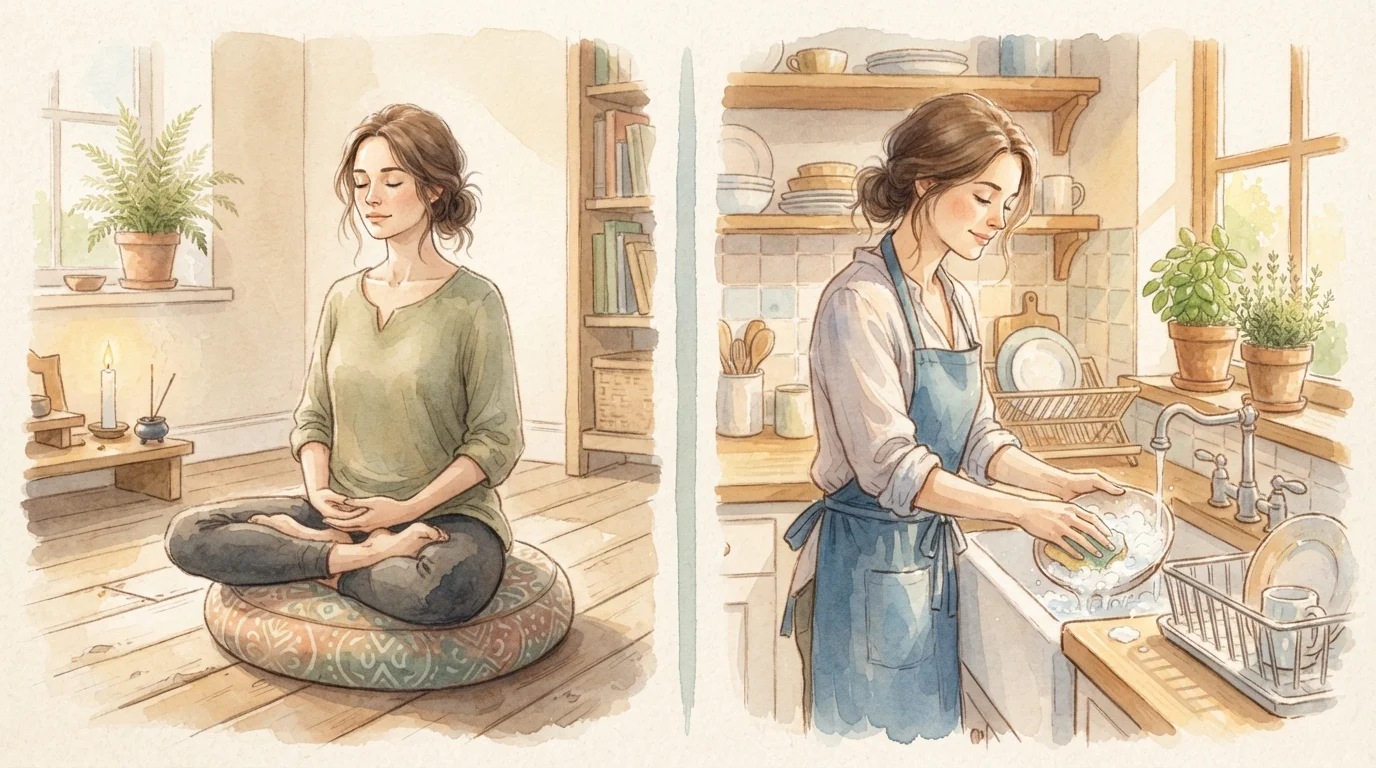
Mindfulness, by contrast, benefits from consistent daily practice — even just 10 to 15 minutes. The skill deepens over time, which is why beginners sometimes feel it isn't working, especially when stress is highest. Why mindfulness feels harder when you're most stressed explains what's happening in those moments and how to work through it.
If you're short on time, five-minute mindfulness practices offer a practical entry point. And if you want to compare two specific mindfulness methods, breathing exercises vs. body scan meditation offers a useful side-by-side look.
Common Misconceptions Worth Knowing
Many people assume relaxation techniques only help anxious individuals, or that mindfulness requires complete silence and hours of practice. Neither is true. Relaxation works across a wide range of stress responses, and mindfulness can be practiced informally throughout the day. For a closer look at what often trips people up, relaxation myths that may be holding you back is a helpful companion read.
This article is for general informational purposes only and does not constitute medical or mental health advice. If you're experiencing significant or persistent stress, please speak with a qualified healthcare or mental health professional.