How Each Technique Works
Both breathing exercises and body scan meditation fall under the broader umbrella of mindfulness-based stress reduction (MBSR), a framework developed at the University of Massachusetts Medical School. Despite sharing that heritage, they engage the mind and body through quite different mechanisms.
Breathing exercises work by deliberately altering your breathing rate and pattern. Techniques like diaphragmatic breathing, box breathing (inhaling, holding, exhaling, and pausing for equal counts), or the 4-7-8 pattern directly influence the autonomic nervous system. Slowing the exhale in particular stimulates the vagus nerve, which in turn activates the parasympathetic — or "rest and digest" — response. The physiological shift is relatively fast, often noticeable within a few minutes. Our breathing techniques hub offers guided examples for different situations.
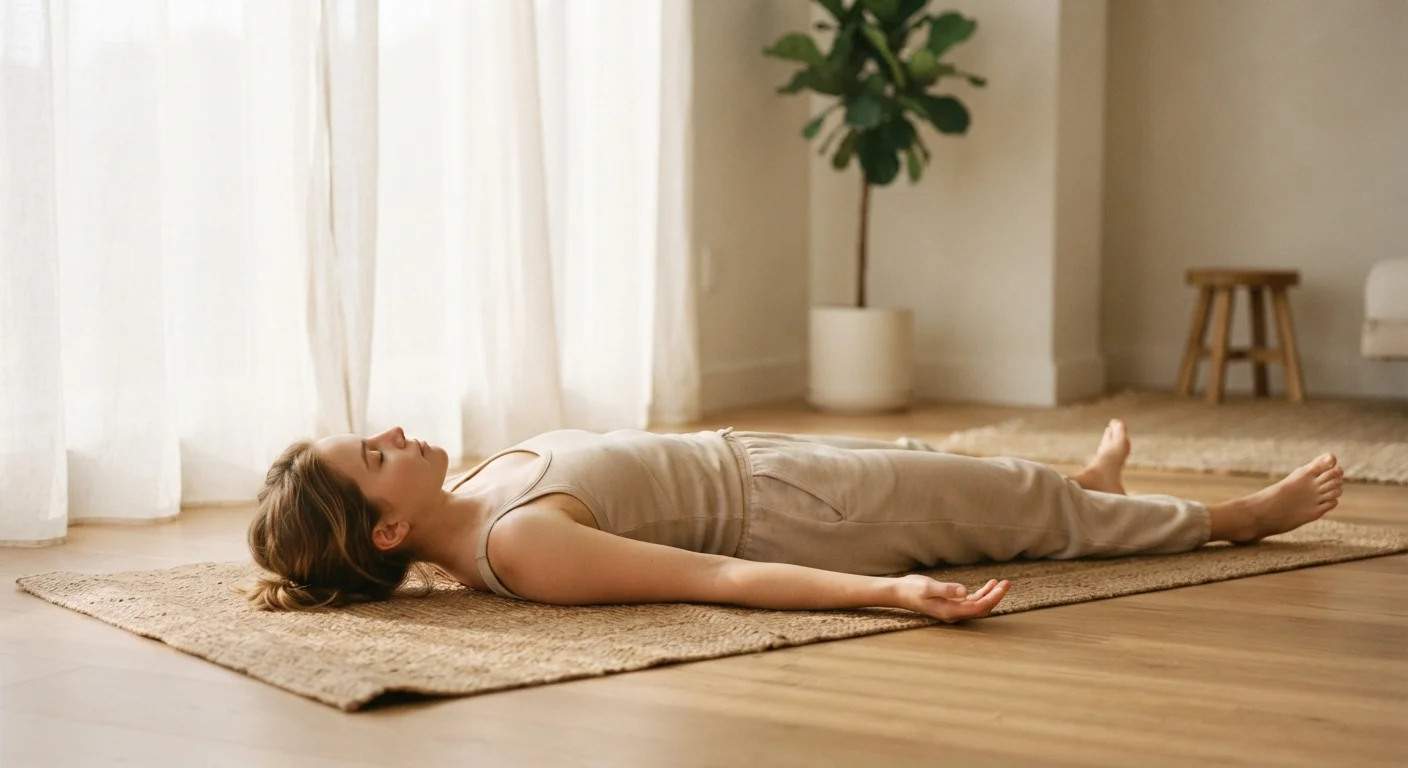
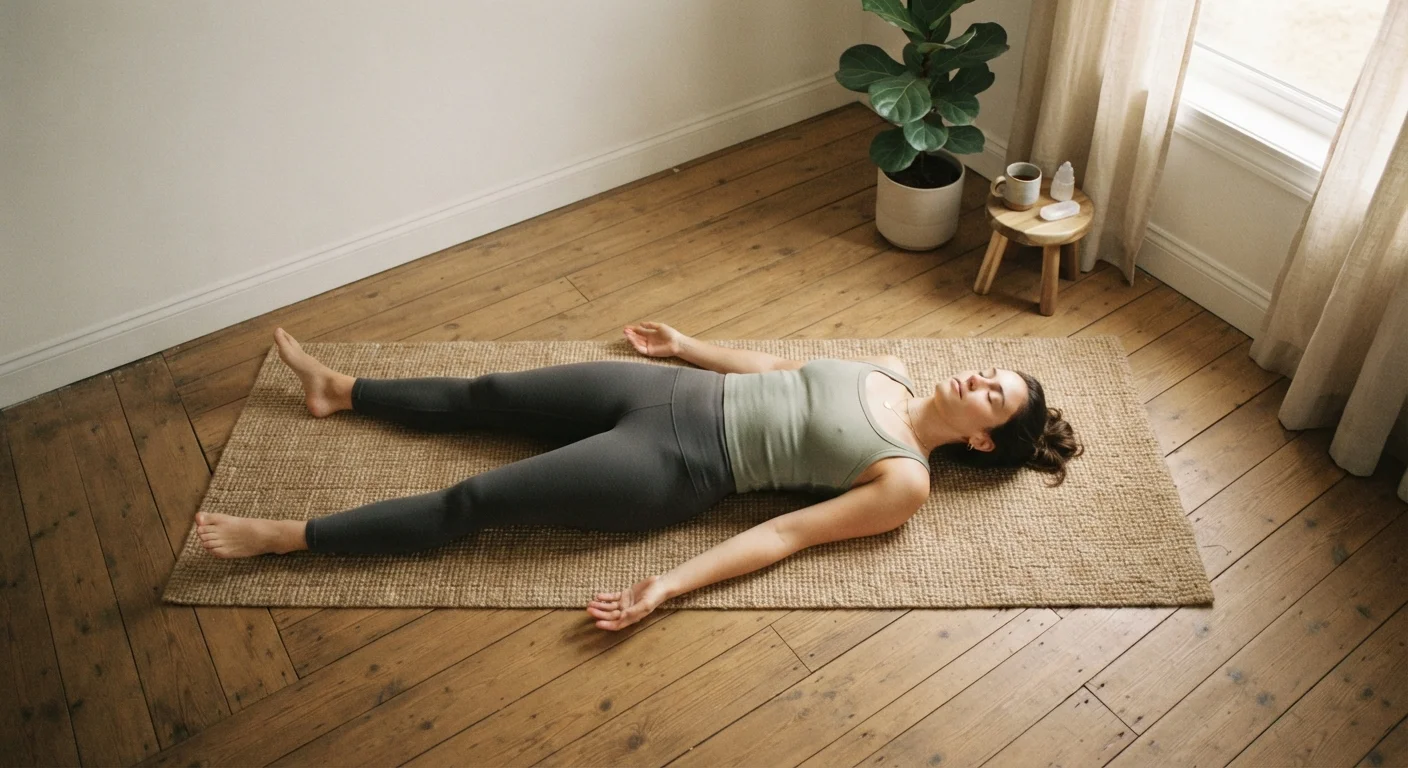
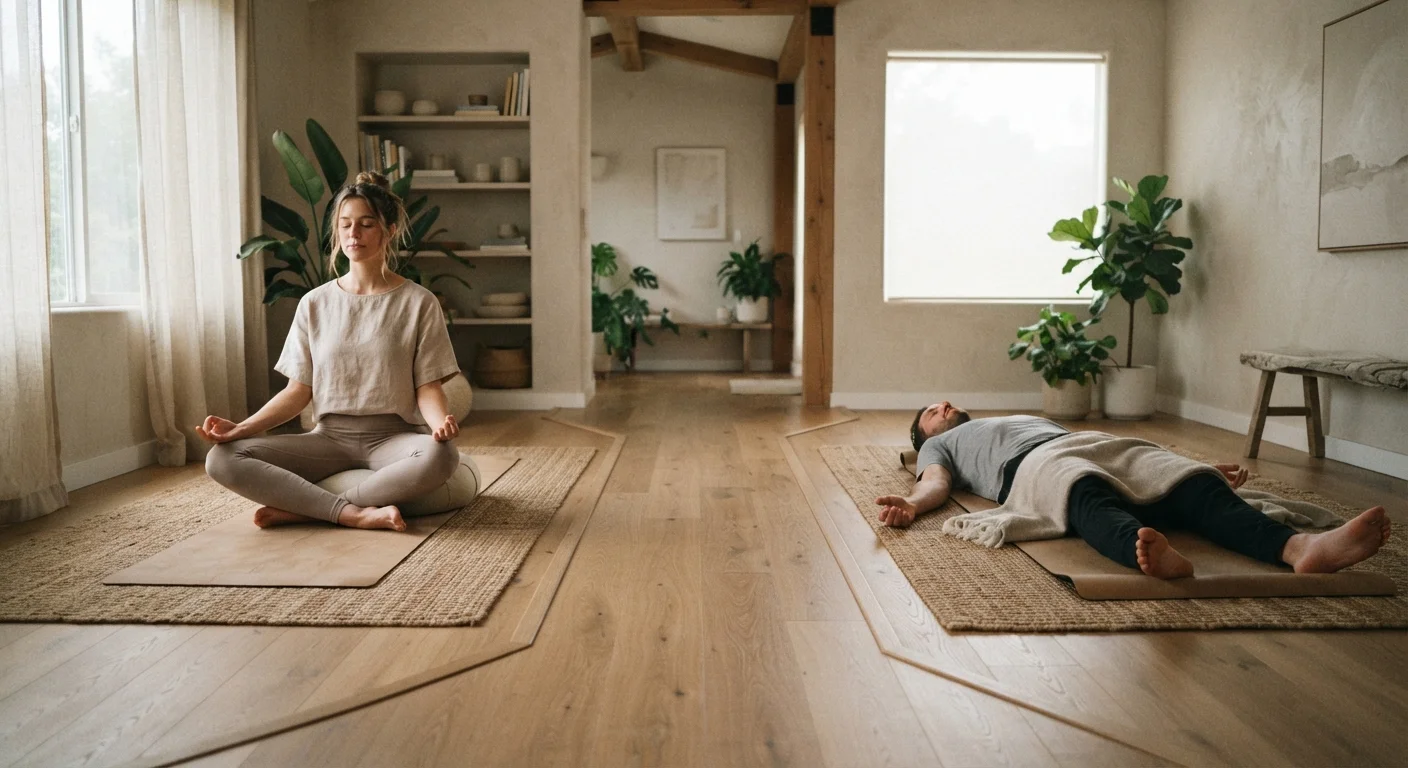
Body scan meditation works differently. You lie or sit comfortably and slowly move your attention through sections of the body — usually starting at the feet and moving upward — noticing sensations without trying to change them. The practice builds interoceptive awareness, which is your ability to perceive internal physical states like tension, warmth, or discomfort. Research in clinical psychology suggests this kind of awareness supports emotional regulation by helping you recognize stress signals before they escalate. For a thorough look at the science, this article on how body scan meditation works covers the underlying principles in detail.
| Criterion | Breathing Exercises | Body Scan Meditation |
|---|---|---|
| Typical session length | 2–10 minutes | 5–45 minutes |
| Primary mechanism | Regulates autonomic nervous system via breath | Builds interoceptive body awareness |
| Speed of effect | Fast — often within minutes | Gradual — deepens with practice |
| Best setting | Anywhere, anytime | Quiet space, lying or seated |
| Physical position required | Any — sitting, standing, walking | Comfortable lying down or seated |
| Beginner ease | Very accessible with a counting structure | Accessible but rewards patience |
| Particularly helpful for | Acute stress spikes, anxiety in the moment | Chronic tension, sleep difficulties |
What Each Practice Actually Feels Like
Understanding the experience helps you set realistic expectations before you begin.
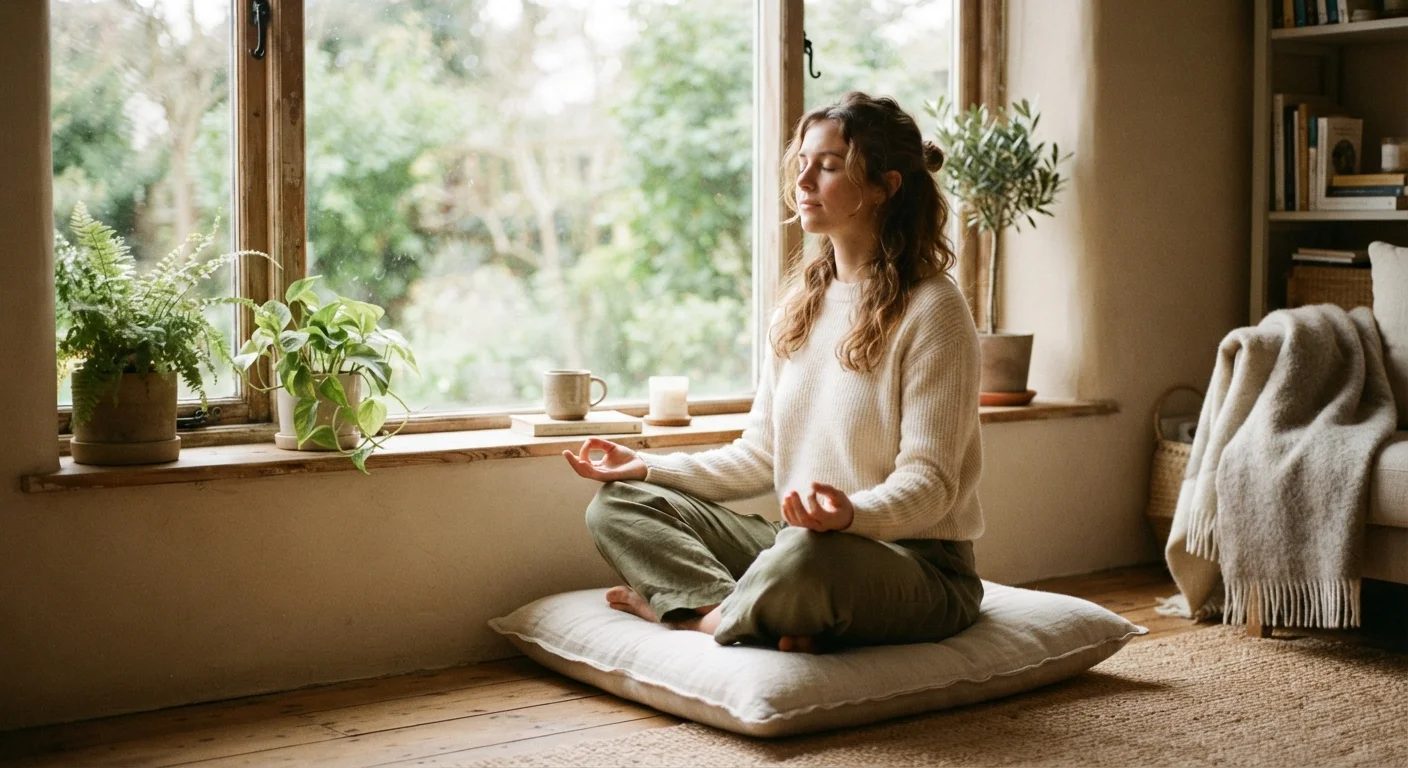
A breathing session is typically brief and structured. You might follow a count, an audio cue, or simply focus on lengthening your exhale. Many people notice a mild sense of calm within two to five minutes. The practice is active in the sense that you are consciously guiding each breath, which some people find easier than open-ended meditation. It is also discreet — you can practice in a meeting room, on public transit, or at your desk without anyone noticing.
A body scan tends to feel slower and more passive. There is no breathing pattern to follow; instead, you are simply observing. Beginners sometimes find it frustrating if they expect dramatic relaxation immediately — sensations can be subtle or even unfamiliar at first. The practice rewards patience. A session can range from five minutes to forty-five, depending on how deeply you move through each region. For guidance on choosing the right length, see this comparison of short-form and full-length body scans.
It is worth noting that neither practice suits everyone equally. Some people find breath-focused exercises mildly uncomfortable if they have anxiety related to breathing itself. Others may find lying still during a body scan makes their mind wander persistently. Both reactions are normal and tend to ease with repetition.
A Note on Comfort and Safety
If you have a history of trauma, certain breathing exercises or extended body scans may occasionally bring up unexpected emotional responses. This is not unusual, but it is worth knowing in advance. Starting with shorter sessions and working with a trained mindfulness instructor or therapist can provide helpful support. If any practice feels distressing, it is completely okay to stop and try a different approach.
Choosing Based on Your Stress Pattern
The most useful question is not which technique is objectively better — both have research support — but which fits your stress experience and your life.
If your stress tends to arrive in sharp, recognizable spikes — a tense phone call, a deadline, a difficult conversation — breathing exercises are a natural fit. They are designed for in-the-moment intervention and require very little preparation. You can also pair them with other approaches. This overview of relaxation options beyond deep breathing is a helpful resource if you want to explore further.
If your stress is more diffuse — a general sense of physical heaviness, trouble sleeping, or a body that feels perpetually tense — body scan meditation may address the underlying pattern more directly. It can complement other body-based approaches too; this comparison of body scan and progressive muscle relaxation can help you decide whether to add another layer.
8 weeks
Typical MBSR program duration studied in research
Most randomized controlled trials examining mindfulness-based stress reduction — which incorporates both breath and body scan practices — use an eight-week structured program as their measurement period.
~65%
Adults reporting physical symptoms of stress
According to the American Psychological Association's Stress in America surveys, a majority of adults regularly experience physical symptoms they attribute to stress, highlighting the relevance of body-based interventions.
Many practitioners find value in keeping both tools available. You might use a breathing technique during the day and a body scan in the evening. Mindfulness practice, at its core, is about developing a broader relationship with your own experience — and having more than one entry point generally strengthens that relationship over time. For a wider look at movement-based options alongside these practices, this article on cardio vs. mindful movement offers useful context. The body scan practice hub is a good place to start if you'd like guided exercises.
This article is for general informational and educational purposes only and does not constitute medical or psychological advice. If you are experiencing significant stress, anxiety, or related health concerns, please consult a qualified healthcare professional.