
Why Thirst Is an Unreliable Cognitive Warning System
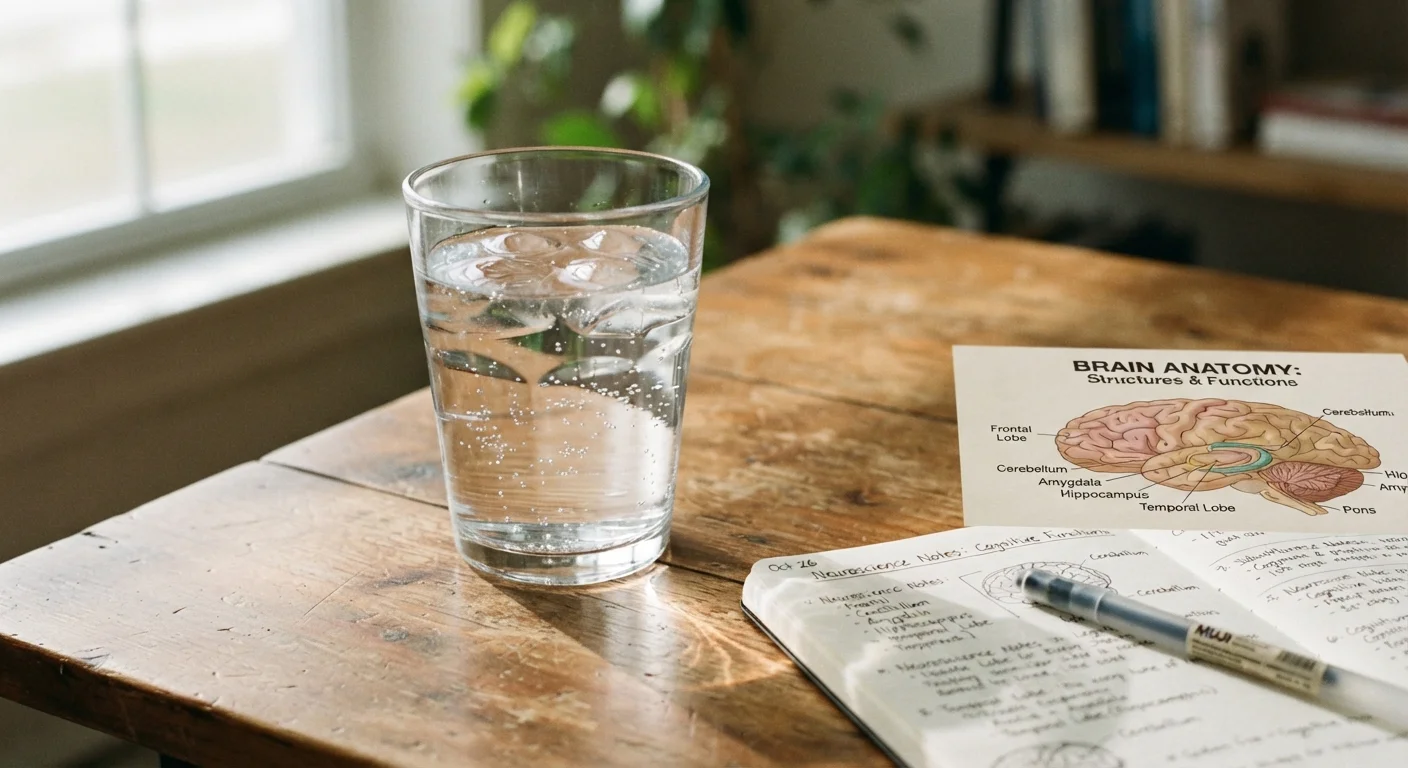
Most people treat thirst the way they treat a fuel-gauge warning light - a reliable prompt that arrives just in time. But the physiological reality is more complicated. Thirst is generated when the brain detects a rise in blood osmolality (the concentration of dissolved substances in the blood), a process that takes time. By the point that signal reaches conscious awareness, the body may already have lost enough fluid to affect how well you think.
Research published in peer-reviewed journals on human hydration has consistently found that measurable declines in attention, working memory, and psychomotor speed can appear at fluid losses of roughly 1-2% of body weight - a level most people would not subjectively describe as thirst. For a 160-pound adult, that threshold is only about 1.5 to 2.5 cups of water. This is not severe dehydration; it is the kind of mild, cumulative deficit that builds quietly across a normal workday.
Understanding this gap is foundational to protecting cognitive performance. For a fuller look at the underlying science, see how water regulates brain function.
Myth
If I'm not thirsty, I'm well hydrated and my brain is functioning at full capacity.
Fact
Cognitive performance can decline before thirst appears; the absence of thirst does not confirm adequate hydration.
Thirst is generated by osmoreceptors in the hypothalamus responding to rising blood solute concentration. This process has a detection lag - measurable cognitive impairment, including slower reaction times and reduced working memory capacity, has been observed in study participants at fluid deficits that did not reliably produce reported thirst. Absence of thirst is not a green light for cognition.
Myth
Mild dehydration only affects physical performance, not thinking or mood.
Fact
Even moderate fluid deficits measurably affect attention, mood, and short-term memory - not just muscles and endurance.
The brain is approximately 75% water by weight, and neuronal signaling, nutrient transport, and waste clearance all depend on adequate fluid. Multiple controlled trials have found that fluid losses in the 1-2% body weight range impair sustained attention, increase perceived task difficulty, and elevate self-reported fatigue and irritability - effects distinct from any physical performance changes. For a deeper explanation of what is happening at the cellular level, see what mild dehydration does inside your head.
Myth
Drinking eight glasses of water a day is a precise scientific recommendation that applies to everyone.
Fact
Total fluid needs vary significantly by body size, activity level, diet, climate, and health status; no single universal target applies.
The widely cited "eight glasses" figure is a rough population-level heuristic, not a clinically derived individual prescription. Fluid needs are met through a combination of beverages and water-containing foods, and they vary substantially across individuals and circumstances. Health authorities generally recommend using indicators like urine color and individual context rather than a fixed numeric target as the primary guide.
Myth
Coffee and tea dehydrate you, so they don't count toward your fluid intake.
Fact
Moderate caffeine intake produces a mild diuretic effect, but caffeinated beverages still contribute meaningfully to daily fluid intake.
The diuretic effect of caffeine is real but modest, and research suggests habitual consumers develop a degree of tolerance. Studies examining net fluid balance show that moderate amounts of tea and coffee - typically up to 3-4 cups per day - contribute positively to total fluid intake rather than creating a net loss. Relying exclusively on caffeinated drinks is not ideal, but treating them as entirely dehydrating misrepresents the evidence.
Myth
Older adults feel thirst less often because they need less water as they age.
Fact
Older adults typically need similar or greater fluid intake, but they experience a blunted thirst mechanism that makes self-monitoring less reliable.
Age-related changes in kidney function, reduced total body water, and diminished hypothalamic sensitivity all increase the risk of dehydration in older adults - while simultaneously reducing the reliability of thirst as a warning signal. This combination makes older adults one of the highest-risk groups for clinically significant dehydration and its cognitive consequences. Caregivers and older individuals themselves should treat proactive fluid habits as especially important.
Who Is Most at Risk of Missing the Signal
The lag between fluid loss and thirst perception is not equal across all people or all situations. Older adults experience a well-documented blunting of osmotic thirst - the kidneys become less efficient, and the hypothalamic sensitivity that triggers thirst diminishes with age, meaning a significant deficit can accumulate without any subjective awareness of dryness.
People who spend hours absorbed in screen-based work face a different kind of suppression. Cognitive absorption - the state of focused attention on a task - reduces interoceptive awareness, including awareness of thirst. Air-conditioned offices also reduce sweat-based fluid loss, creating the false impression that hydration needs are minimal. Sedentary indoor workers face specific hydration pitfalls worth understanding in detail.
1-2%
Body water loss linked to cognitive decline
Multiple peer-reviewed hydration studies have found measurable impairments in attention and memory at this relatively small fluid deficit.
~75%
Water content of brain tissue by weight
The brain's high water content makes it particularly sensitive to shifts in overall body fluid balance.
~40%
Of older adults estimated to be chronically underhydrated
Estimates from geriatric nutrition research suggest a substantial proportion of older adults consume insufficient fluid daily, partly due to blunted thirst.
Mild illness, high-altitude environments, and certain medications can further suppress or distort thirst signals, compounding the risk. It is worth noting that this problem is not limited to dehydration. Subtle nutrient shortfalls can produce similarly quiet cognitive erosion - vitamin deficiencies also chip away at focus and memory without obvious symptoms.
Practical Strategies That Don't Rely on Thirst
Because thirst is a lagging indicator, evidence-informed hydration strategies shift from reactive to proactive. Rather than waiting for the signal, structured drinking habits distribute fluid intake across the day in a way that prevents the deficit from building in the first place.
Don't Use Thirst as Your Only Daily Checkpoint
In sedentary, air-conditioned environments, you may lose fluid gradually through respiration and low-level perspiration without ever triggering a strong thirst response. By the time you feel noticeably thirsty at your desk, mild cognitive effects - slower recall, reduced concentration - may already be present. Building timed or habit-anchored drinking routines is a more reliable safeguard than waiting for the signal.
Urine color remains one of the most accessible, low-cost proxies for hydration status outside a clinical setting. Pale straw-yellow typically indicates adequate hydration; darker amber shades suggest a deficit is developing. This is not diagnostic - medications, certain foods, and supplements can alter urine color - but it provides a simple daily checkpoint.
Setting timed reminders to drink, keeping a filled water vessel visible at your workstation, and pairing drinking with existing habits (the start of a meeting, a meal, a morning routine) can all reduce dependence on a thirst signal that may not arrive until after performance has already dipped. If you're already noticing afternoon mental fog or sluggish recall, hydration may be a contributing factor worth examining.
This article is for general informational and educational purposes only and does not constitute medical advice. Individual fluid needs vary based on health status, medications, activity level, and other factors. Consult a qualified healthcare professional for guidance tailored to your personal circumstances.