Why Hidden Sugar Matters for Anxiety
Most people know that candy and soda contain a lot of sugar. What is far less recognised is how much added sugar is tucked into foods that carry a healthy or neutral image - pasta sauces, granola, flavored yogurt, salad dressings, and even some breads. When these foods are eaten throughout the day, their cumulative sugar load can quietly trigger repeated blood glucose fluctuations.
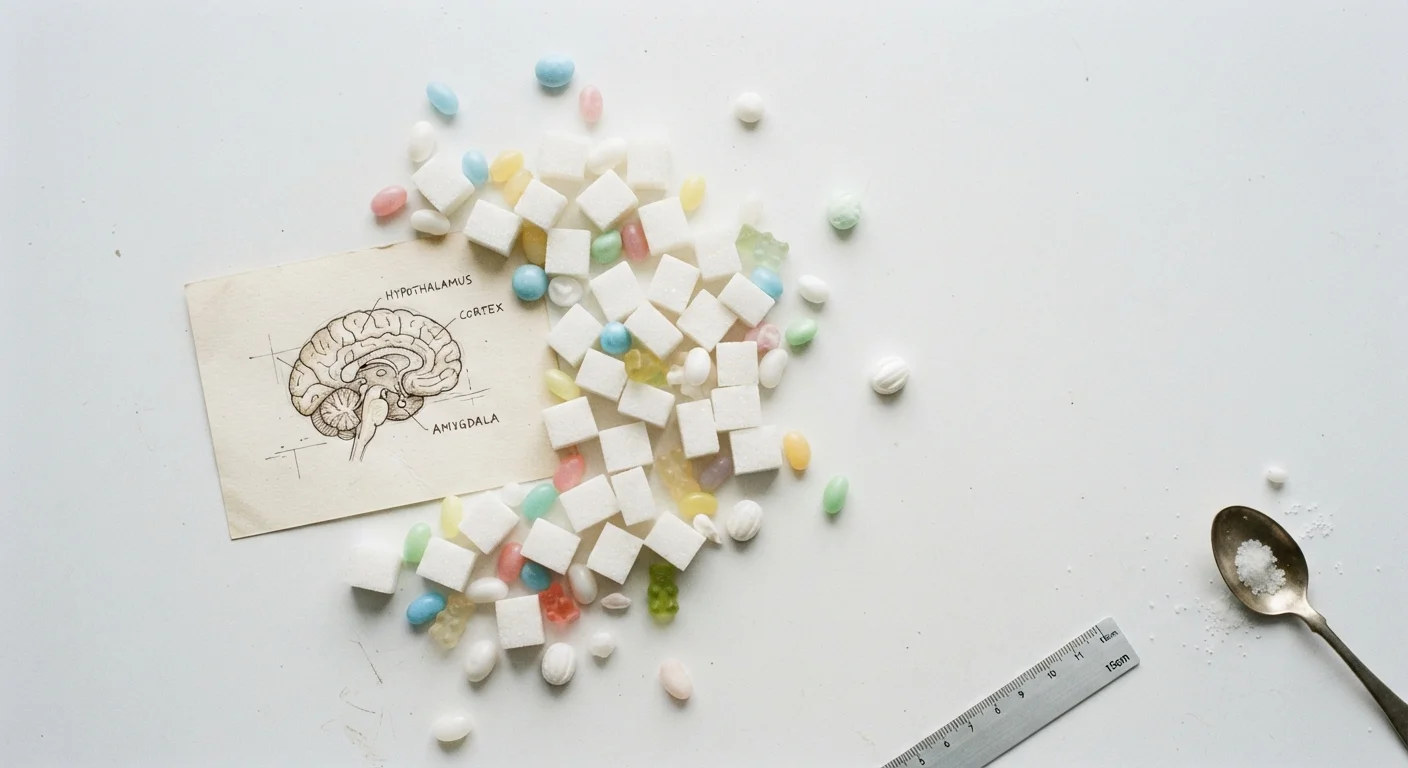
Research into the biological connection between sugar and anxiety suggests that rapid swings in blood glucose activate the body's stress response, prompting the release of cortisol and adrenaline. For people already prone to anxiety, these physiological signals can feel indistinguishable from a threat response - restlessness, irritability, difficulty concentrating. If this pattern repeats across multiple meals, tension can feel like a baseline state rather than a reaction to any single trigger.
It is also worth noting that anxiety does not always announce itself obviously. Subtler signs like procrastination, over-apologising, or poor sleep may be amplified by dietary factors that rarely enter the conversation. Understanding where sugar hides is a useful starting point - not a cure, but a meaningful piece of the picture.
Natural vs. Added Sugars: A Key Distinction
Not all sugars in food have the same relationship to anxiety. The concern centres primarily on added sugars - those incorporated during manufacturing - rather than sugars naturally present in whole fruit or plain dairy. For a deeper look at why this distinction may matter for mood, see our article on natural versus added sugars and mood. This is an area of ongoing research, and findings should be interpreted with appropriate caution.
Everyday Foods That Contain More Sugar Than You May Think
Flavored yogurt
Low-fat and fruit-flavored yogurts are frequently marketed as healthy, high-protein choices. In practice, many single-serving containers contain 15-25 grams of added sugar - a substantial portion of the daily intake many dietitians recommend staying below. The combination of relatively low fat and high sugar means the glucose hits the bloodstream quickly, setting up a sharper rise and subsequent dip.
A single fruit yogurt container can contain as much added sugar as several cookies.
Bottled pasta sauces and condiments
Savory foods are where hidden sugar most surprises people. Commercial pasta sauces often add sugar to balance acidity from tomatoes, with some popular varieties delivering 8-12 grams per half-cup serving. Ketchup, barbecue sauce, teriyaki glaze, and sweet chili dip can contribute similarly significant amounts, often consumed in quantities that make the total easy to underestimate.
Savory sauces are among the most overlooked sources of added sugar in the daily diet.
Granola and granola bars
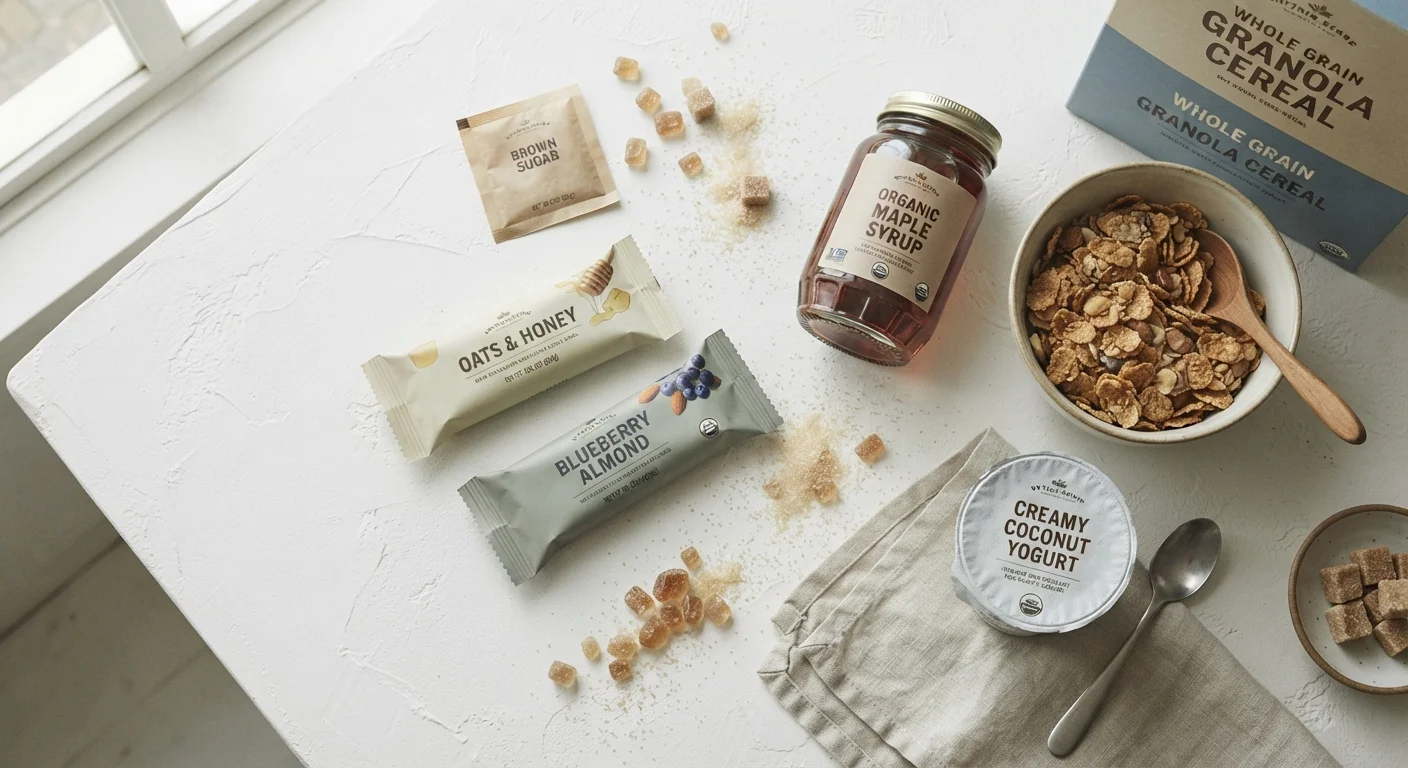
Granola benefits from a strong association with outdoor activity and wholesome eating, but many commercial varieties use honey, brown rice syrup, or cane sugar as binding agents and flavor enhancers. A standard serving can carry 10-15 grams of added sugar, and portion sizes listed on packaging are often smaller than the amount most people actually eat. Granola bars marketed as "natural" or "whole grain" frequently follow the same pattern.
"Natural" granola bars often contain as much sugar as a conventional candy bar.
Flavored coffee drinks and "wellness" beverages
Sweetened lattes, flavored cold brews, bottled matcha drinks, and some kombucha products can contain 20-40 grams of sugar per serving - sometimes more. The appeal of functional ingredients like adaptogens or probiotics can make these drinks feel like health choices, but their added sugar content can still drive the blood glucose fluctuations associated with heightened stress response. This matters especially if consumed in the morning on a relatively empty stomach.
A flavored wellness drink taken on an empty stomach can trigger the same blood sugar spike as a dessert.
Breakfast cereals labeled "whole grain" or "multigrain"
Whole-grain labeling communicates fiber and nutritional value, but it carries no restriction on how much sugar a cereal can contain. Many cereals that lead with whole-grain messaging still list sugar as the second or third ingredient and deliver 10-18 grams per serving. Starting the day with a sharp glucose spike followed by a mid-morning crash is a pattern that can contribute to irritability and tension before many people have even started work. Checking the added sugars line on the Nutrition Facts panel is more informative than reading front-of-package claims.
Whole-grain claims on cereal boxes say nothing about how much added sugar the product contains.
Salad dressings and pre-made salad kits
A salad is widely regarded as one of the most reliably healthy meal choices. Yet many bottled dressings - particularly honey mustard, raspberry vinaigrette, and low-fat ranch varieties - contain 5-10 grams of sugar per two-tablespoon serving, and generous poured amounts can double that. Pre-made salad kits often include a dressing sachet and flavored croutons or dried fruit, compounding the sugar contribution of what appears to be an unremarkable lunch.
A dressed salad kit can contribute more sugar than many people expect from a healthy lunch.
How to Spot Hidden Sugar on Labels
On a US Nutrition Facts panel, look specifically at the "Added Sugars" line rather than total sugars, since the latter includes naturally occurring sugars from fruit or dairy. Also scan the ingredients list: sugar appears under many names, including high-fructose corn syrup, cane juice, dextrose, maltose, and brown rice syrup. The closer any of these appear to the beginning of the list, the more of it the product contains.
Making More Informed Choices
The goal is not to pursue a sugar-free diet - that framing can be unnecessarily restrictive and difficult to sustain. The more practical objective is awareness: knowing where added sugar tends to accumulate, reading ingredient lists regularly, and noticing whether foods that seem nutritious are actually contributing a meaningful sugar load across your day.
If you are curious about how your own eating patterns connect to your mood, tracking your food intake alongside your anxiety levels over a week or two can reveal useful personal patterns. And because sugar's effects on anxiety can also travel through the gut, understanding how your microbiome is involved adds another layer of context worth exploring.
If anxiety is significantly affecting your daily life, please consult a qualified healthcare professional. Dietary adjustments can be a supportive tool, but they are not a replacement for appropriate clinical care.
This article is for general informational and educational purposes only and does not constitute medical advice. Always consult a qualified healthcare professional before making significant changes to your diet, particularly if you have a diagnosed health condition or are managing mental health symptoms.