
What Normal Stress Actually Looks Like
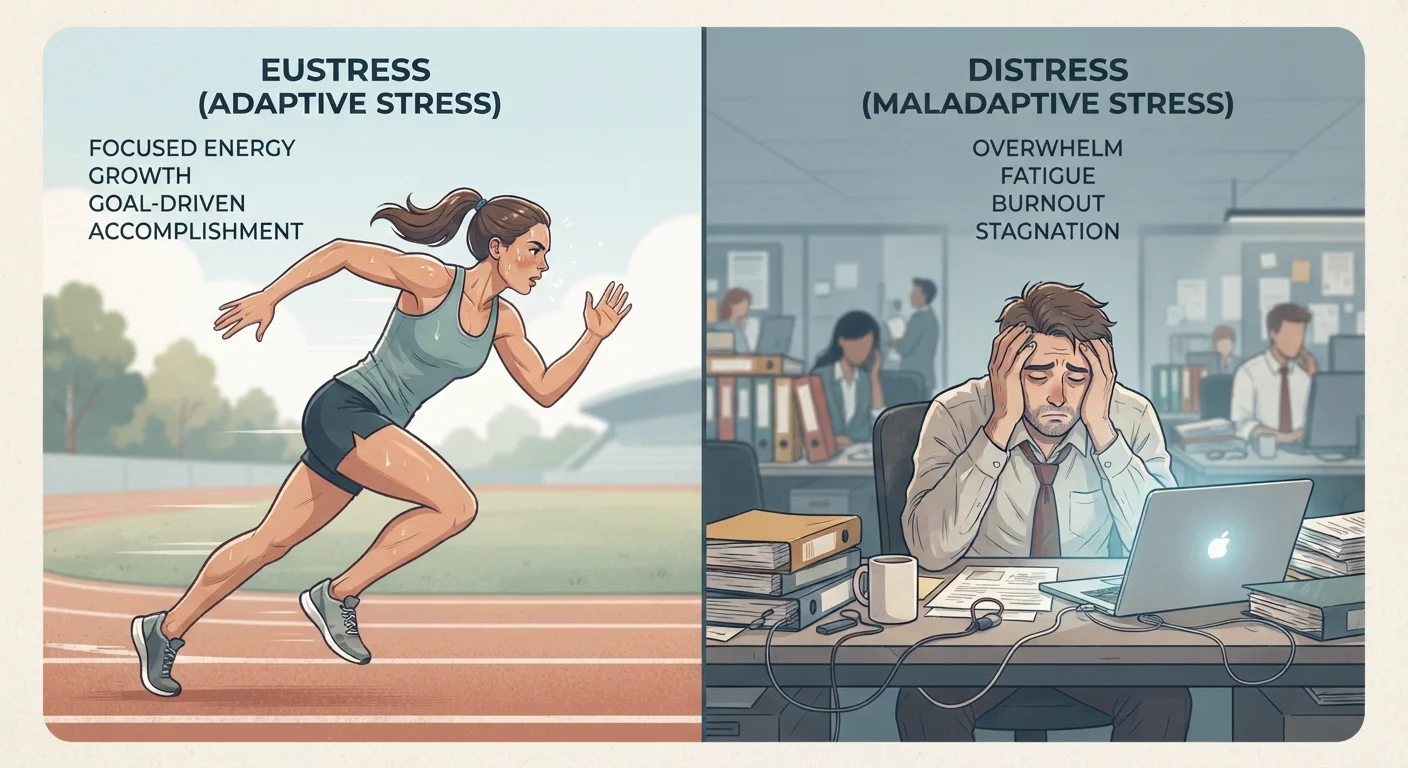
Stress is not inherently harmful. In fact, a well-functioning stress response is part of how humans stay alert, motivated, and ready to handle challenges. When you feel your heart rate rise before a presentation or notice urgency before a deadline, that's your nervous system doing exactly what it's designed to do.
Short-term stress can sharpen focus and drive action. The key characteristic of normal stress is that it is proportionate to the situation and temporary - it rises in response to a specific pressure and eases once that pressure passes. You feel the strain, you move through the situation, and then you recover.
Normal stress also tends to leave your sense of self intact. You might feel stretched, but you still recognise yourself - your energy comes back, your mood stabilises, and your capacity to experience pleasure or connection returns.
Acute stress
A short-term stress response triggered by a specific event or pressure. It typically passes once the situation is resolved and is considered a normal part of life.
Chronic stress
Stress that persists over an extended period - weeks or months - often without a clear endpoint. Unlike acute stress, the body doesn't fully return to a relaxed state between stressors.
Burnout
A state of deep exhaustion resulting from prolonged, unrelenting stress. It's typically marked by emotional detachment, reduced effectiveness, and a loss of motivation that doesn't resolve with short breaks.
Stress response
The body's automatic reaction to perceived threats or demands, involving hormones like cortisol and adrenaline. It's designed to be short-lived and helpful, not permanent.
Emotional numbing
A reduced ability to feel emotions - both positive and negative. In the context of stress, it can signal that the nervous system has been overwhelmed for an extended period.
The Signals That Something Has Shifted
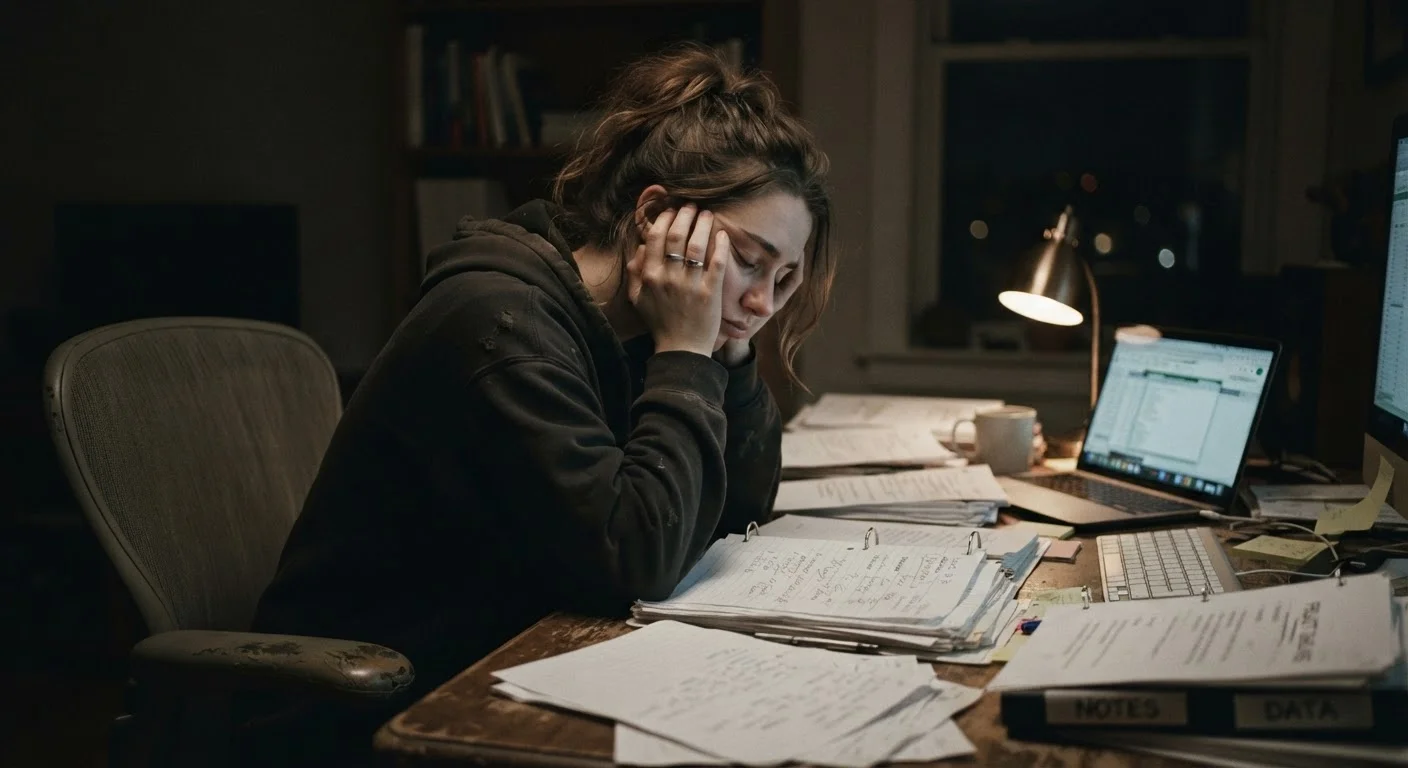
The transition from normal stress to something more persistent is rarely dramatic. It usually happens gradually - which is part of what makes it so easy to miss. When stress feels constant, it can start to feel ordinary, and that normalisation is where the real risk lies.
There are several patterns worth watching for:
- Recovery doesn't happen. The stressful situation ends, but the tension doesn't lift. You sleep but don't feel rested. You rest but don't feel restored.
- Physical symptoms persist. Headaches, digestive issues, muscle tension, or frequent illness that can't be explained by other causes may be the body expressing what the mind hasn't yet named.
- Emotional range narrows. You may notice reduced enthusiasm, emotional flatness, or a creeping cynicism toward things that once mattered to you.
- Withdrawal becomes a pattern. Pulling back from friends, family, or activities - not as a deliberate choice, but as a kind of quiet retreat - is a meaningful signal.
Certain patterns signal that stress has crossed into something harder to shake. Recognising them early gives you more options.
Adaptation Can Mask Worsening Stress
One of the trickier aspects of chronic stress is that the body adapts - meaning you may feel less acutely stressed even as the underlying burden grows. If you've been telling yourself "I'm fine, I've just learned to cope," it's worth asking whether that coping is recovery or simply tolerance. They are not the same thing.
A Simple Self-Awareness Framework
Rather than trying to diagnose yourself, the goal here is honest observation. Use these four questions as a starting point for reflection - ideally in a journal or a quiet moment:
- Does my stress have a clear source? If you can name the stressor, that's useful information. If the stress feels diffuse or sourceless, it may have accumulated over time rather than arising from a single cause.
- How long has this been going on? A few difficult days are very different from several weeks of consistent strain. Duration matters - chronic stress often builds gradually.
- Do I recover? Think about the last time you felt genuinely rested or at ease. If it's hard to remember, that's worth sitting with.
- Is stress changing how I see myself or others? Feeling persistently hopeless, numb, or disconnected from people you care about goes beyond typical pressure.
This kind of structured self-check - noticing how stress may be affecting your body, mood, sleep, and daily habits - isn't about finding a label. It's about bringing clarity to your own experience so you can make more informed choices.
Make Your Self-Check a Regular Habit
You don't need to wait until you're struggling to use this framework. Checking in with yourself briefly once a week - even just running through the four questions mentally - builds a clearer picture of your patterns over time. Small, consistent reflection is more revealing than a single deep-dive taken during a crisis.
When to Seek Support
Self-awareness is a meaningful first step, but it has limits. If the patterns you've noticed feel persistent, disruptive, or simply too heavy to carry alone, please consider talking to a qualified mental health professional. You don't need to reach a crisis point before that conversation is appropriate.
A therapist, counsellor, or your primary care provider can help you make sense of what you're experiencing and explore what support looks like for your specific situation. If you're new to thinking about stress as a health concern, there's a practical starting point for understanding how it develops.
Practices like mindfulness applied to stress management can also complement professional support - though they work best as part of a broader approach, not as a replacement for care when it's genuinely needed.
The act of pausing to ask "Is this still within the range of normal?" is not a sign that something is wrong with you. It's a sign that you're paying attention - and that matters.
This article is for general informational purposes only and does not constitute medical or mental health advice. Please consult a qualified healthcare professional for guidance specific to your situation.