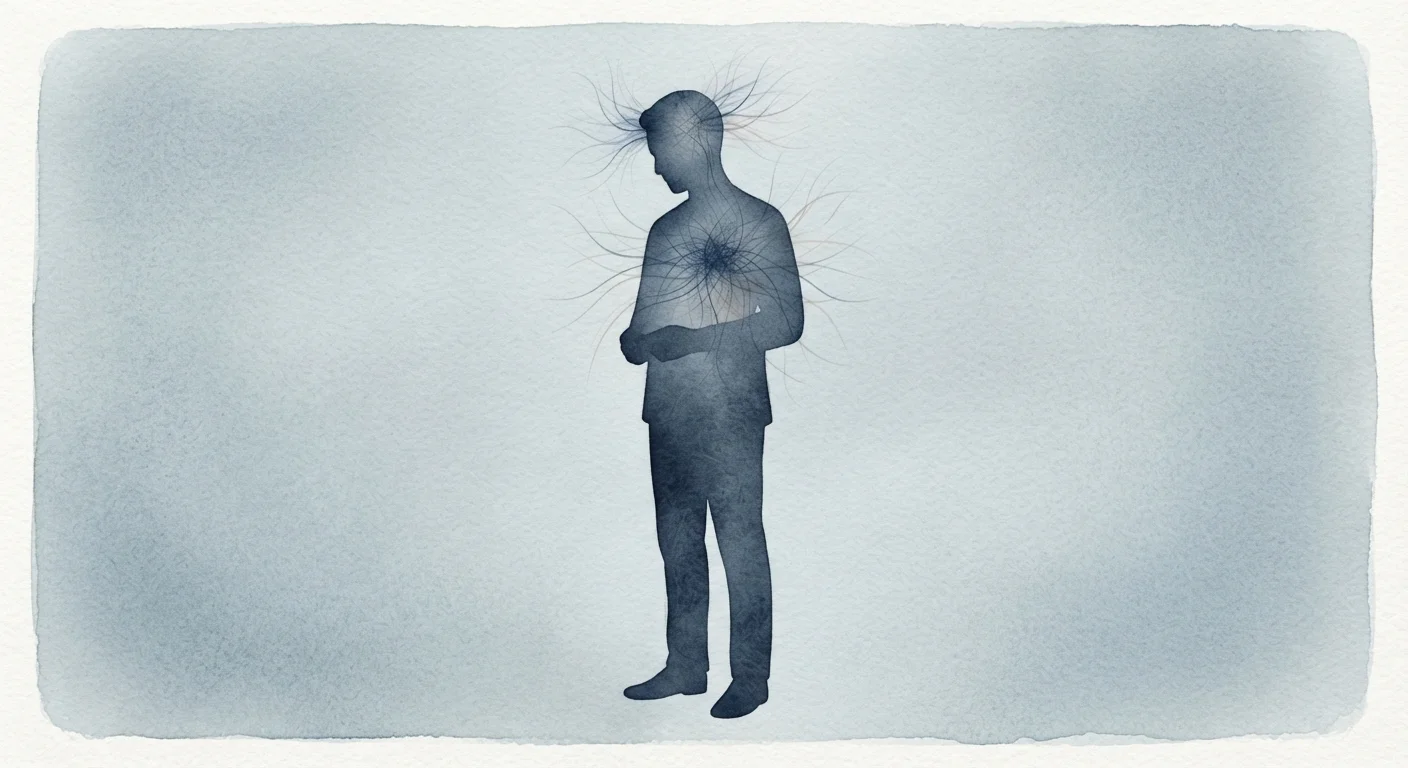

What Is Chronic Stress, Exactly?
Stress is your body's built-in response to pressure or threat. When something demands your attention or feels dangerous, your brain triggers a cascade of physical changes - elevated heart rate, sharper focus, tensed muscles - designed to help you respond quickly. This is often called the fight-or-flight response.
That response is useful in short bursts. The problem is when it never really switches off.
Chronic stress refers to a prolonged state of activation - when your nervous system stays on high alert for weeks, months, or even years. Unlike acute stress, which is tied to a specific event and fades when that event resolves, chronic stress tends to be sustained by ongoing circumstances: financial strain, an overwhelming job, relationship difficulties, caregiving demands, or a combination of pressures that never seems to ease.
Acute stress
Short-term stress tied to a specific event or situation. It typically resolves once the event passes and the body returns to a calm state.
Chronic stress
Ongoing stress that persists for weeks, months, or longer, keeping the body in a prolonged state of heightened alertness.
Fight-or-flight response
The body's automatic reaction to perceived threat - releasing hormones like adrenaline and cortisol to prepare for quick action.
Cortisol
A hormone released during stress that helps regulate the body's response. When elevated for long periods, it can disrupt sleep, immunity, mood, and other functions.
Normalization
The process by which ongoing stress starts to feel like a normal baseline, making it harder to recognize as a health concern.
Understanding the difference between acute and chronic stress is a useful foundation for making sense of what you may be experiencing.
How Chronic Stress Develops
Chronic stress rarely arrives all at once. More often, it accumulates - an extra responsibility added here, a financial setback there, a relationship strain that lingers. Each individual stressor may feel manageable on its own. The difficulty is that the body doesn't reset between them the way it's designed to.
Over time, if the recovery window between stressors keeps shrinking, the stress response stays elevated. Cortisol - the primary stress hormone - remains high. Sleep becomes lighter or shorter. The person may begin running on a kind of low-level tension they stop noticing because it feels normal.
Small Steps Count
If you're not sure whether what you're feeling qualifies as chronic stress, that uncertainty is itself worth paying attention to. You don't need a clinical label to justify taking your wellbeing seriously. Speaking with a doctor or counselor - even just to talk through what you've been noticing - is always a reasonable starting point.
This gradual buildup is one reason chronic stress so often goes unaddressed for a long time. People adapt to it, which can make it harder to recognize as a health concern rather than just a demanding life.
What It Can Do to Your Mind and Body
The physical and psychological effects of sustained stress are well-documented. Prolonged elevation of stress hormones like cortisol can affect nearly every system in the body.
- Sleep disruption: Racing thoughts and physical tension interfere with falling or staying asleep.
- Immune function: Chronic stress is associated with a reduced ability to fight off illness.
- Cardiovascular strain: Elevated heart rate and blood pressure over time increase certain health risks.
- Mood and cognition: Persistent stress is strongly linked to irritability, low mood, and difficulty concentrating or making decisions.
- Digestive issues: The gut is closely connected to the stress response, and many people notice stomach discomfort during prolonged periods of pressure.
For a closer look at the physiological mechanisms involved, what chronic stress actually does to your body over time goes deeper into these effects.
This article provides general health information and is not a substitute for professional medical advice. If you are concerned about your health, please speak with a qualified healthcare provider.
Why It's So Easy to Miss
One of the defining features of chronic stress is how effectively people adapt to it. When pressure becomes the background noise of daily life, the body adjusts its baseline - and what once felt exhausting starts to feel ordinary.
This normalization is a real risk. It delays recognition, delays help-seeking, and allows the cumulative toll to grow. Many people only look back and identify what was happening after circumstances change and they realize how much better they feel.
Adapting to Stress Doesn't Mean It's Harmless
Feeling like you've 'gotten used to' constant pressure is not the same as recovering from it. The body can sustain a stress response even when you've stopped consciously registering it, and the underlying toll continues to accumulate. If you've felt stretched thin for an extended period, that warrants attention - not just acceptance.
This is explored in depth in why chronic stress is so easy to normalise - and why that's a problem. Understanding the pattern is an important step toward not staying stuck in it.
If you're unsure whether your experience has crossed from ordinary pressure into something more persistent, reviewing signs your stress has shifted from temporary to chronic may help clarify the picture.
Where to Go From Here
Recognizing that you might be dealing with chronic stress is genuinely meaningful. It moves you from vague exhaustion to something you can begin to examine and address.
The most important next step is talking to a qualified professional - a primary care doctor or a licensed mental health provider. They can help rule out other contributing factors, assess severity, and work with you on a plan that fits your actual situation.
Alongside that, building some understanding of what's happening is useful. Learning the science of chronic stress and what happens to your body over time can help the problem feel less abstract. And if you're curious about practical first steps for managing day-to-day stress, mindfulness for stress: a complete starting point for absolute beginners offers a genuinely accessible entry point.
National Institute of Mental Health (NIMH)
NIMH offers plain-language information on stress, anxiety, and mental health conditions, including guidance on when to seek help and how to find care.
American Psychological Association (APA) - Stress Resources
The APA publishes accessible overviews of stress, its effects, and evidence-based strategies for managing it, geared toward general audiences.
You don't need to have everything figured out before you start. Knowing that something is worth paying attention to is enough of a beginning.