
When "Fine" Becomes a Habit
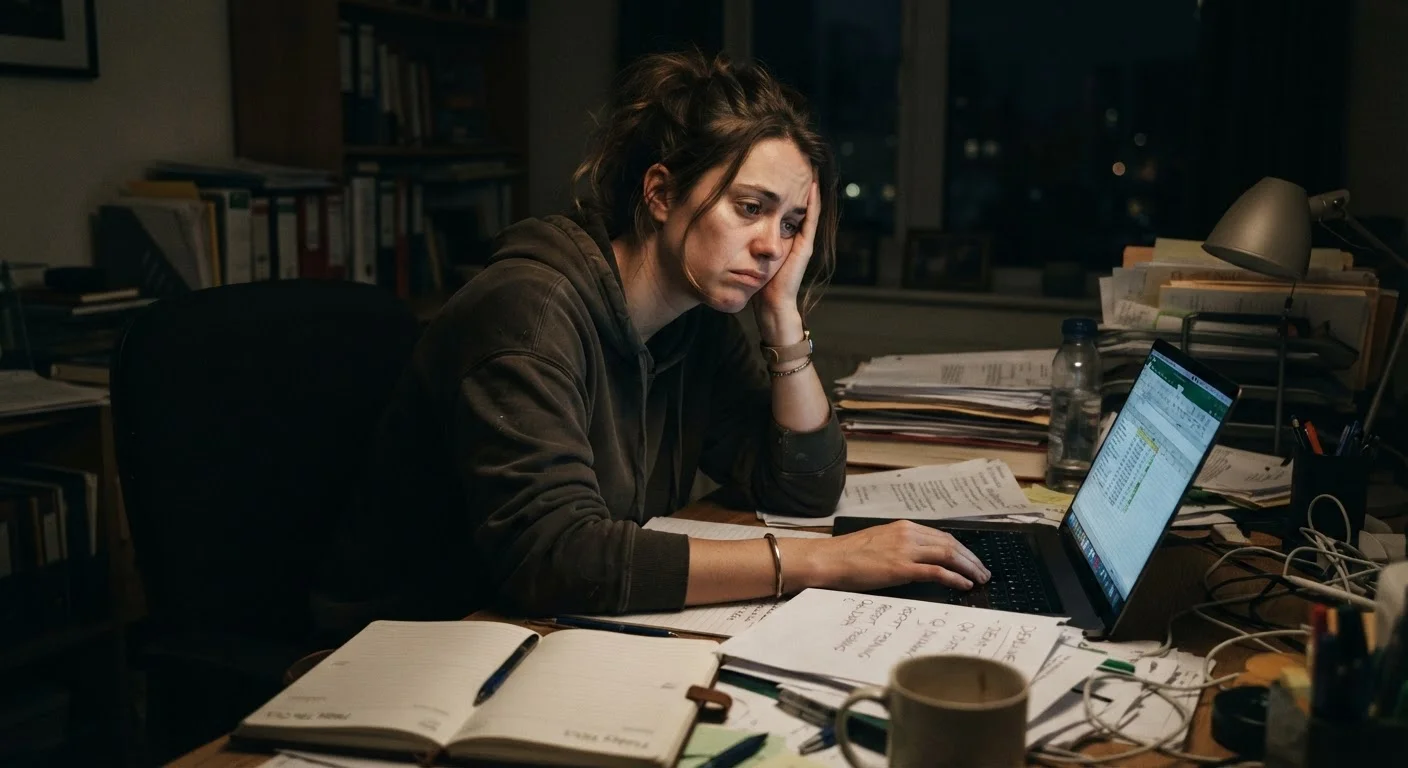
There's a particular kind of exhaustion that doesn't announce itself. It settles in slowly - through a run of difficult months, relentless obligations, or low-level anxiety that never quite resolves. Over time, feeling strung out starts to feel normal. That shift, quiet as it is, is exactly what makes chronic stress so hard to address.
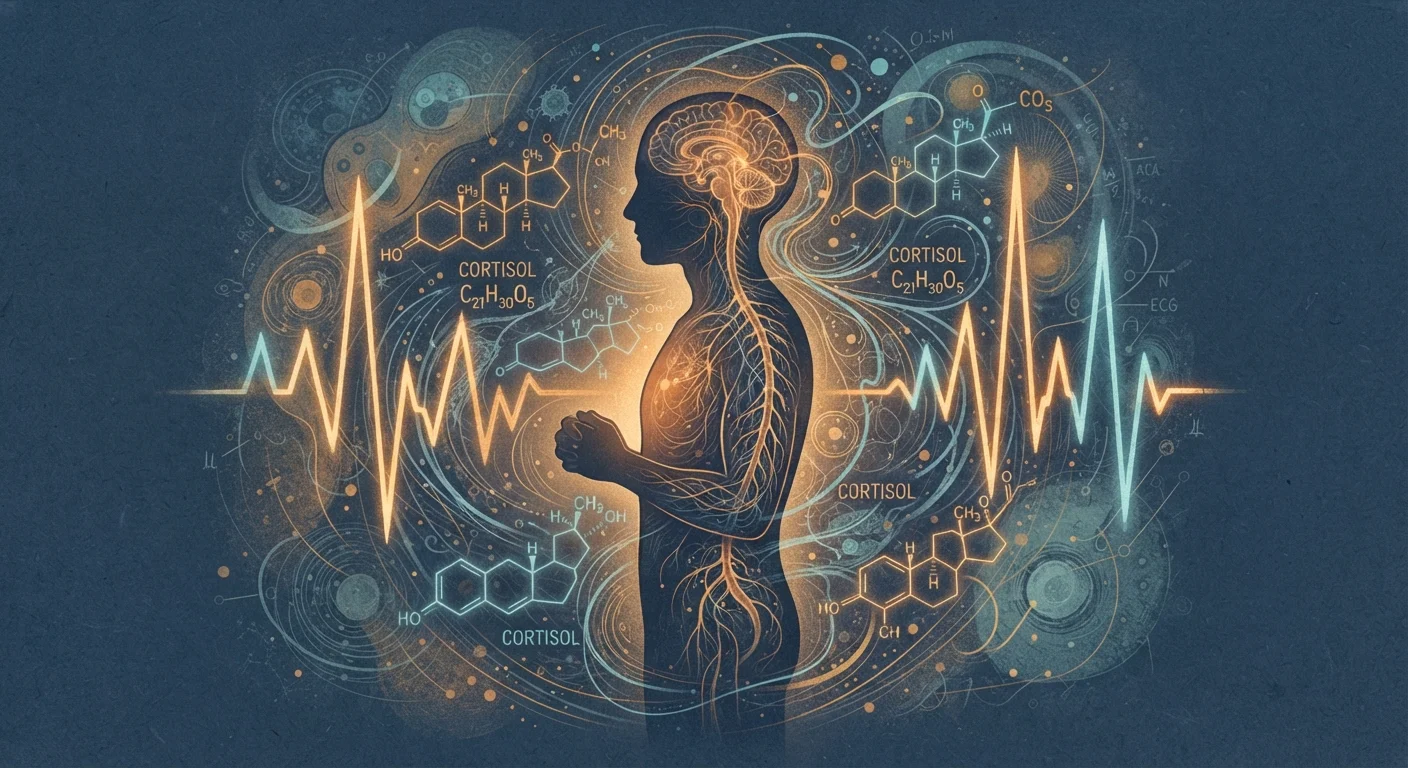
Chronic stress differs from ordinary pressure in a critical way: it persists without meaningful relief, keeping the body's stress-response system - including the release of hormones like cortisol and adrenaline - in a near-constant state of activation. Chronic stress is not simply a longer version of a bad day; it creates a fundamentally different physiological and psychological state. Understanding the mistakes people commonly make when navigating it - and why those mistakes happen - can make a meaningful difference.
This article is for general informational purposes only and is not a substitute for professional medical or mental health advice. If you're concerned about your stress levels, please speak with a qualified healthcare provider.
Common Mistakes That Let Chronic Stress Take Hold
Most people don't ignore chronic stress out of carelessness. They do it because the patterns below are deeply intuitive - and culturally reinforced. Recognising them is an important first step.
Using busyness as a measure of normality - if everyone seems stressed, stress must be fine.
Why it happens: In many workplaces and communities, high stress is worn as a badge of commitment. When the people around you are also overwhelmed, it's easy to conclude that your experience is simply the cost of a full life.
Minimising physical symptoms by attributing them to unrelated causes.
Why it happens: Stress-related symptoms - such as tension headaches, disrupted sleep, or digestive issues - are easy to explain away individually. Without connecting them to a larger pattern, they feel manageable rather than meaningful.
Relying solely on short-term coping strategies instead of addressing the underlying load.
Why it happens: Strategies like a weekend off, a glass of wine to unwind, or pushing through to a holiday feel immediately effective. They provide genuine short-term relief, which can create the impression that the problem is being managed.
Waiting for a dramatic breaking point before taking stress seriously.
Why it happens: Many people believe they'll "know" when stress has become a problem because something obvious will happen - a breakdown, a health crisis, or an inability to function. In reality, chronic stress often degrades wellbeing slowly and without clear thresholds.
Conflating stress management with stress elimination - and giving up when stress doesn't disappear.
Why it happens: There's a common misconception that managing stress means becoming stress-free. When efforts to reduce stress don't eliminate it entirely, people may conclude that nothing works and stop trying.
If you're unsure whether what you're experiencing has crossed into something more serious, a self-awareness framework for stress can help you reflect with more clarity.
Why This Matters for Your Health
77%
Adults reporting physical stress symptoms
According to the American Psychological Association's Stress in America survey, a large majority of US adults regularly experience physical symptoms they associate with stress.
~3 in 10
Adults who never discuss stress with a doctor
Research consistently shows that a significant proportion of people experiencing chronic stress do not raise it with a healthcare professional, often because they consider it normal.
The body was designed to handle stress in short bursts - enough to respond to a threat and then recover. Prolonged activation of the stress response disrupts that recovery cycle. Over time, this can affect sleep quality, immune function, cardiovascular health, digestion, and mood regulation. It can also increase vulnerability to anxiety disorders and depression.
What makes this especially difficult is that many of these effects emerge gradually. A person may attribute poor sleep to a busy schedule, recurring headaches to screen time, or irritability to personality - never connecting these dots back to sustained stress. Understanding what prolonged stress does to the body over time helps explain why consistent relief matters - not just occasional rest.
Chronic Stress Is a Health Issue, Not a Character Trait
Ongoing stress is not a sign of weakness, poor time management, or lack of resilience. It is a physiological state with measurable effects on the brain and body. If stress has been persistent for an extended period, speaking with a doctor or licensed mental health professional is appropriate - not a last resort. Early support is more effective than waiting until symptoms become severe.
If you're new to thinking about stress as a health issue, this starting point for people who feel overwhelmed offers a grounded introduction to how chronic stress develops and where to begin making sense of it.