
Why Chronic Stress Is Different From Feeling Overwhelmed
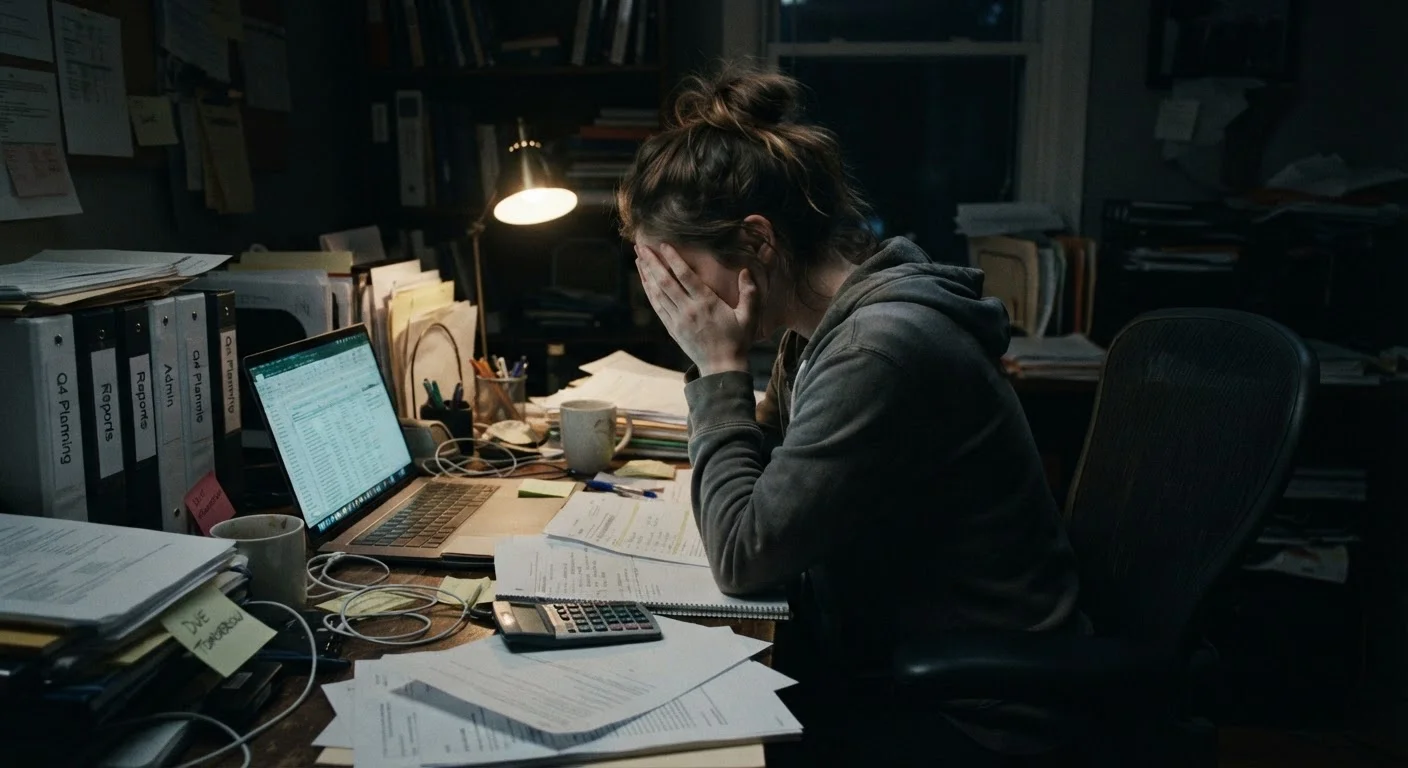
Most people are familiar with the short-term stress response - the racing heart before a presentation, the tension during a difficult conversation. That kind of stress is normal and temporary. Chronic stress is something else entirely. It's what happens when the stress response never fully switches off, day after day, week after week.
As explored in this overview of what makes chronic stress distinct, the difference isn't just about duration - it's about what that sustained pressure does to the brain and body at a biological level. The stress system, designed for short bursts of danger, isn't built to run continuously.
Because chronic stress tends to build gradually, many people adapt to it without recognizing it as a problem. They assume fatigue, irritability, or trouble focusing are just part of a busy life. That normalization is one reason the mental health connection is so easy to miss. Chronic stress is often invisible until it isn't - and by the time it surfaces clearly, the effects may already be significant.
How Chronic Stress Affects the Brain
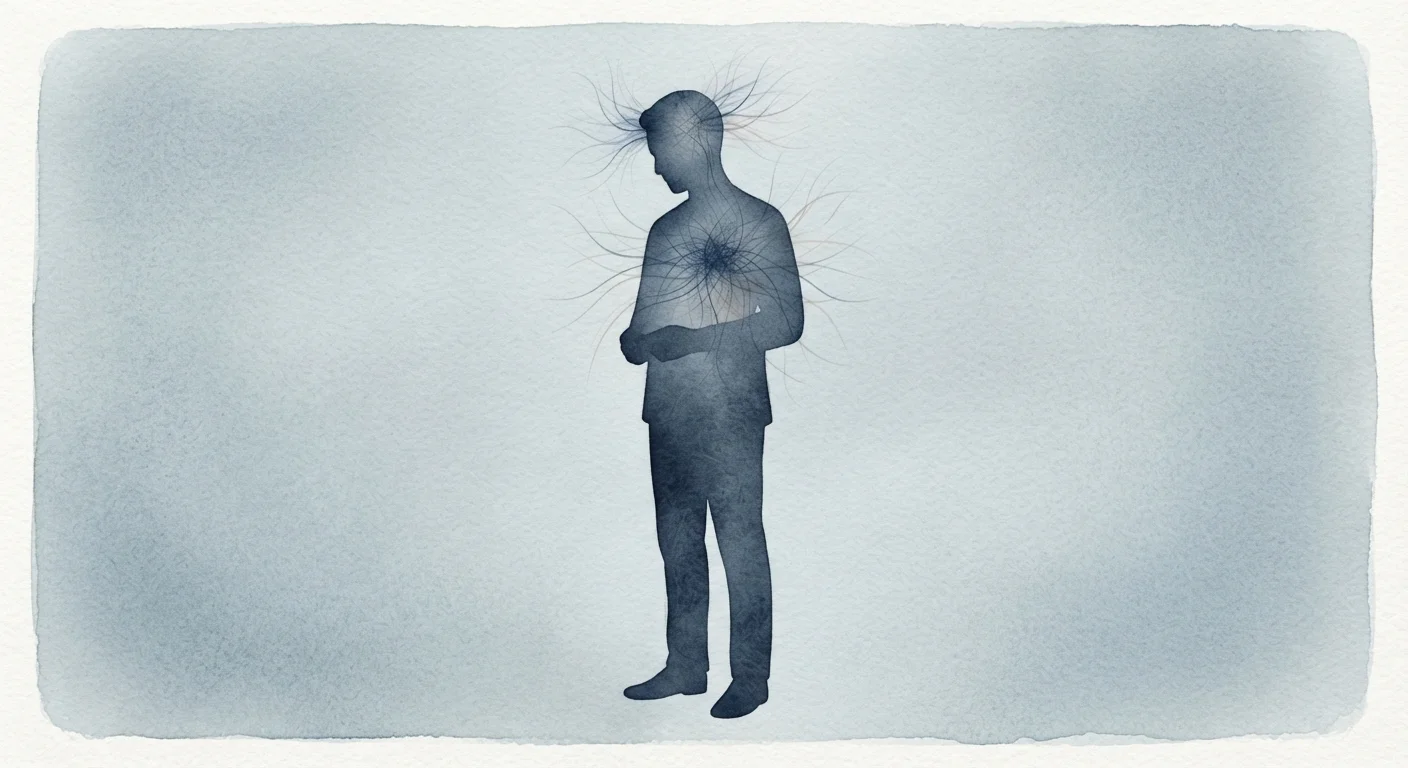
The brain is particularly vulnerable to sustained stress. When the body perceives a threat, the adrenal glands release cortisol - a hormone that sharpens attention and mobilizes energy. In small doses, this is useful. In prolonged doses, it becomes damaging.
High cortisol over extended periods has been shown to reduce the volume of the hippocampus, a brain region central to memory and learning. It also impairs the prefrontal cortex, which handles decision-making, impulse control, and emotional regulation. The result: people under chronic stress often find themselves more reactive, less able to think clearly, and increasingly unable to manage their emotions in the ways they normally would.
~33%
Adults reporting extreme stress levels
The American Psychological Association has consistently found that a significant proportion of US adults report stress levels they consider extreme, with work, money, and health as leading sources.
2-3x
Increased depression risk under chronic stress
Research in psychoneuroendocrinology suggests that individuals exposed to prolonged psychosocial stress face roughly two to three times the risk of developing a major depressive episode compared to those without chronic stressors.
Up to 14%
Reduction in hippocampal volume linked to chronic stress
Neuroimaging studies have documented measurable reductions in hippocampal volume in people with prolonged stress exposure, a change associated with memory impairment and increased vulnerability to mood disorders.
This is not a character flaw or weakness. It is a measurable neurological effect of an overloaded stress system. Understanding that distinction can help reduce the self-blame that often compounds mental health difficulties.
For more on how these physical changes unfold, this article on what chronic stress does to your body provides a detailed look at the broader physiological picture.
The Path From Stress to Anxiety and Depression
Chronic stress doesn't cause anxiety or depression in every person, but it meaningfully raises the risk. The mechanisms are several: disrupted sleep erodes emotional resilience; elevated cortisol interferes with serotonin and dopamine signaling; social withdrawal - common when someone is stressed - removes a critical buffer against low mood.
It's also worth noting the gut-brain connection. Chronic stress can alter gut microbiome composition, and the relationship between stress and the gut may create a feedback loop that amplifies psychological symptoms. This is an emerging area of research rather than established clinical guidance, but it underscores how interconnected these systems are.
Social support plays a protective role. Human connection is central to stress resilience, and people who maintain close relationships tend to show better outcomes when facing chronic stress.
Start With What You Can Name
If you're unsure whether what you're experiencing is chronic stress, try keeping a brief daily log of your mood, sleep quality, and energy for two weeks. Patterns are easier to spot in writing than in memory. Sharing this log with a healthcare provider gives them a clearer picture than a single appointment snapshot.
Recognizing When Stress Has Crossed a Line
One of the most practical questions is: how do you know when stress has shifted from manageable to a mental health concern? The key signals that stress has become chronic include persistent physical symptoms, emotional numbness or constant irritability, difficulty experiencing pleasure, and declining function at work or in relationships.
If any of these patterns have been present for several weeks or longer, it is worth speaking with a healthcare provider or mental health professional. A professional can distinguish between stress-related symptoms and conditions like generalized anxiety disorder or clinical depression that may require specific treatment. Early intervention matters - the longer the stress response stays elevated, the harder it can be to reset.
This article is for general informational purposes only and is not a substitute for professional medical or mental health advice. If you are concerned about your mental health, please consult a qualified healthcare provider.