Why Chronic Stress Hides in Plain Sight
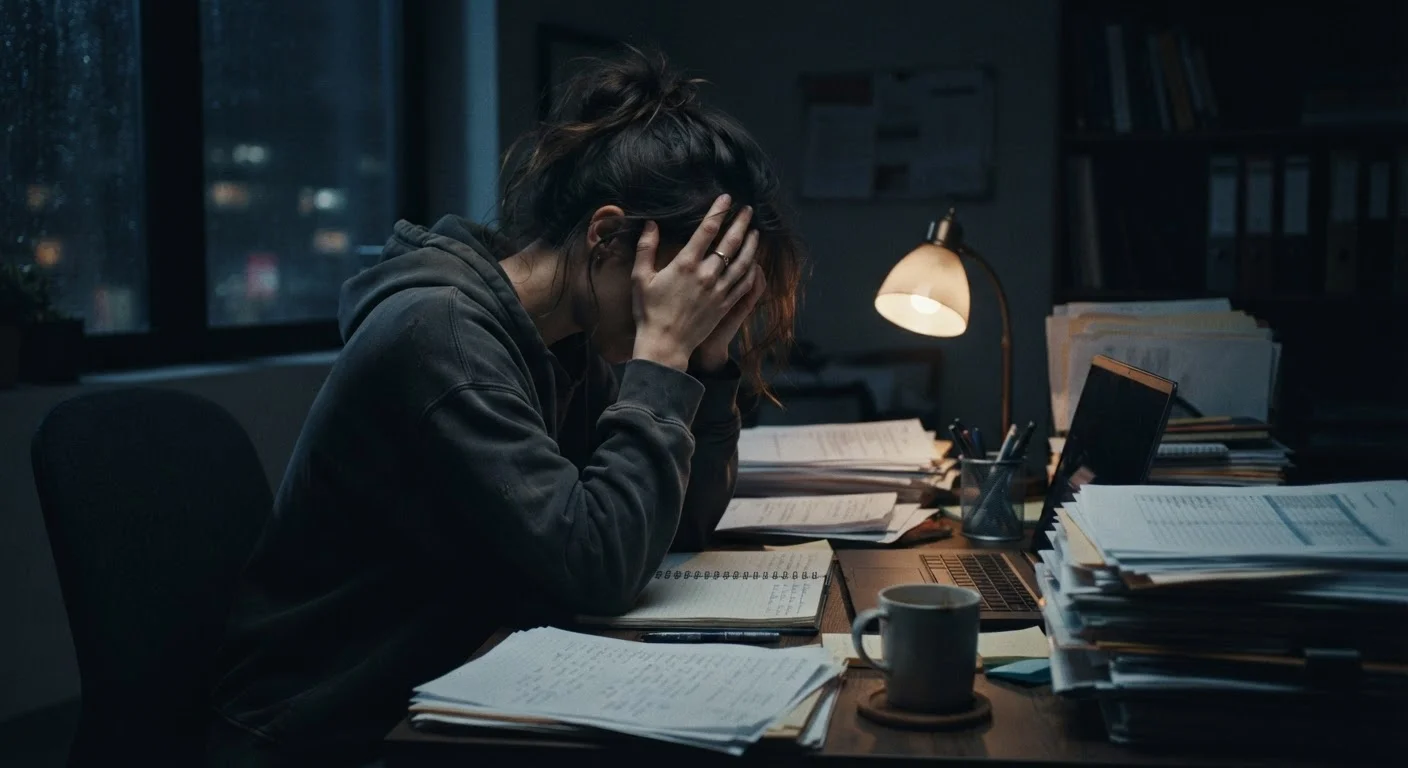
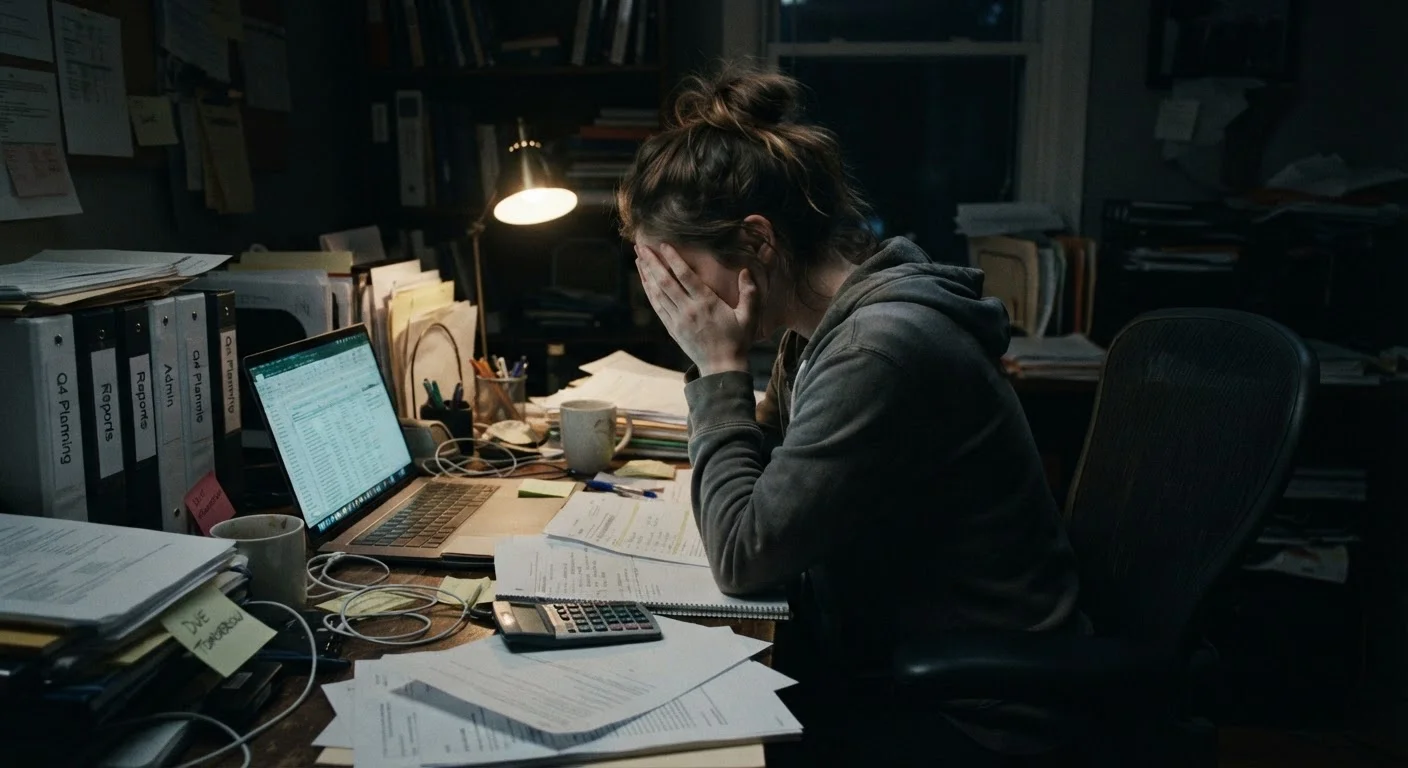
Acute stress is hard to ignore — your heart pounds, your palms sweat, and your body makes it clear something is happening. Chronic stress, by contrast, moves in quietly. It settles into daily life so gradually that most people stop noticing it at all. What began as pressure at work or strained relationships becomes the background noise of everyday existence.
This is partly a feature of biology. When stress persists, the brain's threat-detection system — particularly the hypothalamic-pituitary-adrenal (HPA) axis — operates in a kind of sustained low-alarm mode. Over time, elevated cortisol levels begin to feel like a baseline rather than a signal. The body adapts, and that adaptation is itself the problem.
Understanding what chronic stress actually is helps explain why it's so uniquely dangerous. Unlike short-term stress that resolves once a threat passes, chronic stress doesn't give the nervous system a chance to fully recover — and that sustained activation quietly affects cardiovascular health, immune function, sleep quality, and emotional regulation over time.
Adaptation Is Not the Same as Recovery
When the body stops visibly reacting to stress, it can feel like the stress is gone — but adaptation and resolution are not the same thing. The nervous system may simply have recalibrated to a higher baseline of activation. This is worth understanding: feeling "used to" chronic pressure does not mean the body has stopped being affected by it. The cumulative impact continues even when the urgency fades.
Mistakes That Keep Chronic Stress Invisible
Several common thinking patterns and habits allow chronic stress to persist unrecognised. These aren't character flaws — they're understandable responses to a culture that often rewards endurance over awareness. But each one makes it harder to catch the problem before it escalates.
Treating persistent exhaustion as a personality trait rather than a symptom.
Why it happens: When tiredness becomes constant, it stops feeling remarkable. Many people begin to identify with being "someone who's always busy" rather than recognising fatigue as a signal worth investigating.
Dismissing physical symptoms because they seem unrelated to stress.
Why it happens: Most people don't connect tension headaches, frequent colds, or digestive discomfort to emotional or psychological pressure. The mind-body link isn't intuitive unless you've been introduced to it.
Using productivity and busyness as evidence that stress is manageable.
Why it happens: Functioning well at work or fulfilling obligations can feel like proof that everything is fine. This is especially common among people who tie self-worth to output.
Waiting for a crisis point before taking stress seriously.
Why it happens: Chronic stress escalates slowly, so there's rarely a single obvious moment to act. Many people hold out for a clear threshold that, by definition, never clearly arrives — until it does, often in the form of burnout or illness.
Normalising stress because everyone around you seems equally stressed.
Why it happens: When a high-stress environment is shared — at work, in a family, or culturally — chronic pressure can feel like the standard human experience rather than something worth questioning.
If you're unsure whether what you're experiencing has crossed from temporary pressure into something more sustained, the signs that stress has shifted from temporary to chronic are worth reviewing carefully.
What Happens When Stress Goes Unaddressed
The longer chronic stress goes unrecognised, the more entrenched its effects can become. Research consistently links prolonged stress exposure to increased risk of anxiety, depression, and cognitive difficulties — not because people are weak, but because the brain and body have genuine physiological limits. The connection between chronic stress and mental health is well documented, even if it remains underappreciated in everyday conversation.
Physical symptoms are often the first honest signal. Persistent headaches, disrupted sleep, digestive complaints, and recurring illness are among the ways a stressed body communicates what the conscious mind is dismissing. Learning to recognise the warning signs your body sends before they escalate is one of the most practical things anyone can do.
77%
Adults reporting physical symptoms of stress
According to the American Psychological Association's Stress in America survey, a large majority of US adults report experiencing physical symptoms they attribute to stress.
3 in 5
Workers reporting negative stress-related impacts at work
The APA has consistently found that a majority of employed Americans say stress interferes with their motivation, productivity, or relationships at work.
This isn't about alarm — it's about awareness. Acknowledging that stress has become chronic isn't a failure; it's the step that makes change possible. If you're concerned that your stress may be affecting your physical or mental health, speaking with a qualified healthcare professional is always a reasonable and worthwhile next step.
This article is for general informational and educational purposes only. It is not a substitute for professional medical advice, diagnosis, or treatment. Always consult a qualified healthcare provider with questions about your health or wellbeing.