Why Chronic Stress Is Different From a Hard Week
Most of us know what it feels like to be stressed before a big deadline or during a difficult conversation. That kind of stress — called acute stress — is short-lived. Your nervous system activates, helps you respond, and then settles down. It's uncomfortable, but it's a normal part of life.
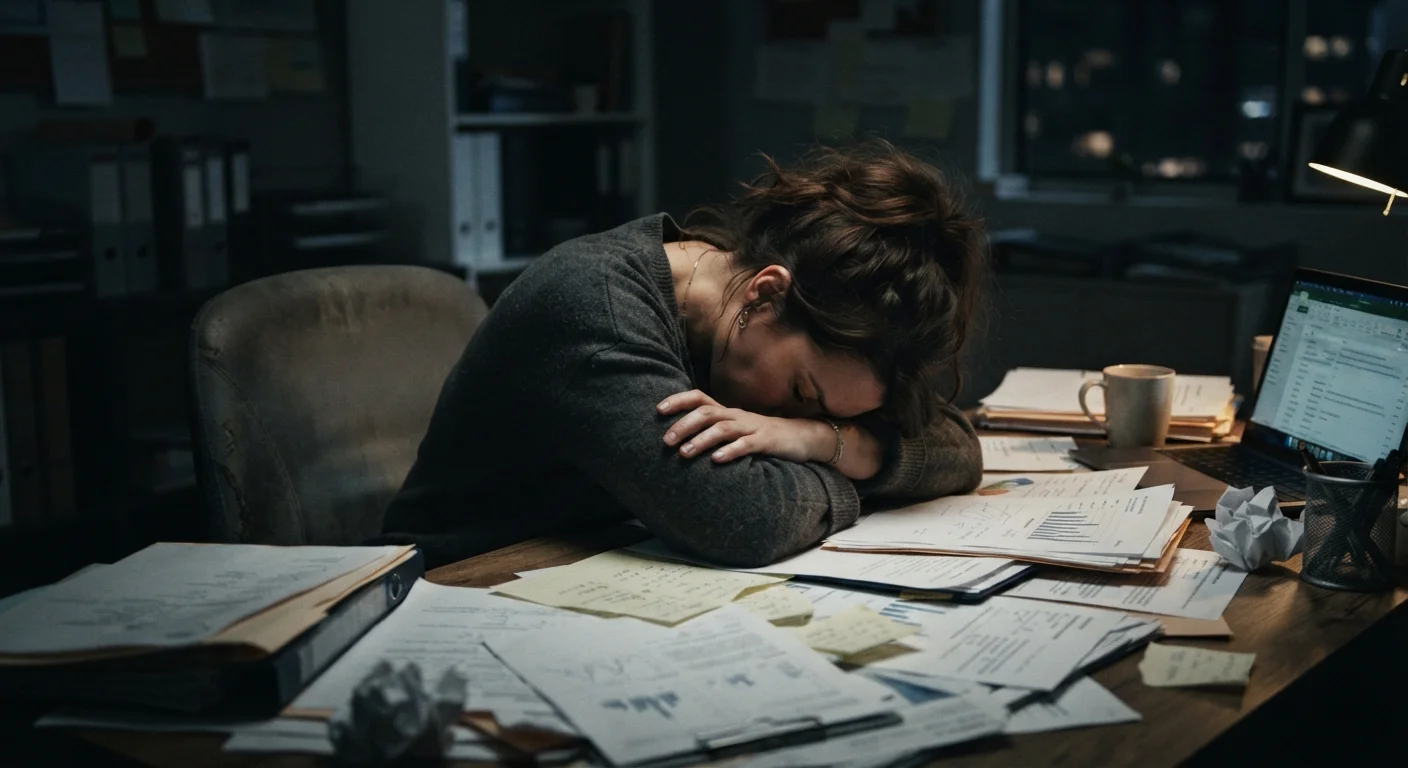
Chronic stress is fundamentally different. It's what happens when stressors don't go away — or when the mind and body never fully return to a resting state, even after the trigger passes. Financial pressure that stretches across years, a demanding caregiving role, an unresolved conflict, or an overwhelming work environment can all keep your stress-response system running far beyond its intended limits.
For a deeper look at how the two types of stress diverge in practice, see our article on how chronic and acute stress symptoms compare.
Acute vs. Chronic Stress: A Key Distinction
Acute stress resolves when the triggering situation ends. Chronic stress persists independently — often continuing even when the original stressor is no longer present. This persistence is what makes chronic stress a distinct health concern rather than simply a more intense version of everyday pressure.
What Happens Inside the Body During Prolonged Stress
When your brain perceives a threat — real or anticipated — it signals the adrenal glands to release cortisol and adrenaline. These hormones prepare the body to act: heart rate rises, muscles tighten, digestion slows, and focus sharpens. This is the well-known fight-or-flight response.
In short bursts, this system is protective. But when it stays switched on, the same hormones that help you in emergencies begin to work against you. Chronically elevated cortisol has been shown in research to:
- Raise blood pressure and strain the cardiovascular system
- Suppress immune function, making infections harder to fight off
- Disrupt sleep quality and the body's natural recovery cycle
- Impair memory, concentration, and emotional regulation over time
- Contribute to changes in appetite and metabolic function
The physical effects of chronic stress on the body go well beyond feeling tense — they show up in measurable changes across multiple organ systems.
77%
Adults reporting physical symptoms of stress
According to the American Psychological Association's Stress in America survey, a large majority of U.S. adults report physical symptoms they associate with stress.
2x–3x
Increased cardiovascular risk with chronic stress
Research published in medical literature consistently associates long-term psychological stress with a significantly elevated risk of cardiovascular events.
50%
Of doctor visits linked to stress-related complaints
Health researchers estimate that roughly half of all primary care visits involve symptoms with a stress-related component, though this figure varies across studies.
Why It's So Easy to Miss
One of the most important — and troubling — features of chronic stress is how invisible it can become. The body is remarkably good at adapting. When stress persists, people often stop registering the signs as unusual. Fatigue feels like just who you are now. Headaches become expected. Irritability seems like a personality trait rather than a symptom.
This gradual normalization means that many people are living with the physical burden of chronic stress without connecting it to an underlying cause. They treat the symptoms — taking pain relievers for headaches, relying on sleep aids — without addressing the source.
Chronic stress isn't just a longer bad day — it represents a shift in how the body regulates itself, and recognizing that distinction is the first step toward addressing it.
Check In With Your Baseline
If 'tired and tense' has become your normal, it may be worth pausing to ask whether that baseline has shifted over time. Journaling your mood, energy, and sleep patterns across a few weeks can help you spot trends that are easy to miss day-to-day. Sharing those observations with a doctor or therapist gives them useful context.
The Mind-Body Connection in Long-Term Stress
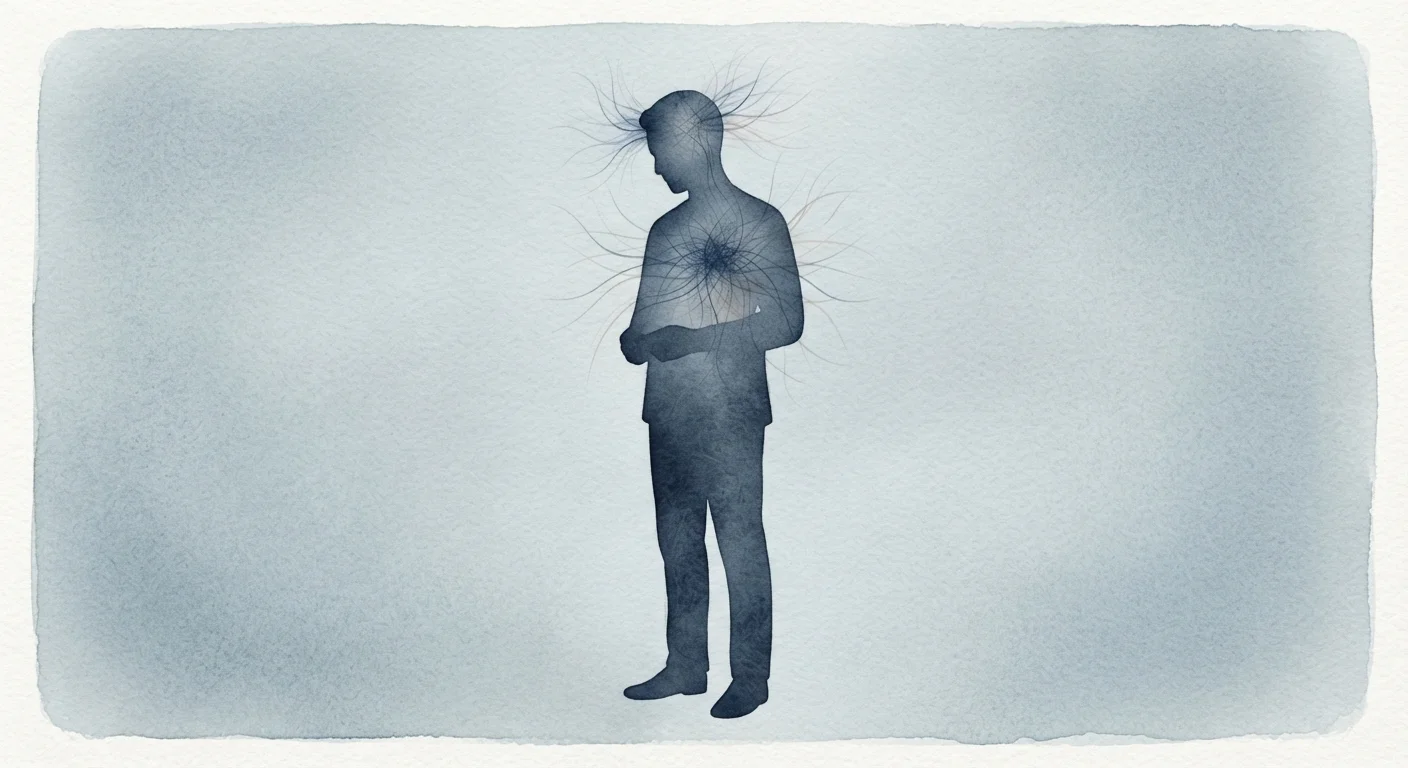
Chronic stress doesn't stay in the body — it shapes the mind too. Research links sustained stress to increased risk of anxiety disorders and depression, partly through the effect of cortisol on brain regions involved in mood and memory, including the hippocampus and prefrontal cortex.
People under long-term stress often notice changes in how they think: difficulty concentrating, a tendency to expect the worst, or emotional exhaustion that makes it hard to feel present. These are not character flaws — they reflect real neurobiological changes that prolonged stress produces.
Understanding how chronic stress affects mental health can help make sense of symptoms that might otherwise seem disconnected from stress entirely.
“The brain is the organ most sensitive to stress. Over time, chronic stress can alter the structure and function of neural circuits involved in cognition, emotion, and behavior — changes that are real, measurable, and in many cases reversible with appropriate intervention.”
— Bruce McEwen, Neuroendocrinologist and leading researcher in stress and brain health
This article is for informational purposes only and is not a substitute for professional medical or mental health advice. If you're concerned about your stress levels or related symptoms, please speak with a qualified healthcare provider.