
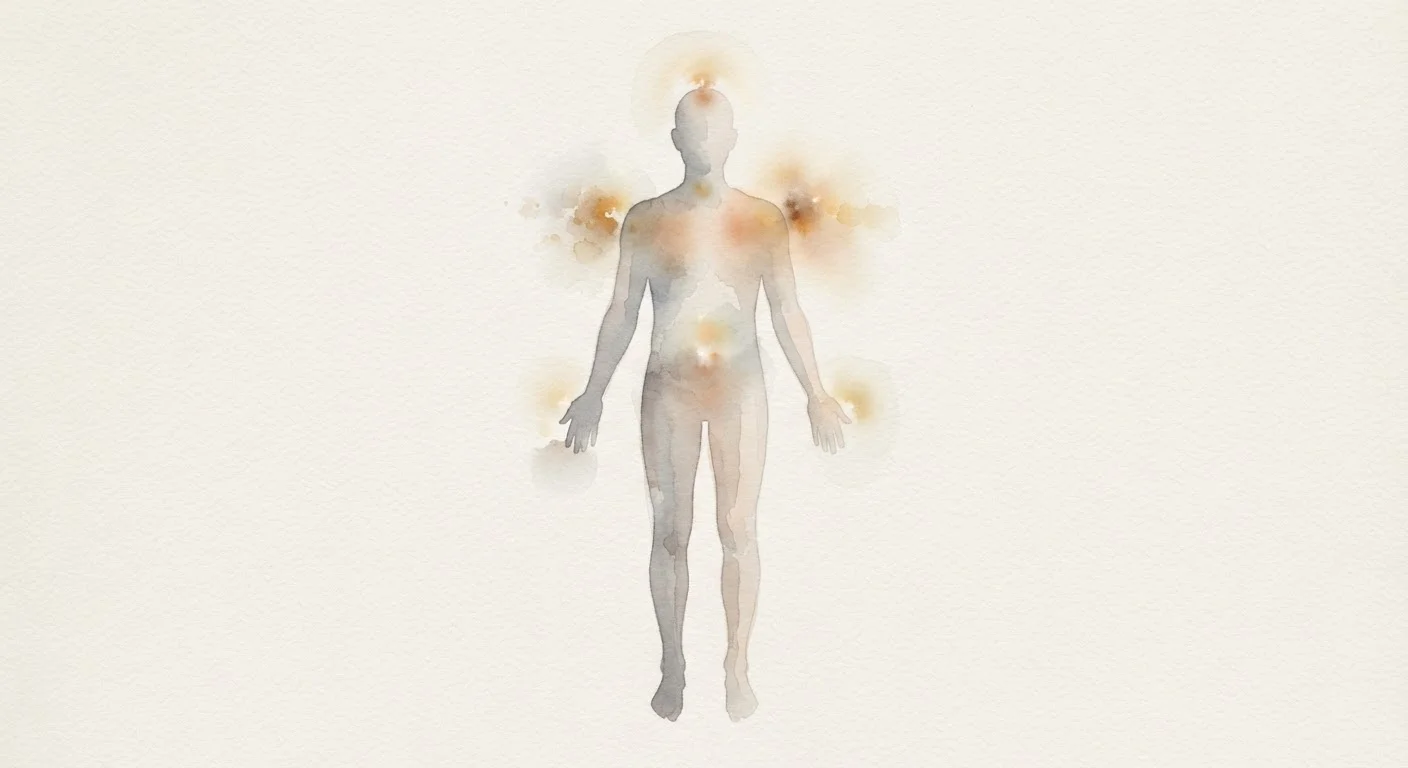
Why Stress Shows Up Everywhere
When the brain perceives a threat — whether it is a work deadline or an argument — it triggers a cascade of hormonal and nervous system changes designed to prepare the body to respond. Adrenaline and cortisol flood the bloodstream, heart rate climbs, muscles tighten, and digestion slows. This is the well-documented stress response, and it affects virtually every system in the body.
Most people recognize stress as a feeling, but it also produces real, measurable physical and behavioral changes. This reference page maps those changes head to toe so you can identify them in your own experience. For a deeper look at why these physical signals happen, see what your body is trying to tell you when you're stressed.
This article is for general informational purposes only and is not a substitute for professional medical advice, diagnosis, or treatment. If symptoms are severe or persistent, please consult a qualified healthcare professional.
| Body systems affected | Cardiovascular, digestive, musculoskeletal, immune, nervous, endocrine, and skin (American Psychological Association, Stress Effects on the Body) |
| Primary stress hormones | Cortisol and adrenaline (epinephrine) |
| Most commonly reported physical symptom | Headaches and muscle tension (APA Stress in America surveys) |
| Adults reporting stress-related sleep problems | Approximately 45% (APA Stress in America, multiple waves) |
| Symptom categories covered here | Physical, emotional, cognitive, and behavioral |
Physical Symptoms: Head to Stomach
Physical stress symptoms are among the most overlooked because people often attribute them to other causes. Knowing they can be stress-related helps you respond more effectively.
Stress response
The automatic physiological reaction triggered when the brain perceives a threat or demand. It involves the release of hormones like cortisol and adrenaline that prepare the body to act.
Cortisol
A hormone released by the adrenal glands during stress. It raises blood sugar, suppresses non-essential functions like digestion, and keeps the body in a state of alertness. Chronically elevated cortisol is linked to a range of health concerns.
Bruxism
The clinical term for teeth grinding or jaw clenching, which often intensifies during periods of stress. It can cause jaw soreness, headaches, and dental wear.
Gut-brain axis
The two-way communication network between the gastrointestinal tract and the brain. Emotional stress can directly alter gut motility and sensitivity, explaining why stress often produces digestive symptoms.
Catastrophizing
A cognitive pattern where a person assumes the worst possible outcome is likely. It is common under stress and can amplify feelings of anxiety and helplessness.
Head and Brain
- Tension headaches: A band-like pressure around the forehead or back of the skull, often caused by prolonged muscle tension in the neck and scalp.
- Difficulty concentrating: High cortisol can impair working memory and decision-making, making simple tasks feel harder than usual.
- Dizziness or lightheadedness: Rapid breathing associated with stress can temporarily alter blood oxygen levels.
Chest and Heart
- Rapid or pounding heartbeat (palpitations): Adrenaline increases heart rate to pump more blood to muscles.
- Shallow or rapid breathing: The body prepares to take in more oxygen, which can occasionally trigger feelings of breathlessness.
- Chest tightness: Muscle tension and shallow breathing can create a sensation of pressure. Note: chest pain should always be evaluated by a doctor to rule out cardiac causes.
Stomach and Digestion
- Nausea or "butterflies": Stress redirects blood flow away from digestion, which can cause unsettled feelings in the gut.
- Diarrhea or constipation: The gut-brain connection means emotional stress frequently disrupts bowel habits.
- Loss of appetite or stress eating: Cortisol can both suppress and stimulate appetite depending on the individual and the duration of stress.
Physical Symptoms: Muscles, Skin, and Sleep
Muscles and Joints
- Tight shoulders and neck: One of the most common physical stress signs; muscles brace in anticipation of physical action that often never comes.
- Jaw clenching or teeth grinding (bruxism): Many people do this unconsciously, especially during sleep.
- General muscle aches: Sustained tension without release can lead to soreness throughout the body.
Skin
- Breakouts or worsening acne: Cortisol stimulates oil production and can trigger inflammatory skin responses.
- Flushing or sweating: The nervous system activates sweat glands as part of the stress response.
- Hives or stress rashes: Some people develop itchy, blotchy skin during periods of acute stress.
Sleep
- Difficulty falling asleep: A racing mind keeps the nervous system in an alert state incompatible with sleep onset.
- Waking during the night: Elevated cortisol, particularly in chronic stress, can disrupt normal sleep architecture.
- Feeling unrefreshed in the morning: Poor sleep quality compounds daytime fatigue and can make stress harder to manage. See how lifestyle factors like sleep relate to stress for more context.
77%
Adults who experience physical stress symptoms
According to APA Stress in America survey data, a large majority of adults report physical symptoms they attribute to stress.
~45%
Adults reporting stress-related sleep disruption
APA Stress in America surveys consistently find that nearly half of adults say stress affects the quality of their sleep.
3–4x
Increased likelihood of reporting skin problems under stress
Research published in dermatology literature notes a strong association between psychological stress and worsening of inflammatory skin conditions.
Emotional, Cognitive, and Behavioral Signs
Stress does not stop at the skin. It also shapes how you think, feel, and act — and these signs can be just as disruptive as physical symptoms.
Emotional Signs
- Irritability or short temper: A heightened stress response lowers the threshold for frustration.
- Anxiety or sense of dread: Persistent activation of the threat-detection system can produce free-floating worry. For context on how stress-related anxiety differs from depression, see depression symptoms in plain language.
- Feeling overwhelmed: When demands outpace perceived coping resources, emotional flooding is a natural result.
- Low mood or tearfulness: Prolonged stress depletes the emotional reserves needed to regulate feelings.
Cognitive Signs
- Forgetfulness: Stress hormones interfere with memory consolidation in the hippocampus.
- Negative thinking or catastrophizing: The stressed brain tends to overweight threats and underweight solutions.
- Indecisiveness: Cognitive overload makes weighing options feel exhausting.
Behavioral Signs
- Withdrawing from others: Social withdrawal can be a coping attempt that often backfires over time.
- Changes in eating or drinking habits: Increased alcohol use, comfort eating, or skipping meals are common behavioral responses.
- Procrastinating or neglecting responsibilities: Avoidance temporarily reduces anxiety but usually increases overall stress load.
Understanding your personal stress triggers can help you connect these symptoms to their source. Explore common causes at stress triggers. For clear definitions of stress-related terms used here, visit the stress terminology glossary.