Why Lifestyle Habits Shape Your Stress Response
Stress is not only shaped by what happens to you — it is also shaped by the physical state your body is in when challenges arrive. Sleep quality, movement levels, what you eat, and how much caffeine you consume all influence the biological systems that determine how intensely you react to stressors and how quickly you recover.
The body's primary stress-response system — the HPA axis — does not operate in isolation. It is sensitive to inputs from daily behavior. Consistently poor sleep, for instance, can elevate baseline cortisol levels, making the stress system easier to trigger and slower to calm down. Understanding these connections helps explain why lifestyle habits are not just wellness recommendations — they are foundational to managing everyday stress. See common stress triggers to understand what you're equipping yourself to handle.
HPA Axis
The hypothalamic-pituitary-adrenal axis is a hormonal communication system that regulates the body's stress response. When activated, it triggers the release of cortisol, the primary stress hormone.
Cortisol
A hormone released by the adrenal glands in response to stress. Short-term cortisol release is normal and helpful, but chronically elevated levels are linked to sleep disruption, mood changes, and immune suppression.
Allostatic Load
The cumulative wear on the body and brain caused by repeated or chronic stress. High allostatic load is associated with a greater risk of physical and mental health problems over time.
Adenosine
A naturally occurring brain chemical that builds up during waking hours and promotes sleepiness. Caffeine works by temporarily blocking adenosine receptors, delaying the feeling of fatigue.
Parasympathetic Nervous System
The branch of the autonomic nervous system responsible for rest, digestion, and recovery. It acts as a counterbalance to the fight-or-flight stress response.
Eustress
Positive, manageable stress that can motivate performance and growth. Unlike distress, eustress is perceived as within the individual's ability to cope.
Sleep, Physical Activity, Diet, and Caffeine: What the Evidence Shows
Use this section as a quick reference for each major lifestyle factor.
| Recommended sleep duration (adults) | 7–9 hours per night (American Academy of Sleep Medicine and Sleep Research Society) |
| Physical activity guideline (moderate intensity) | 150 minutes per week (U.S. Department of Health and Human Services, Physical Activity Guidelines for Americans) |
| Caffeine half-life in the body | Approximately 5–6 hours (FDA general guidance on caffeine) |
| Dietary pattern linked to lower stress markers | Mediterranean-style diet (Multiple observational studies; association, not proven causation) |
| Cortisol naturally peaks | Within 30–45 minutes of waking (Established circadian biology research) |
| Exercise and mood benefit onset | As little as 10 minutes of moderate movement (American Psychological Association summary of exercise research) |
Sleep Duration and Quality
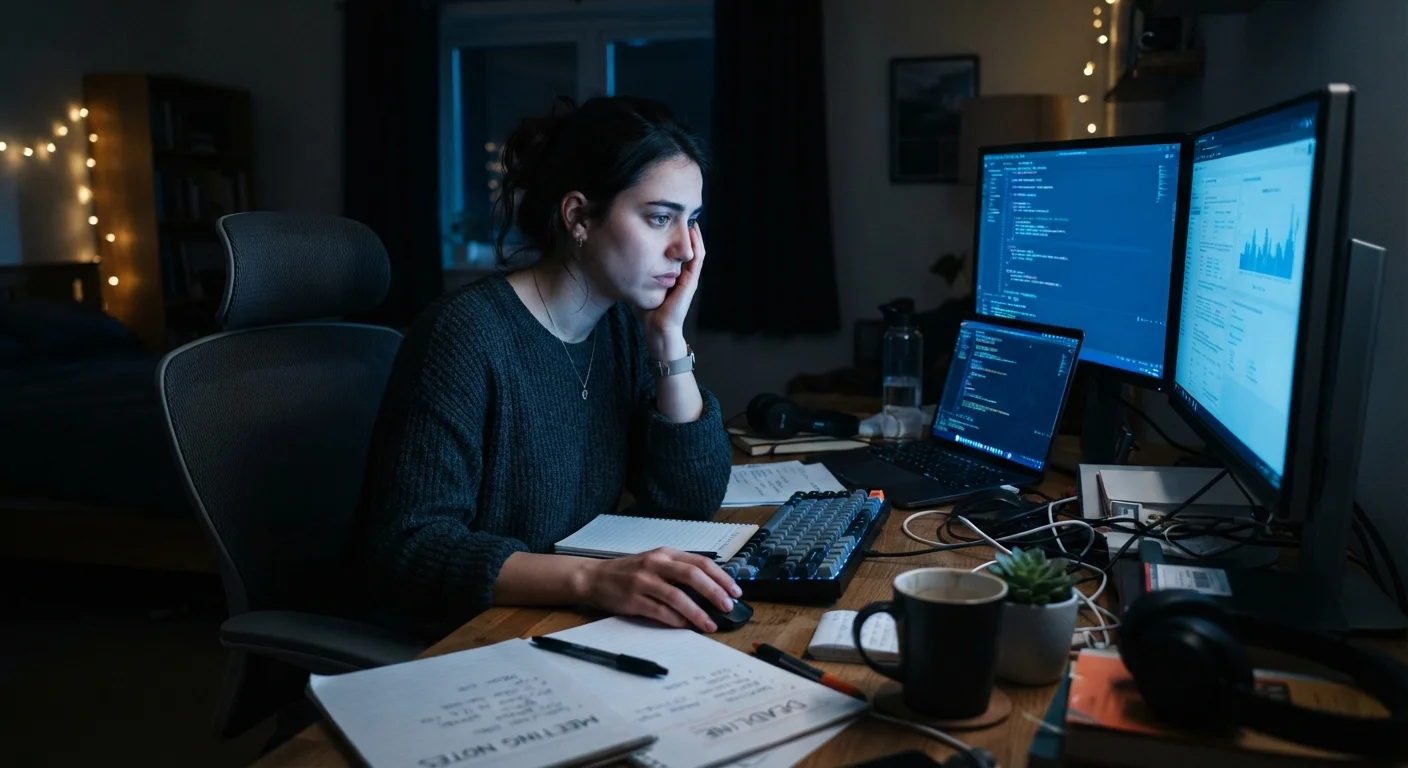
Adults who consistently sleep fewer than seven hours per night tend to show higher cortisol reactivity, reduced emotional regulation, and impaired concentration the following day — all of which amplify the subjective experience of stress. Even one night of partial sleep deprivation can affect mood and threat perception. Prioritizing a consistent sleep schedule helps regulate the cortisol awakening response, a natural morning hormone peak that primes the body for the day ahead. For a fuller picture of how sleep fits into stress management, see Movement, Breath, and Sleep.
Physical Activity
Regular moderate-intensity exercise supports stress resilience through several pathways: it reduces resting levels of stress hormones, activates the parasympathetic nervous system, and promotes neuroplasticity in areas of the brain involved in emotional regulation. Even brief bouts of movement — a 10-minute brisk walk — can shift mood measurably. The benefit accumulates over time rather than requiring any single intense session.
Dietary Patterns
No single food reliably prevents or eliminates stress. However, research suggests that diets rich in vegetables, whole grains, legumes, fish, and healthy fats — broadly consistent with a Mediterranean-style pattern — are associated with lower markers of inflammation and, in some observational studies, lower rates of anxiety and depression. Skipping meals, consuming high amounts of ultra-processed foods, and irregular eating schedules may each contribute to blood sugar fluctuations that make the stress response more reactive. For patterns to avoid, see daily habits that quietly raise stress.
Caffeine Intake
Caffeine is a stimulant that blocks adenosine — the chemical that signals sleepiness — and activates the sympathetic nervous system in ways that can mimic mild stress arousal (elevated heart rate, heightened alertness). For most healthy adults, moderate intake is unlikely to cause problems. However, consuming caffeine in the afternoon or evening can delay sleep onset and reduce sleep quality, which in turn raises stress vulnerability the next day. People who are already anxious or under significant stress may find that even moderate caffeine amplifies these feelings. Individual sensitivity varies considerably.
43%
Adults who report stress-related sleep disruption
According to the American Psychological Association's Stress in America surveys, nearly half of adults report that stress interferes with their sleep.
~30%
Reduction in anxiety symptoms with regular aerobic exercise
A meta-analysis in Anxiety, Stress, & Coping found regular aerobic exercise was associated with meaningful reductions in self-reported anxiety.
400 mg
Daily caffeine generally considered safe for healthy adults
The FDA indicates that up to 400 mg of caffeine per day is not generally associated with dangerous effects in healthy adults, though individual sensitivity varies.
This Is General Information, Not Medical Advice
The information in this article is intended for general educational purposes only. It does not constitute medical or psychological advice, and it is not a substitute for guidance from a qualified healthcare professional. If stress is significantly affecting your daily functioning or health, please consult a licensed clinician.
This article is for informational purposes only and is not a substitute for personalized medical or psychological advice. If stress is affecting your health or daily life, please speak with a qualified healthcare professional.
Putting It Together: Habits as a Stress Buffer
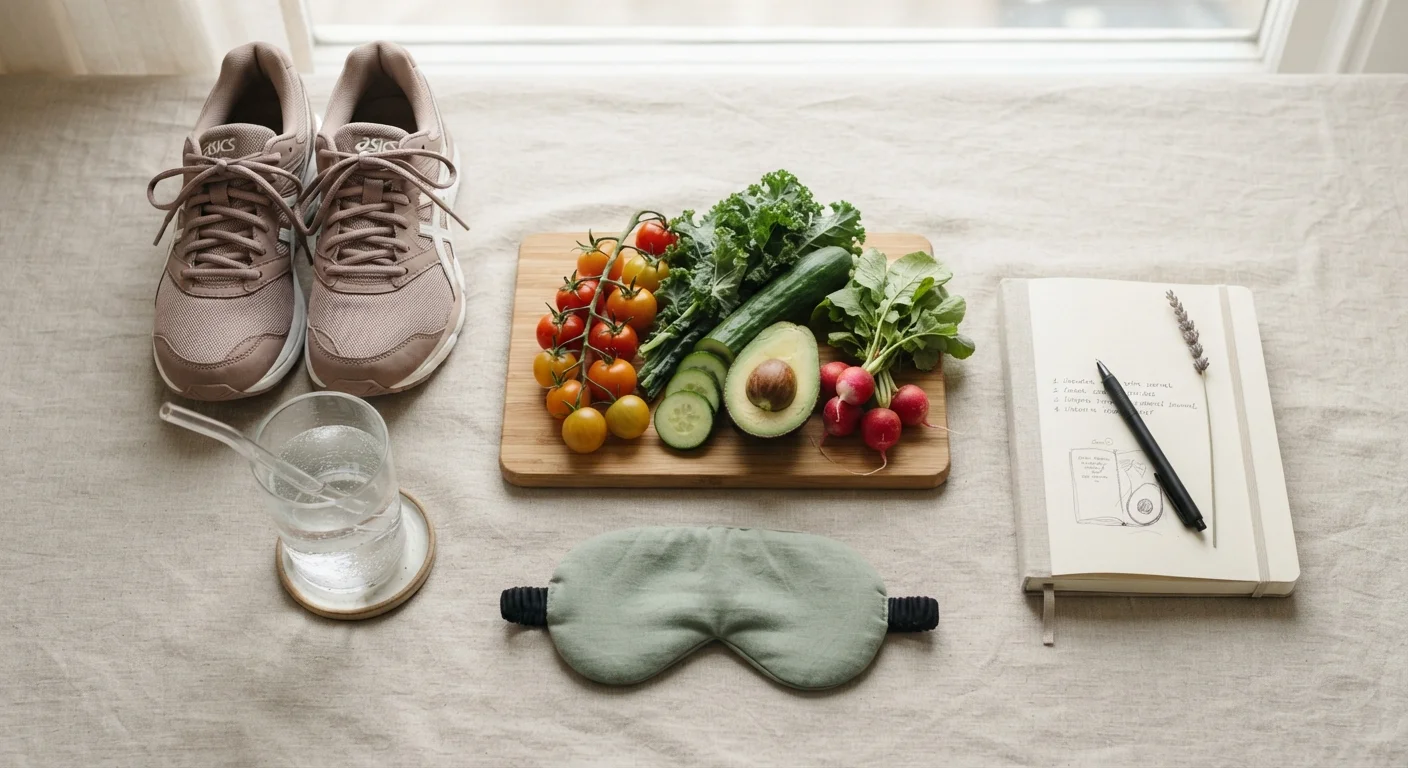
These four lifestyle factors interact with each other. Poor sleep makes you more likely to skip exercise; excess caffeine disrupts sleep; high stress can trigger impulsive eating. The good news is that improvements are also interconnected — modest, consistent gains in one area tend to support the others. You do not need to overhaul everything at once. Building a stress-resilient lifestyle walks through how to start small and build sustainably.
If you want to recognize what stress is already doing to your body, the Stress Symptoms From Head to Toe reference is a useful companion. And for a deeper look at how short-term stress differs from chronic patterns, the Chronic vs. Acute Stress hub provides clear context.