What Chronic Stress Does to the Nervous System
The human stress response — often called "fight or flight" — evolved to handle short, acute threats. When you perceive danger, the sympathetic nervous system triggers a rapid release of adrenaline and cortisol, sharpening focus and redirecting blood flow to muscles. Under normal conditions, the parasympathetic nervous system then steps in to return the body to a calm baseline.
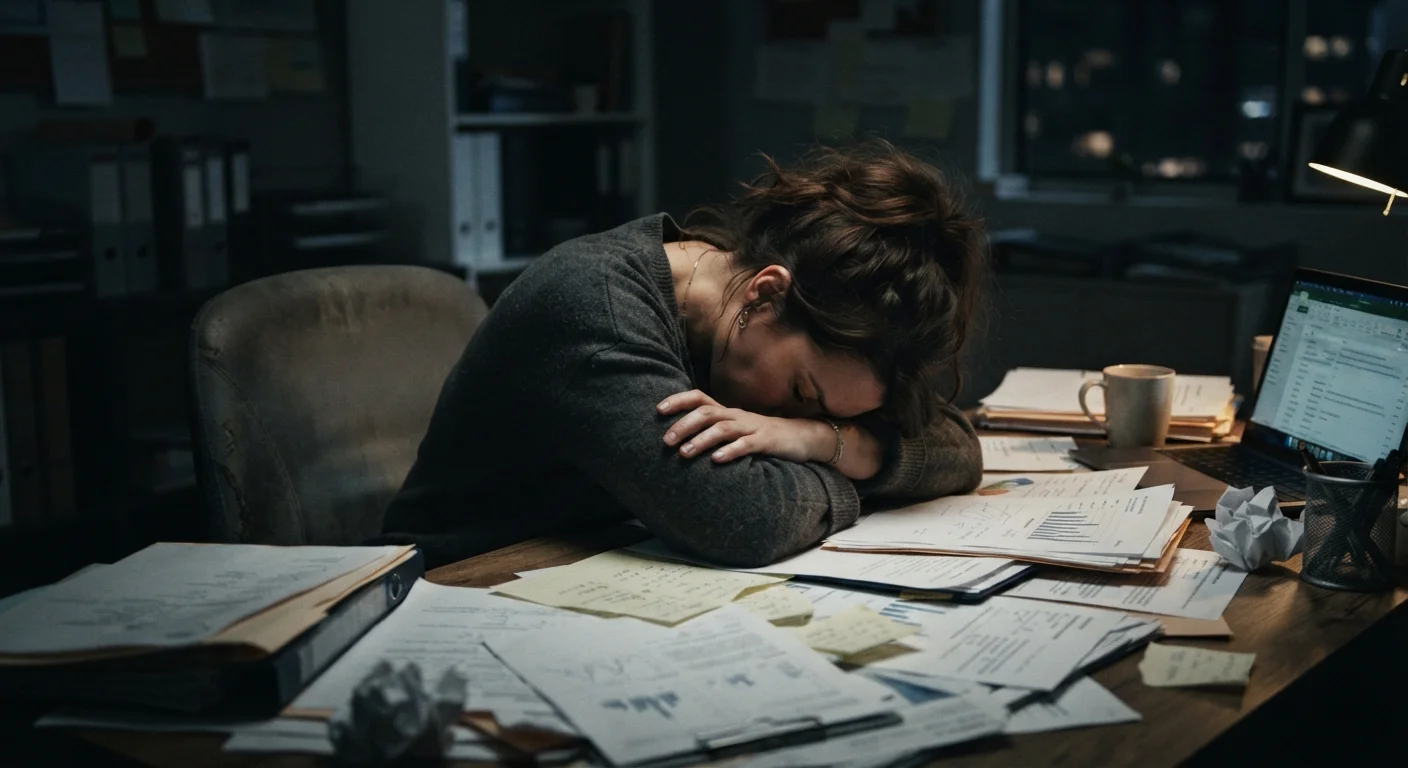
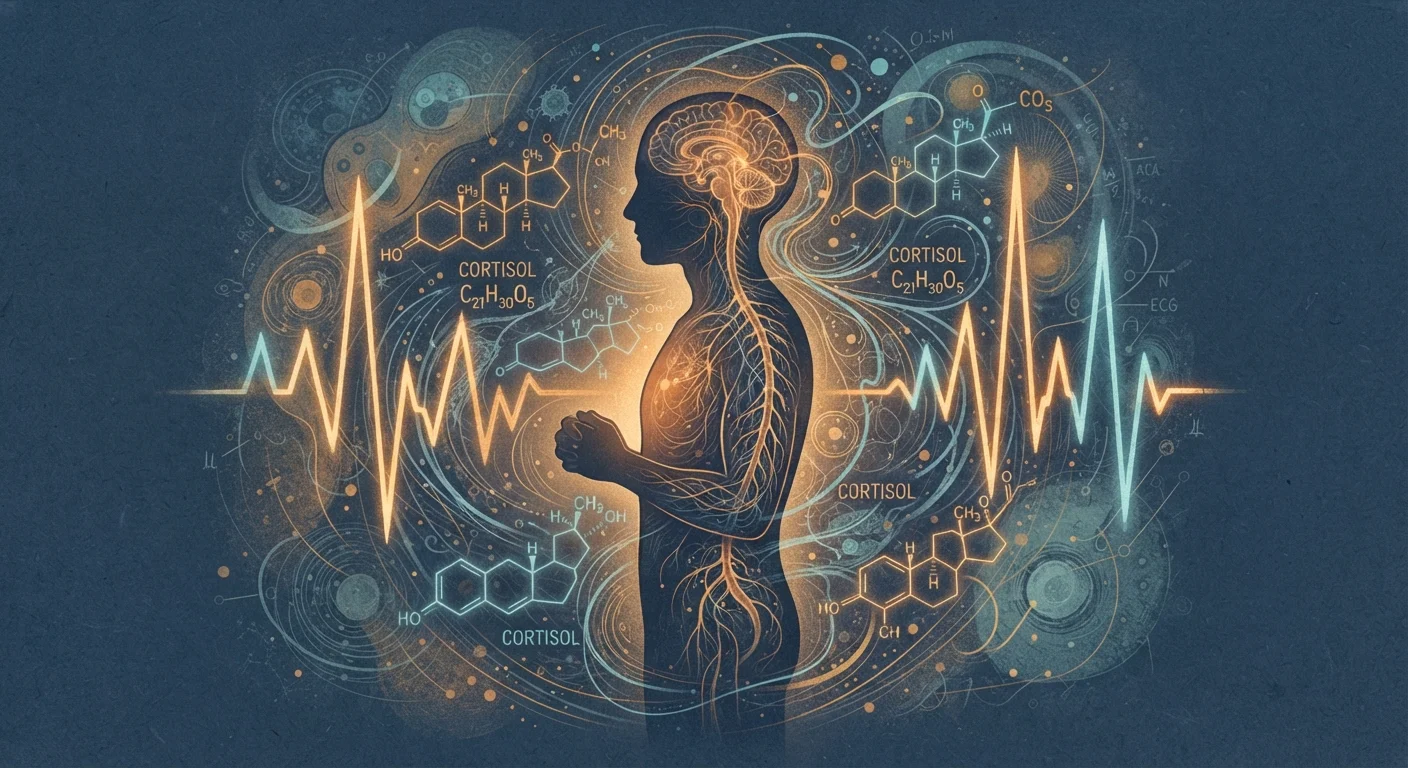
With chronic stress, this recovery phase is chronically delayed. The hypothalamic-pituitary-adrenal (HPA) axis — the hormonal command chain governing the stress response — stays in a state of low-grade activation. Cortisol, which is helpful in short bursts, becomes damaging when levels remain persistently elevated. It disrupts sleep architecture, impairs the hippocampus (a brain region central to memory), and blunts the prefrontal cortex's ability to regulate emotion and decision-making.
As chronic stress is not simply a longer version of a bad day, the physiological stakes are categorically different from a deadline-driven afternoon.
77%
Adults reporting physical symptoms of stress
The American Psychological Association's Stress in America surveys have repeatedly found that large majorities of U.S. adults report physical symptoms they attribute to stress.
2–3x
Increased cardiovascular risk with chronic stress
Research published in peer-reviewed cardiology literature suggests chronically stressed individuals face substantially elevated cardiovascular risk compared to low-stress peers.
8–10 weeks
Typical MBSR program duration showing cortisol benefits
Mindfulness-Based Stress Reduction programs of 8–10 weeks have shown statistically significant reductions in cortisol in multiple controlled trials.
The Body-Wide Cascade of Long-Term Stress
Chronic stress does not confine its effects to the brain. Research consistently shows measurable impacts across multiple body systems:
- Cardiovascular: Sustained cortisol and adrenaline raise heart rate and blood pressure, increasing the risk of arterial inflammation and long-term cardiovascular strain.
- Immune: Prolonged HPA-axis activation suppresses certain immune responses, making the body more vulnerable to infections while paradoxically promoting low-grade systemic inflammation.
- Digestive: The gut-brain axis is highly sensitive to stress hormones; disruption can worsen conditions such as irritable bowel syndrome and alter the gut microbiome.
- Endocrine: Cortisol interferes with insulin sensitivity and can contribute to weight changes, particularly increased abdominal fat storage.
For a detailed look at each system, the article how chronic stress affects physical health walks through the evidence system by system.
Chronic Stress Can Mimic Other Conditions
Many symptoms of chronic stress — fatigue, digestive problems, frequent illness, difficulty concentrating — overlap significantly with those of other medical conditions such as thyroid disorders, anemia, and mood disorders. This is one reason persistent symptoms always warrant professional evaluation rather than self-diagnosis. A healthcare provider can help rule out or identify concurrent conditions.
Science-Backed Habits That Interrupt the Stress Cycle
Because chronic stress is a sustained biological state rather than a single event, relief requires consistent behavioral changes — not one-time interventions. The following habits have the strongest research support:
Regular Aerobic Exercise
Exercise activates the same HPA axis that stress does, but in a controlled, recoverable way. Over time, this appears to train the system to regulate cortisol more efficiently. Even moderate-intensity activity — such as brisk walking for 30 minutes most days — shows meaningful effects on self-reported stress and physiological markers.
Consistent Sleep
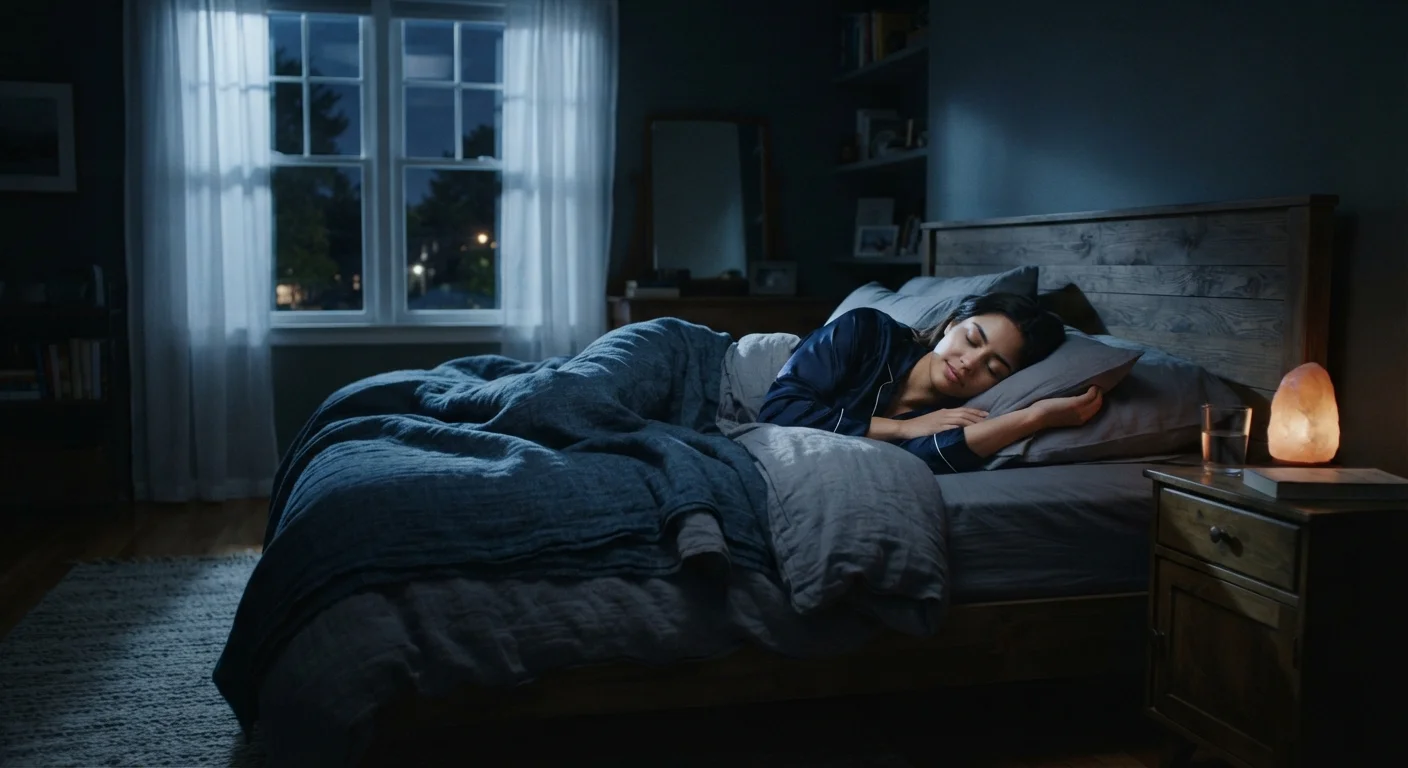
Sleep is when the brain clears stress-related metabolic byproducts and consolidates emotional memory. Chronic stress and poor sleep form a reinforcing cycle: stress disrupts sleep, and poor sleep elevates cortisol. Understanding the sleep-stress connection is essential for breaking this loop.
Mindfulness-Based Practices
Mindfulness-based stress reduction (MBSR), developed in clinical settings, has demonstrated reductions in cortisol and self-reported anxiety across multiple randomized trials. Even brief, daily practice — 10–15 minutes of focused breathing or body scan — can shift the nervous system toward parasympathetic dominance.
Social Connection
Strong social ties are among the most robust predictors of stress resilience. Meaningful interaction promotes oxytocin release, which directly counters cortisol's effects. This does not require large social networks — quality matters more than quantity.
Start With One Habit, Not Five
Research on behavior change consistently shows that stacking too many new habits at once leads to abandonment. If you are new to stress-reduction practices, choose one — a short daily walk, a consistent bedtime, or five minutes of focused breathing — and practice it reliably for several weeks before adding another. Small, sustained changes compound meaningfully over time.
This article is for general informational purposes only and does not constitute medical advice. If you are experiencing persistent or severe symptoms, please consult a qualified healthcare professional.
Why Lasting Relief Takes Time — and That's Normal
One of the most important things to understand about chronic stress is that its effects accumulate gradually — and so does recovery. The HPA axis does not reset overnight. Lifestyle changes typically show measurable physiological benefits over weeks to months of consistent practice, not days.
This is also why chronic and acute stress symptoms stack up so differently — the body adapts to chronic stress in ways that can mask how serious the burden has become.
If symptoms — physical or psychological — are persistent or worsening, professional evaluation is important. A primary care physician or licensed mental health professional can help distinguish chronic stress from related conditions and guide appropriate support. Self-help strategies work best as complements to, not replacements for, professional care when it is needed.