Why the Type of Stress Matters
When people say they're "stressed," that single word covers a wide range of experiences — from the pre-presentation nerves that sharpen your focus, to the relentless pressure of ongoing financial strain that never quite lifts. Treating these as the same thing leads to confusion about what stress actually does to the body, and what — if anything — needs to change.
Research in psychophysiology consistently distinguishes between acute stress (short-lived and situational) and chronic stress (persistent and cumulative). Understanding that difference matters practically, not just academically. For a deeper look at how these two states operate in the body, see our overview of acute vs. chronic stress.
Below, we address six of the most widespread myths about stress — and replace each one with what the evidence actually shows.
Myth
All stress is bad for you and should be eliminated whenever possible.
Fact
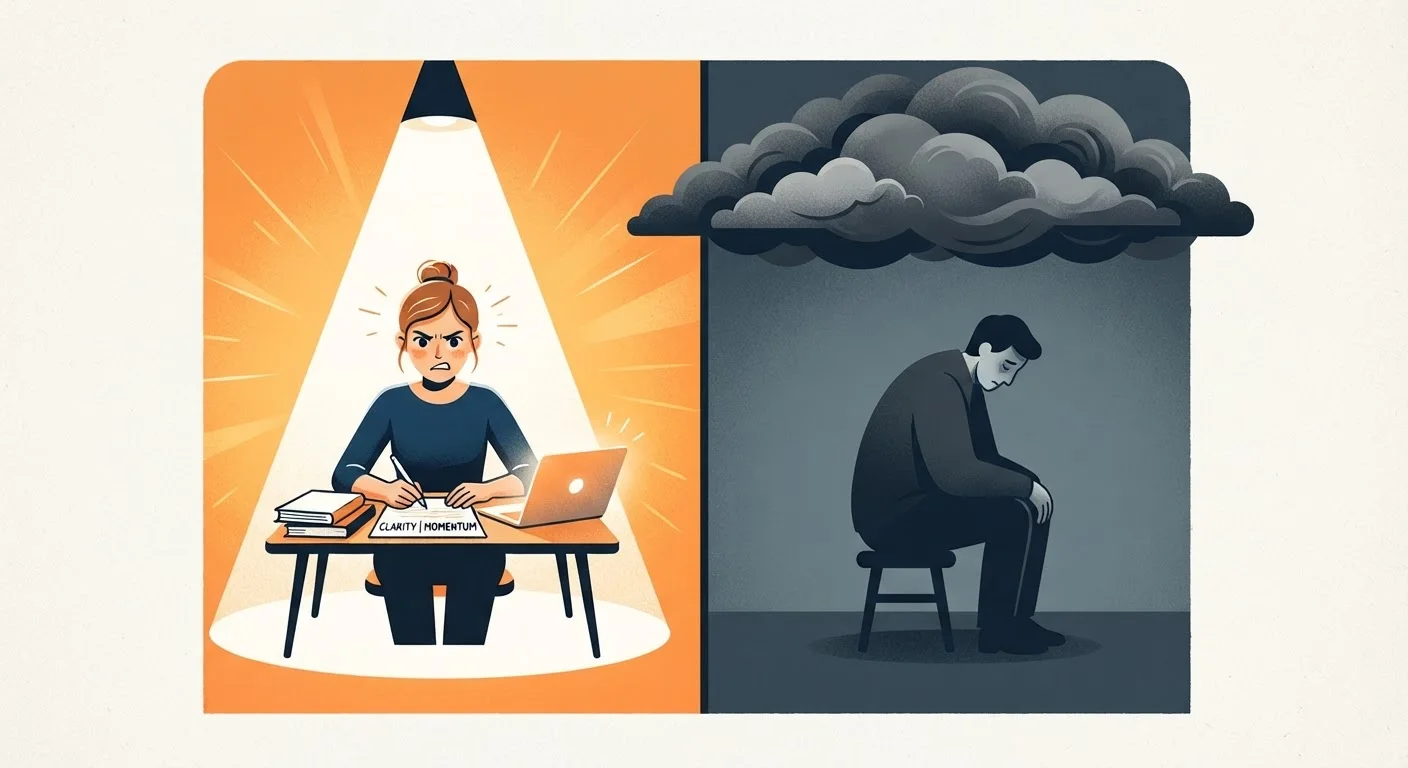
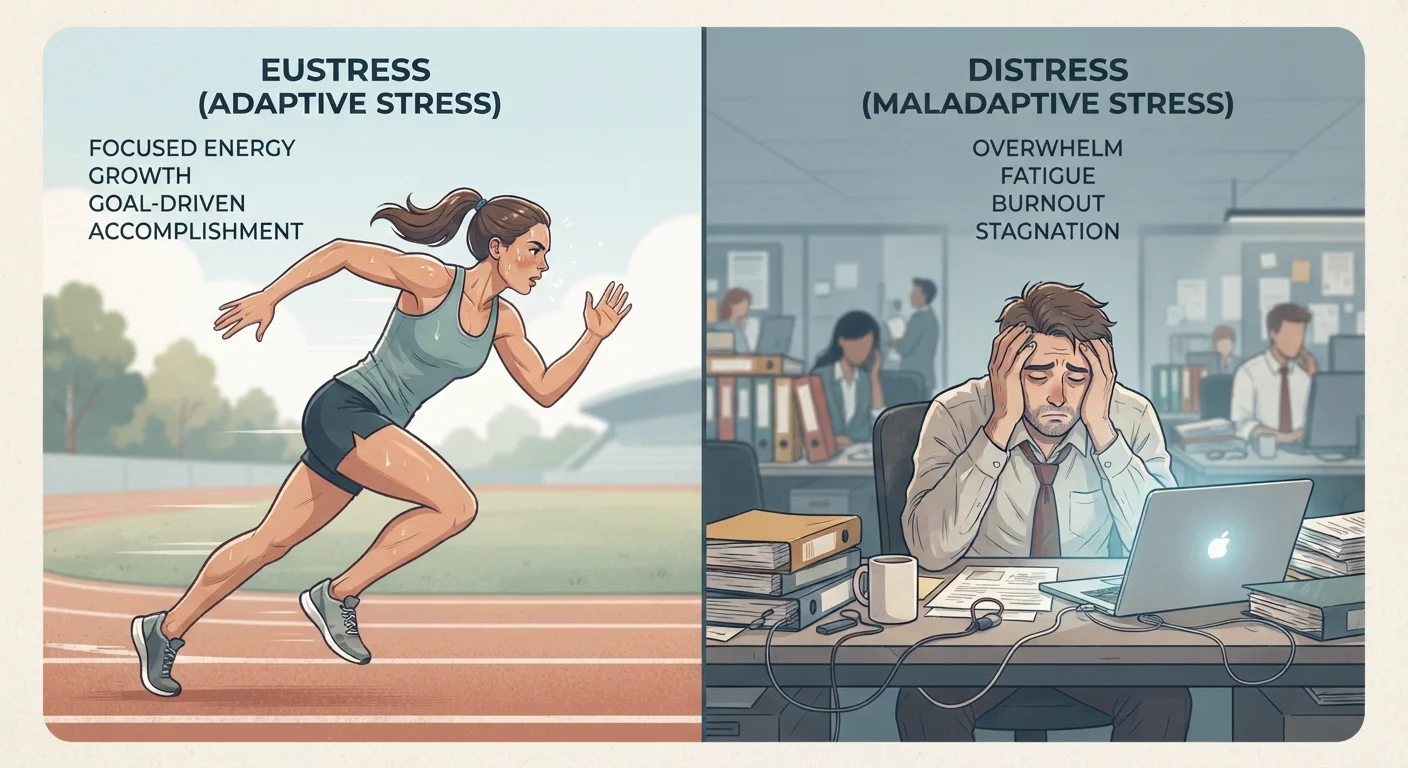
Short-term stress is a normal, adaptive response that can improve performance and motivation.
Psychologists use the term eustress to describe positive, manageable stress — the kind that helps you meet a deadline, perform well in a competition, or stay alert in a demanding situation. Research by psychologist Richard Lazarus and others established decades ago that stress becomes harmful primarily when it is appraised as uncontrollable and persists without resolution. Trying to eliminate all stress is not only unrealistic but may actually reduce the productive pressure that helps people grow and adapt.
Myth
If you don't feel overwhelmed, you aren't really experiencing stress.
Fact
Stress operates on a physiological level that doesn't always match how you feel emotionally.
The body's stress response — elevated heart rate, cortisol release, heightened alertness — can be active even when someone reports feeling calm or in control. This is particularly relevant for chronic, low-grade stress, which may produce few obvious emotional signals while still contributing to fatigue, disrupted sleep, or weakened immune response over time. Many people are surprised to learn that stress symptoms are often physical first. Our article on stress myths that make it harder to recognize what you're feeling explores this further.
Myth
Chronic stress and acute stress are basically the same thing — just different amounts.
Fact
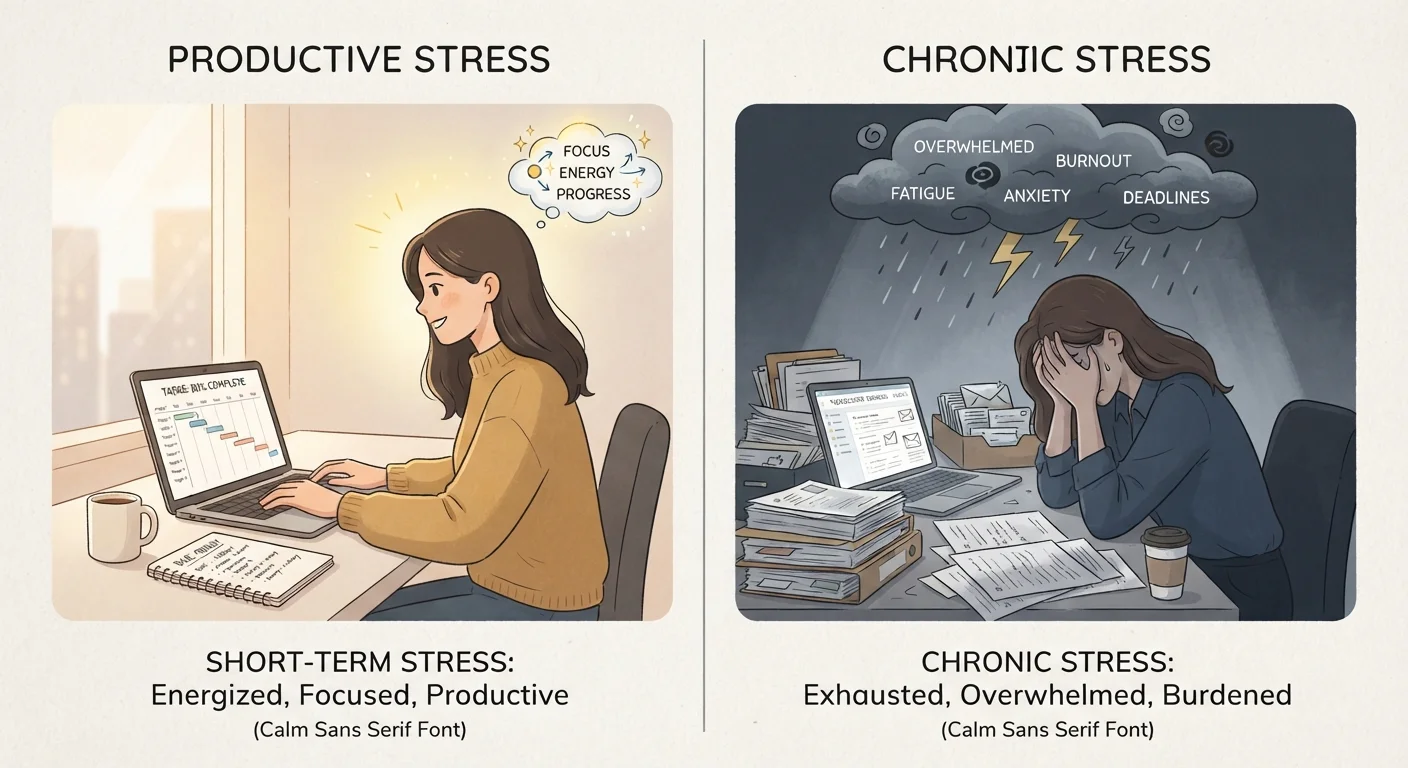
Chronic and acute stress differ in duration, hormonal profile, and health impact — they are qualitatively different states, not just quantitative ones.
Acute stress is typically self-limiting: the body responds, then recovers. Chronic stress, by contrast, involves prolonged HPA axis activation with insufficient recovery periods. Over time, this sustained state is linked to structural changes in brain regions involved in memory and emotion regulation, according to neuroscience research. The distinction matters because interventions that work well for acute stress — short-term coping techniques, for instance — may not be sufficient for chronic stress, which often requires more comprehensive lifestyle and behavioral change.
Myth
Stress is purely a mental or emotional problem — it doesn't affect the body.
Fact
Stress produces measurable, well-documented physical changes throughout the body.
The stress response involves the nervous system, endocrine system, immune system, and cardiovascular system simultaneously. Prolonged stress is associated in the research literature with elevated blood pressure, increased inflammatory markers, digestive disruption, and changes in immune function. Describing stress as "just in your head" can discourage people from taking physical symptoms seriously or seeking appropriate support. For a broader look at common beliefs that distort how stress is understood, see our article on misconceptions about stress that make it harder to address.
Myth
Once a stressful situation ends, your body automatically returns to normal right away.
Fact
Recovery from stress takes time, and after chronic stress, that recovery process may need deliberate support.
While the acute stress response does resolve relatively quickly once a threat passes, chronic stress can alter the baseline sensitivity of the stress response system itself. The HPA axis may remain dysregulated, meaning the body is more reactive to subsequent stressors even after a specific situation resolves. Evidence suggests that consistent sleep, social support, and stress-reduction practices — rather than simply waiting — are involved in restoring healthy stress regulation. Our article on why stress won't just go away on its own addresses this in more detail.
Myth
Only major life events cause harmful stress — everyday pressures don't really add up.
Fact
Research suggests that the accumulation of smaller, daily stressors can be as physiologically significant as major life events.
Studies examining daily stress — often called "daily hassles" in the research literature — have found that the frequency and persistence of minor stressors can predict health outcomes independently of major life events. Commuting, workplace friction, financial uncertainty, and disrupted routines all activate the stress response. When these stack without adequate recovery, they contribute to allostatic load in the same way that acute major stressors do. Recognizing this can shift attention toward managing the texture of daily life, not just crisis moments. See our hub on common stress triggers for a broader picture.
What Chronic Stress Actually Does — and Why It's Uniquely Harmful
Acute stress activates the hypothalamic-pituitary-adrenal (HPA) axis — a chain of hormonal signals that releases cortisol and adrenaline, prepares muscles, sharpens attention, and then, crucially, winds down once the perceived threat passes. The body recovers. That recovery is the key feature.
Chronic stress keeps that system partially activated. Sustained elevated cortisol is associated with suppressed immune function, disrupted sleep architecture, increased inflammation, and changes in memory-related brain structures, according to research published in neuroscience and endocrinology literature. Over time, the body accumulates what researchers call allostatic load — the wear-and-tear cost of prolonged adaptation. For a plain-language breakdown of terms like this, our stress terminology glossary can help.
Chronic Stress Symptoms Can Be Easy to Normalize
Because chronic stress builds gradually, many people adapt to its presence and stop noticing symptoms like persistent fatigue, difficulty concentrating, or frequent illness. Normalizing these signs can delay seeking help. If you've felt consistently overwhelmed for several weeks or longer, speaking with a healthcare professional is a reasonable and worthwhile step.
The critical insight is this: it is not stress per se that causes harm, but the absence of recovery. When the stress response has no off-ramp, the cumulative physiological cost builds. That's why interventions targeting chronic stress focus heavily on recovery — sleep, social connection, and structured relaxation — rather than simply trying to eliminate stressors entirely. Explore when stress tips from useful to damaging in our article on situations where stress is useful and where it becomes a problem.
Chronic Stress Warrants Professional Attention
If stress has been persistent, severe, or is interfering with sleep, relationships, or daily functioning, self-help strategies alone may not be sufficient. A licensed mental health professional or your primary care provider can help assess what level of support is appropriate for your situation. This article provides general educational information — it is not a substitute for individualized clinical advice.
This article is for general informational purposes only and is not a substitute for professional medical or mental health advice. If you are concerned about your stress levels or their impact on your health, please speak with a qualified healthcare provider.