Two Stress Responses, Two Very Different Stories
Stress is a biological fact of life, built into the human nervous system for good reason. But not all stress follows the same script. Acute stress and chronic stress both activate what's commonly called the "fight-or-flight" response — a cascade of hormones, including adrenaline and cortisol, that prime the body for action. The critical difference lies in how long that state persists and what it does to the body over time.
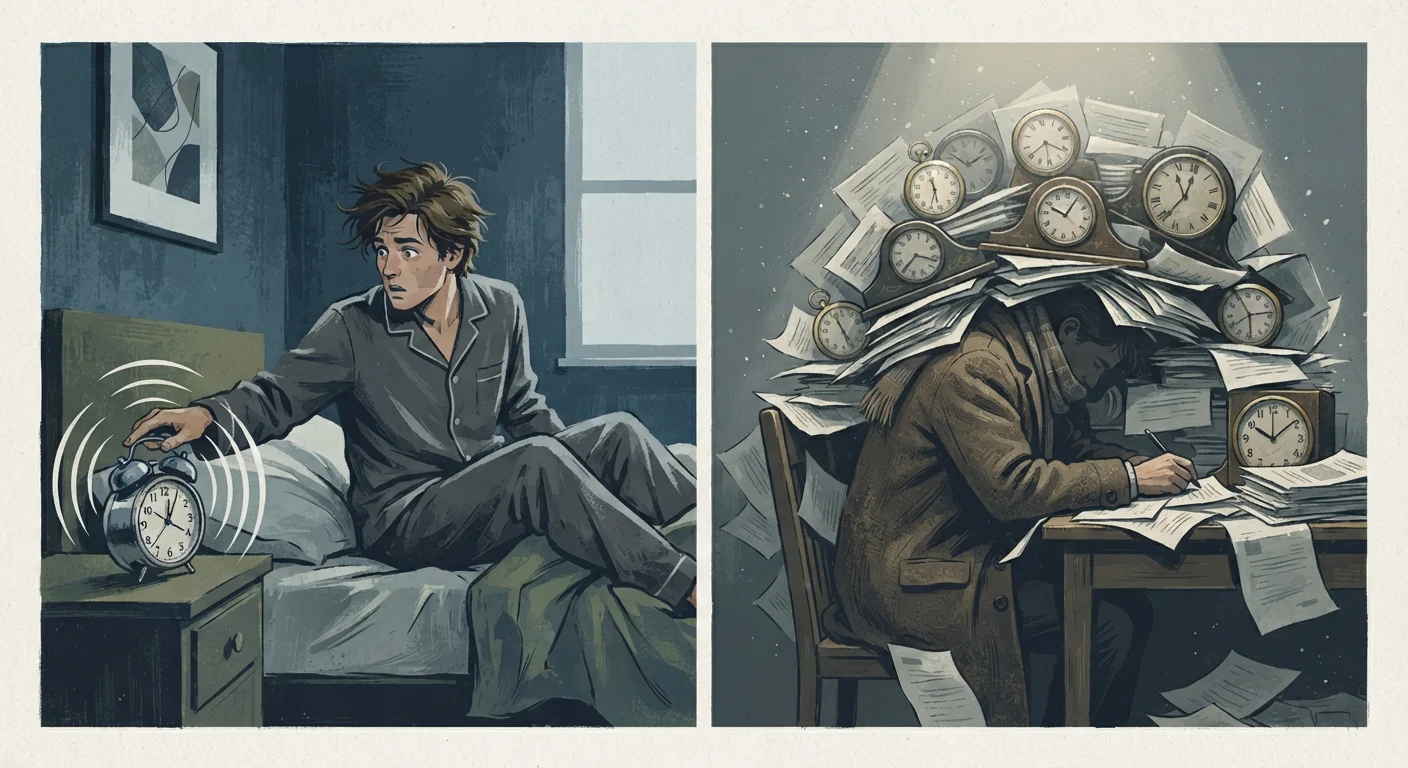
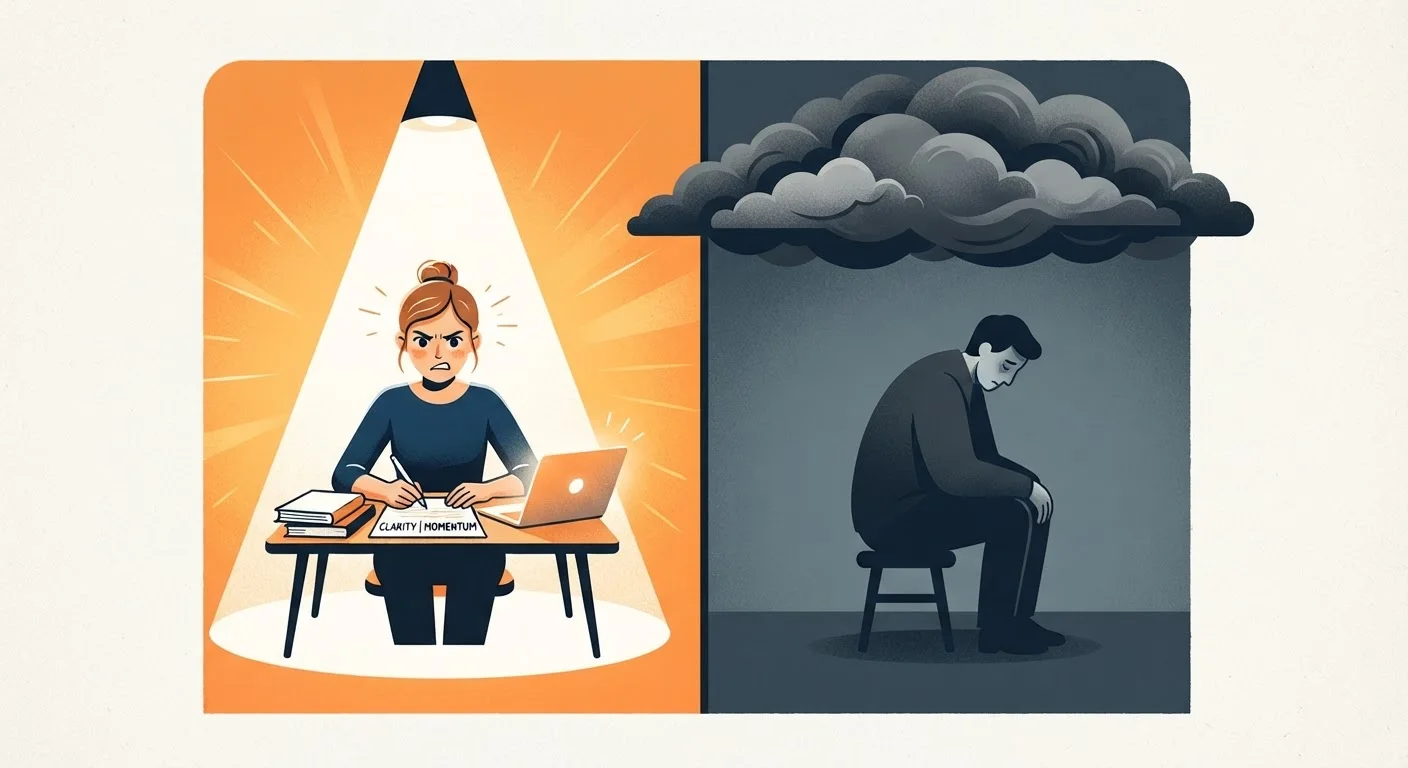
Acute stress is the version most people picture: a near-miss on the highway, a job interview, an unexpected confrontation. The response is intense but brief. Once the triggering event passes, the nervous system returns to its resting state, cortisol levels fall, and the body recovers. Researchers sometimes describe this short activation as adaptive — it can sharpen focus and temporarily improve performance.
Chronic stress operates differently. It emerges when stressors are persistent, unrelenting, or feel inescapable — financial pressure, a difficult relationship, prolonged caregiving, or ongoing workplace demands. The body's stress systems remain partially activated for days, weeks, or months. That sustained activation is where the real harm accumulates. To explore how the source of stress shapes these responses, see how the source of pressure changes everything.
What Happens Inside the Body
Understanding the biology helps clarify why duration matters so much.
During acute stress, the hypothalamic-pituitary-adrenal (HPA) axis — the body's central stress-regulation system — sends a signal that releases cortisol into the bloodstream. Cortisol raises blood sugar for quick energy, temporarily suppresses non-urgent functions like digestion and immunity, and heightens alertness. When the threat resolves, a negative feedback loop tells the HPA axis to stand down. The whole cycle, when functioning normally, is self-correcting.
With chronic stress, that feedback loop is repeatedly overridden. Cortisol levels stay elevated or fluctuate erratically. Over time, research suggests this sustained exposure is associated with changes in immune function, disrupted sleep architecture, elevated blood pressure, and alterations in brain regions involved in memory and emotional regulation. The hippocampus — a brain structure important for learning and memory — appears particularly sensitive to prolonged cortisol exposure according to neuroscience research.
| Criterion | Acute Stress | Chronic Stress |
|---|---|---|
| Duration | Minutes to hours | Weeks to months or longer |
| Trigger | Specific, identifiable event | Ongoing or unresolved pressures |
| Cortisol pattern | Spikes then returns to baseline | Remains elevated or erratic |
| Recovery | Natural and relatively quick | Requires active intervention |
| Health impact | Minimal if resolved promptly | Linked to cardiovascular, immune, and mental health changes |
| Recognizability | Usually obvious to the person | Often normalized and overlooked |
This is why chronic stress is categorically different, not simply a longer version of the acute experience. For a fuller picture of these physical effects, see what chronic stress actually does to your body over time.
Why Chronic Stress Is Harder to Recognize
One of the most important — and underappreciated — differences between the two types is how visible they are to the person experiencing them.
Acute stress announces itself. Your heart pounds, your palms sweat, your thoughts narrow to the immediate problem. The signal is hard to miss, and so is its resolution.
Chronic stress tends to fade into the background. When low-grade tension persists long enough, people often normalize it. They stop noticing the constant muscle tightness, the difficulty sleeping, the short temper, or the sense of dread that greets each morning. It becomes the water they swim in rather than a wave they can identify and respond to. This gradual normalization is partly why chronic stress can go unaddressed for long periods.
When Stress Becomes Worth Discussing With a Professional
If you find that stress feels constant, is disrupting your sleep, relationships, or ability to function, or is accompanied by symptoms like persistent anxiety, low mood, or physical complaints, it's worth speaking with a healthcare provider. Chronic stress is a genuine health concern — not just a personal failing — and there are evidence-based approaches that can help. You don't need to reach a crisis point before asking for support.
Recognizing the pattern is a meaningful first step. If stress feels less like a reaction to a specific event and more like a permanent condition, that shift in framing — from acute to chronic — matters both for self-understanding and for seeking appropriate support. See how acute and chronic stress symptoms stack up to help identify what you may be experiencing.
This article is for general informational purposes only and is not a substitute for professional medical or mental health advice. If you are concerned about your stress levels or their impact on your health, please consult a qualified healthcare professional.