How Each Approach Targets Stress
Stress affects both mind and body, and different movement practices address it through distinct physiological pathways. Understanding those pathways helps you choose a habit that fits how your stress actually feels.
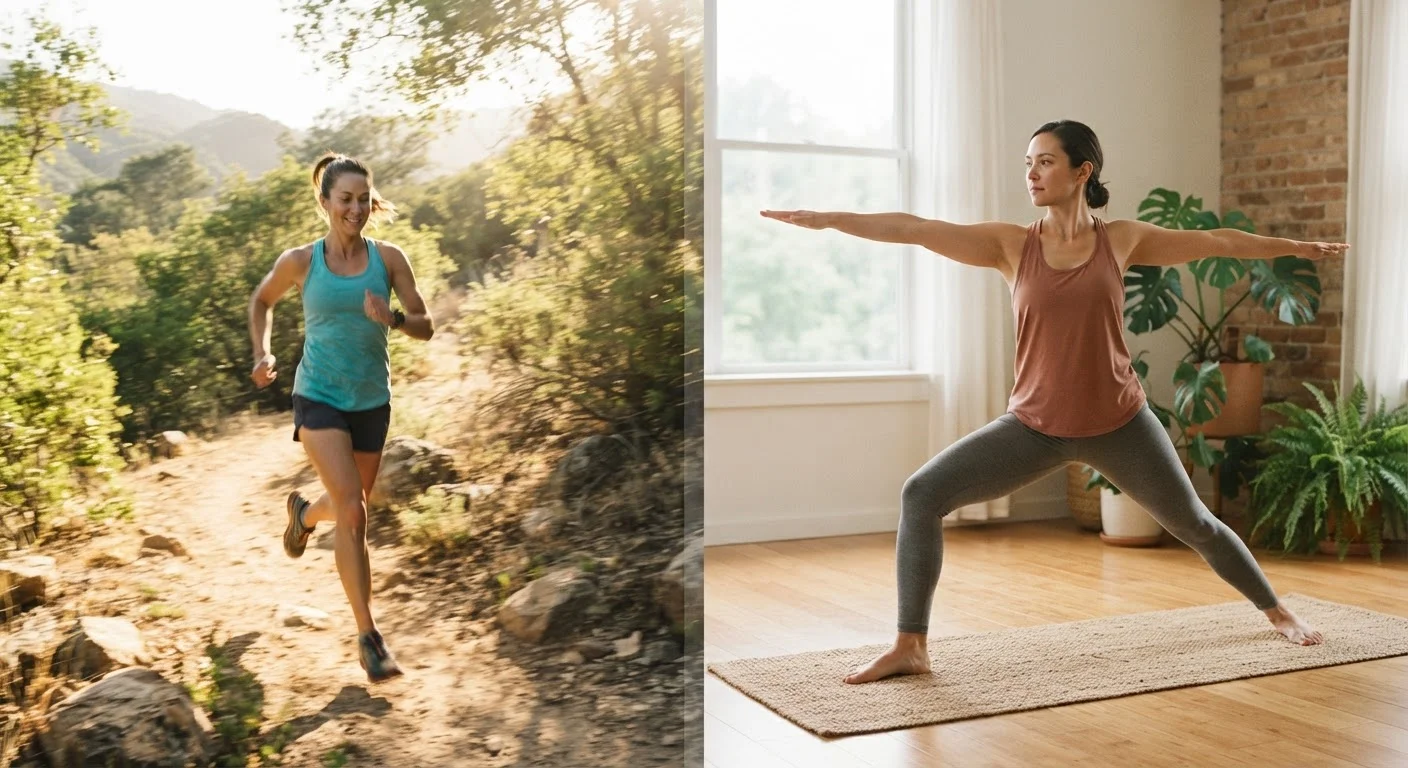
Cardio exercise — think brisk walking, running, cycling, or swimming — elevates your heart rate and sustains it. This process prompts the body to metabolize stress hormones like cortisol and adrenaline more efficiently. It also triggers the release of endorphins, natural compounds associated with improved mood. Research published in journals such as Psychosomatic Medicine supports the role of aerobic activity in reducing anxiety sensitivity over time. For a broader look at how different exercise types influence the stress response, see exercise as a stress tool.
Mindful movement — including yoga, tai chi, and qigong — works differently. These practices pair deliberate physical movement with breath awareness and present-moment attention. That combination activates the parasympathetic nervous system (the body's "rest and digest" mode), effectively dialing down the fight-or-flight response. To understand more about how these mechanisms interact with the body's stress systems, the science behind mindfulness and the stress response offers useful context.
| Criterion | Cardio Exercise | Mindful Movement |
|---|---|---|
| Primary stress mechanism | Metabolizes cortisol; releases endorphins | Activates parasympathetic nervous system |
| Best stress moment | Acute, physical tension or restlessness | Anxiety, overwhelm, mental scatter |
| Intensity level | Moderate to high | Low to moderate |
| Typical session length | 20–45 minutes | 15–60 minutes |
| Accessibility | Requires basic fitness baseline | Adaptable to most fitness levels |
| Body awareness training | Incidental | Central to the practice |
| Evidence base | Extensive, long-standing research | Growing, some smaller-scale studies |
What the Research Suggests
Both approaches have meaningful evidence behind them, though the studies differ in focus and methodology.
Aerobic exercise has decades of research linking it to reduced symptoms of anxiety and depression. A widely cited meta-analysis in the Archives of Internal Medicine found that regular exercise produced mood benefits comparable in some populations to those seen with certain standard treatments — though it is important to note that exercise is not a substitute for professional mental health care.
Mindful movement research has grown substantially. Studies on yoga, for example, suggest reductions in self-reported stress and measurable decreases in cortisol following regular practice. Tai chi research shows similar benefits, particularly for older adults managing chronic stress. That said, many mindfulness movement studies are smaller in scale, and researchers continue to refine our understanding of which populations benefit most and why.
~48%
Reduction in anxiety symptoms with regular aerobic exercise
A meta-analysis across multiple randomized controlled trials found aerobic exercise associated with meaningful reductions in anxiety, as summarized in research reviews from the American Psychological Association.
12 weeks
Typical duration before consistent stress-relief benefits emerge
Research on both yoga and aerobic training generally observes measurable psychological benefits after sustained practice of approximately 8–12 weeks.
~27%
Lower cortisol levels after regular yoga practice
Several controlled trials have reported statistically significant cortisol reductions in participants who practiced yoga regularly compared to control groups.
If you are weighing mindful movement against other mindfulness-based approaches, mindfulness vs. relaxation techniques explores how these paths compare. And for those curious whether cardio compares favorably to strength training for anxiety, aerobic exercise vs. strength training for anxiety relief is worth exploring.
Choosing What Works for You — and When to Combine Both
The most practical question isn't which approach is objectively better — it's which fits your stress pattern, schedule, and body on a given day or week.
Many people find that cardio excels at acute stress relief: a run or bike ride after a difficult day can feel like releasing pressure from an overinflated balloon. Mindful movement tends to build a quieter, more sustained resilience — helping you respond more calmly to stress before it peaks. For complementary breath-focused tools that pair well with mindful movement, breathing exercises vs. body scan meditation offers a practical comparison.
A blended weekly routine — perhaps three cardio sessions and two mindful movement sessions — may offer the widest benefits: physical resilience, hormonal regulation, and nervous system recovery. If you're building stress-relief habits from scratch, stress relief habits provides a broader framework for making movement a consistent part of daily life.
A Note on Combining Both Approaches
There's no rule that says you must choose one and stick with it. Many stress researchers suggest that movement variety — mixing higher-intensity cardio with slower, body-aware practices — may support both physical and emotional resilience more fully than either alone. Listen to what your body needs on a given day and build flexibility into your routine. If you're unsure where to start, a conversation with your healthcare provider or a certified fitness professional can help you design an approach suited to your health and goals.
This article is for general informational purposes only and does not constitute medical or mental health advice. If stress is significantly affecting your daily functioning, please consult a qualified healthcare or mental health professional.