
What Each Technique Actually Does
Both body scan and progressive muscle relaxation (PMR) direct your attention to the body — but their methods and goals are meaningfully different. Understanding those differences helps you choose the approach that fits your situation, or decide how to combine them.
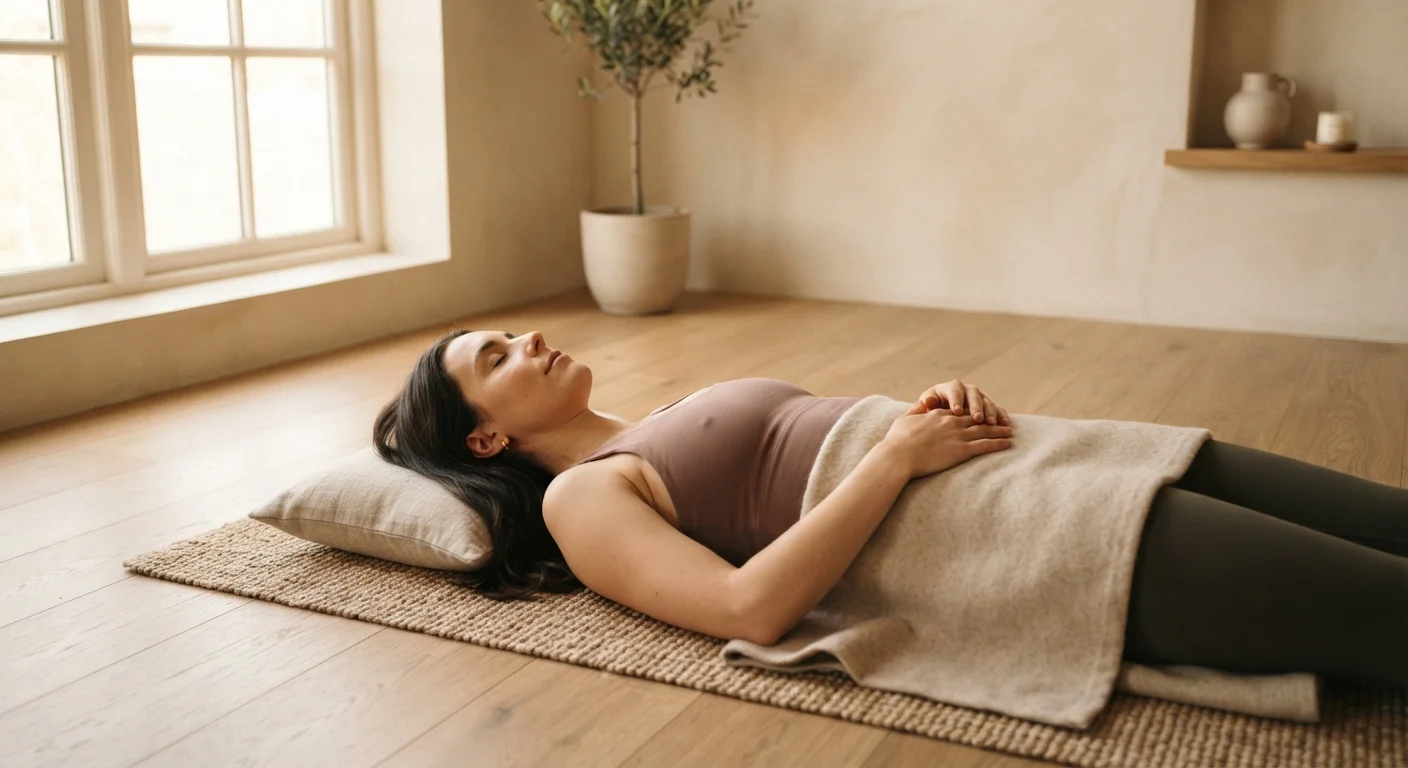
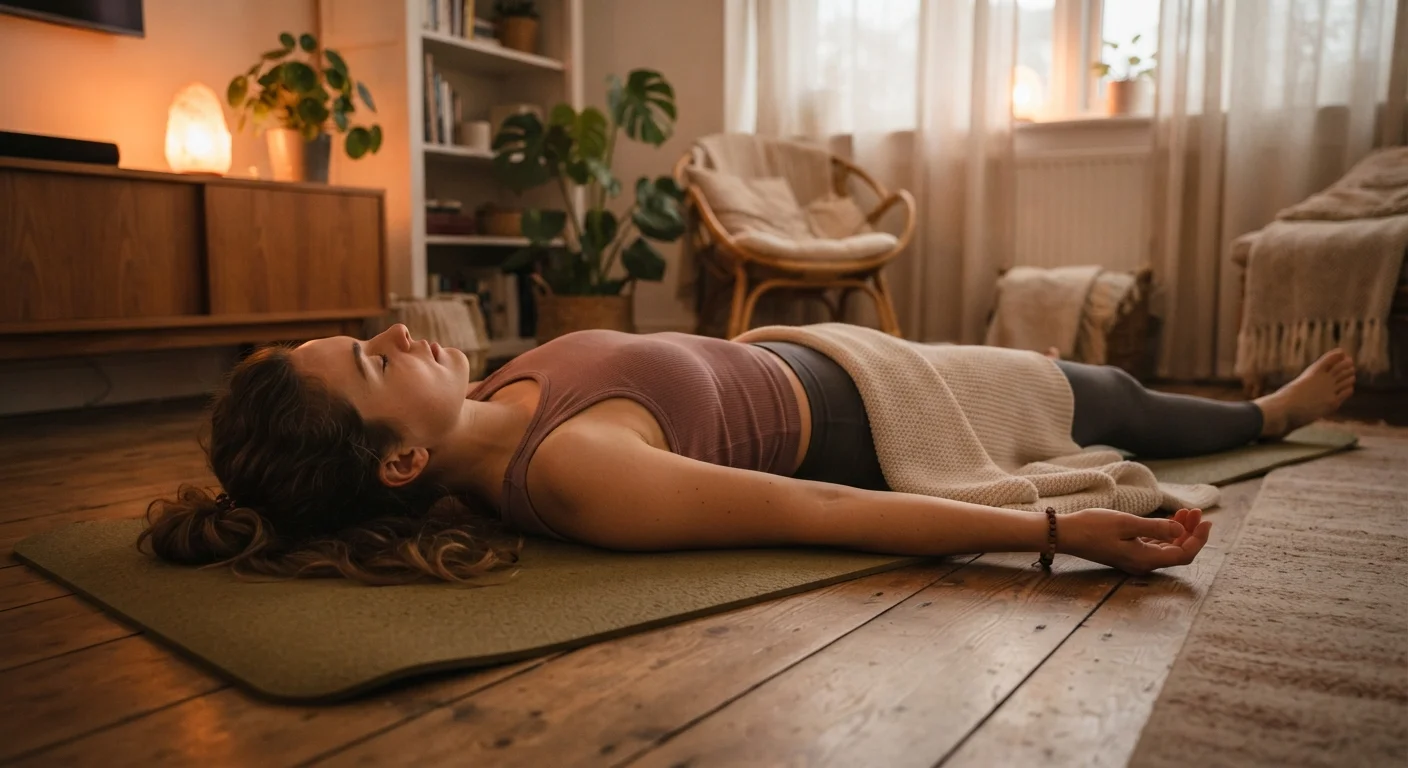
Body scan is a mindfulness-based practice in which you move your attention slowly and systematically through different regions of the body — typically from the feet upward to the crown of the head — noticing whatever sensations are present without trying to alter them. The aim is awareness, not correction. You might observe warmth, tightness, tingling, or numbness, and simply acknowledge each sensation. This non-reactive observation is at the heart of what makes body scan useful for emotional regulation: physical sensations and emotional states are closely linked, and learning to notice the body without immediately reacting to it builds a kind of internal steadiness. For a deeper look at that connection, see what body scan meditation is and why it works.
Progressive muscle relaxation, developed by physician Edmund Jacobson in the early twentieth century, works on a different principle: deliberately tensing a specific muscle group for several seconds, then releasing that tension completely. Working through major muscle groups — feet, calves, thighs, abdomen, hands, arms, shoulders, and face — the contrast between tension and release teaches the body to recognize and let go of habitual tightness. For a structured walkthrough, Progressive Muscle Relaxation, Step by Step walks you through the full sequence.
| Criterion | Body Scan | Progressive Muscle Relaxation |
|---|---|---|
| Core mechanism | Passive, non-reactive awareness of sensations | Active tense-and-release of muscle groups |
| Primary goal | Interoceptive awareness and emotional insight | Direct reduction of muscular tension |
| Effort level | Still; observation only | Active; physical engagement required |
| Best evidence base | Stress, anxiety, emotional regulation | Insomnia, generalized anxiety, physical tension |
| Beginner-friendliness | Can feel abstract at first | Concrete and structured — clear starting point |
| Session length | Typically 20–45 minutes | Typically 15–25 minutes |
| Emotional regulation link | Direct — builds interoceptive skill | Indirect — lowers physiological arousal |
How They Connect Physical Sensation to Emotional Regulation
One of the more compelling aspects of body scan practice is its direct link to interoception — the brain's ability to perceive signals from inside the body. Research in affective neuroscience suggests that people who are more aware of internal physical states tend to have better capacity to identify and regulate their emotions. Body scan directly trains this awareness. When you practice noticing tension in your jaw or heaviness in your chest without labeling it as a problem, you develop a more nuanced, less reactive relationship to those states. Over time, that skill can translate into recognizing stress or anxiety earlier, before it escalates. Our article on how body scanning supports emotional regulation explores this relationship in detail.
PMR supports emotional regulation through a different mechanism: by reliably producing a relaxation response, it lowers overall physiological arousal. When the nervous system is less activated, emotional reactivity tends to decrease as a downstream effect. PMR is not primarily an awareness practice — it is an intervention that changes your physical state, which then influences your emotional one. Both pathways are valid; they simply arrive at calm by different routes.
Both Techniques Are Safe for Most People
Body scan and PMR are generally considered low-risk practices suitable for most adults. However, people with certain trauma histories may find that focused body attention brings up distressing feelings. If that happens, it's worth working with a trained therapist rather than pushing through alone. Those with musculoskeletal injuries should consult a healthcare provider before practicing PMR's tensing component.
If you're curious how these approaches compare to other calming methods, calming practices beyond deep breathing offers a useful broader overview.
Choosing Between Them — or Using Both
Neither technique is universally superior. The practical question is which one fits your current needs and tendencies.
- If your mind is busy and you find stillness frustrating, PMR may feel more accessible at first — the act of tensing and releasing gives your attention something concrete to do.
- If you want to understand why you feel tense, or you're drawn to mindfulness as a broader practice, body scan offers richer insight into the relationship between physical sensation and emotional state. The sensations commonly noticed during body scans can serve as a helpful reference as you develop your practice.
- If sleep is a concern, PMR has a particularly well-documented evidence base for reducing sleep onset time and nighttime arousal.
The two techniques are also genuinely complementary. Some practitioners begin a session with PMR to release gross muscular tension, then transition into a body scan to observe subtler sensations. Understanding active versus passive relaxation techniques can help you think through how different approaches fit together in a broader self-care routine.
This article is for general informational purposes only and does not constitute medical or psychological advice. If you are experiencing significant anxiety, chronic pain, or other health concerns, please consult a qualified healthcare professional.