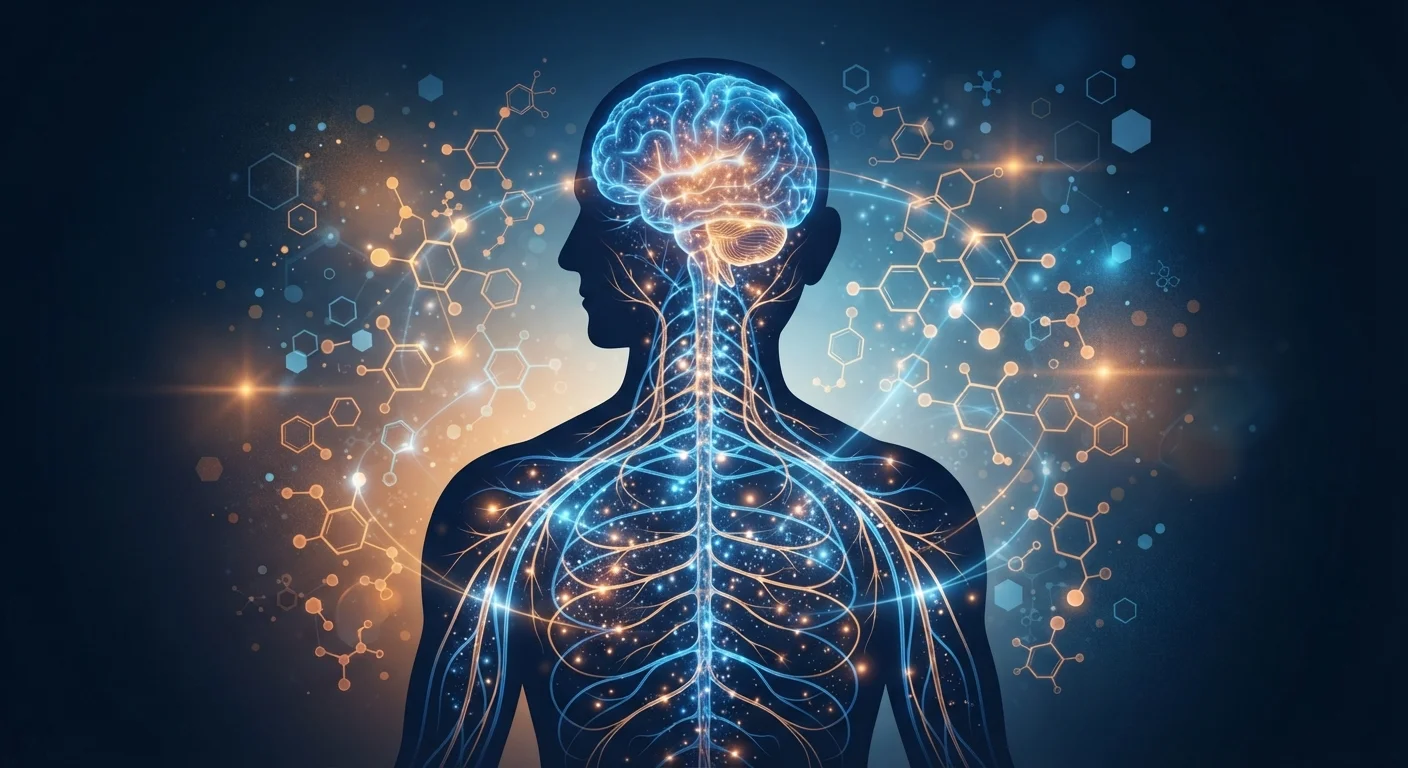

How Blood Sugar Swings Mimic a Stress Response
You've probably felt it: a midday energy crash after a sugary lunch, or the shakiness that sets in when you've skipped a meal. What many people don't realize is that these moments aren't just about hunger — they can trigger a genuine stress response inside the body.
When you eat foods that digest quickly (like refined carbohydrates and sugary drinks), blood glucose rises sharply and then drops. To counteract that drop, the body releases stress hormones including adrenaline and cortisol. The result can feel almost identical to anxiety: a racing heart, irritability, and difficulty concentrating. For a deeper look at this process, see how blood sugar swings affect the nervous system.
Pairing carbohydrates with protein, healthy fats, or fiber slows glucose absorption, helping to keep energy — and mood — more stable throughout the day. This is one of the most direct, evidence-supported links between diet and how stressed you feel on a daily basis.
~70%
Of serotonin produced in the gut
Researchers estimate that the majority of the body's serotonin — a key mood-regulating neurotransmitter — is produced in the gastrointestinal tract, underscoring the gut–brain connection.
45%
Of US adults report stress-related overeating
According to the American Psychological Association's Stress in America surveys, nearly half of US adults report eating as a way to manage stress, often choosing high-sugar or high-fat comfort foods.
~300mg
Daily magnesium many adults fall short of
National dietary surveys suggest a substantial portion of US adults consume less magnesium than the recommended daily intake, a mineral closely tied to stress and anxiety regulation.
Caffeine's Role in the Stress Equation
Caffeine is the world's most widely consumed psychoactive substance, and for good reason — it reliably boosts alertness. But it does so partly by stimulating the sympathetic nervous system, the same system that powers the fight-or-flight response.
At moderate levels, most healthy adults tolerate caffeine well. At higher doses — or for people who are more sensitive — it can raise cortisol levels, increase heart rate, and heighten feelings of tension or anxiety. Disrupted sleep from afternoon caffeine further compounds the problem, since sleep deprivation independently raises stress reactivity.
Try an Afternoon Caffeine Cutoff
Consider stopping caffeine intake by early afternoon — most guidelines suggest around 2 p.m. as a reasonable cutoff for those sensitive to sleep disruption. Poor sleep independently raises cortisol and stress reactivity the next day, so protecting sleep quality is one of the most practical ways to reduce how stressed you feel overall.
This doesn't mean eliminating coffee entirely. It does mean paying attention to timing and quantity, and noticing whether your caffeine habits correlate with periods of heightened stress or anxiety. For a broader view of how lifestyle habits interact with stress, see lifestyle factors and stress.
Nutrient Gaps That Can Quietly Raise Stress Sensitivity
The nervous system relies on a steady supply of micronutrients to regulate mood and stress hormones. When intake falls short, the body's ability to buffer stress may weaken — even if you don't feel obviously unwell.
Magnesium is involved in hundreds of enzymatic reactions, including those that regulate the stress response. Research has found associations between low magnesium intake and increased anxiety, though causality is still being studied. B vitamins (particularly B6 and B12) support neurotransmitter production — the chemical messengers that influence how calm or reactive you feel. Omega-3 fatty acids, found in fatty fish, walnuts, and flaxseeds, have been linked in multiple studies to lower inflammation and improved mood regulation.
The goal isn't to chase supplements — it's to notice whether your overall diet is varied and nutrient-dense enough to support your nervous system. If you're concerned about specific deficiencies, a healthcare provider can order relevant tests. You can also explore mindful eating habits that support stress recovery for practical, evidence-informed approaches.
The Gut–Brain Axis: Why Digestive Health Affects Mood
Emerging research on the gut–brain axis — the bidirectional communication network linking your digestive system to your brain — has added a new dimension to our understanding of diet and stress. The gut produces a significant portion of the body's serotonin, a neurotransmitter associated with mood stability, and communicates directly with the brain via the vagus nerve.
Diets high in processed foods and low in fiber are associated with less diverse gut microbiomes, which some research links to increased anxiety and stress sensitivity. Conversely, diets rich in vegetables, legumes, whole grains, and fermented foods tend to support a more diverse microbial community. This is a rapidly evolving field, and researchers are careful to note that direct cause-and-effect relationships are still being established.
What's clear is that the connection between what you eat and how you feel is far more complex — and more meaningful — than calories alone. Understanding what your body signals when stressed can help you notice when diet-related changes might be playing a role.
This article is for general informational and educational purposes only and is not a substitute for professional medical or nutritional advice. Please consult a qualified healthcare provider with any questions about your diet, health, or stress management.