Why Blood Sugar Affects More Than Energy
Most people associate blood sugar with physical energy - feeling sluggish after a sugar crash, or buzzing after a sweet meal. But glucose regulation is deeply intertwined with the nervous system, and the downstream effects include mood, concentration, and the physical sensations often described as anxiety or tension.
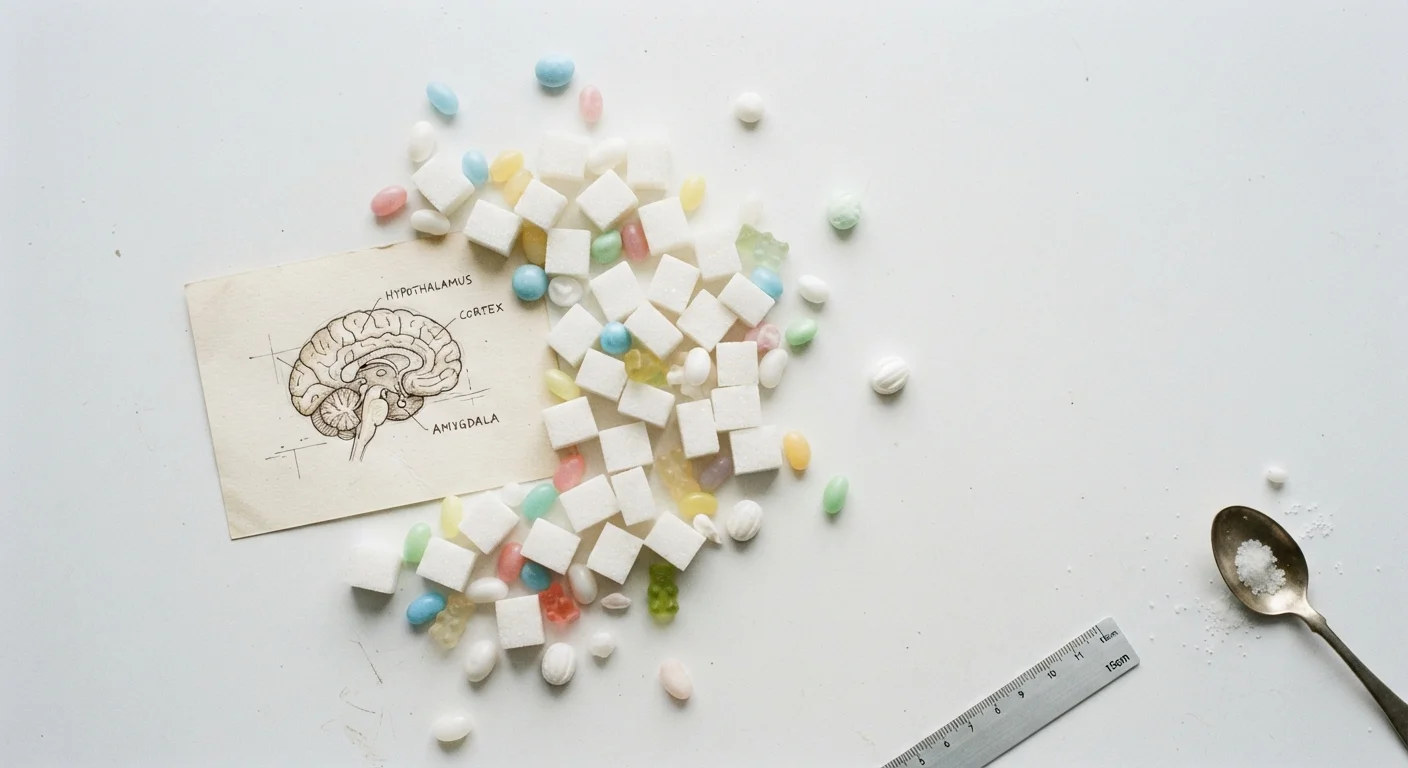
Understanding this relationship starts with knowing that the brain relies almost exclusively on glucose as its fuel source. When glucose supply becomes unstable - rising sharply and then dropping - the brain doesn't simply slow down. It triggers a coordinated physiological alarm response. This is why blood sugar swings can feel less like tiredness and more like panic.
For a broader look at how diet shapes the stress response, see what nutrition science says about diet and stress.
| Primary brain fuel | Glucose |
| Hormones released during glucose drop | Epinephrine (adrenaline) and cortisol |
| Nervous system branch activated by low blood sugar | Sympathetic (fight-or-flight) |
| Term for post-meal blood sugar crash | Reactive hypoglycemia (Used in clinical endocrinology literature) |
| Physical symptoms of reactive hypoglycemia | Rapid heartbeat, sweating, trembling, irritability |
| Organ that stores and releases glucose reserves | Liver |
The Physiology of a Blood Sugar Swing
When you consume rapidly digested carbohydrates or added sugars, blood glucose rises quickly. The pancreas responds by releasing insulin, a hormone that helps cells absorb glucose. If the glucose spike is large, the insulin response can overshoot, driving blood sugar below its stable baseline - a state called reactive hypoglycemia.
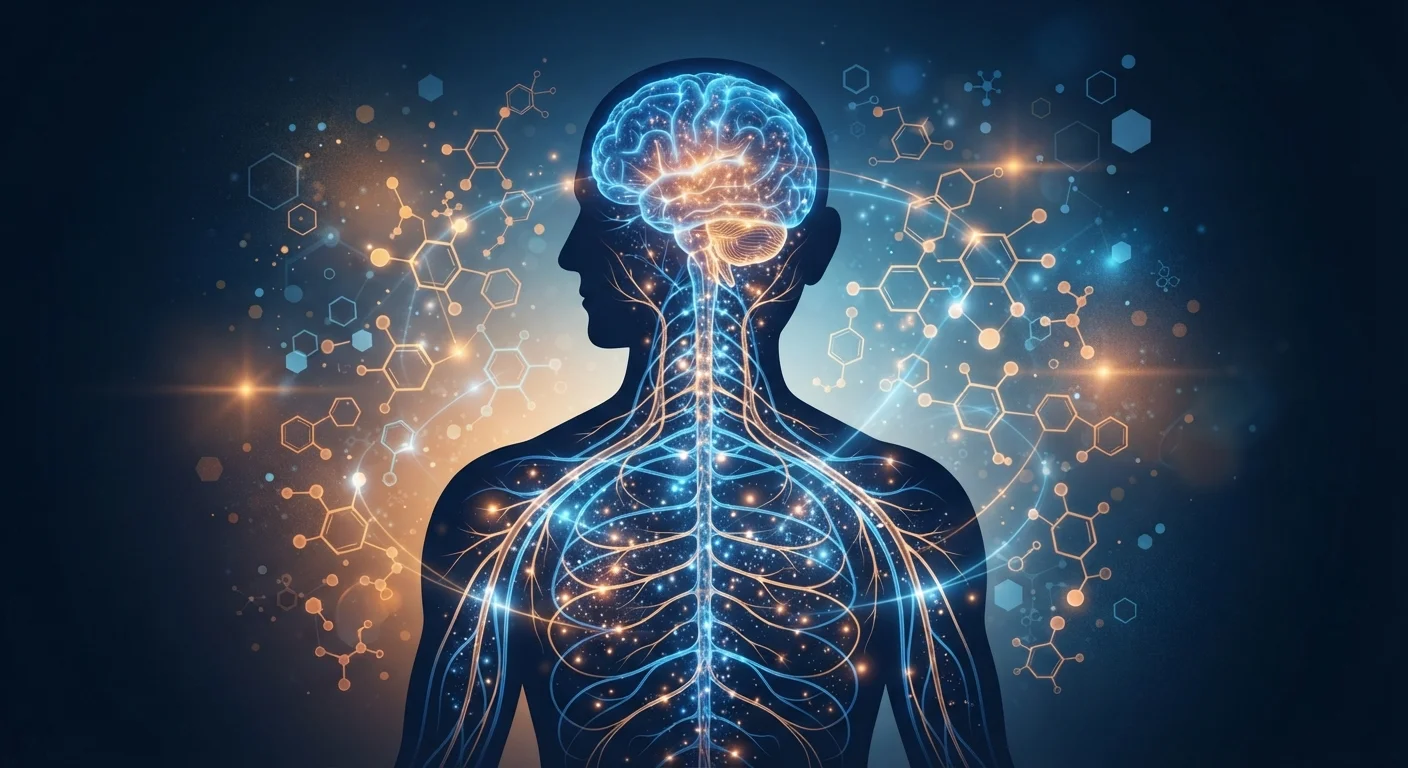
The brain detects this glucose drop and signals the adrenal glands to release epinephrine (adrenaline) and cortisol. These stress hormones instruct the liver to release stored glucose to correct the deficit. The same hormones also activate the sympathetic nervous system - the branch responsible for the classic fight-or-flight response.
The physical results are measurable: increased heart rate, faster breathing, muscle tension, sweating, and heightened alertness. For many people, these sensations are indistinguishable from anxiety. Research published in peer-reviewed endocrinology and psychiatry journals has documented the overlap between hypoglycemic episodes and anxiety symptom profiles.
Insulin
A hormone produced by the pancreas that helps cells absorb glucose from the bloodstream. It is released in response to rising blood sugar levels.
Reactive hypoglycemia
A temporary drop in blood glucose that occurs after a meal, typically caused by an excess insulin response to a rapid rise in blood sugar. It can produce symptoms that overlap with anxiety.
Epinephrine (adrenaline)
A stress hormone and neurotransmitter released by the adrenal glands in response to low blood sugar or perceived threat. It prepares the body for rapid action by accelerating heart rate and increasing alertness.
Autonomic nervous system (ANS)
The part of the nervous system that regulates involuntary body functions such as heart rate, digestion, and breathing. It has two main divisions: sympathetic (activating) and parasympathetic (calming).
Cortisol
A glucocorticoid hormone produced by the adrenal glands. It helps regulate blood sugar, metabolism, and the stress response, but chronically elevated levels can negatively affect mood and nervous system balance.
Sympathetic nervous system
The division of the autonomic nervous system responsible for the body's fight-or-flight response. It increases heart rate, redirects blood flow to muscles, and heightens alertness during perceived stress.
The Autonomic Nervous System's Role
The autonomic nervous system (ANS) operates largely outside conscious control and has two main branches: the sympathetic system (activating) and the parasympathetic system (calming). Blood sugar instability repeatedly nudges the ANS toward sympathetic dominance.
Over time, frequent glucose spikes and crashes can contribute to a pattern where the body's baseline stress level stays elevated. Cortisol, which is released during hypoglycemic episodes, also suppresses parasympathetic activity - making it harder for the body to return to a calm, resting state between episodes.
This is not a minor aside. Chronic sympathetic activation is associated with disrupted sleep, digestive issues, immune changes, and emotional dysregulation. The nervous system responds to blood sugar volatility as it would any repeated stressor.
This Is General Education, Not Medical Advice
The physiological processes described here reflect established biological mechanisms, but individual responses to blood sugar changes vary widely. Conditions such as diabetes, hypoglycemia disorders, or anxiety disorders require professional evaluation and management. If you experience frequent or severe symptoms - physical or psychological - speak with a qualified healthcare provider rather than self-diagnosing based on this information.
What This Means for Your Mental State
The neurological and hormonal cascade described above produces real, perceivable mental effects. Irritability, difficulty concentrating, a sense of dread, and physical restlessness commonly occur during or after significant blood glucose drops. These are not imagined responses - they reflect measurable shifts in brain chemistry and hormonal output.
It is important to note that blood sugar instability does not cause an anxiety disorder on its own. However, for people already predisposed to anxiety, frequent swings can amplify symptom severity and frequency. Understanding this mechanism can help individuals recognize when their mental state may have a physiological trigger - and respond accordingly rather than attributing the feelings solely to psychological causes.
For a deeper exploration of how sugar interacts with brain chemistry and stress hormones, read our overview of sugar and anxiety is a useful next step. And if you're considering dietary adjustments, evidence-informed eating habits for steadier blood sugar offers practical, research-grounded guidance.
This article is for general informational and educational purposes only and does not constitute medical advice. If you experience symptoms that concern you, please consult a qualified healthcare professional.